
Volume 2
issue 10

Insights into global breakthroughs in cell-based therapies

Personalized cancer vaccine | Allogeneic CAR-T | RAS inhibitor | Blood-based CRC screening

First-in-Human Data for a Single-Infusion In Vivo BCMA CAR-T (IASO206) Show 90% Response in Heavily Pretreated Myeloma, Without Chemotherapy Conditioning

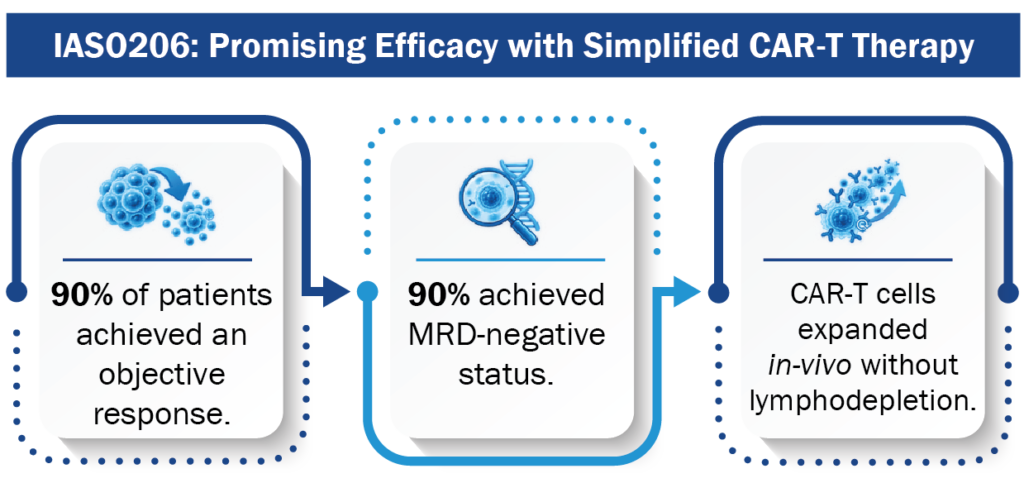
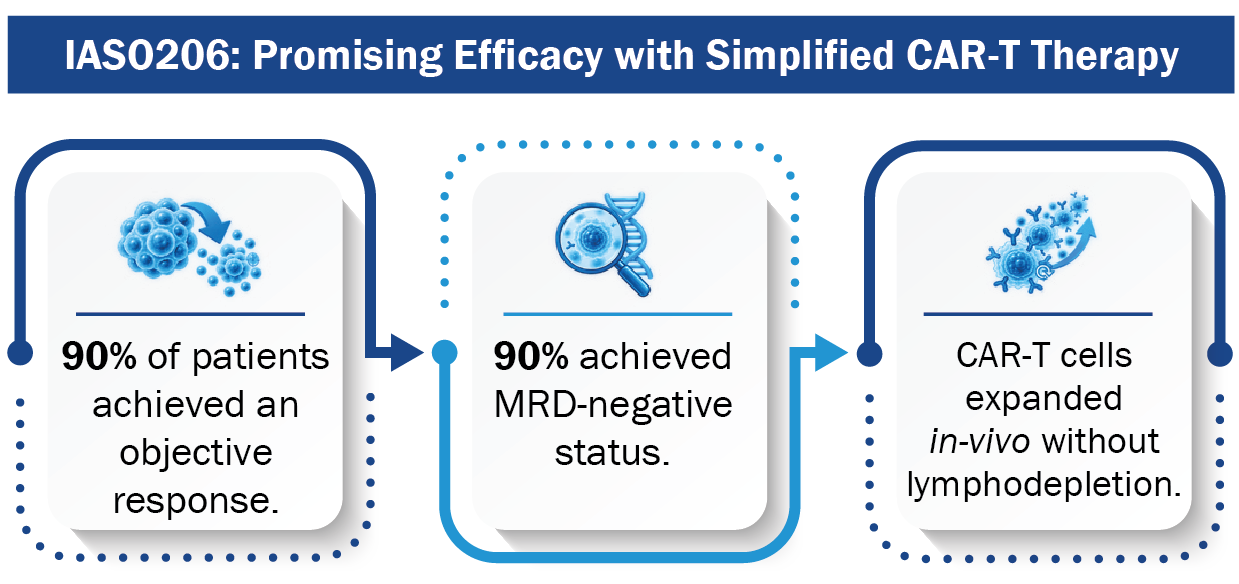
IASO206 is an in vivo BCMA-targeted CAR-T therapy evaluated in a Phase 1 study involving 10 heavily pretreated relapsed/refractory multiple myeloma patients. A single IV infusion generated functional CAR-T cells without apheresis, ex vivo manufacturing, or lymphodepleting chemotherapy. CAR-T cells expanded in vivo and persisted for up to six months. The overall response rate and MRD-negativity rate were both 90%, reaching 100% in the high-dose cohort. No dose-limiting toxicities, ICANS, or treatment-related deaths occurred. CRS was grade 2 or lower. Follow-up remains limited, requiring further evaluation of response durability and optimal dosing 
Clinical Implications
  • Response: The objective response rate was 90% (9/10), including three stringent complete responses, and the MRD-negativity rate was 90%. Both reached 100% in the high-dose cohort.
  • Expansion: CAR-positive cells expanded without lymphodepletion, peaked between days 12 and 21, and most remained detectable beyond 60 days and up to six months.
  • Safety: No dose-limiting toxicities, ICANS or treatment-related deaths. CRS was grade 1 in seven patients and grade 2 in one, and two patients had none. Two patients had grade 3 or higher viral infections due to low immunoglobulin levels and recovered with IVIG.
Why It Matters
  • Conventional CAR-T is limited by manufacturing time, cost and conditioning chemotherapy. An off-the-shelf infusion could widen access and, as the developers suggest, eventually be tested earlier in the treatment course.
  • It follows other in-vivo CAR-T programs reporting early data this year, including KLN-1010 in myeloma and LB2501 in lymphoma.

Reference: Yan W, Zou H, Wang Q, et al. First-in-Human Clinical Proof-of-Concept of IAS0206, 2026 IMS Annual Meeting. Oral LBA-11

Phase I Trial of a Mutant KRAS Peptide Vaccine (mKRAS-VAX) Shows Safety and Durable T-Cell Responses in People at High Risk of Pancreatic Cancer

Pancreatic ductal adenocarcinoma (PDAC) arises from precursor lesions over a decade or more, which offers a window for interception in high-risk individuals. However, current surveillance detects only a minority of precursors. Mutant KRAS (mKRAS) is present in most PDACs and their precursors, making it an appealing target for immune-based interception. A phase I, first-in-human study tested mKRAS-VAX, a peptide vaccine targeting six common KRAS mutations (G12D, G12V, G12R, G12C, G12A and G13D). The trial enrolled 20 individuals with hereditary PDAC predisposition and a radiographic pancreatic abnormality, typically a small cyst consistent with an IPMN (NCT05013216, Cohort A). The primary aims were to assess safety, immunogenicity and T cell persistence. Participants received the vaccine four times over 13 weeks
Clinical Implications
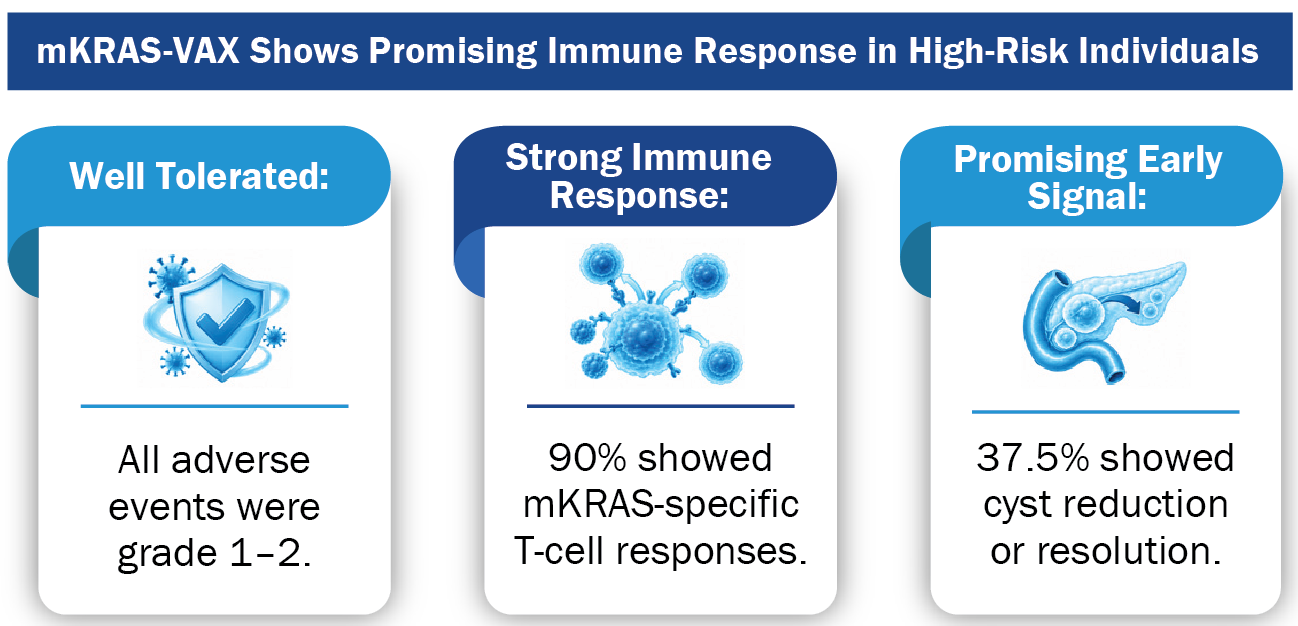
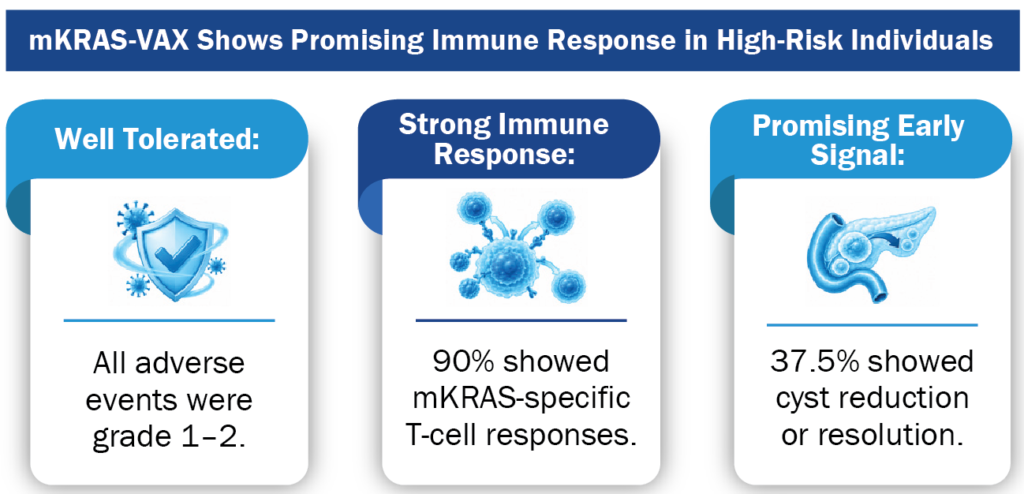
  • Safety: All adverse events were grade 1-2, and no high-grade events were reported in otherwise healthy, high-risk individuals. 
  • Immune response: Vaccination elicited a significant mKRAS-specific T-cell response in 18 of 20 participants (90%). 
  • Durability: Longitudinal TCR sequencing showed persistence of vaccine-induced mKRAS-specific clonotypes for up to 2 years. 
  • Early clinical signal: Over a median follow-up of 16.5 months, no participants developed PDAC. In an exploratory analysis, 37.5% of vaccinated individuals had cyst reduction or resolution, compared with 6.8% in an unvaccinated cohort with similar characteristics 
Why It Matters
  • Current surveillance detects only a minority of precursor lesions, so an approach that acts on the precancerous stage addresses a real gap.
  • This is the first report of safety and immunogenicity for a neoantigen vaccine targeting mKRAS in the precancer setting for PDAC.

Reference: Haldar SD, et al. Cancer Discovery, 2026. ClinicalTrials.gov: NCT05013216.

FDA Grants Fast Track Designation to Cesalatamig, a PD-1/VEGF Bispecific Antibody, for Immunotherapy-Pretreated NSCLC

The U.S. Food and Drug Administration (FDA) has granted Fast Track Designation to cesalatamig (AI-081), an investigational PD-1/VEGF bispecific antibody. The designation applies to adults with advanced or metastatic non-small cell lung cancer (NSCLC) whose disease has progressed after PD-(L)1-targeted immunotherapy and platinum-based chemotherapy, given concurrently or sequentially. Cesalatamig is being evaluated in the global Phase 1/2 BiPAVE-001 program in the United States and China. 

Clinical Implications
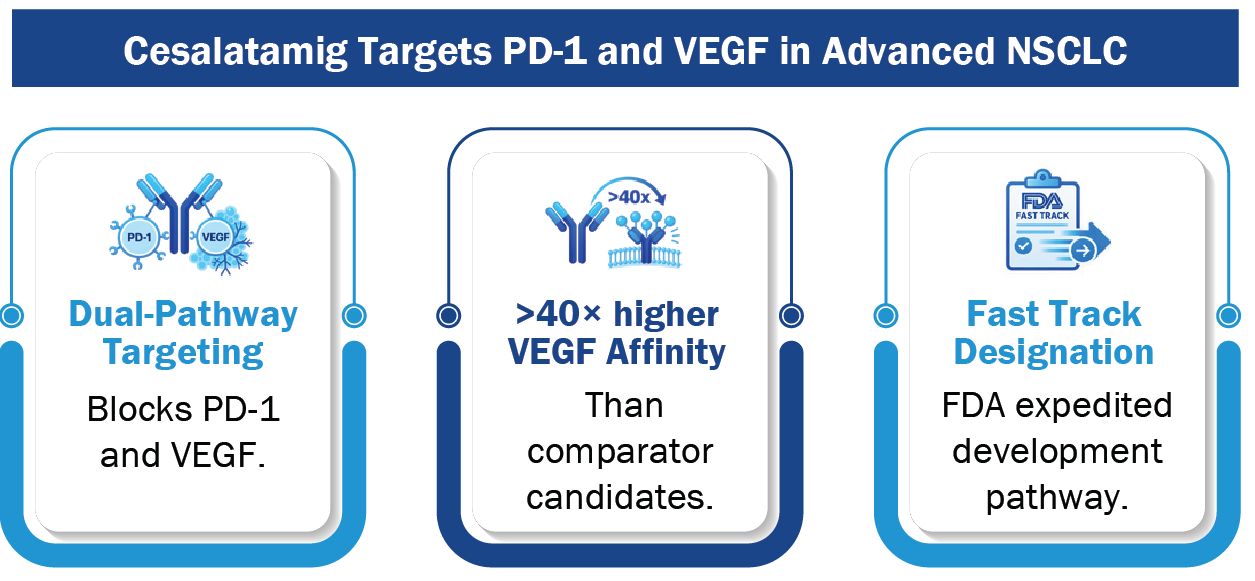
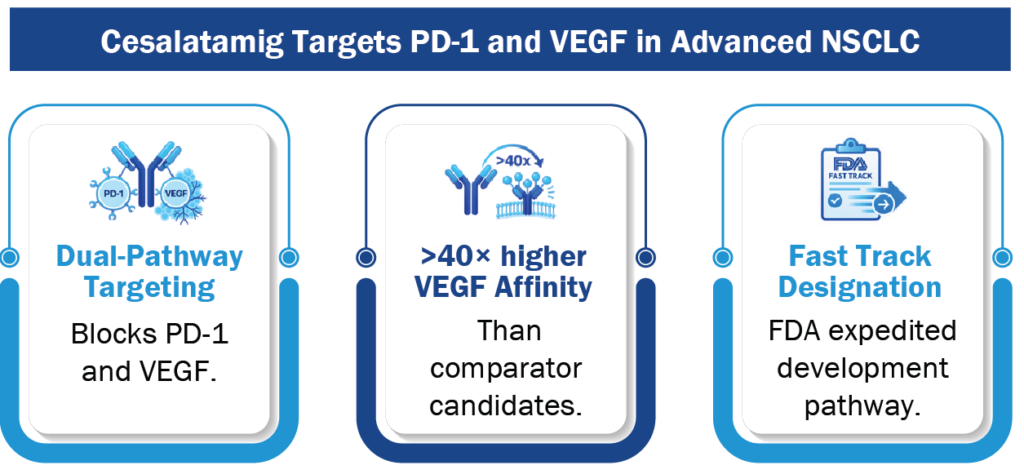
  • Dual-pathway targeting: Cesalatamig combines PD-1 checkpoint blockade with inhibition of VEGF-driven angiogenesis in a single molecule, addressing both immune suppression and tumor vascularization in the tumor microenvironment. 
  • Engineering: As reported, the antibody binds VEGF with more than 40-fold higher affinity than bevacizumab-based PD-1/VEGF bispecific candidates, and it is designed for cooperative binding in tumors enriched for PD-1 and VEGF. Fc-silencing modifications are intended to limit depletion of PD-1-positive effector T cells while preserving PD-1 blockade. 
  • Expedited development: Fast Track allows more frequent interaction with the FDA, rolling review of eligible portions of a future marketing application, and potential eligibility for priority review if the applicable criteria are later met. 
  • Current status: The ongoing BiPAVE-001 program is evaluating cesalatamig in advanced solid tumors, including NSCLC (US: NCT06635785; China: CTR20253261). The US study includes dose escalation and dose optimization with intravenous dosing every three weeks, and it is assessing safety, pharmacokinetics and preliminary antitumor activity while establishing the recommended Phase 2 dose. 

Reference: FDA Fast Track Designation for Cesalatamig, an Investigational PD-1/VEGF Bispecific Antibody, September 16, 2026; ClinicalTrials.gov NCT06635785.
Why It Matters
  • Acquired resistance after immune checkpoint inhibitor and chemotherapy combinations is a central challenge in thoracic oncology, and treatment options in this setting are limited.
  • The approach rests on the biological link between immune suppression and angiogenesis. VEGF can contribute to an immunosuppressive tumor microenvironment, while PD-1 blockade aims to restore antitumor T-cell activity.
Multicenter Prospective Study Shows PANXEON, a Blood-Based miRNA and CA19-9 Assay, Detects Early-Stage Pancreatic Cancer

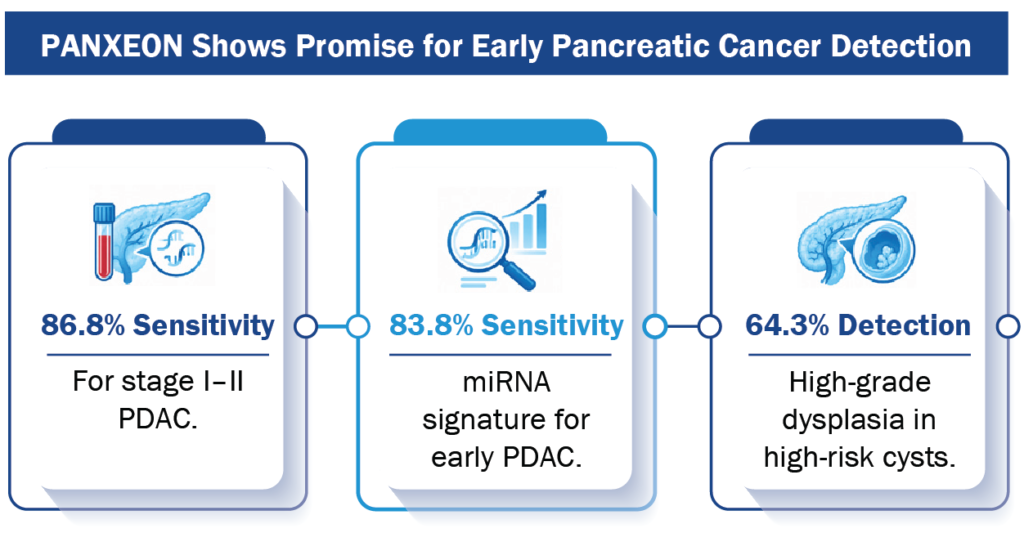
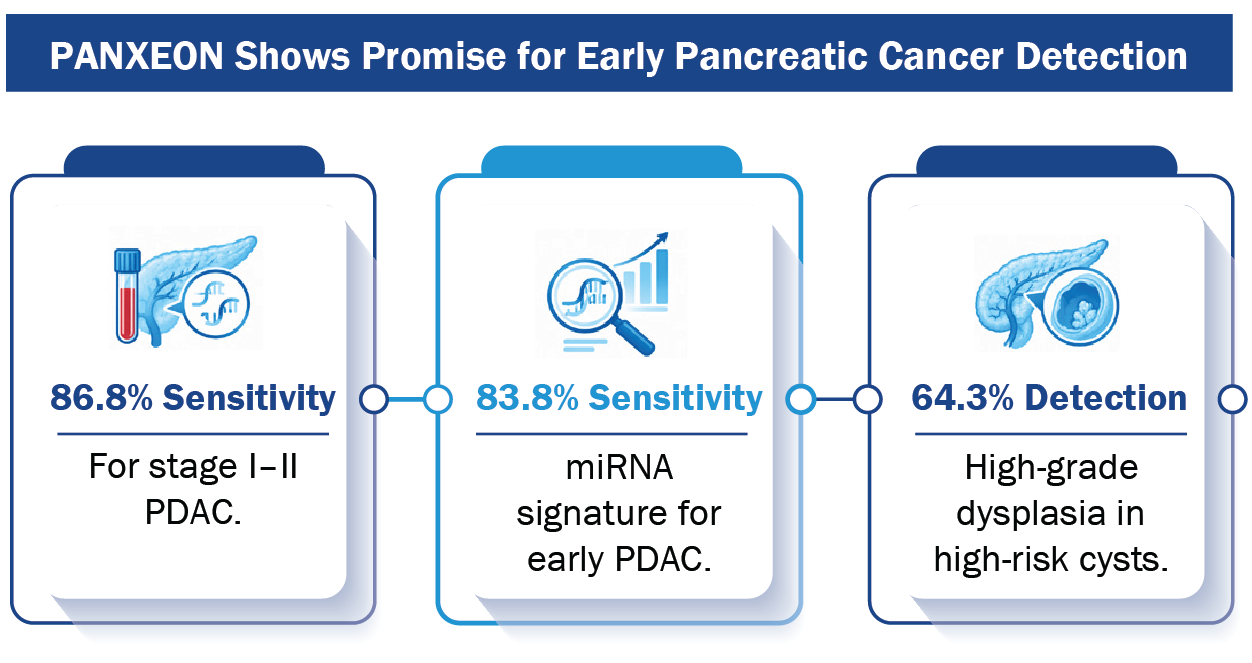
An international, multicenter, prospective observational biomarker study of 1,785 individuals from four countries evaluated PANXEON (PANcreatic cancer eXosome Early detectiON). PANXEON is a composite score combining a 10-miRNA blood signature (hsa-miR-142-3p, miR-30c-5p, miR-335-5p, miR-340-5p, miR-200b-3p, miR-1260b, miR-145-3p, miR-145-5p, miR-429 and miR-200a-3p) with carbohydrate antigen 19-9 (CA19-9). The miRNA signature alone achieved an AUC of 88.6% in the testing cohort, with 83.8% sensitivity for early-stage pancreatic ductal adenocarcinoma (PDAC) and minimal cross-reactivity with other gastrointestinal cancers. 
Clinical Implications
  • Early-stage sensitivity: Combined with CA19-9, the assay reached 86.8% sensitivity for stage I-II PDAC. 
  • False-positive rates: 3.2% in low-risk controls and 15.6% in high-risk controls in the testing cohort, which will shape how and in whom the test could be used. 
  • Precancerous detection: PANXEON detected high-grade dysplasia in 64.3% of individuals with high-risk pancreatic cysts, suggesting a role beyond detecting established cancer. 
  • Possible disease monitoring: In a small cohort of 19 individuals, miRNA signature levels fell during neoadjuvant chemotherapy and after surgery, and rose before disease recurrence. This is preliminary. 
Why It Matters
  • There is currently no clinically relevant blood-based assay for early-stage PDAC, a malignancy with poor outcomes that is usually diagnosed late.
  • CA19-9 alone has limited value for early detection, so pairing it with an miRNA signature addresses a known gap.
  • The findings support blood-based detection as a complement to existing strategies for high-risk populations.
  • The authors state that the assay warrants further large-scale prospective studies. It is not yet a validated screening test, and it has not been shown to improve survival.

Reference: Xu, C., Mannucci, A., Han, H. et al. Nature Medicine (2026), ClinicalTrials.gov: NCT06388967.

At SunAct, we remain dedicated to tracking and sharing global advances that continue to redefine the landscape of cellular therapy and oncology. Stay tuned for our next edition as we uncover more breakthroughs and emerging trends shaping the future of cancer research.

Disclaimer: This newsletter is intended for healthcare professionals and researchers. Information is for educational purposes only.
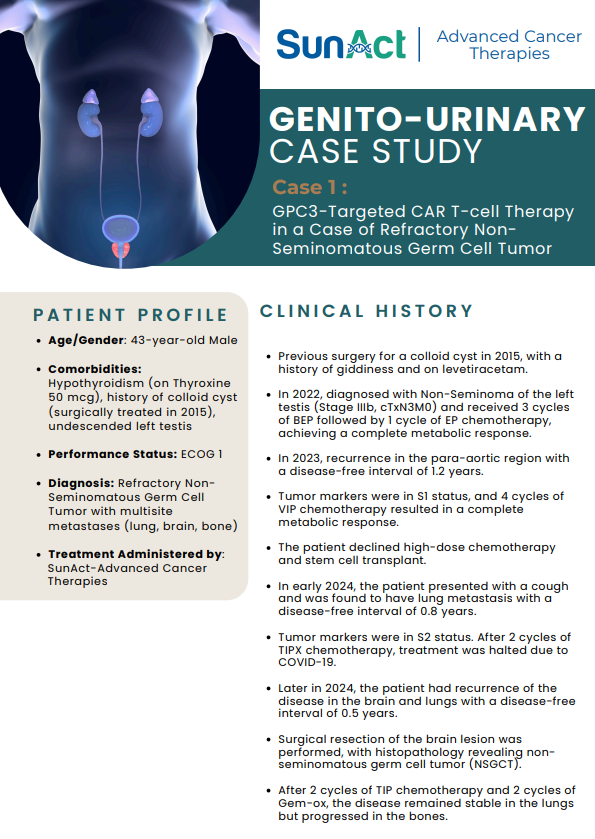
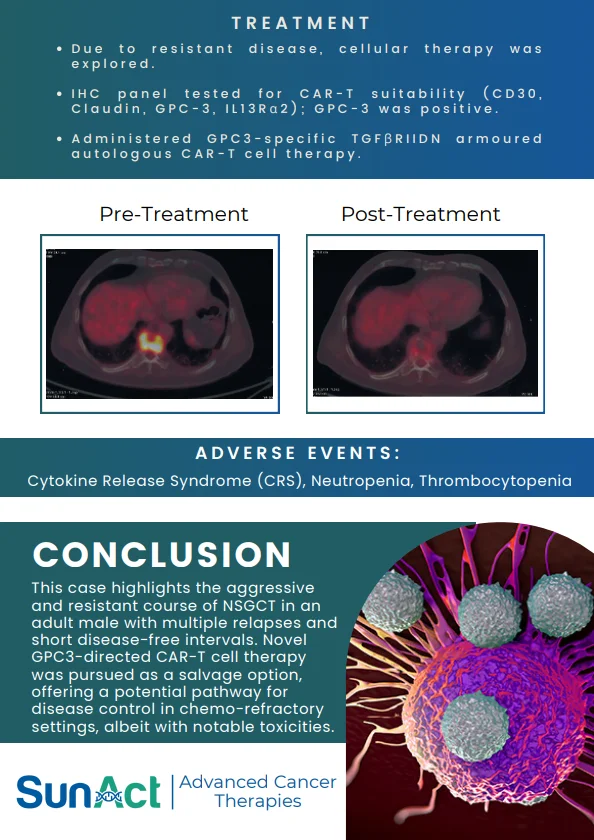
SunAct genitourinary cancer case study on GPC3-targeted CAR T therapy for refractory non-seminomatous germ cell tumor
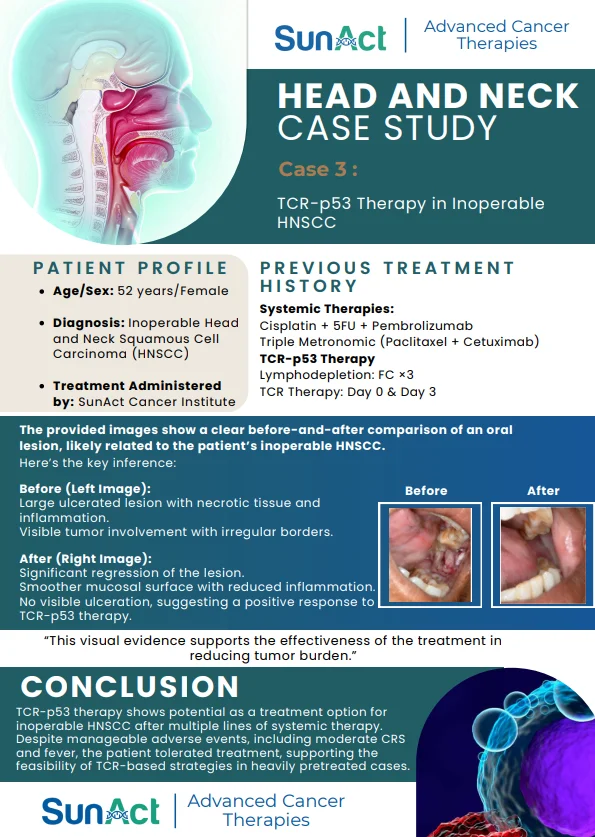
SunAct head and neck cancer case study using TCR-p53 therapy in inoperable squamous cell carcinoma
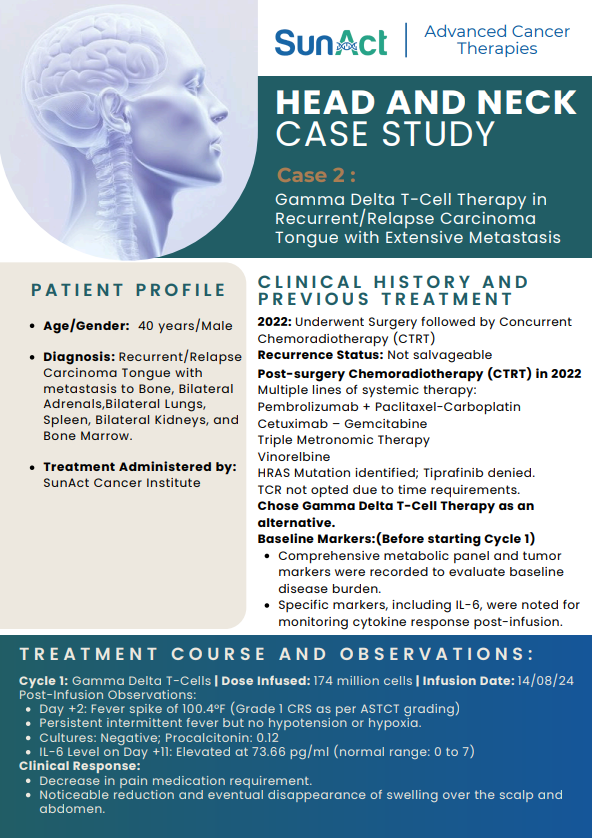
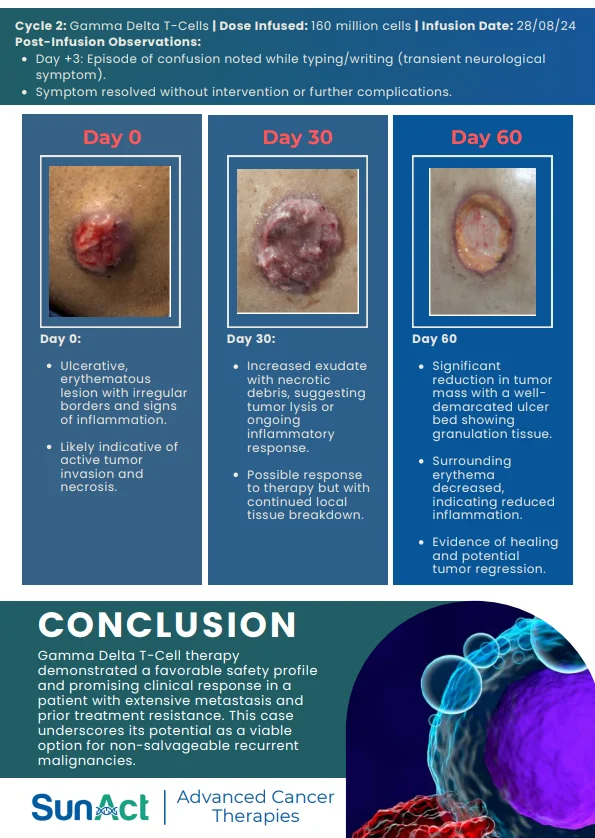
SunAct case study featuring gamma delta T-cell therapy for recurrent tongue carcinoma with extensive metastasis
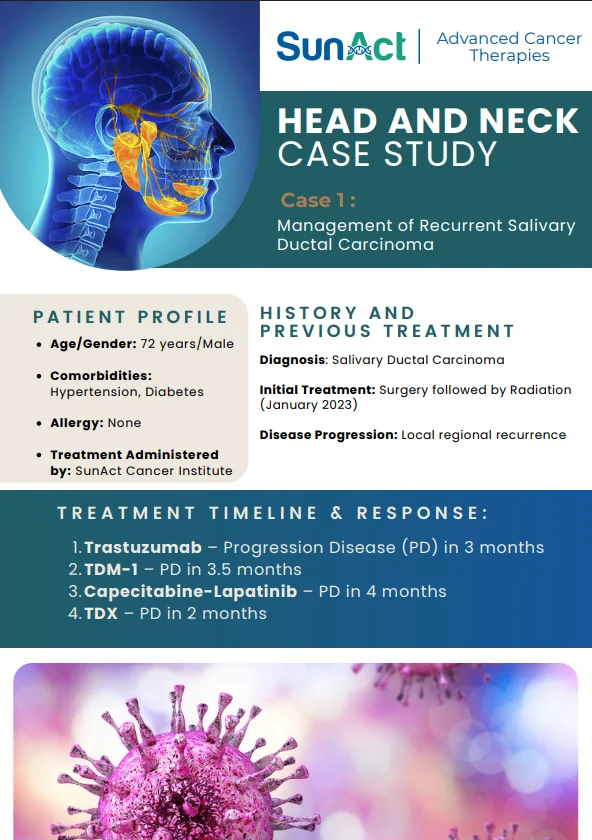
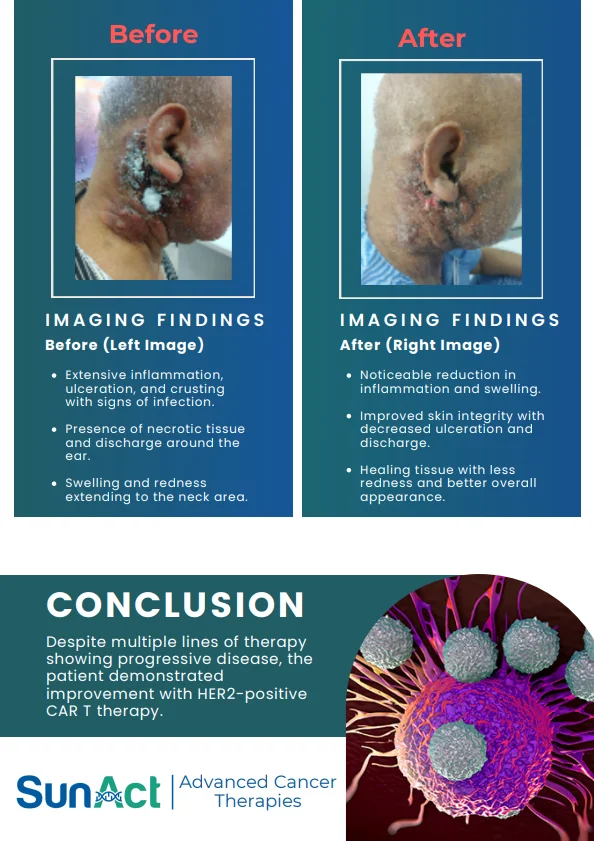
SunAct head and neck cancer case study on salivary ductal carcinoma managed with advanced therapies