9 February 2026
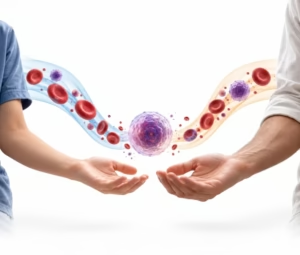
Anaemia is perhaps the most common blood disorder worldwide, affecting nearly one in three Indians. Despite its prevalence, many people live with anaemia for months or years without realising it, attributing their symptoms to stress, overwork, or simply getting older. Understanding anaemia what it is, why it matters, and how it can be treated is essential for recognising when tiredness signals something more serious
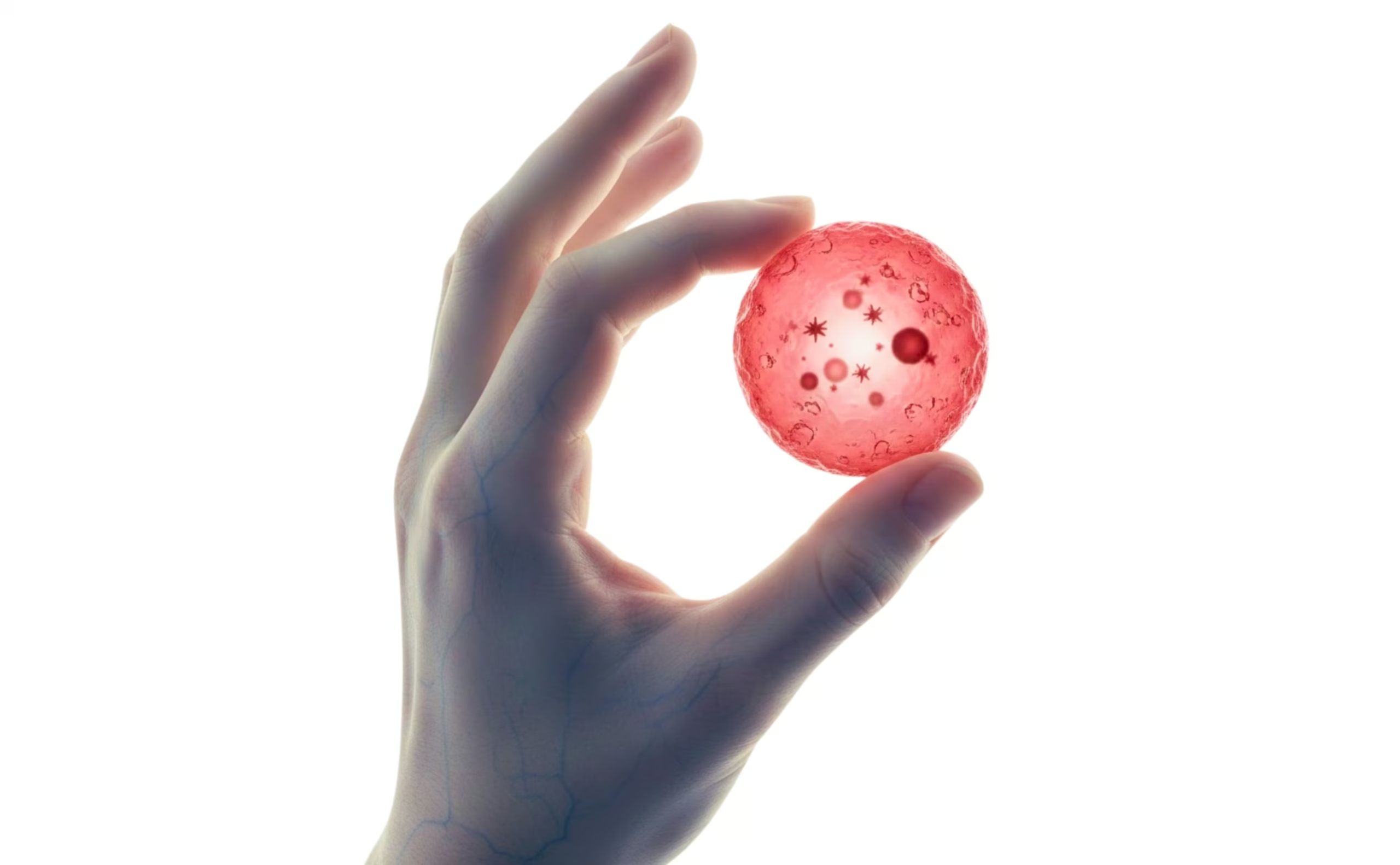
At its core, anaemia means having too little haemoglobin in the blood. Haemoglobin is the protein inside red blood cells that carries oxygen from the lungs to every tissue in the body. When haemoglobin levels drop, tissues receive insufficient oxygen, leading to the characteristic symptoms of anaemia.
The experience of anaemia varies with severity. Mild anaemia might cause only subtle tiredness that people dismiss as normal. Moderate anaemia brings more obvious symptoms—persistent fatigue, breathlessness with exertion, dizziness, and difficulty concentrating. Severe anaemia can be debilitating, with extreme weakness, chest pain, rapid heartbeat, and even fainting spells.
Anaemia isn’t a single disease but rather a sign that something is wrong. The causes fall into three broad categories. The body may not produce enough red blood cells due to nutritional deficiencies, bone marrow problems, or chronic diseases. Red blood cells may be destroyed too quickly, as happens in haemolytic anaemias. Or blood may be lost through obvious bleeding like menstruation or ulcers, or hidden bleeding in the digestive tract.
In India, nutritional anaemias dominate. Iron deficiency anaemia affects women disproportionately due to menstruation, pregnancy, and dietary patterns. The body needs iron to make haemoglobin, and when iron stores run low, anaemia develops gradually. Vitamin B12 and folate deficiencies also cause anaemia, particularly in vegetarians who may have limited B12 intake and those with poor absorption.
Chronic disease anaemia accompanies conditions like kidney disease, rheumatoid arthritis, or cancer. These illnesses interfere with red blood cell production through various mechanisms. Chronic kidney disease patients lose erythropoietin, a hormone that stimulates the bone marrow to produce red blood cells.
Inherited anaemias affect many Indian families. Thalassaemia, particularly common in certain communities, causes lifelong anaemia requiring regular blood transfusions. Sickle cell disease, prevalent in certain populations of India, produces abnormally shaped red blood cells that break down prematurely and block blood vessels.
Diagnosis begins with a simple blood test—the complete blood count. This reveals haemoglobin levels, red blood cell size and number, and other parameters that point towards the cause. Additional tests may include iron studies, vitamin B12 and folate levels, or more specialised investigations for complex cases.
Treatment targets the underlying cause. Iron deficiency responds to iron supplements, though absorption can be slow and side effects like constipation or nausea are common. Dietary modifications help—increasing intake of iron-rich foods like green leafy vegetables, pulses, and for non-vegetarians, meat and fish. Vitamin B12 deficiency may require injections initially, followed by oral supplements or dietary changes.
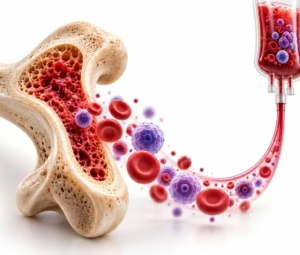
For anaemia due to chronic diseases, treating the underlying condition often improves blood counts. Erythropoietin injections help patients with kidney disease. Blood transfusions provide immediate relief for severe anaemia whilst longer-term solutions are pursued.
Prevention matters enormously, especially for nutritional anaemias. Pregnant women need iron and folic acid supplementation. Growing children require adequate nutrition. Regular health check-ups can detect anaemia early, before it becomes severe.
Anaemia deserves attention rather than dismissal. That persistent tiredness might signal a treatable condition. Simple blood tests can diagnose the problem, and in most cases, effective treatments exist. Recognising anaemia and seeking appropriate care can transform energy levels, work capacity, and overall quality of life.