18002022232

Volume 2
issue 5

Insights into global breakthroughs in cell-based therapies

KRASG12D INHIBITOR TRIAL | BCMA CAR-T FRONTLINE TRIAL | ALLOGENEIC CAR-T PLATFORM | PDAC BIOMARKER PANEL

Targeting the Undruggable: RNK08954, a Highly Selective and Orally Bioavailable KRASG12D Inhibitor

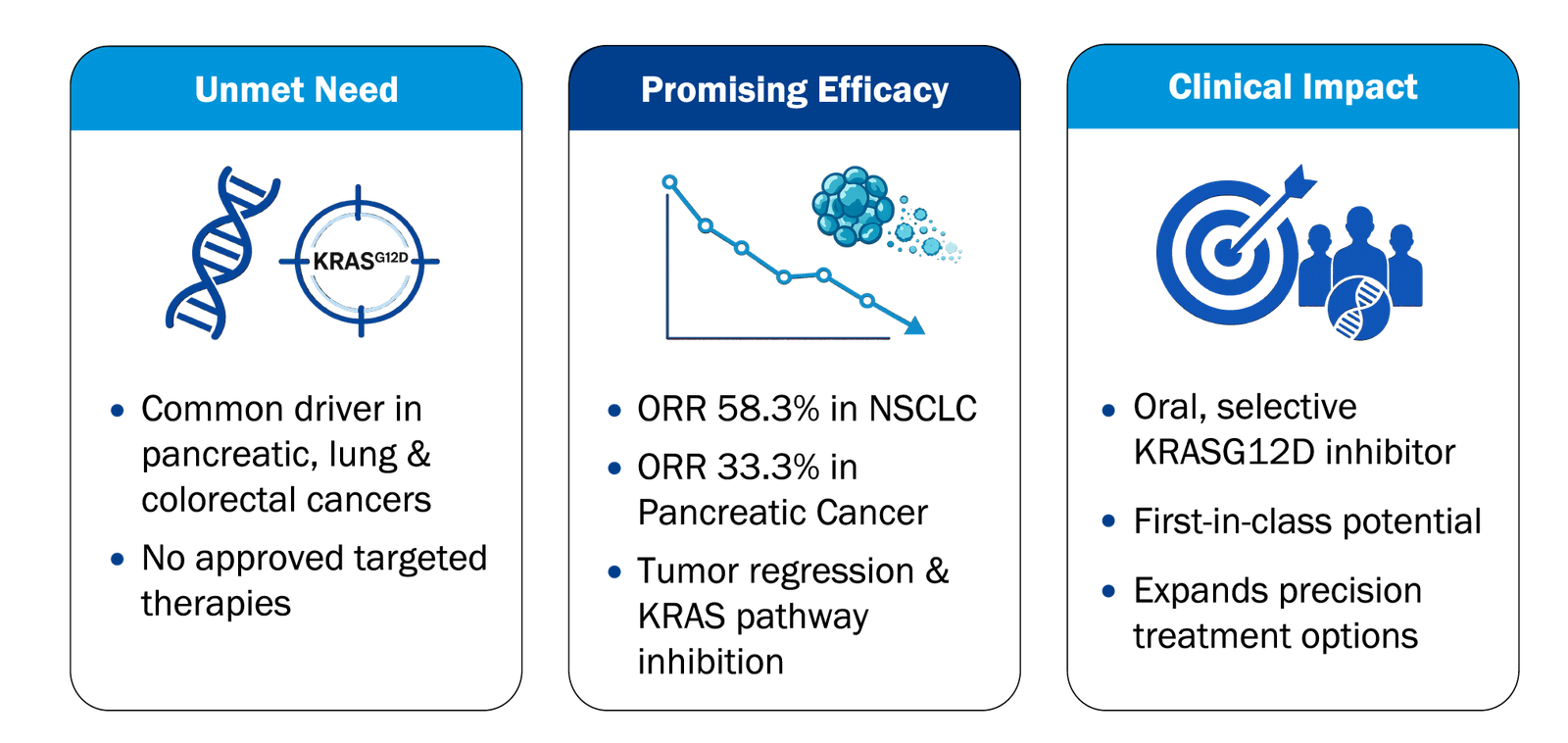
RNK08954 is an orally bioavailable small-molecule inhibitor selectively targeting KRASG12D, a common oncogenic driver in pancreatic, lung, and colorectal cancers with no approved targeted therapies. Preclinical studies showed potent inhibition of tumor growth, suppression of KRAS signaling, significant tumor regression in xenograft models, favorable pharmacokinetics, and synergy with immune checkpoint blockade. In an ongoing Phase Ia study, RNK08954 demonstrated promising early efficacy in KRASG12D-mutant advanced solid tumors. Among 36 evaluable patients, unconfirmed objective response rates were 58.3% in NSCLC and 33.3% in pancreatic cancer at the 1,000–1,200 mg dose, supporting further clinical development as a first-in-class targeted therapy.
RNK08954, a Highly Selective and Orally Bioavailable KRASG12D Inhibitor
Clinical Implications
  • Addresses a critical unmet need by targeting KRASG12D, one of the most prevalent oncogenic driver mutations lacking approved targeted therapies.
  • Demonstrates encouraging early anti-tumor activity in KRASG12D-mutant NSCLC and PDAC, supporting proof-of-concept in clinically relevant solid tumor settings.
  • Potential to expand precision oncology treatment options for biomarker-selected patients across multiple KRASG12D-driven malignancies.
Why It Matters
  • Redefines Treatment Paradigm in Multiple Myeloma: Positions CAR-T as a first-line cellular therapy rather than a late-stage salvage option.
  • Expands access to advanced immunotherapy: Addresses unmet need in transplant-ineligible patients.
  • Supports functional cure strategy: Early deep responses suggest potential for durable remission.
  • Accelerates shift toward cellular frontline oncology: Supports earlier integration of engineered cell therapies in hematologic malignancies.

Reference: Xie L. et al. Cancer Discov 2026

Frontline BCMA CAR-T Therapy Shows Deep and Durable Responses in Transplant-Ineligible Newly Diagnosed Multiple Myeloma (CAREMM-001 Phase II Trial)

The CAREMM-001 Phase II, open-label, single-arm study evaluated BCMA-directed CAR-T therapy as frontline treatment in newly diagnosed multiple myeloma (NDMM) patients ineligible for or not proceeding to autologous stem-cell transplantation (ASCT). After induction, patients received CAR-T infusion, consolidation, and lenalidomide maintenance. Among 36 infused patients (median age 68), 100% minimal residual disease (MRD) negativity was achieved at 3 months. Complete response rates increased from 33.3% pre-infusion to 94.4% at last follow-up, with no MRD relapse, disease progression, or deaths over a median follow-up of 15.8 months. The safety profile was manageable, mainly transient cytopenias. Cytokine release syndrome occurred in 52.8% of patients but was limited to grade 1–2, and neurotoxicity was rare and mild.

Clinical Implications
  • CAR-T moves to earlier lines of therapy: Demonstrates feasibility as a frontline strategy, beyond relapsed/refractory settings.
  • Alternative to autologous transplant: Provides a potential curative-intent option for elderly or frail patients unable to undergo ASCT.
  • High MRD-negative responses: Suggests strong disease eradication and potential for prolonged remission duration.
  • Manageable safety in older population: Low-grade CRS and minimal neurotoxicity support broader clinical applicability in transplant-ineligible patients.
Why This Matters
  • Expands access to advanced immunotherapy: Addresses unmet need in transplant-ineligible patients.
  • Redefines Treatment Paradigm in Multiple Myeloma: Positions CAR-T as a first-line cellular therapy rather than a late-stage salvage option.
  • Supports functional cure strategy: Early deep responses suggest potential for durable remission.
  • Accelerates shift toward cellular frontline oncology: Supports earlier integration of engineered cell therapies in hematologic malignancies.

Reference: Yan W, et al. Journal of Clinical Oncology. 2026.

Innovative CAR-T Cell Therapy Receives FDA Breakthrough Therapy Designation

An innovative CAR-T cell therapy, WU-CART-007 (soficabtagene geleucel), has received U.S. Food and Drug Administration (FDA) breakthrough therapy designation for treating aggressive T-cell acute lymphoblastic leukemia (T-ALL) and T-cell lymphoblastic lymphoma (T-LL). These rare T-cell cancers have limited treatment options and poor survival outcomes. Early clinical studies showed strong antitumor activity with manageable toxicity, achieving high response and complete remission rates in heavily pretreated patients. The therapy uses an off-the-shelf, donor-derived CAR-T platform, enabling rapid treatment delivery and incorporating engineering strategies to prevent CAR-T fratricide, a key challenge in T-cell malignancies. A Phase II trial is currently ongoing.
Transforming T-Cell Malignancy Treatment with Allo CAR-T
Clinical Implications
  • Expands treatment options for T-cell malignancies: Provides a targeted immunotherapy approach for historically difficult-to-treat cancers.
  • Enables rapid therapy administration: Off-the-shelf availability removes manufacturing delays critical for rapidly progressing leukemias and lymphomas.
  • Bridges patients to curative transplant: Inducing remission may allow more patients to become eligible for stem cell transplantation.
  • Validates allogeneic CAR-T strategies: Supports broader adoption of donor-derived cellular therapies as practical clinical products.
Why It Matters
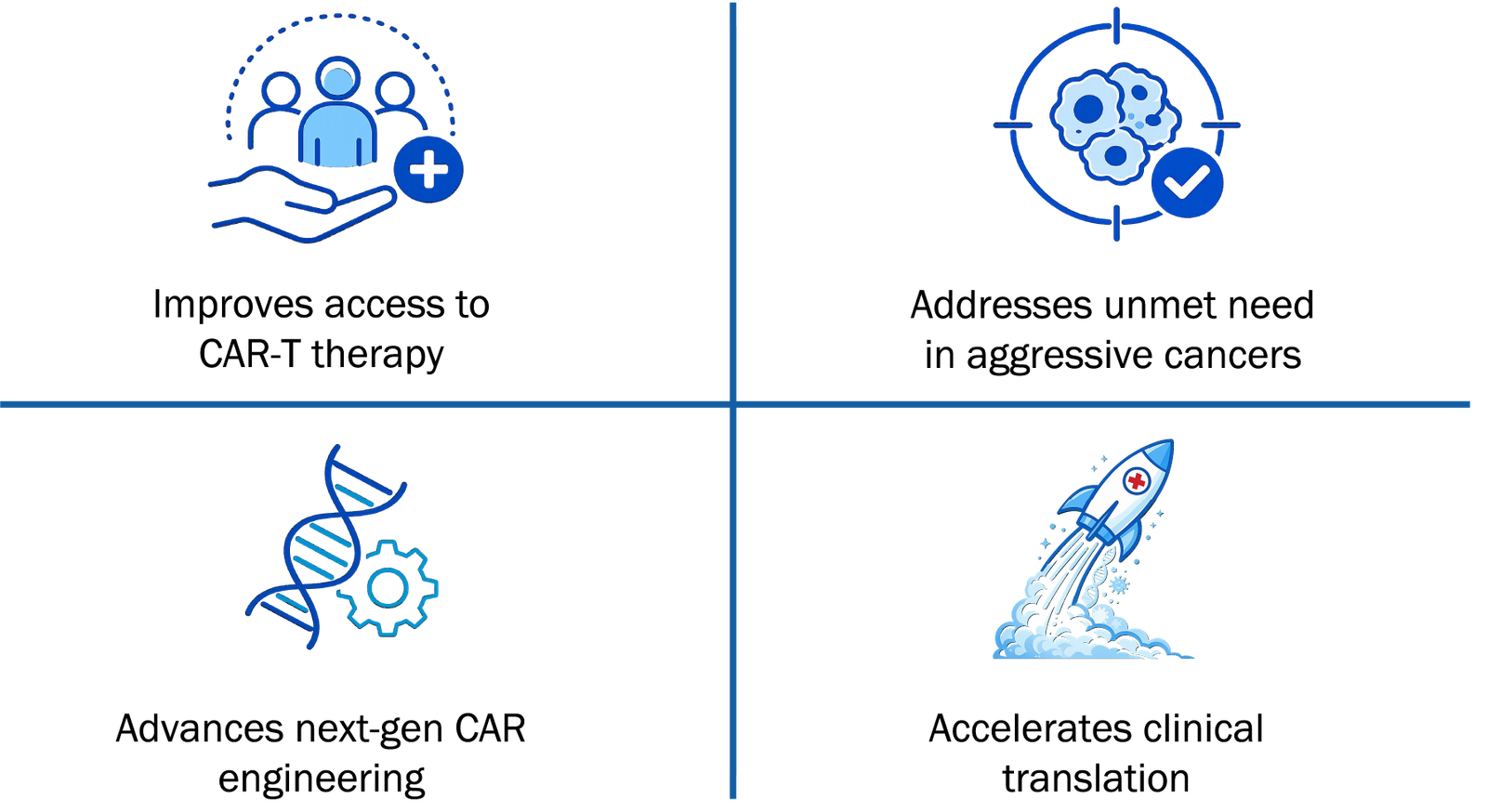
  • Improves access to CAR-T therapy: Reduces logistical, time, and cost barriers associated with personalized autologous CAR-T manufacturing.
  • Addresses an unmet clinical need: Targets aggressive T-cell cancers with extremely poor prognosis and limited therapeutic options.
  • Advances next-generation CAR engineering: Overcomes fratricide challenges, opening the door for CAR-T development against additional T-cell diseases.
  • Accelerates clinical translation: FDA breakthrough therapy designation may shorten development timelines and speed patient access to innovative immunotherapies.

Reference: U.S. FDA grants to Wugen’s WU-CART-007 breakthrough therapy designation for treatment of relapsed or refractory T cell acute lymphoblastic leukemia/T cell lymphoblastic lymphoma. News release. Wugen. January 21, 2026.

Novel Blood Biomarker Panel Enables Early Detection of Pancreatic Ductal Adenocarcinoma (PDAC)

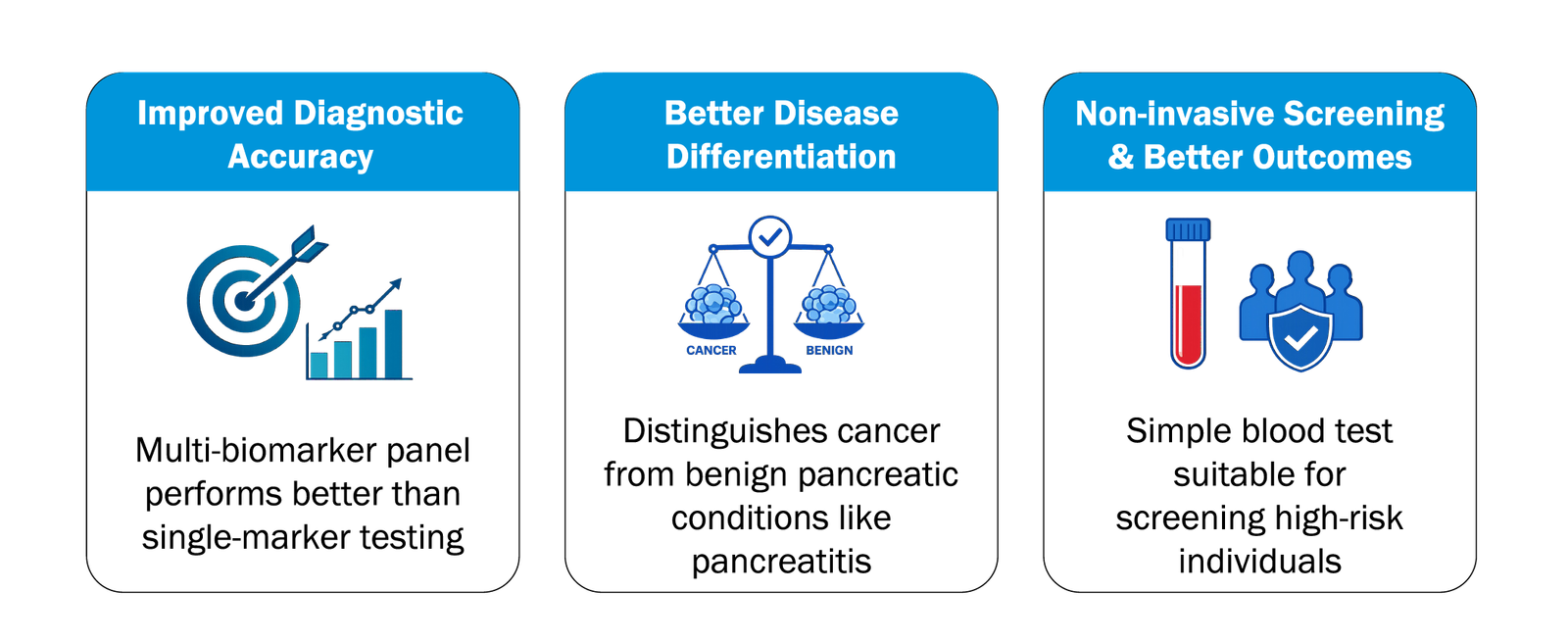
Pancreatic ductal adenocarcinoma (PDAC), the most common form of pancreatic cancer, has poor survival largely due to late diagnosis and lack of effective screening tools. Researchers developed a new blood-based biomarker panel combining established markers (CA19-9, THBS2) with two newly identified proteins-aminopeptidase N (ANPEP) and polymeric immunoglobulin receptor (PIGR). In a study of 672 participants (patients with PDAC, healthy controls, and individuals with pancreatic diseases), the combined test distinguished cancer from noncancer cases with 91.9% accuracy overall and detected 87.5% of early-stage (stage I/II) cancers. Importantly, the assay differentiated PDAC from conditions such as pancreatitis. Further validation in larger cohorts is required before clinical adoption.
Multi-Biomarker Blood Test for Early Detection of Pancreatic Cancer (PDAC)
Clinical Implications
  • Early detection: Identifies PDAC at stage I/II, improving eligibility for curative treatment.
  • Improved diagnostic accuracy: Multi-biomarker panel performs better than single-marker testing.
  • Better disease differentiation: Distinguishes cancer from benign pancreatic conditions like pancreatitis.
  • Screening potential: Suitable for monitoring high-risk individuals using a simple blood test.
Why It Matters
  • Addresses unmet need: PDAC lacks effective early screening tools.
  • Non-invasive testing: Supports adoption of blood-based diagnostics in routine care.
  • Survival impact: Earlier diagnosis can substantially improve patient outcomes.
  • Healthcare benefit: May reduce delayed diagnoses and unnecessary procedures.

Reference: Krusen et al. Clin Cancer Res (2026)

At SunAct, we remain dedicated to tracking and sharing global advances that continue to redefine the landscape of cellular therapy and oncology. Stay tuned for our next edition as we uncover more breakthroughs and emerging trends shaping the future of cancer research.

Disclaimer: This newsletter is intended for healthcare professionals and researchers. Information is for educational purposes only.
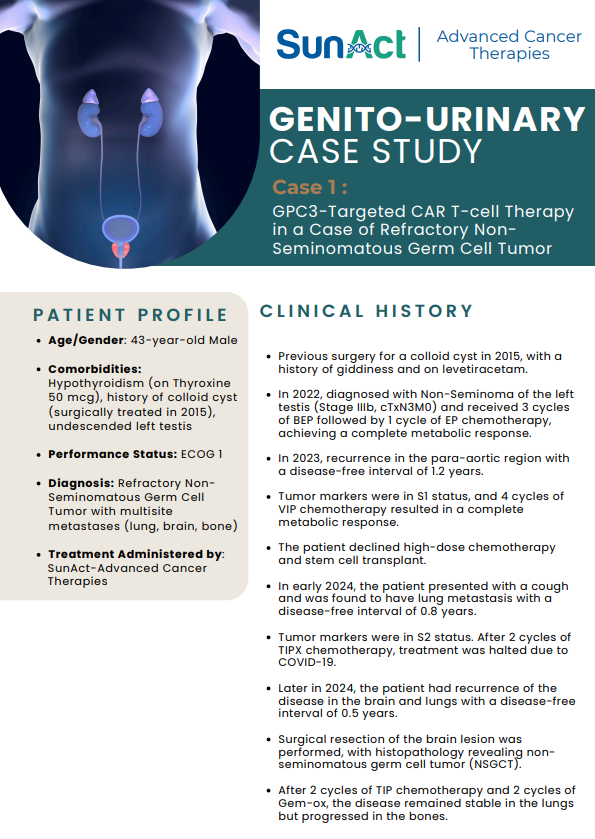
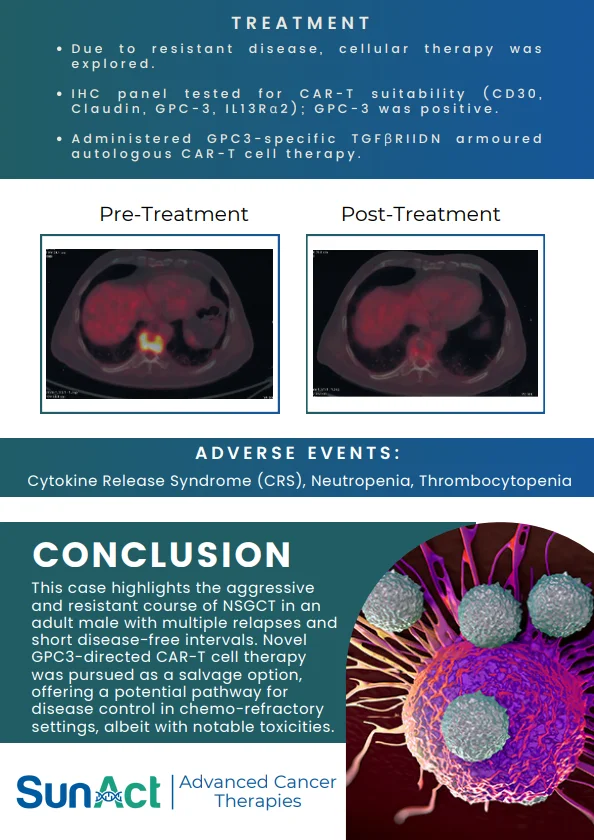
SunAct genitourinary cancer case study on GPC3-targeted CAR T therapy for refractory non-seminomatous germ cell tumor
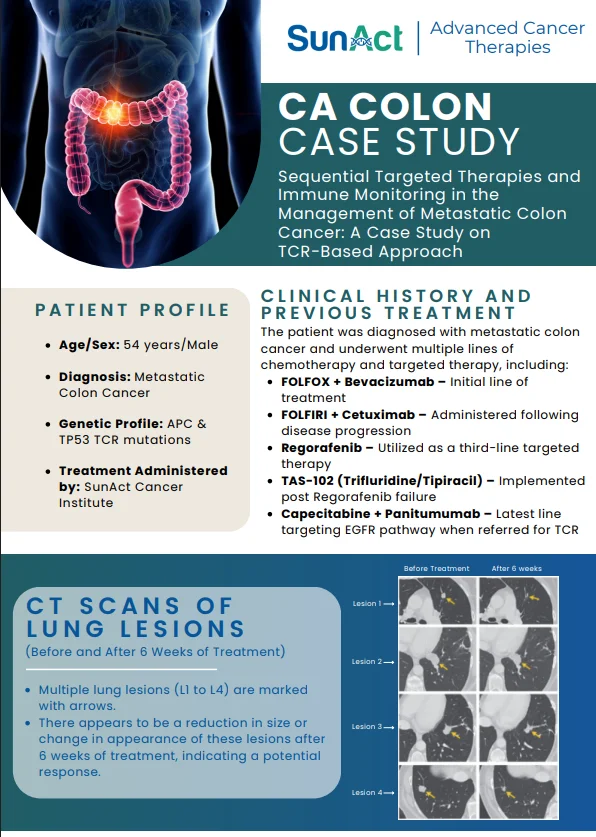
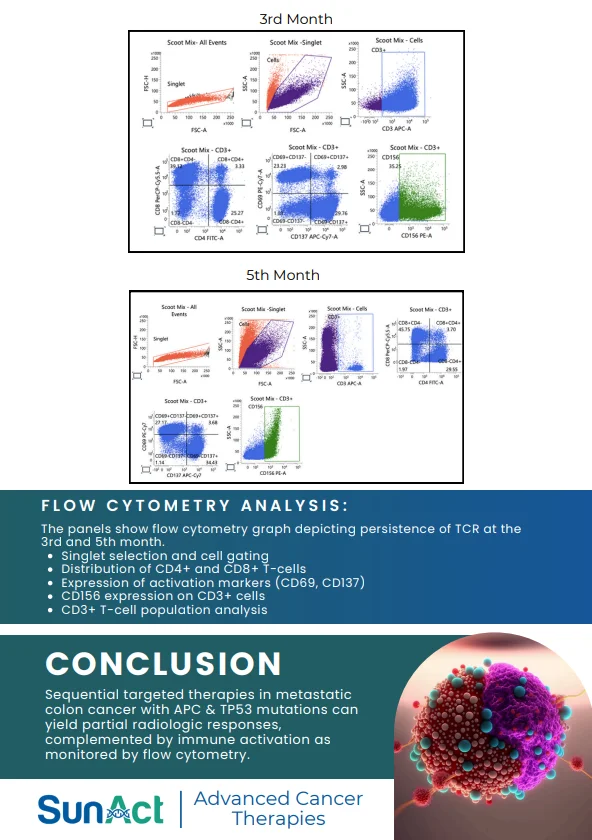
SunAct colon cancer case study highlighting TCR-based approach in metastatic colon cancer with lung lesions
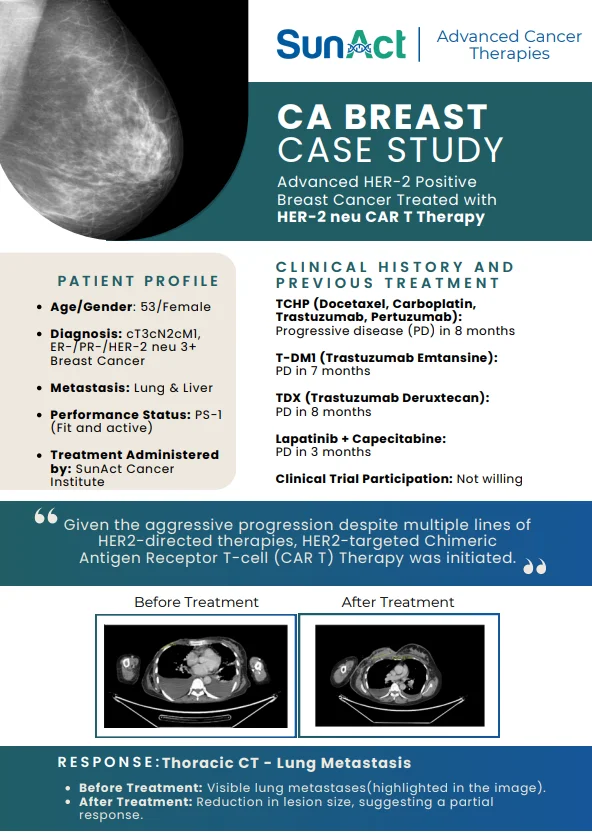
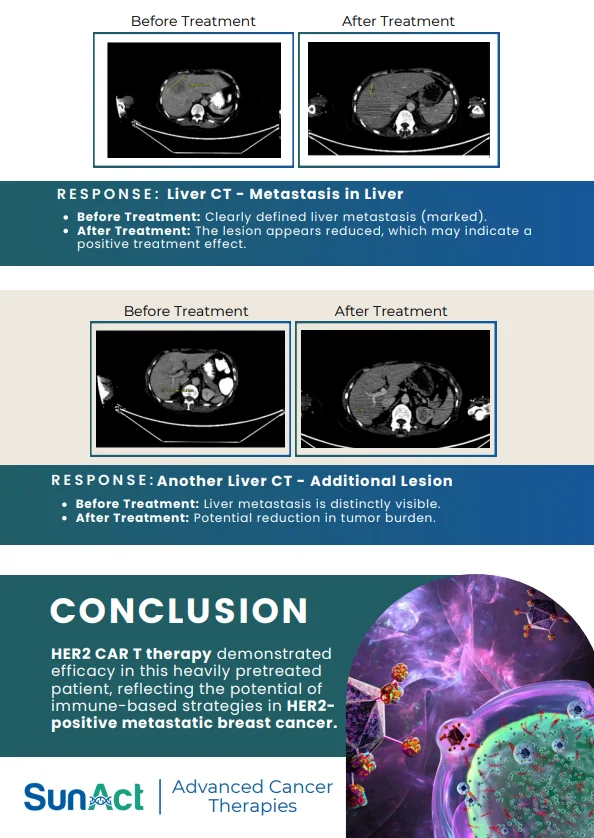
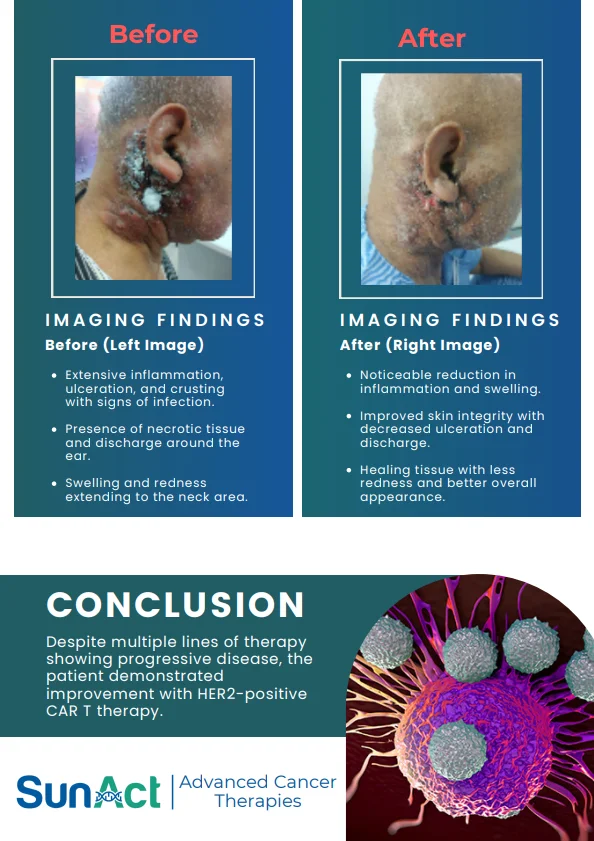
SunAct breast cancer case study showcasing HER2-positive treatment with CAR T-cell therapy
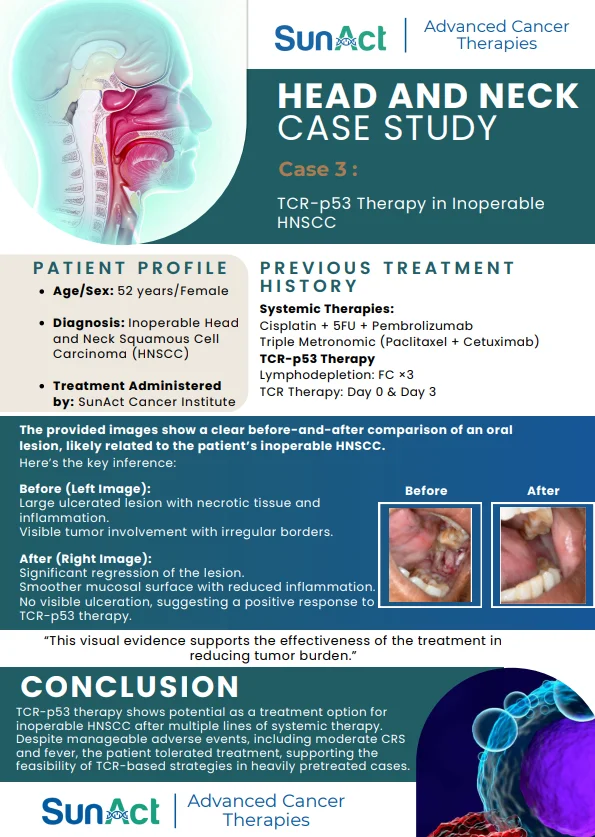
SunAct head and neck cancer case study using TCR-p53 therapy in inoperable squamous cell carcinoma
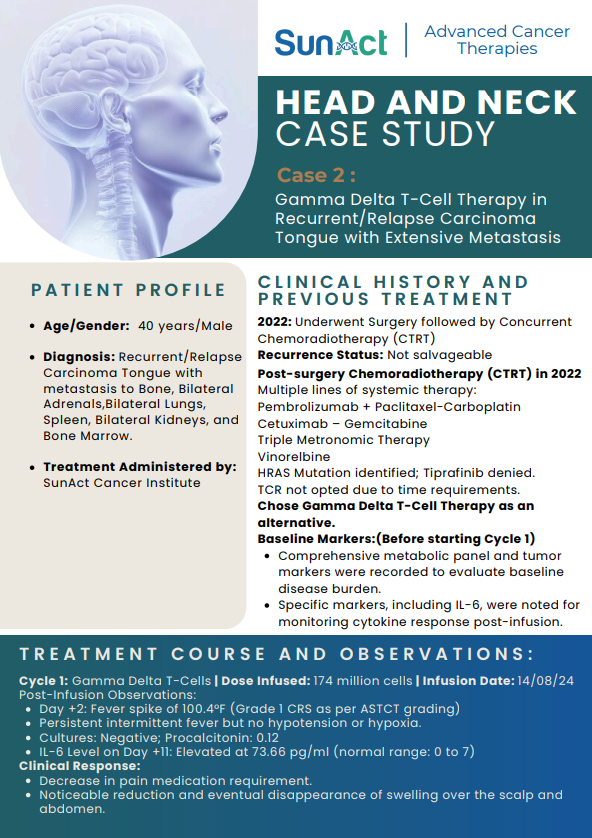
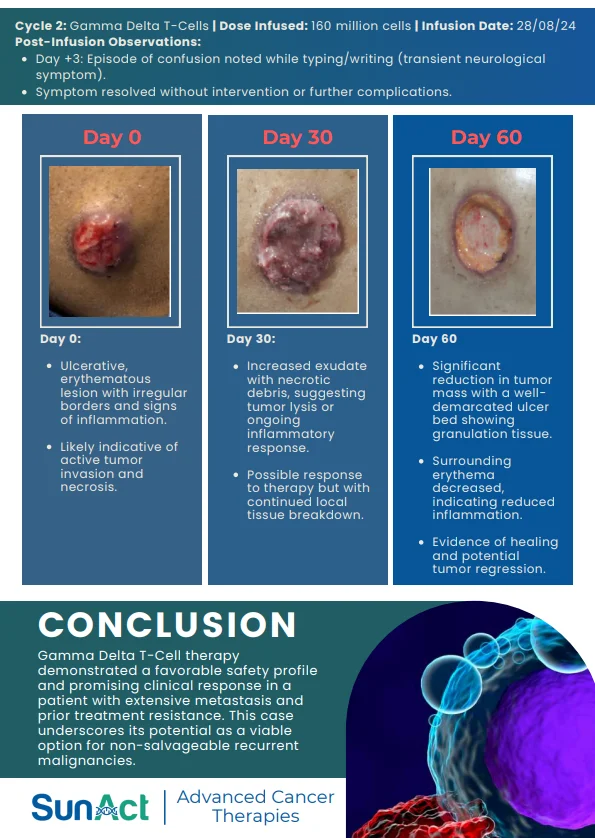
SunAct case study featuring gamma delta T-cell therapy for recurrent tongue carcinoma with extensive metastasis
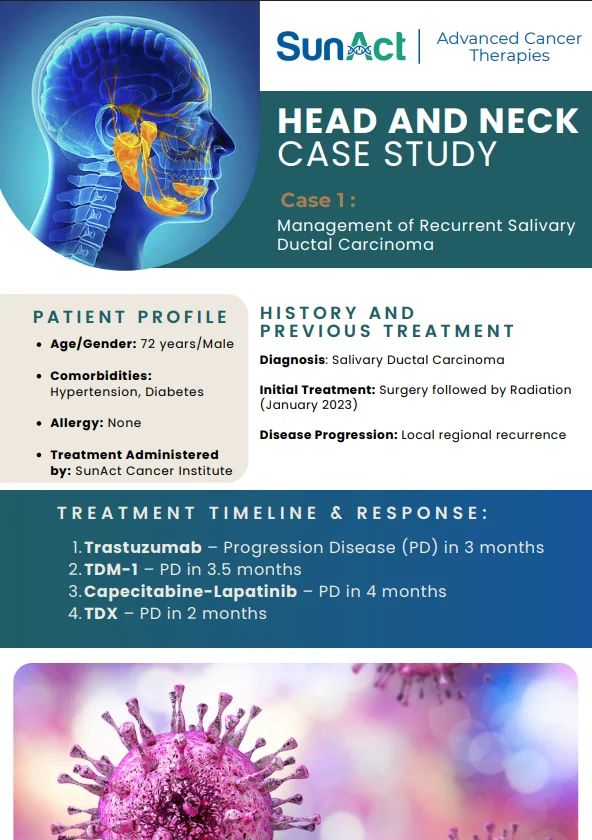
SunAct head and neck cancer case study on salivary ductal carcinoma managed with advanced therapies
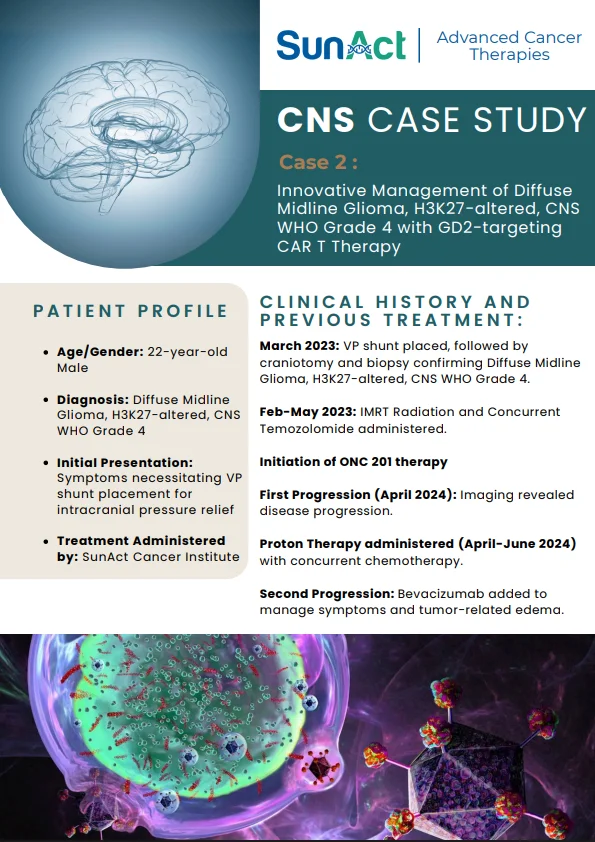
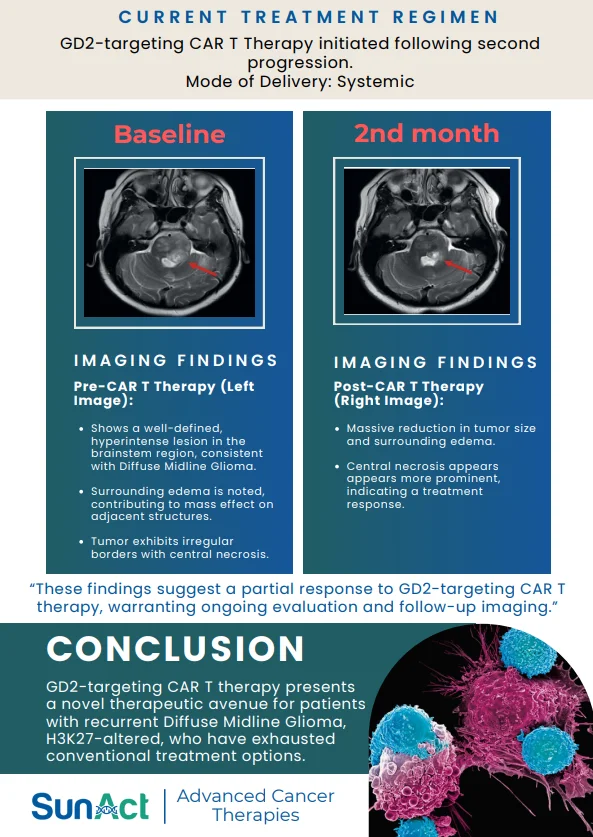
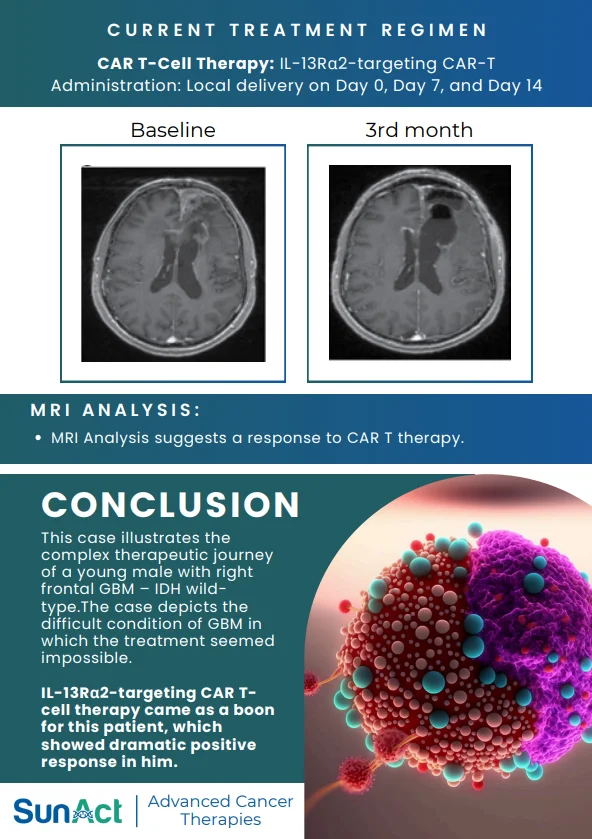
SunAct case study on GD2-targeted CAR T therapy for diffuse midline glioma in a 22-year-old male
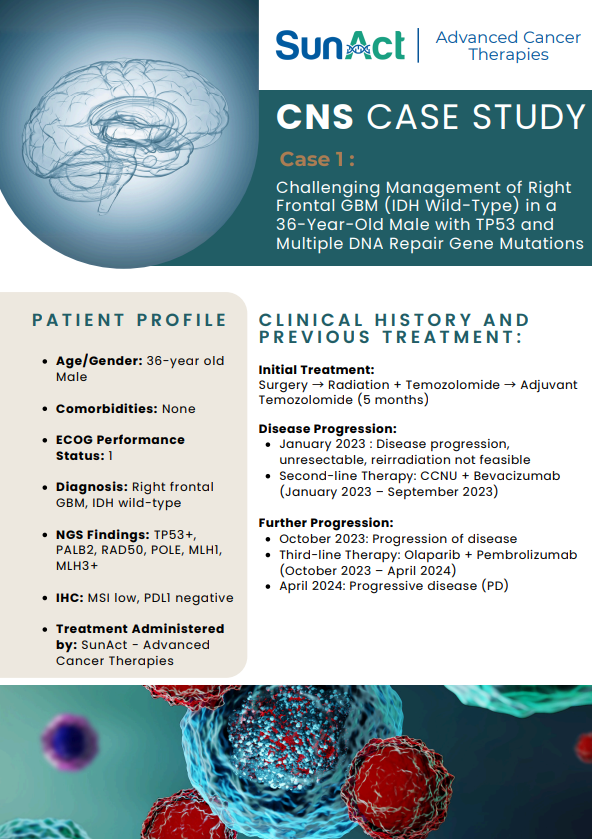
SunAct CNS case study on GBM treatment using multiple gene mutation targeting in a 36-year-old male