
18002022232

18002022232

Volume 2
issue 8

Insights into global breakthroughs in cell-based therapies

MULTI-ANTIGEN T-CELL I KRAS PEPTIDE VACCINE I NON-INVASIVE BIOPSY (OSCC) I AFAMI-CEL APPROVAL

Phase I Trial Demonstrates Safety and Early Clinical Activity of Multi-Antigen T-Cell Therapy in Pediatric CNS Tumors

The Phase I ReMIND trial (NCT03652545) demonstrated the safety and
feasibility of autologous, non-engineered T cells targeting WT1, PRAME,
and survivin in children with high-risk CNS tumours. In this open-label,
dose- escalation study, 51 pediatric patients with newly diagnosed
DIPG or relapsed/recurrent non-brainstem CNS tumours received
repeated IV infusions (MTD: 8 × 10⁷ cells/m²). Treatment was generally
well tolerated, with fatigue and headache as the most common adverse
events; two patients developed treatment-related tumour swelling, and
one Grade 5 dose-limiting toxicity occurred. Median overall survival was
13.7 months in DIPG, with durable disease-free survival observed in
three patients, including one complete response.

Clinical Implications
  • Demonstrates the feasibility and safety of multi-antigen-targeting,
    non-genetically engineered T-cell therapy for pediatric CNS tumours.
  • Simultaneous targeting of WT1, PRAME, and survivin may reduce the
    risk of tumour antigen escape, a common mechanism of treatment
    resistance.
  • Provides evidence that systemically administered antigen-specific
    T cells can persist in-vivo and generate durable immune responses
    without genetic engineering.
  • Establishes an optimal dose for future clinical studies and supports
    further evaluation in larger efficacy trial
Mutant KRAS Peptide Vaccine Combined with Dual Checkpoint Blockade Shows Promising Immune Responses in MSS Metastatic Colorectal Cancer

A Phase I, single-arm clinical trial (NCT04117087) evaluated mKRAS-VAX, apooled peptide vaccine targeting six common KRAS mutations, in combinationwith the dual immune checkpoint inhibitors nivolumab and ipilimumab in13 patients with previously treated mismatch repair-proficient/microsatellitestable (MMRp/MSS) metastatic colorectal cancer (mCRC). MSS colorectal canceris largely unresponsive to immune checkpoint inhibitors alone, making it achallenging disease to treat with immunotherapy. The study met its primaryendpoints of safety and immunogenicity, with all vaccine-related adverse eventslimited to Grade 1–2, and no increase in severe immune-related toxicities beyondthose expected with dual checkpoint blockade. The vaccine induced KRASspecific T-cell responses in 75% (8/12) of biomarker-evaluable patients bydirect ex-vivo IFN-γ ELISpot and in 100% of patients following in-vitro expansion,demonstrating robust activation of mutation-specific antitumor immunity.

Clinical Implications
  • mKRAS-VAX was safe and induced robust KRAS-specific T-cell
    responses when combined with nivolumab and ipilimumab in
    MMRp/MSS metastatic colorectal cancer.
  • The study provides proof-of-concept that personalized
    neoantigen vaccines can overcome the poor immunogenicity
    of MSS colorectal cancer.
  • Combining therapeutic cancer vaccines with checkpoint
    inhibitors enhances T-cell responses against KRAS mutations.
  • The findings establish a foundation for combining KRAS vaccines with TCR-T, CAR-T, and bispecific T-cell engagers.
Non-Invasive Brush Biopsy Test Enables Accurate Molecular Detection of Oral Squamous Cell Carcinoma

Researchers developed qMIDSV3, a rapid, non-invasive brush biopsybased molecular assay for detecting oral squamous cell carcinoma(OSCC). Using a four-gene mRNA panel (INHBA, S100A16, YAP1, andPOLR2A), it generates a molecular malignancy index to distinguish OSCCfrom oral potentially malignant disorders, with results available within1 hour. In a prospective study of 1,090 brush biopsy samples from545 patients, qMIDSV3 demonstrated excellent diagnostic performance,differentiating OSCC from oral leukoplakia and oral lichen planus with anAUC of 0.975, 95.7% sensitivity, 95.1% specificity, 95.5% accuracy,and low false-positive (4.9%) and false-negative (4.3%) rates.

Clinical Implications
  • Validates qMIDSV3 as a rapid, non-invasive molecular test for early
    OSCC detection.
    Delivers results within 1 hour, enabling timely clinical decision-making
    and triage.
  • Accurately stratifies the malignancy risk of oral potentially malignant
    disorders for earlier intervention.
  • Supports point-of-care use through room-temperature sample stability
    and non-invasive brush biopsy.
  • May reduce unnecessary scalpel biopsies in >90% of low-risk OPMD
    patients, lowering patient morbidity and healthcare burden.
FDA Grants Full Approval to Afami-Cel for Advanced Synovial Sarcoma

FDA approved afamitresgene autoleucel (afami-cel), the first TCR-Ttherapy for a solid tumour, for adults with unresectable or metastaticMAGE-A4-positive, HLA-A*02-positive synovial sarcoma following priorchemotherapy. Afami-cel is an autologous TCR-T engineered to express ahigh-affinity TCR targeting MAGE-A4 presented by HLA-A*02. In the PhaseII SPEARHEAD-1 trial, it achieved a 43.8% ORR (3.6% CR), median DOR of5.3 months, with 31.9% of responders maintaining responses for ≥24months. The safety profile was consistent with adoptive cell therapies, withmanageable CRS, cytopenias, infections, fatigue, and no new safety signals.

Clinical Implications
  • Becomes the first fully FDA-approved TCR-T cell therapy for a solid tumour.
  • Provides a new treatment option for patients with advanced synovial
    sarcoma, a disease with limited effective therapies after chemotherapy.
  • Clinically validates MAGE-A4 as an actionable intracellular antigen for
    engineered TCR therapies.
  • Demonstrates that TCR-T therapy can achieve durable clinical
    responses in solid tumours, expanding adoptive cell therapy beyond hematologic malignancies.

At SunAct, we remain dedicated to tracking and sharing global advances that continue to redefine the landscape of cellular therapy and oncology. Stay tuned for our next edition as we uncover more breakthroughs and emerging trends shaping the future of cancer research.

Disclaimer: This newsletter is intended for healthcare professionals and researchers. Information is for educational purposes only.
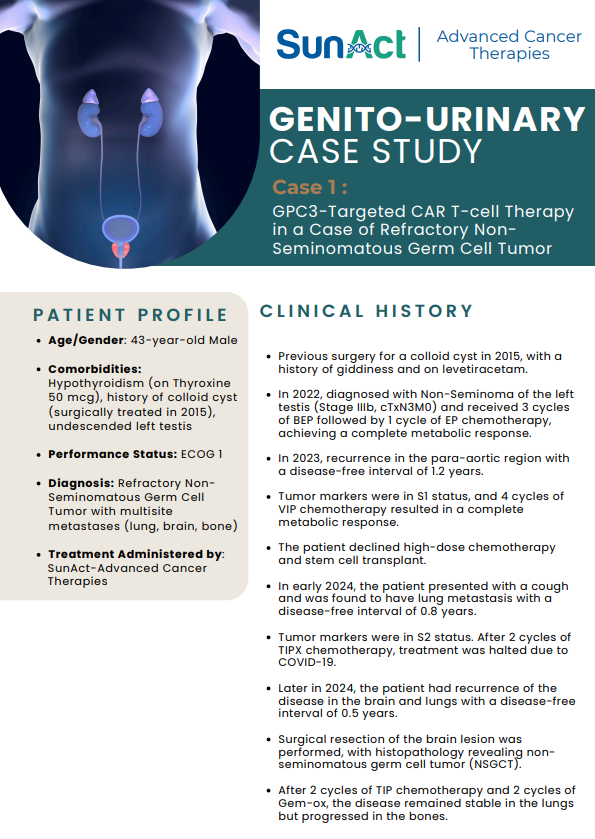
SunAct genitourinary cancer case study on GPC3-targeted CAR T therapy for refractory non-seminomatous germ cell tumor
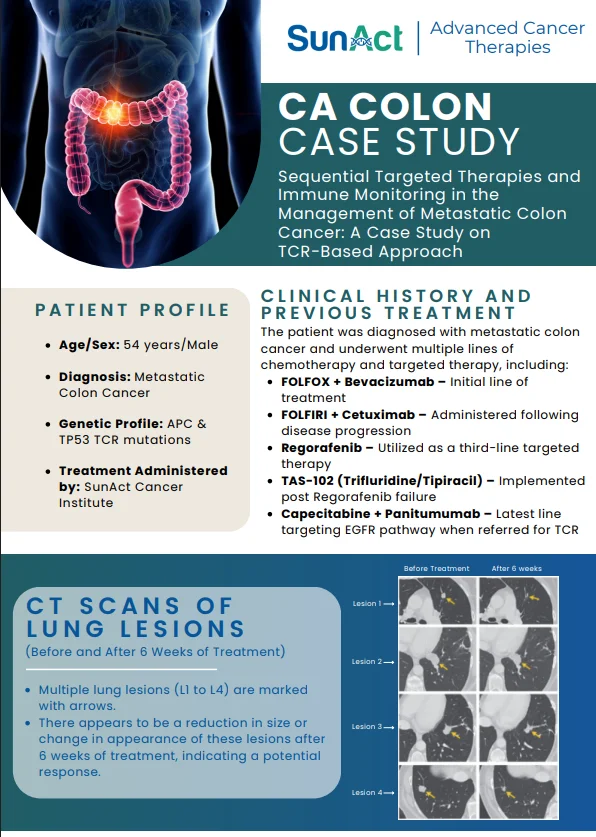
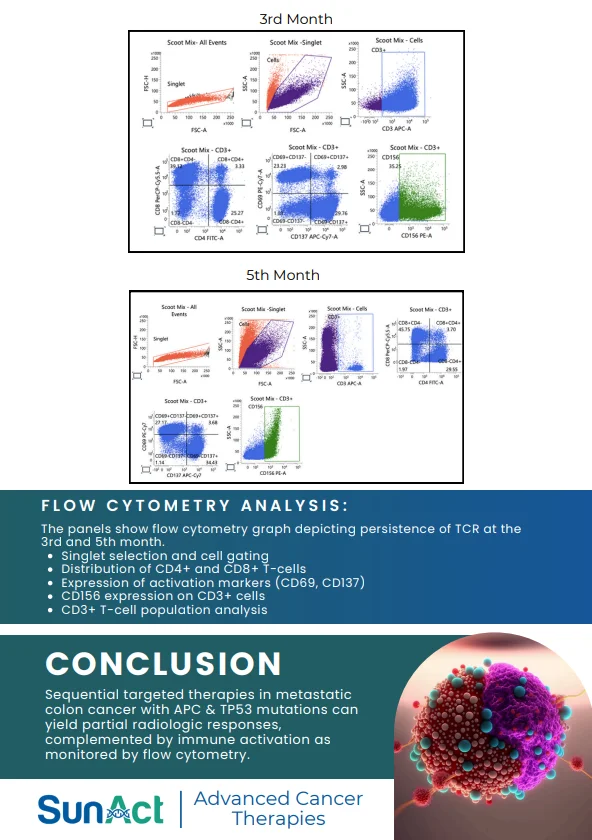
SunAct colon cancer case study highlighting TCR-based approach in metastatic colon cancer with lung lesions
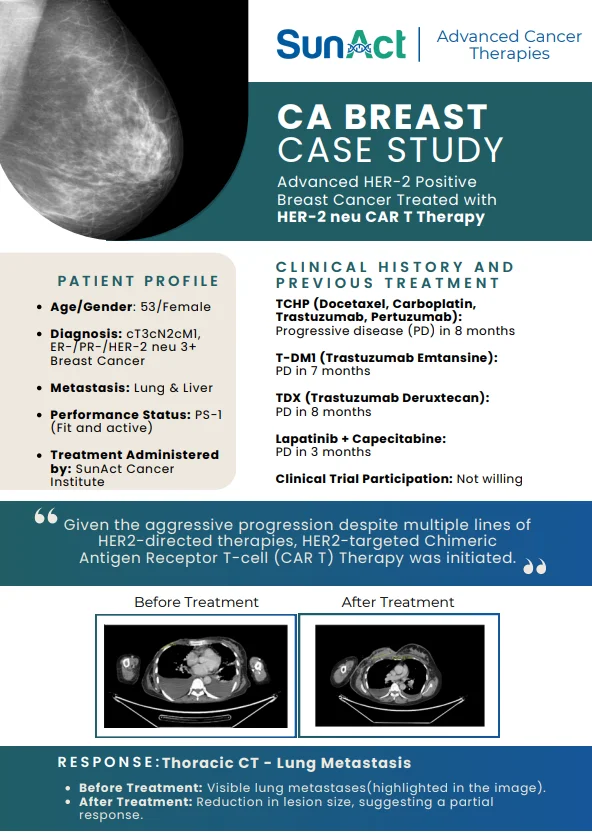
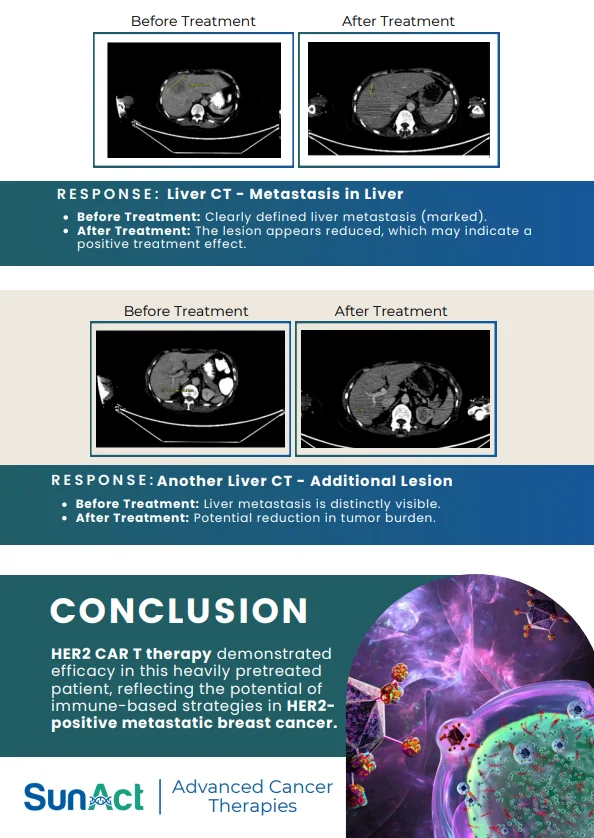
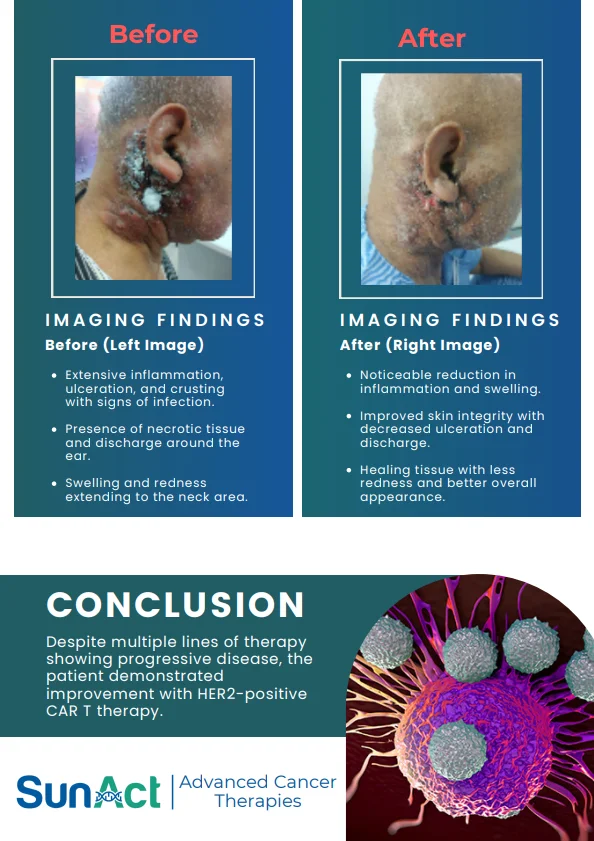
SunAct breast cancer case study showcasing HER2-positive treatment with CAR T-cell therapy
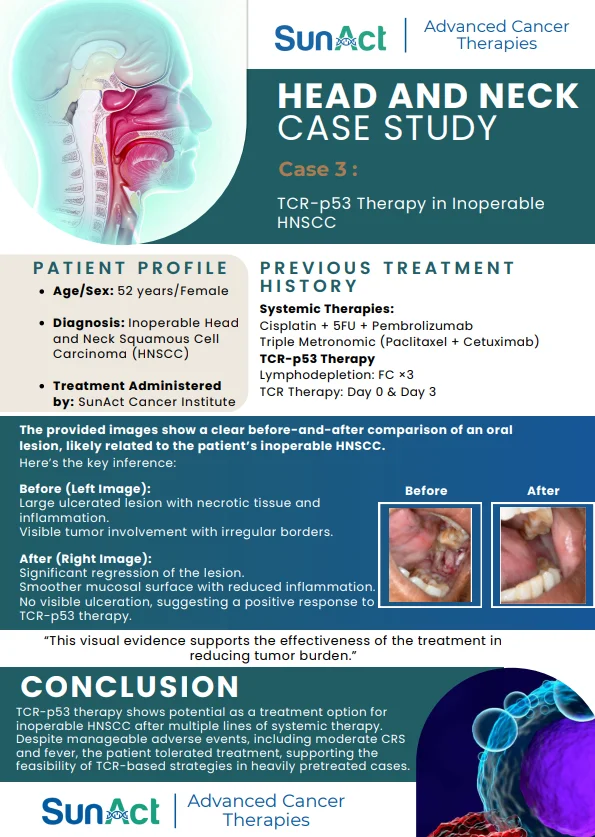
SunAct head and neck cancer case study using TCR-p53 therapy in inoperable squamous cell carcinoma
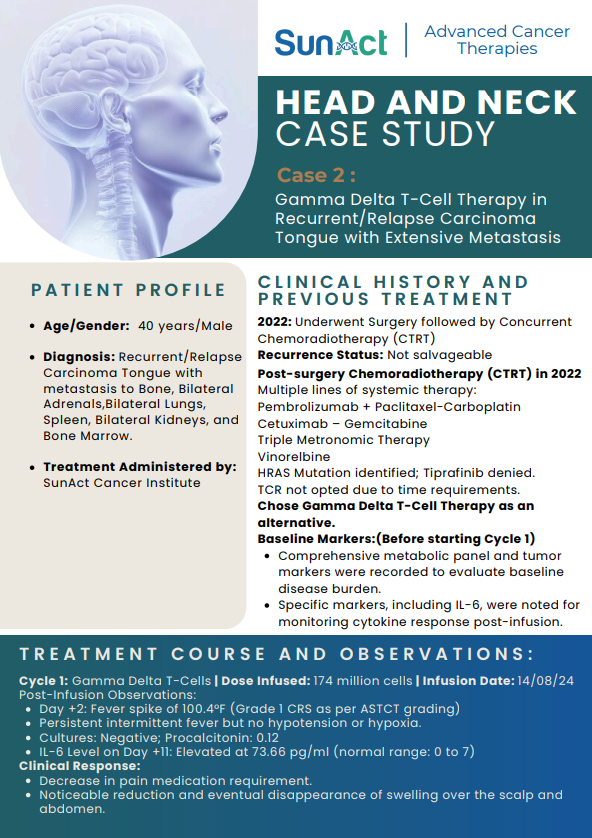
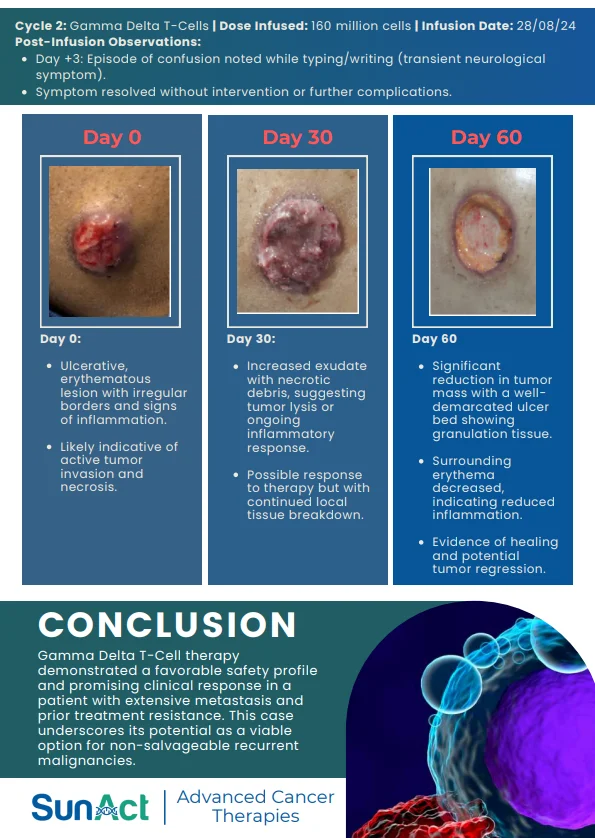
SunAct case study featuring gamma delta T-cell therapy for recurrent tongue carcinoma with extensive metastasis
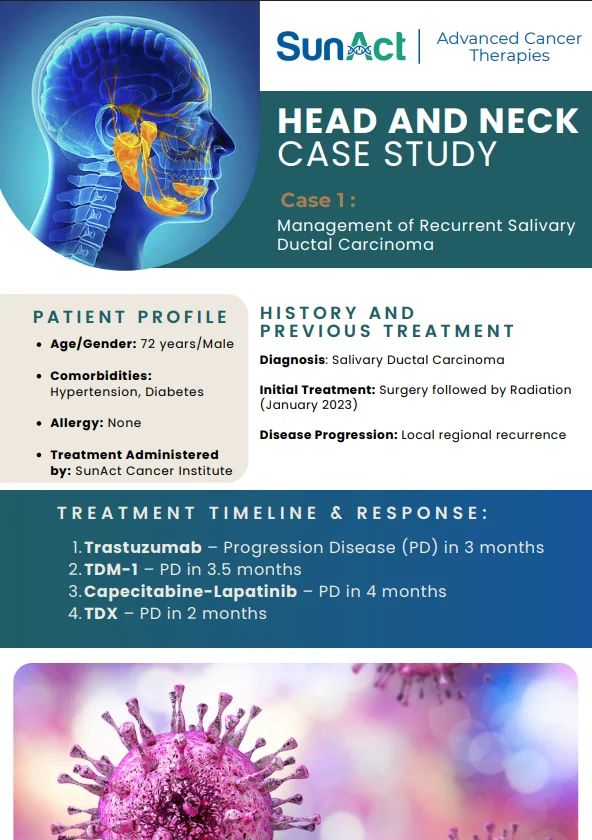
SunAct head and neck cancer case study on salivary ductal carcinoma managed with advanced therapies
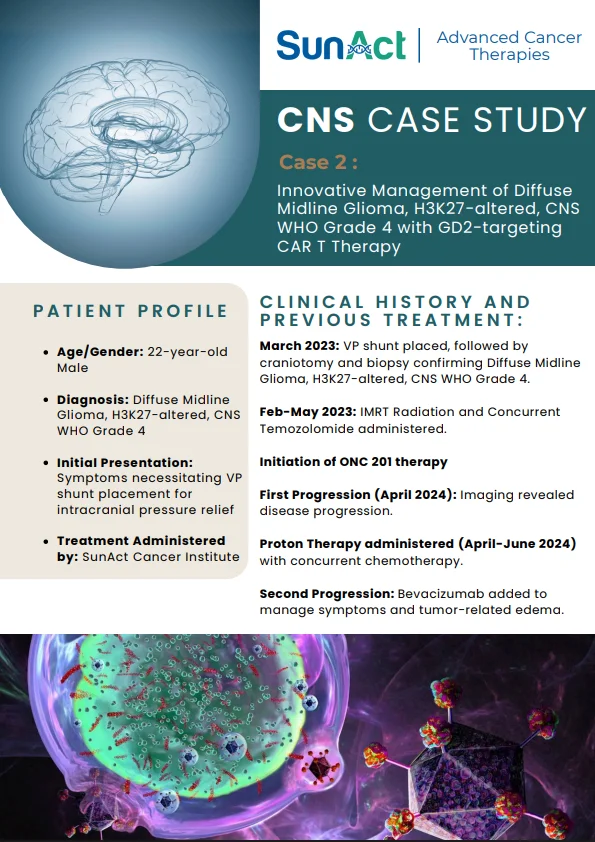
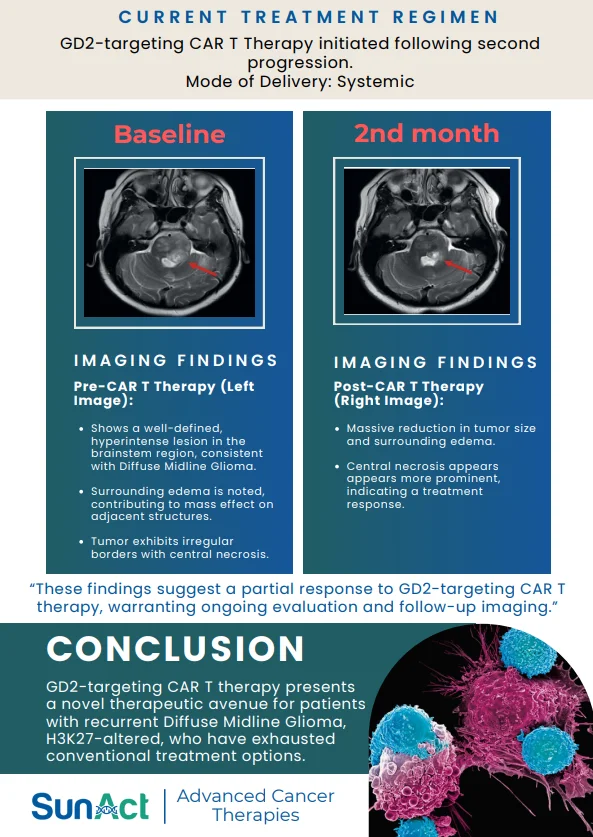
SunAct case study on GD2-targeted CAR T therapy for diffuse midline glioma in a 22-year-old male
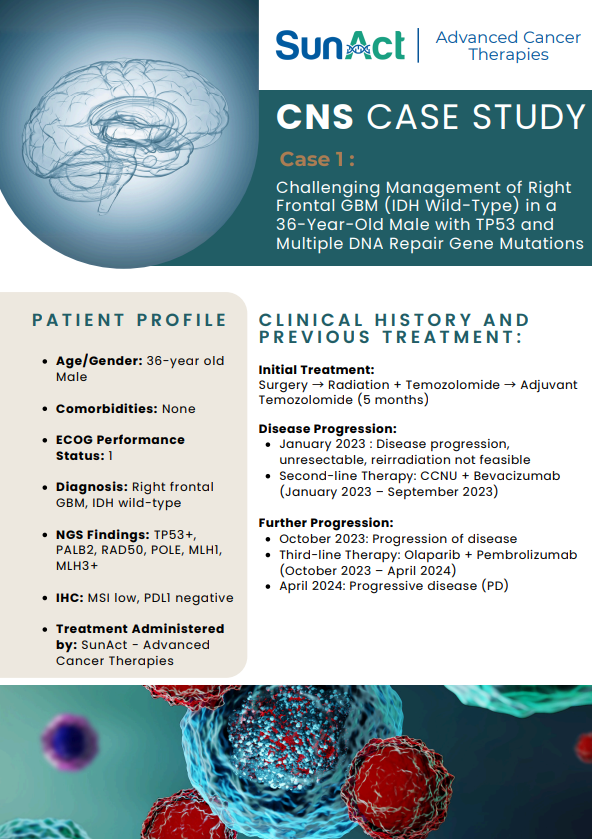
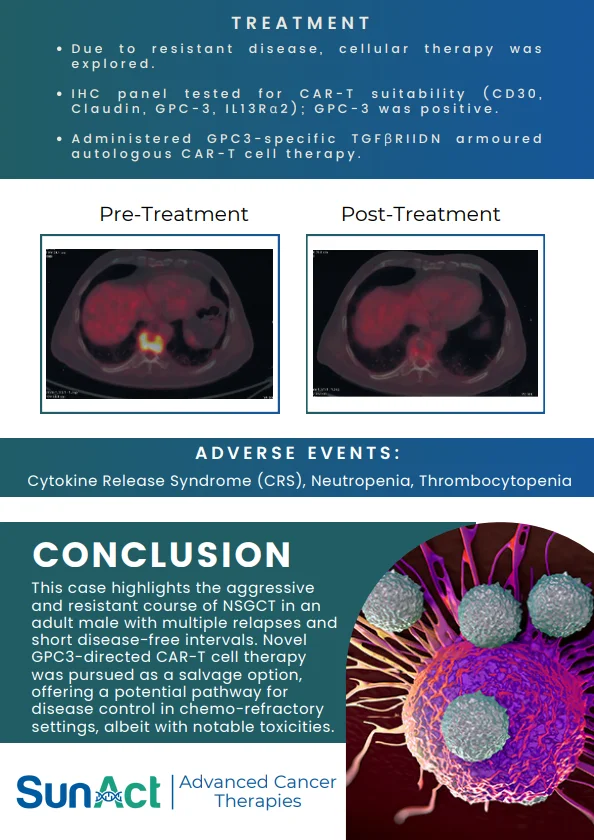
SunAct CNS case study on GBM treatment using multiple gene mutation targeting in a 36-year-old male