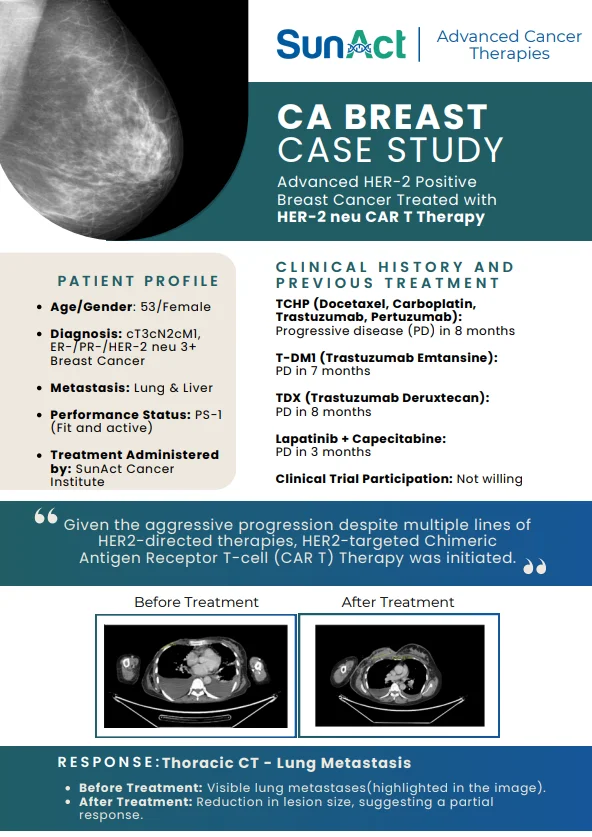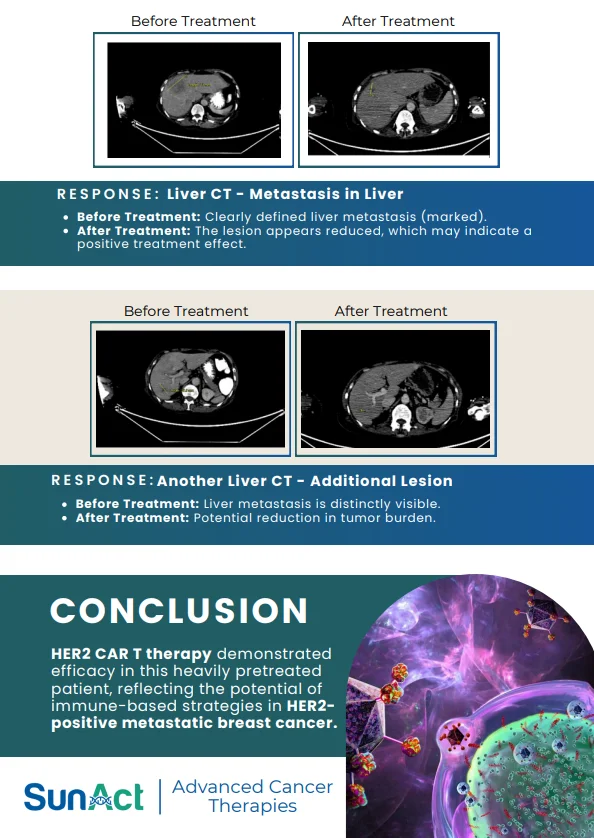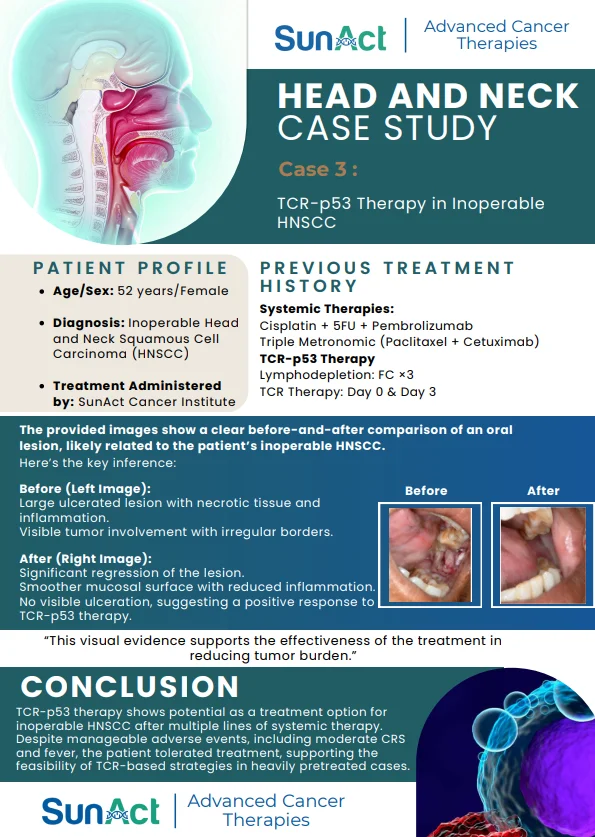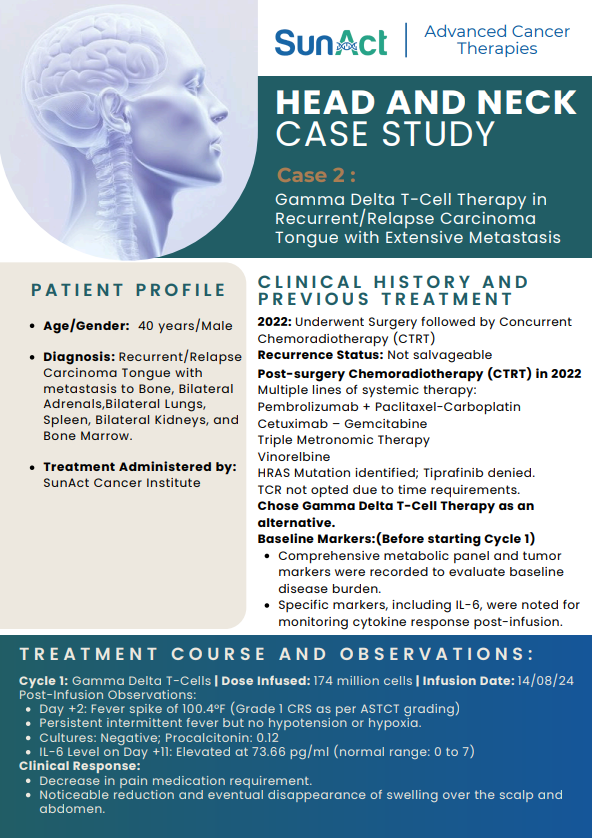

PERSONALIZED CANCER VACCINE | ALLOGENEIC CAR-T | RAS INHIBITOR | BLOOD-BASED CRC SCREENING
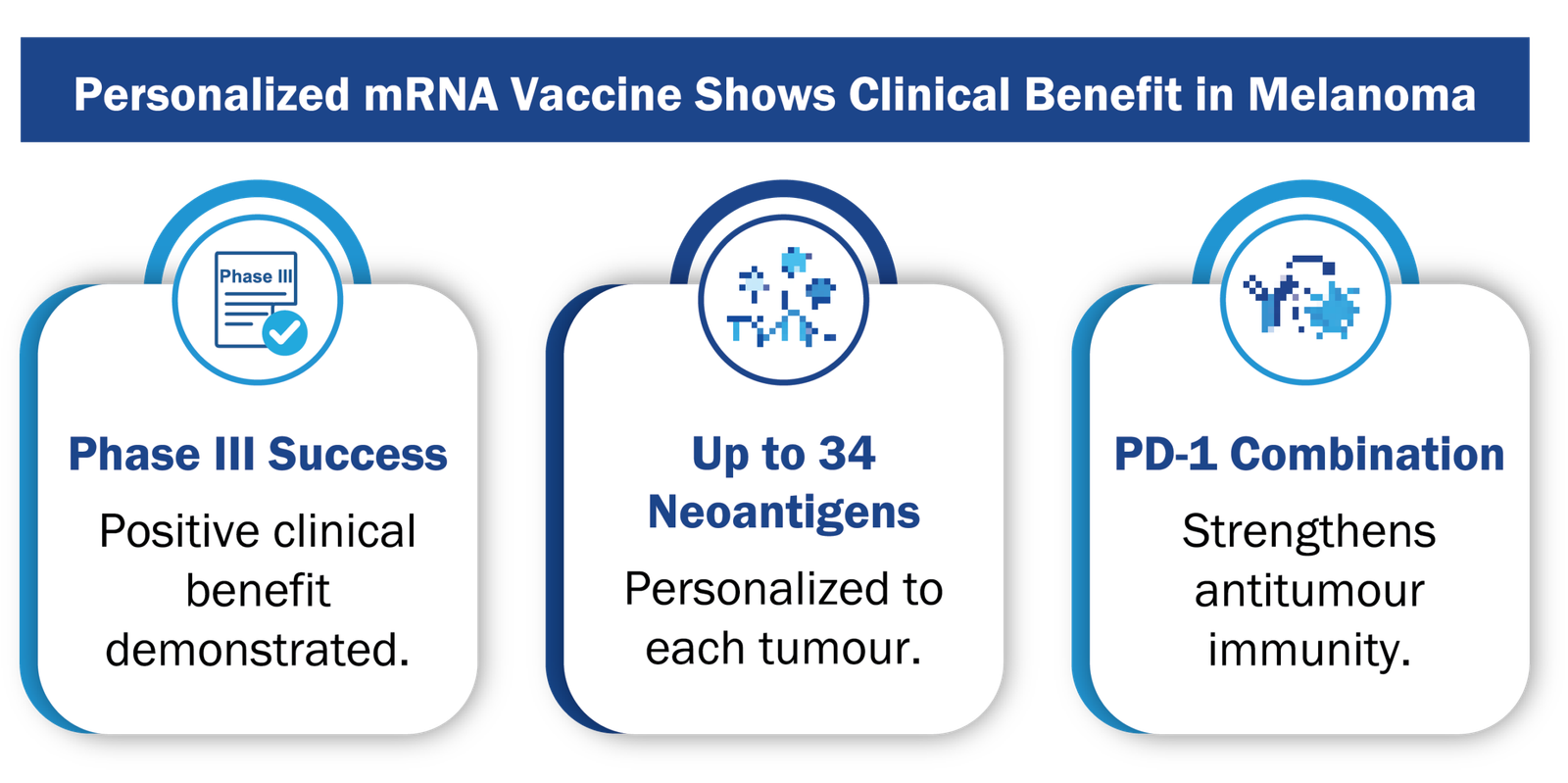
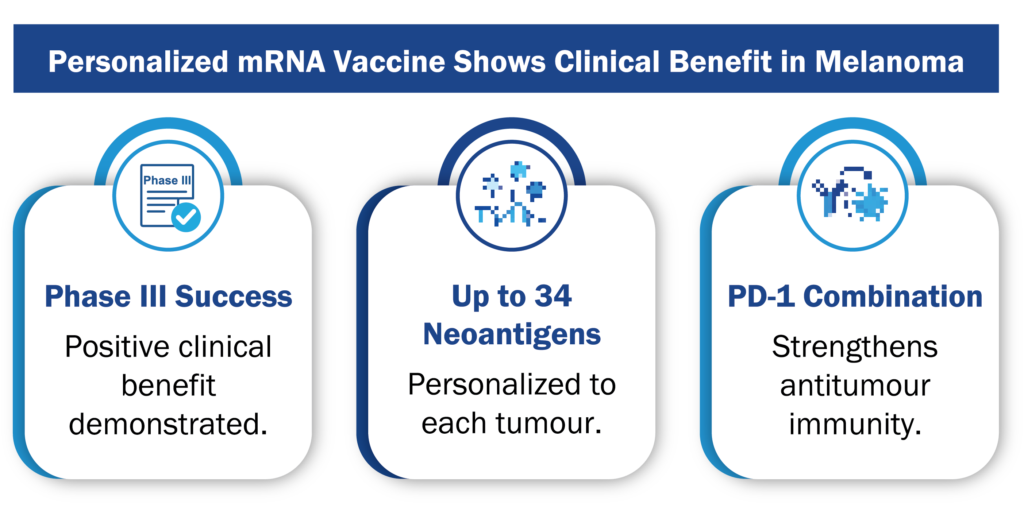
The Phase III INTerpath-001 trial (NCT05933577) demonstrated that intisimeran autogene (V940/mRNA-4157), an individualized mRNA neoantigen therapy, combined with pembrolizumab, improved outcomes compared with pembrolizumab alone in patients with completely resected stage IIB-IV melanoma. The trial enrolled 1,137 patients and met primary endpoint of recurrence-free survival (RFS) and key secondary endpoint of distant metastasis-free survival (DMFS), showing a significant reduction in melanoma recurrence and distant spread.

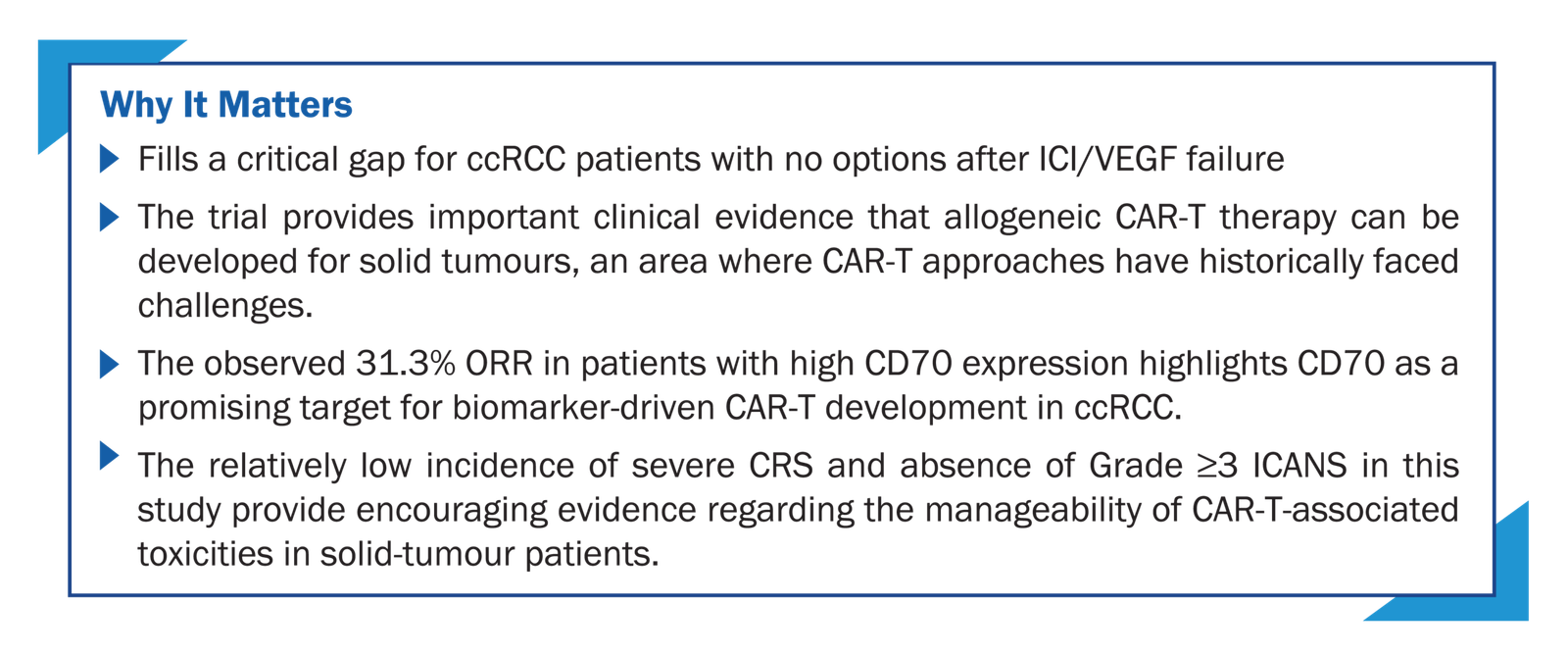
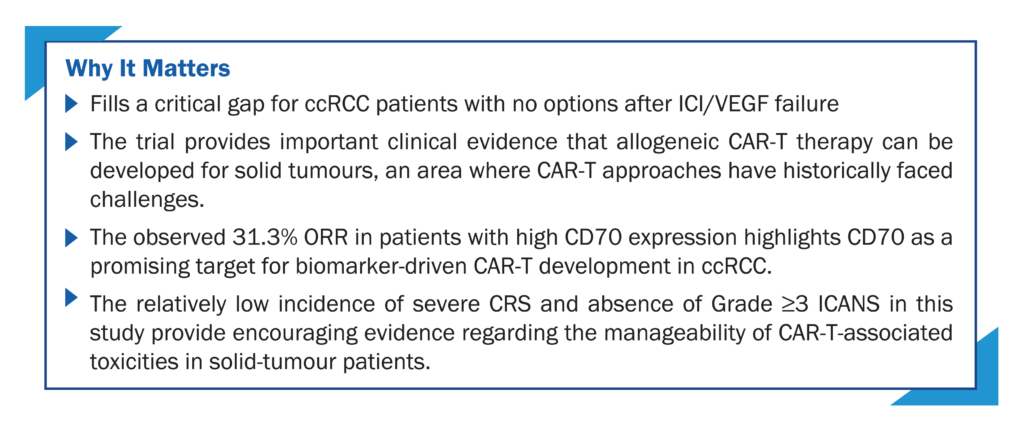
The Phase I a/b TRAVERSE trial (NCT04696731) evaluated ALLO-316, an allogeneic CAR-T cell therapy targeting CD70, in patients with advanced clear cell renal cell carcinoma (ccRCC) who had progressed despite immune checkpoint inhibitors (ICIs) and VEGF receptor-targeted therapies. The study also evaluated an approach designed to reduce immune rejection of the allogeneic CAR-T cells by targeting and eliminating patients’ CD70-positive allo-reactive T cells.
In this study 51 heavily pre-treated patients received lymphodepletion followed by ALLO-316. Phase Ib tested varying doses and FC-based lymphodepletion with or without anti-CD52 antibody ALLO-647. Phase Ib used FC lymphodepletion plus 80×10⁶ CAR-T cells. After 28.8 months’ median follow-up, dose-limiting toxicities occurred in 2.0%, with no Grade ≥3 ICANS. Grade ≥3 hematologic toxicities were most common (neutropenia 62%, low WBC 54%, anemia 36%). ORR was 17.4% overall, rising to 25.0% in Phase Ib and 31.3% among Phase Ib patients with CD70 tumor proportion score ≥50%.

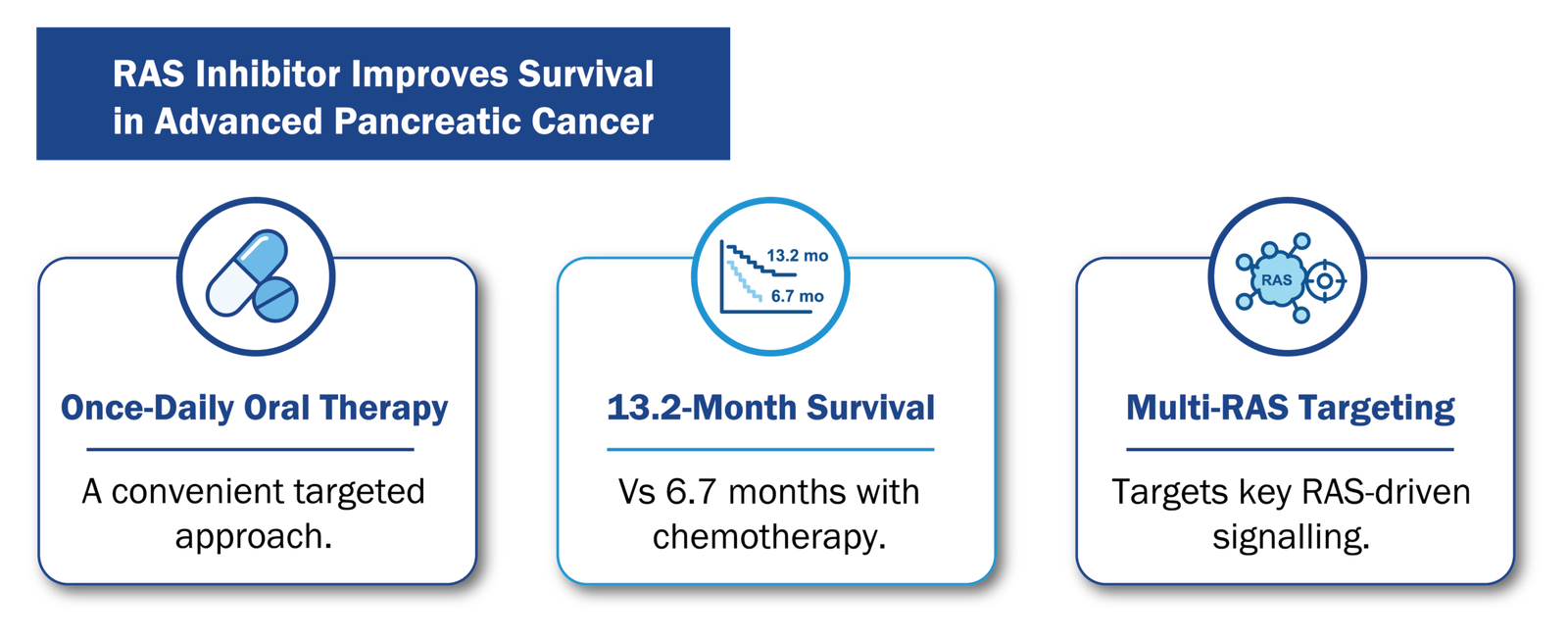
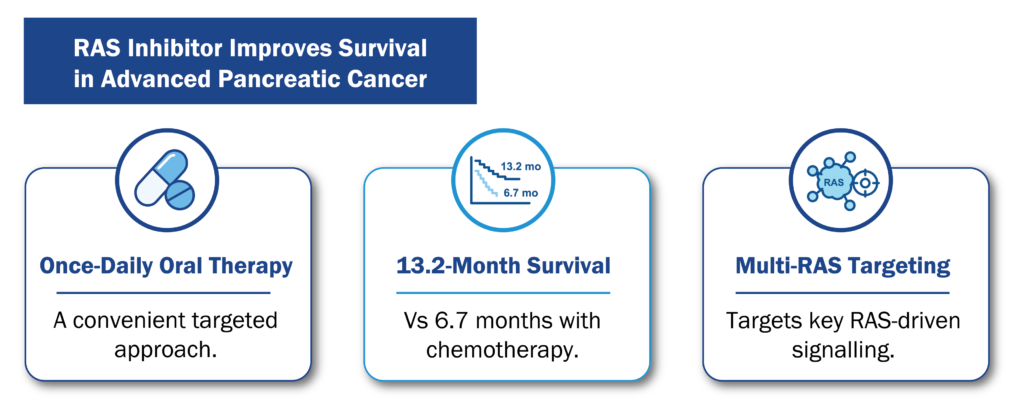
The U.S. Food and Drug Administration (FDA) approved Rasonque (daraxonrasib), a once-daily oral RAS inhibitor, for adults with metastatic pancreatic adenocarcinoma who have received at least one prior systemic therapy or are not candidates for multiagent systemic therapy. The approval provides a new targeted treatment option for one of the most aggressive and difficult-to-treat cancers. In a randomized, open-label, multicenter clinical trial involving 500 patients with previously treated metastatic pancreatic adenocarcinoma, Rasonque improved median overall survival to 13.2 months compared with 6.7 months with standard chemotherapy.
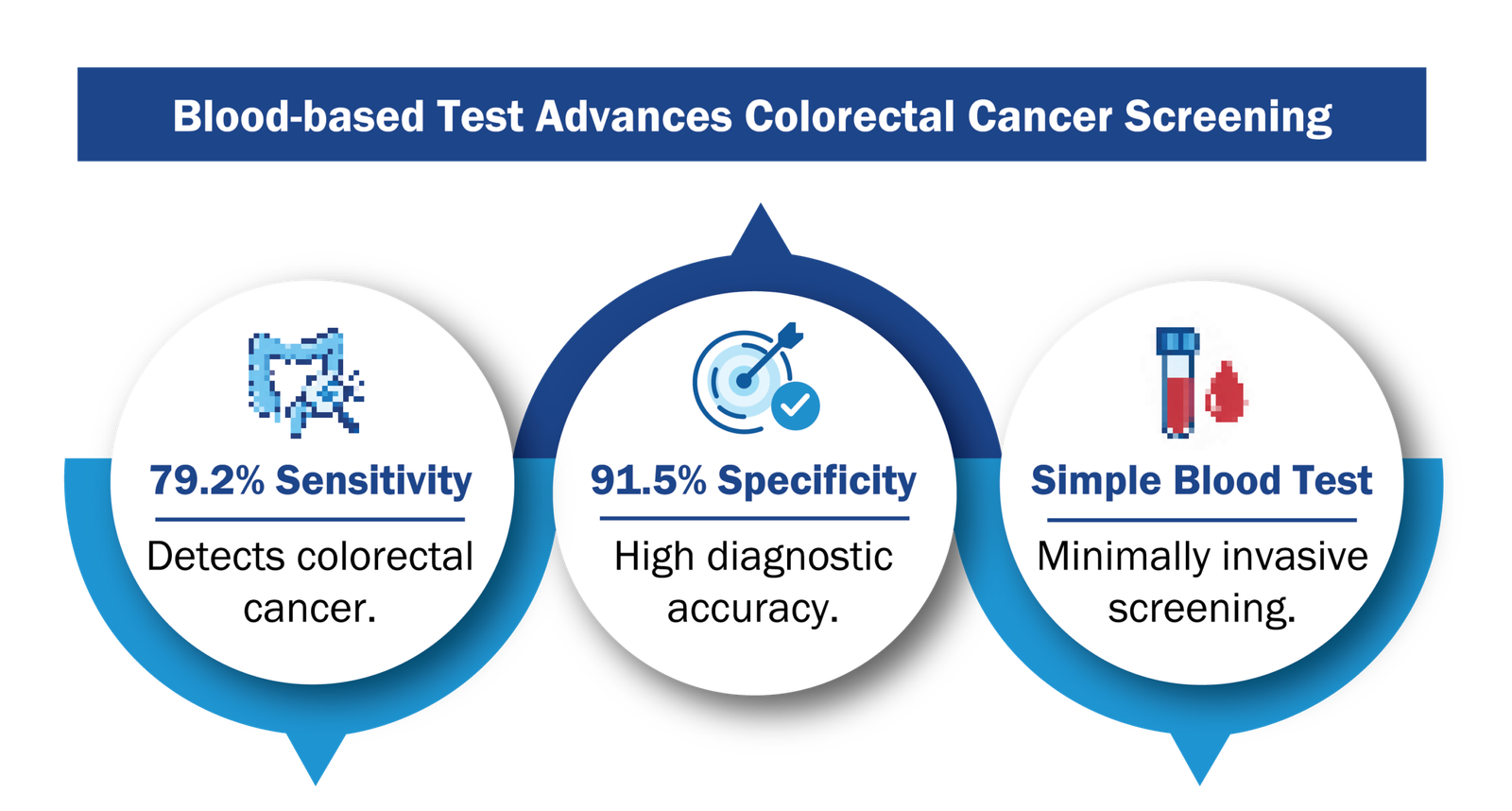
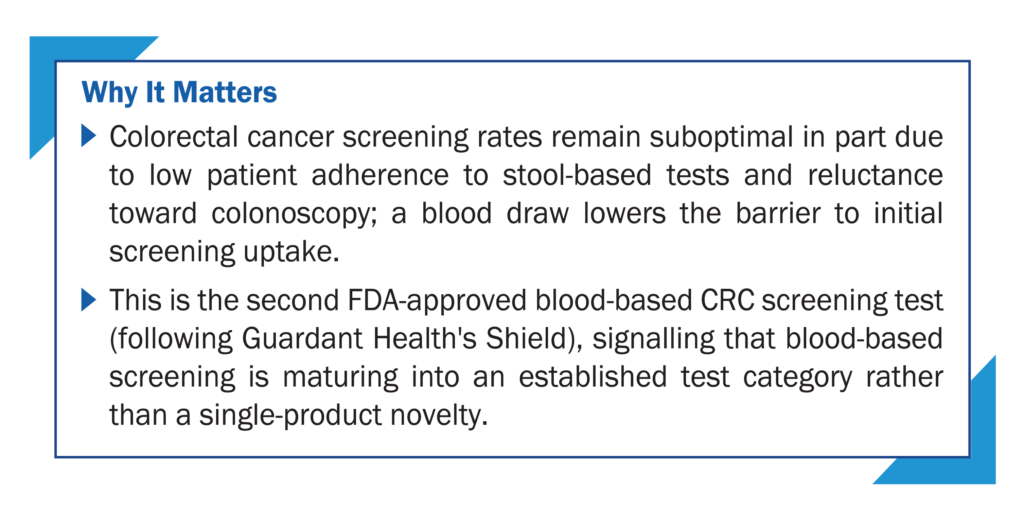
The FDA approved SimpleScreen CRC, a blood-based colorectal cancer screening test, making the second FDA-approved blood-based screening test for colorectal cancer. The Premarket Approval (PMA) indication applies to average-risk adults aged 45 and older who have been referred for screening by a healthcare professional; a positive result must be followed by diagnostic colonoscopy. Approval was based on the PREEMPT CRC study, a prospective, multi-centre trial that enrolled 48,995 asymptomatic, average-risk adults aged 45–85 across multiple U.S. sites, all of whom were scheduled for screening colonoscopy. In the evaluable cohort of 27,010 participants, the test detected colorectal cancer with 79.2% sensitivity and 91.5% specificity.

At SunAct, we remain dedicated to tracking and sharing global advances that continue to redefine the landscape of cellular therapy and oncology. Stay tuned for our next edition as we uncover more breakthroughs and emerging trends shaping the future of cancer research.
Disclaimer: This newsletter is intended for healthcare professionals and researchers. Information is for educational purposes only.