9 February 2026
Acute lymphoblastic leukemia represents both heartbreak and hope. Whilst it is the most common cancer in children, modern treatment protocols have transformed it from a universally fatal disease into one where cure is achieved in over 80% of children. Adults face greater challenges, but even here, advances in treatment offer increasing reasons for optimism.
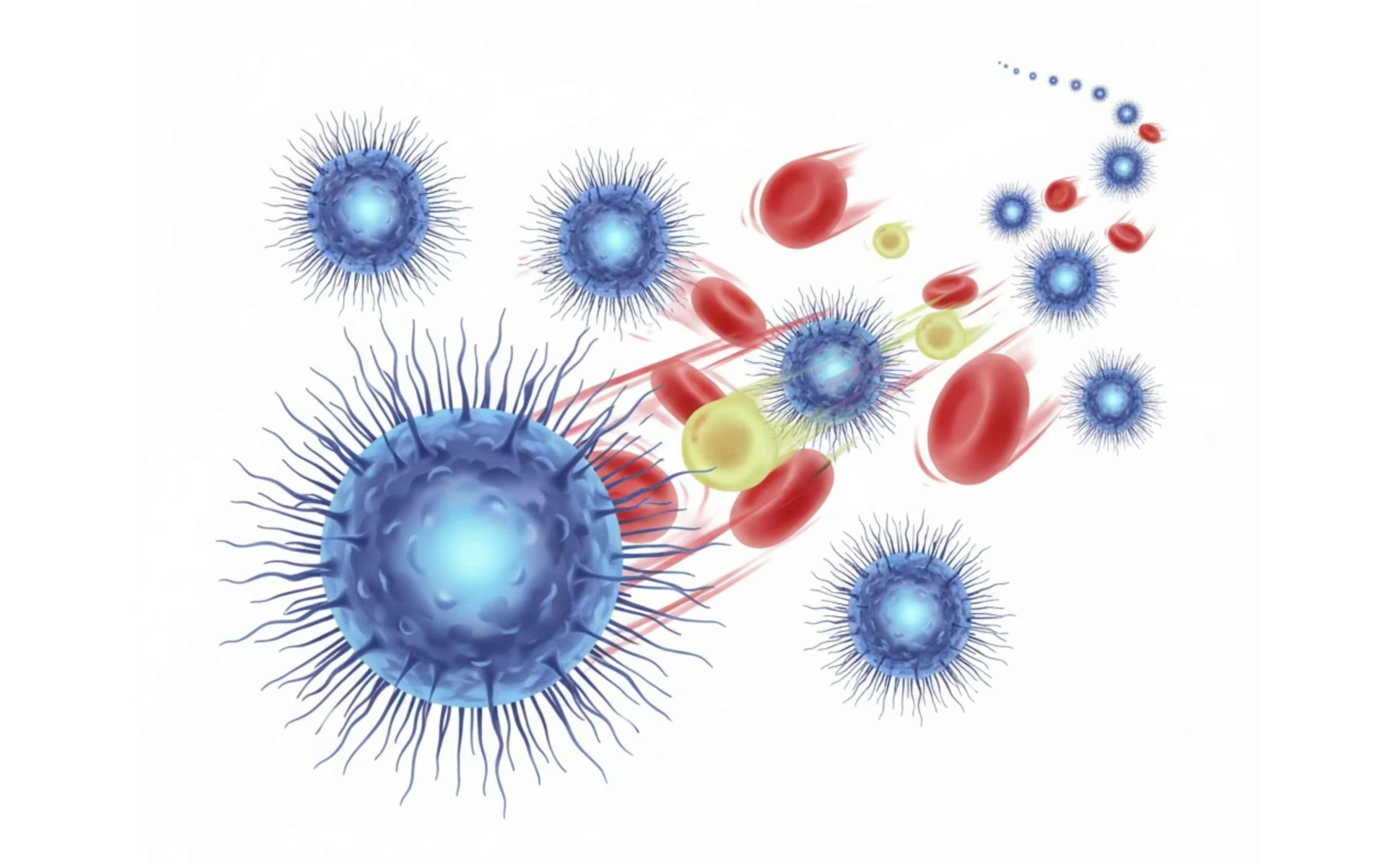
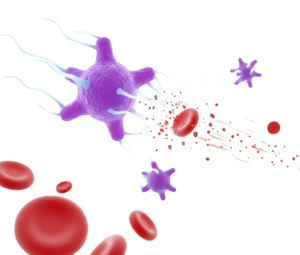
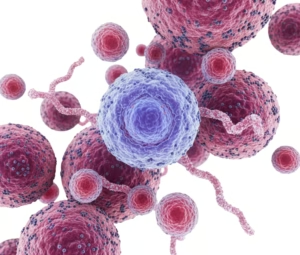
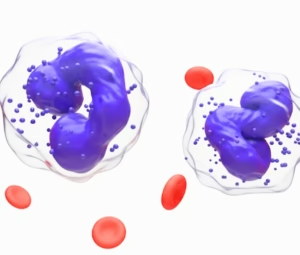
This leukemia develops when lymphoid cell precursors to infection-fighting lymphocytes become cancerous in the bone marrow. These blast cells multiply rapidly, crowding out normal blood cell production within weeks. The result is a life-threatening crisis where patients lack adequate red blood cells, platelets, and healthy white blood cells.
The presentation often mirrors other acute leukemias. Children may become unusually tired, pale, and irritable. Bruising appears without obvious injury. Fever persists despite antibiotics. Bone and joint pain sometimes causes limping or refusal to walk. Parents might notice swollen lymph nodes or an enlarged belly from spleen swelling. Adults experience similar symptoms such as profound fatigue, bleeding tendencies, fever, and weakness developing over days to weeks.
What distinguishes acute lymphoblastic leukemia is its potential to spread beyond blood and bone marrow. Leukemia cells can infiltrate the brain and spinal fluid, requiring specialized treatment to prevent or treat central nervous system involvement. Occasionally, patients present with large masses of leukemia cells in the chest, particularly with T-cell variants.
Diagnosis follows the same pathway as other leukemias. Blood tests reveal blast cells, followed by bone marrow examination confirming the diagnosis. However, subclassification matters enormously. B-cell acute lymphoblastic leukemia accounts for 85 percent of cases and generally responds better to treatment. T-cell leukemia comprises the remainder and often requires more intensive therapy. Genetic and molecular testing identifies specific abnormalities that guide treatment intensity and predict outcomes.
Some genetic features signal excellent prognosis. High hyperdiploidy with extra chromosomes in leukemia cells or specific favorable translocations predict cure rates exceeding 90 percent in children. Other features, like the Philadelphia chromosome or certain high-risk genetic rearrangements, historically indicated poor outcomes but now have targeted treatments available.
Treatment protocols are complex, extending over two to three years and divided into distinct phases. Induction chemotherapy is given over four weeks and combines multiple drugs to rapidly destroy leukemia cells and achieve remission. Over 95 percent of children and 75 to 85 percent of adults reach remission after induction.
Consolidation therapy intensifies treatment to eliminate residual leukemia cells. Multiple cycles of chemotherapy, sometimes including high-dose methotrexate or asparaginase, continue over several months. Throughout treatment, intrathecal chemotherapy involves medication injected into spinal fluid to prevent or treat central nervous system involvement.
Maintenance therapy follows, using daily oral medication and monthly chemotherapy for two to three years. This prolonged treatment phase is crucial because stopping too early results in relapse. Children continue maintenance until total treatment duration reaches about 2 to 2.5 years for girls and 3 years for boys.
High-risk patients may need bone marrow transplant. Those with Philadelphia chromosome positive leukemia, high-risk genetic features, or slow response to initial treatment often benefit from allogeneic transplant in first remission. Modern transplant techniques have improved outcomes substantially, with cure rates of 50 to 60 percent for high-risk patients.
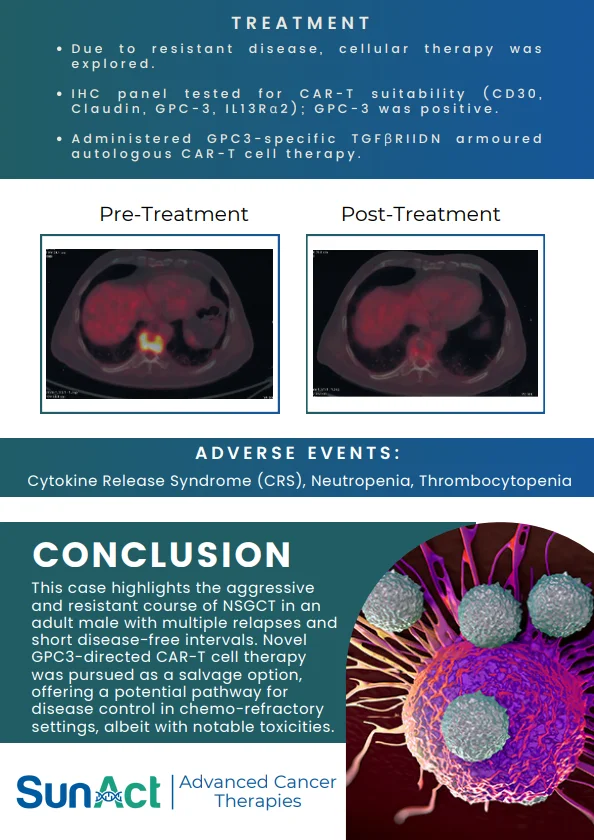
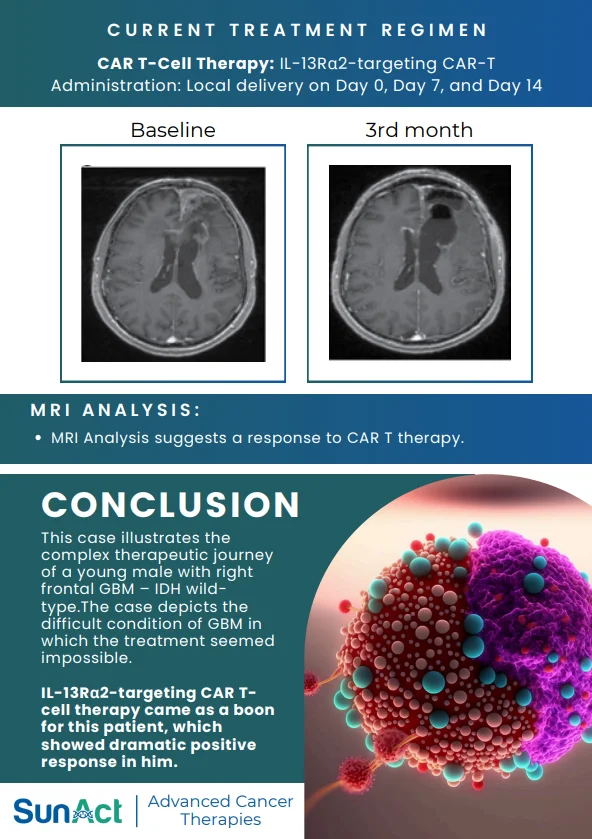
Recent innovations have revolutionized treatment for relapsed disease. Immunotherapy with blinatumomab is a drug that redirects T-cells to attack leukemia and shows remarkable response rates. CAR-T cell therapy involves patients’ own immune cells that are genetically modified to hunt leukemia cells and achieves remission in 80 to 90 percent of patients with relapsed B-cell acute lymphoblastic leukemia. These breakthrough treatments offer hope even when conventional therapy fails.
Outcomes have improved dramatically. Children with standard-risk acute lymphoblastic leukemia have cure rates exceeding 90 percent. High-risk children achieve 75 to 80 percent cure rates. Adults face more challenges. Cure rates are 35 to 45 percent overall, but younger adults with favorable features can achieve 60 to 70 percent cure rates. The gap between pediatric and adult outcomes is narrowing as adult protocols adopt successful pediatric strategies.
Treatment demands much from patients and families. Children miss months of school and normal childhood activities. Side effects such as hair loss, nausea, mood changes from steroids, and increased infection risk affect quality of life. However, most side effects resolve after treatment, and the vast majority of cured children grow into healthy adults.
Long-term follow-up matters. Survivors need monitoring for late effects of treatment such as heart problems from anthracyclines, cognitive changes from brain-directed therapy, endocrine dysfunction, or secondary cancers. However, most survivors lead normal, productive lives, grateful for the cure that modern medicine delivered.
Acute lymphoblastic leukemia tests the limits of medical science and human resilience. Yet for most patients, particularly children, intensive treatment leads to cure and complete restoration of health with a full life ahead.