
Therapies

What is Bone Marrow Therapy?

Stem cell or bone marrow therapy involves the transplantation of healthy stem cells into a patient’s body to replace damaged or diseased bone marrow.

How does Bone Marrow and/or Stem Cell Therapy work?

  1. Collection: Stem cells are collected either from the patient (autologous) or a donor (allogeneic). 
  2. Conditioning: The patient undergoes conditioning therapy, which includes high doses of chemotherapy and/or radiation.
  3. Transplantation: The healthy stem cells are infused into the patient’s bloodstream.
  4. Engraftment: The transplanted stem cells engraft in the bone marrow and start producing healthy blood cells.

Is a Bone Marrow Transplant same as a Stem Cell Transplant?

  1. Bone Marrow Transplants and Stem Cell Transplants follow nearly identical procedures, the key distinction is simply the source from which stem cells are harvested.
  2. Bone Marrow Transplant: Stem cells are collected directly from the bone marrow (the soft tissue inside your bones) and then transplanted into the patient.
  3. Stem Cell Transplant (Peripheral Blood Stem Cell Transplant): Stem cells are collected from the bloodstream, either yours or a donor’s and then transplanted.
  4. Although the source of stem cells is different, the transplant process and purpose are essentially the same: to replace unhealthy bone marrow with healthy stem cells so your body can make normal blood cells again.

Benefits

Potential Cure : Offers the possibility of curing certain cancers and blood disorders.

Immune System Rebuilding : Helps restore the immune system.

Broad Applicability : Can be used to treat a variety of cancers and blood-related conditions.

Types of Bone Marrow Therapy / Stem Cell Therapy

Autologous Bone Marrow Transplant

  • Source: Uses the patient’s own stem cells

  • Collection: Stem cells collected from the patient via peripheral blood or bone marrow

  • Conditioning: High-dose chemotherapy or radiation to eliminate diseased marrow

  • Infusion: Patient’s own stem cells are infused back

  • Engraftment: Stem cells migrate to bone marrow and regenerate blood cells

  • Risk of Rejection: Minimal, since cells are from the patient

  • Suitability: Best for patients needing high-dose chemo with stem cell rescue

  • Procedure Complexity: Moderate – involves collection, storage, and reinfusion of own cells

  • Common Uses: Lymphoma, Multiple Myeloma

  • Cost: Lower cost due to use of own cells

  • Success Factors: Dependent on patient health and disease sensitivity to chemo

Allogeneic Bone Marrow Transplant

  • Source: Uses stem cells from a healthy donor

  • Collection: Stem cells collected from a matched donor via peripheral blood or bone marrow

  • Conditioning: High-dose chemotherapy or radiation to prepare for donor cell engraftment

  • Infusion: Donor stem cells are infused into the patient

  • Engraftment: Donor cells engraft and rebuild the patient’s immune and blood system

  • Risk of Rejection: Higher risk, including Graft-Versus-Host Disease (GVHD)

  • Suitability: Ideal for patients with bone marrow failure or genetic blood disorders

  • Procedure Complexity: High – requires donor matching, immune suppression, and close monitoring

  • Common Uses: Leukemia, Aplastic Anemia, Thalassemia, Sickle Cell Anemia

  • Cost: Higher cost due to donor search, preparation, and long-term care

  • Success Factors: Dependent on donor match, patient health, and immune response
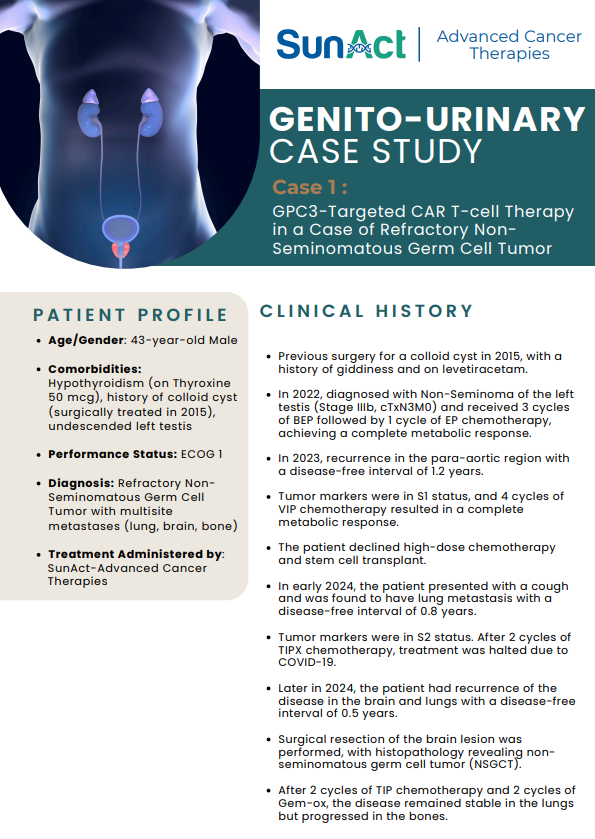
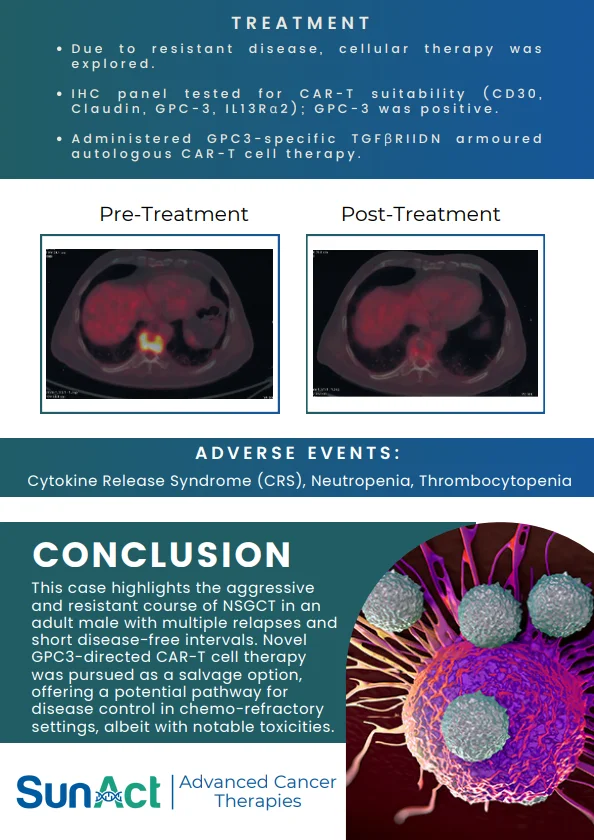
SunAct genitourinary cancer case study on GPC3-targeted CAR T therapy for refractory non-seminomatous germ cell tumor
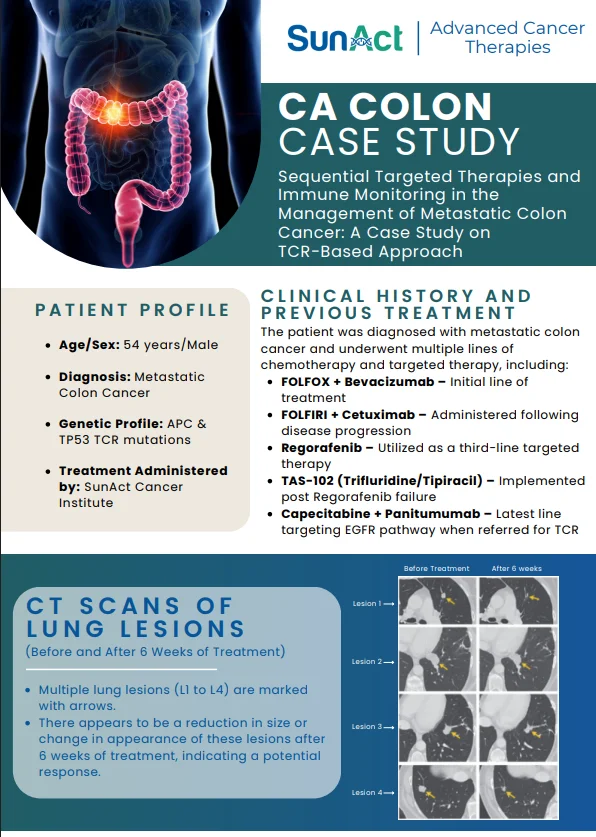
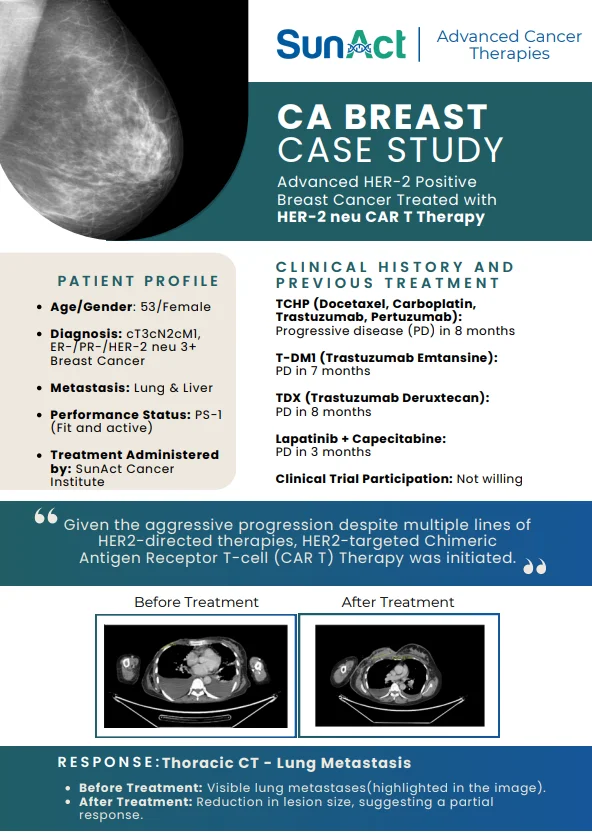
SunAct colon cancer case study highlighting TCR-based approach in metastatic colon cancer with lung lesions
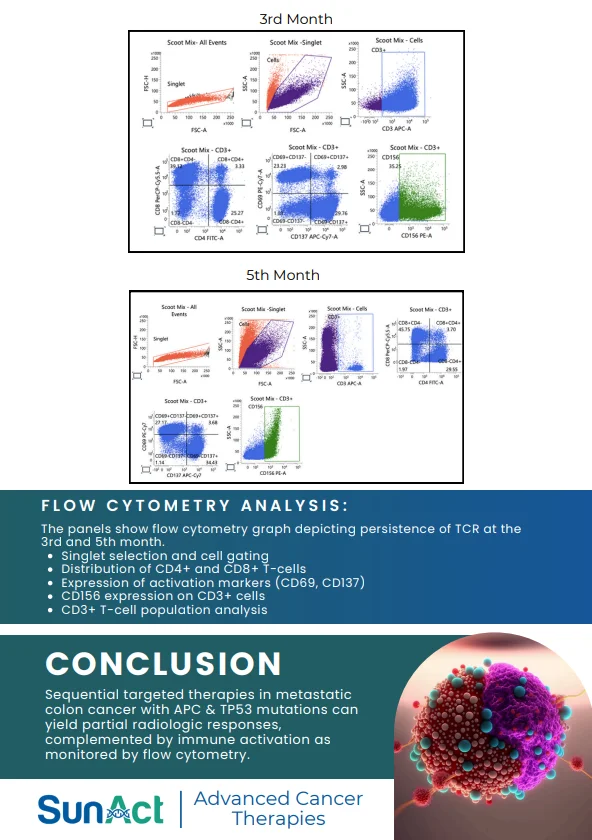
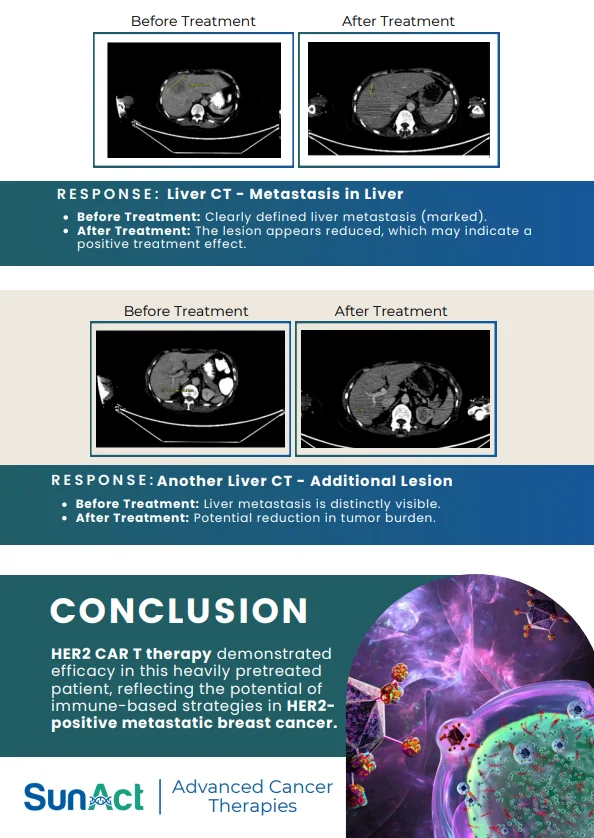
SunAct breast cancer case study showcasing HER2-positive treatment with CAR T-cell therapy
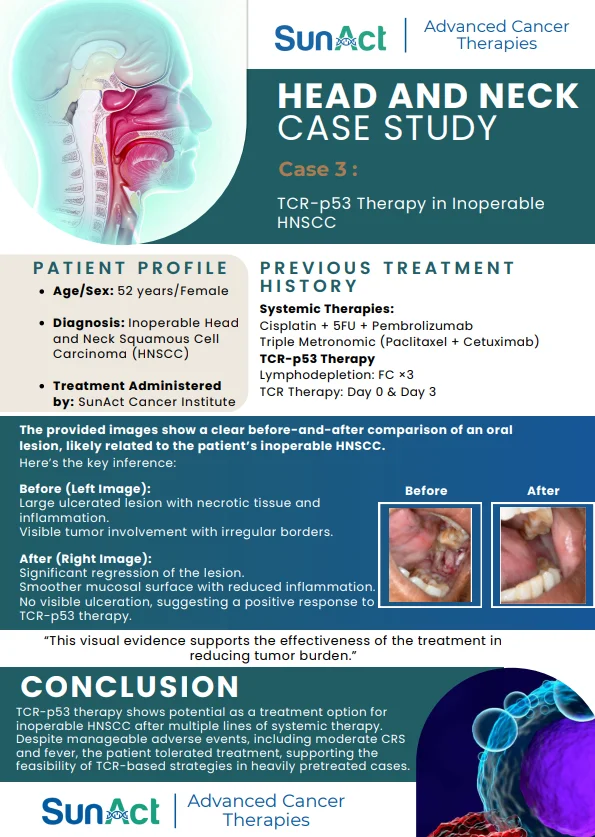
SunAct head and neck cancer case study using TCR-p53 therapy in inoperable squamous cell carcinoma
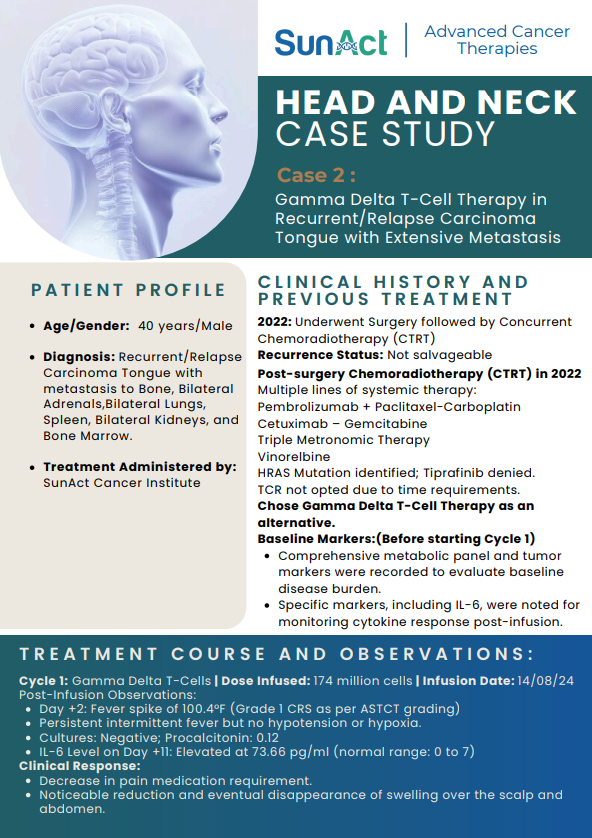
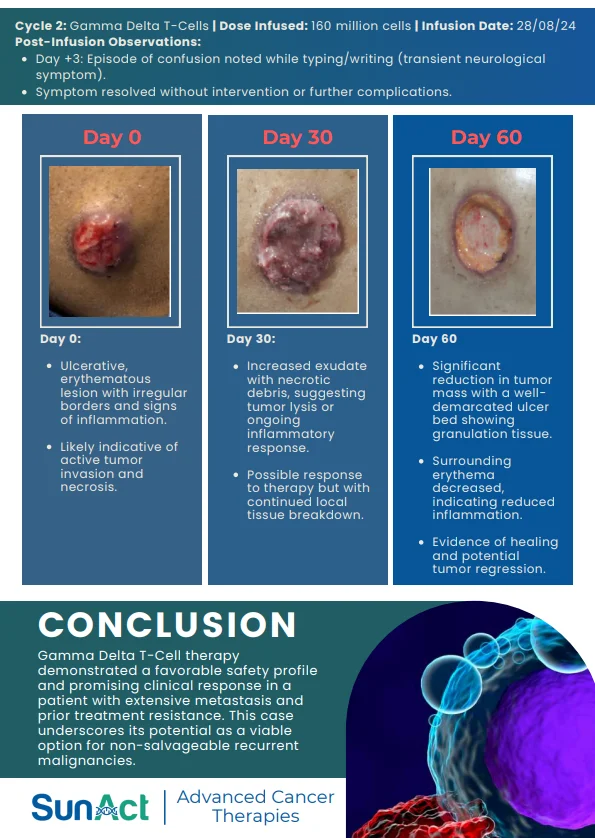
SunAct case study featuring gamma delta T-cell therapy for recurrent tongue carcinoma with extensive metastasis
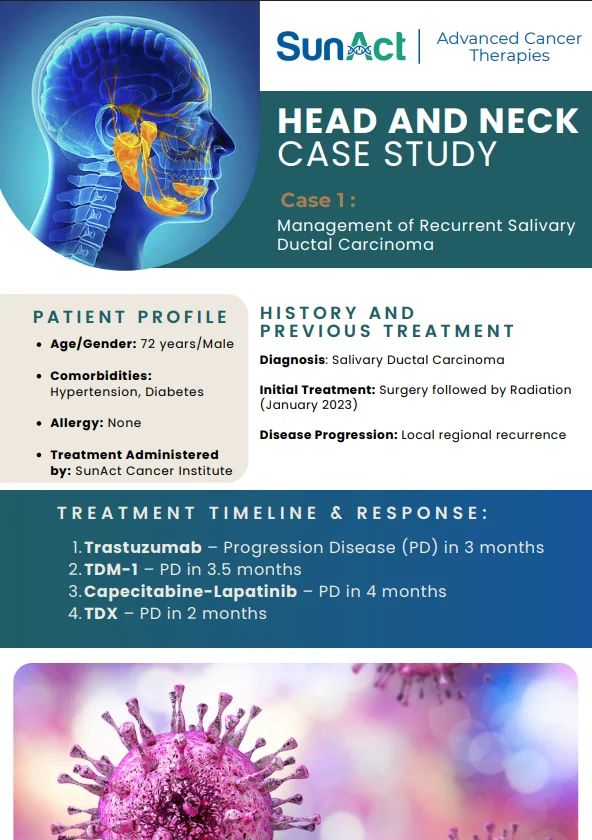
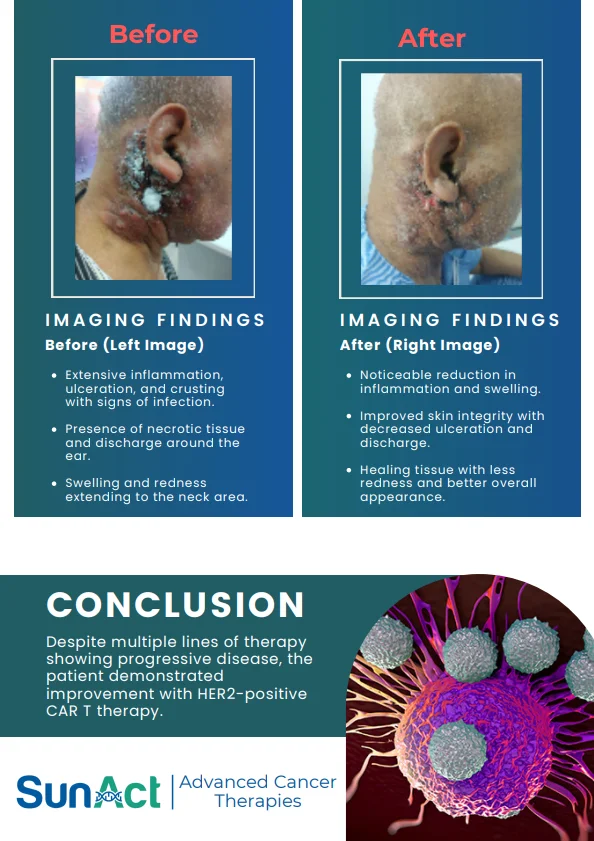
SunAct head and neck cancer case study on salivary ductal carcinoma managed with advanced therapies
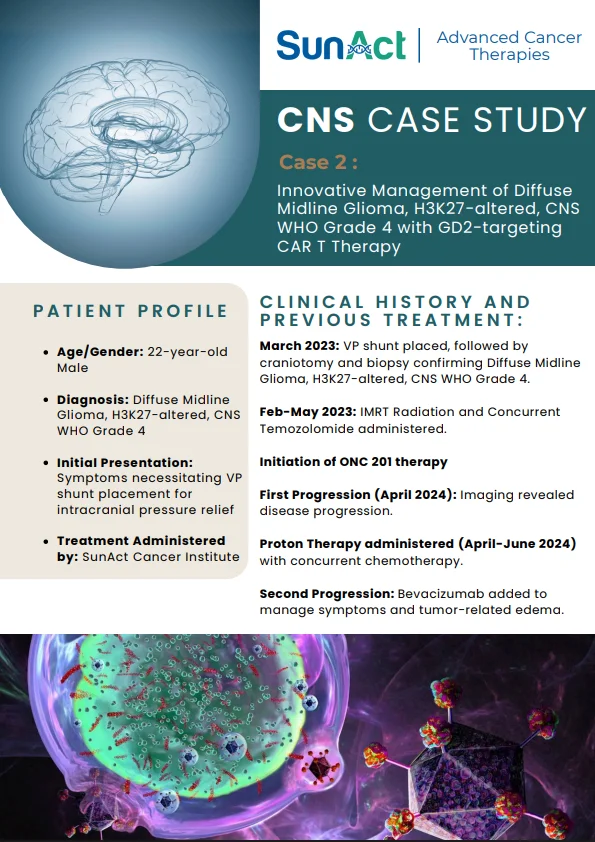
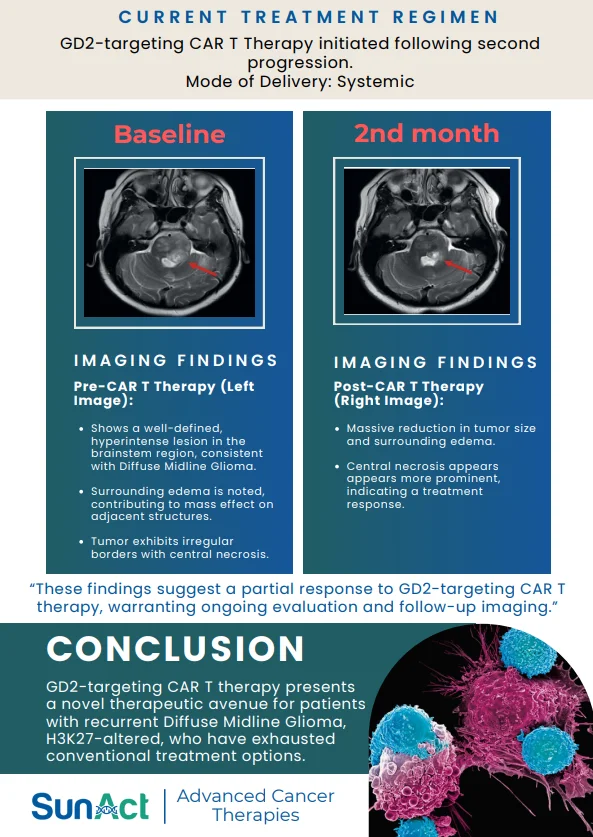
SunAct case study on GD2-targeted CAR T therapy for diffuse midline glioma in a 22-year-old male
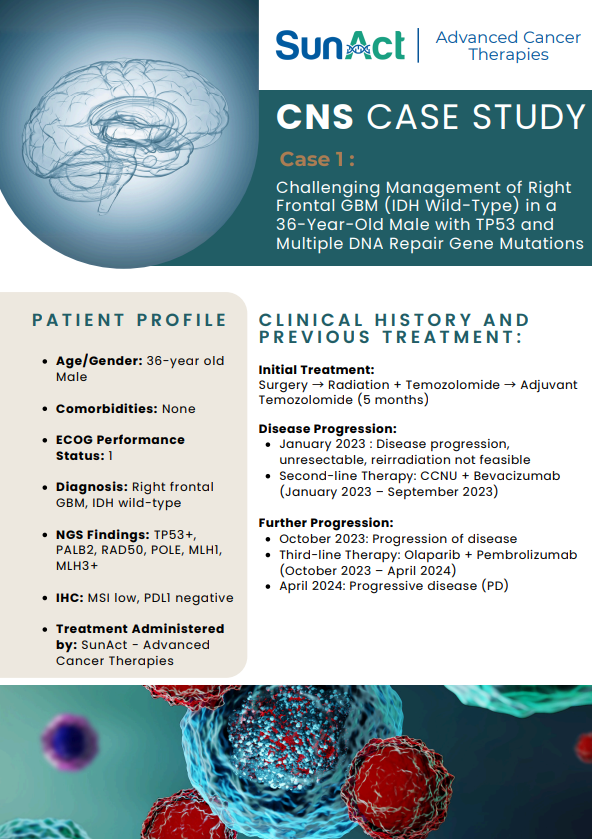
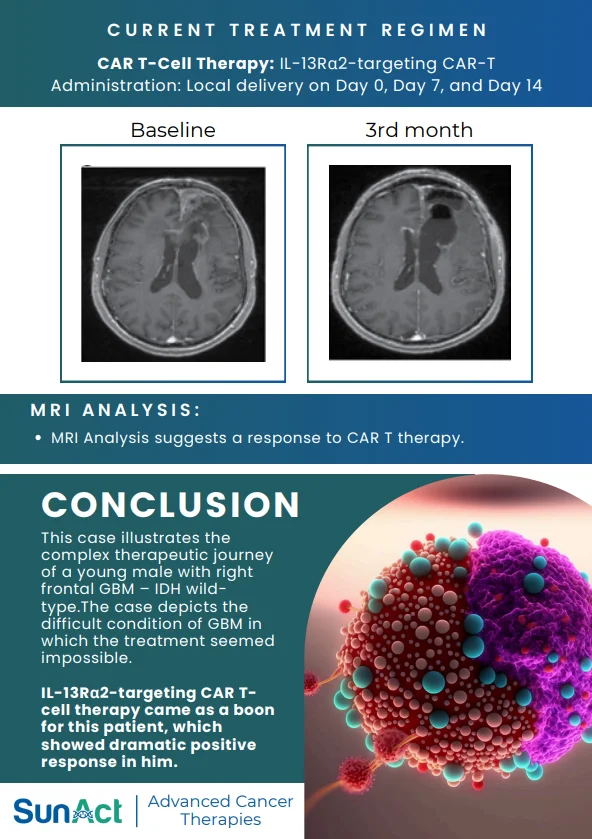
SunAct CNS case study on GBM treatment using multiple gene mutation targeting in a 36-year-old male