9 February2026
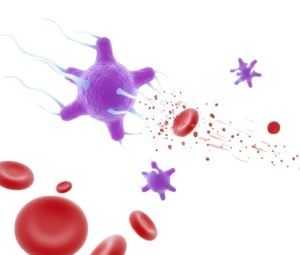
(Immune Thrombocytopenia (ITP) is one of the most common bleeding disorders in children. It occurs when the immune system mistakenly destroys platelets, the blood cells responsible for clotting. Low platelet counts can lead to bruising and bleeding, but importantly, most children recover completely. Current guidelines emphasize treating the child’s bleeding symptoms, not just the platelet number.
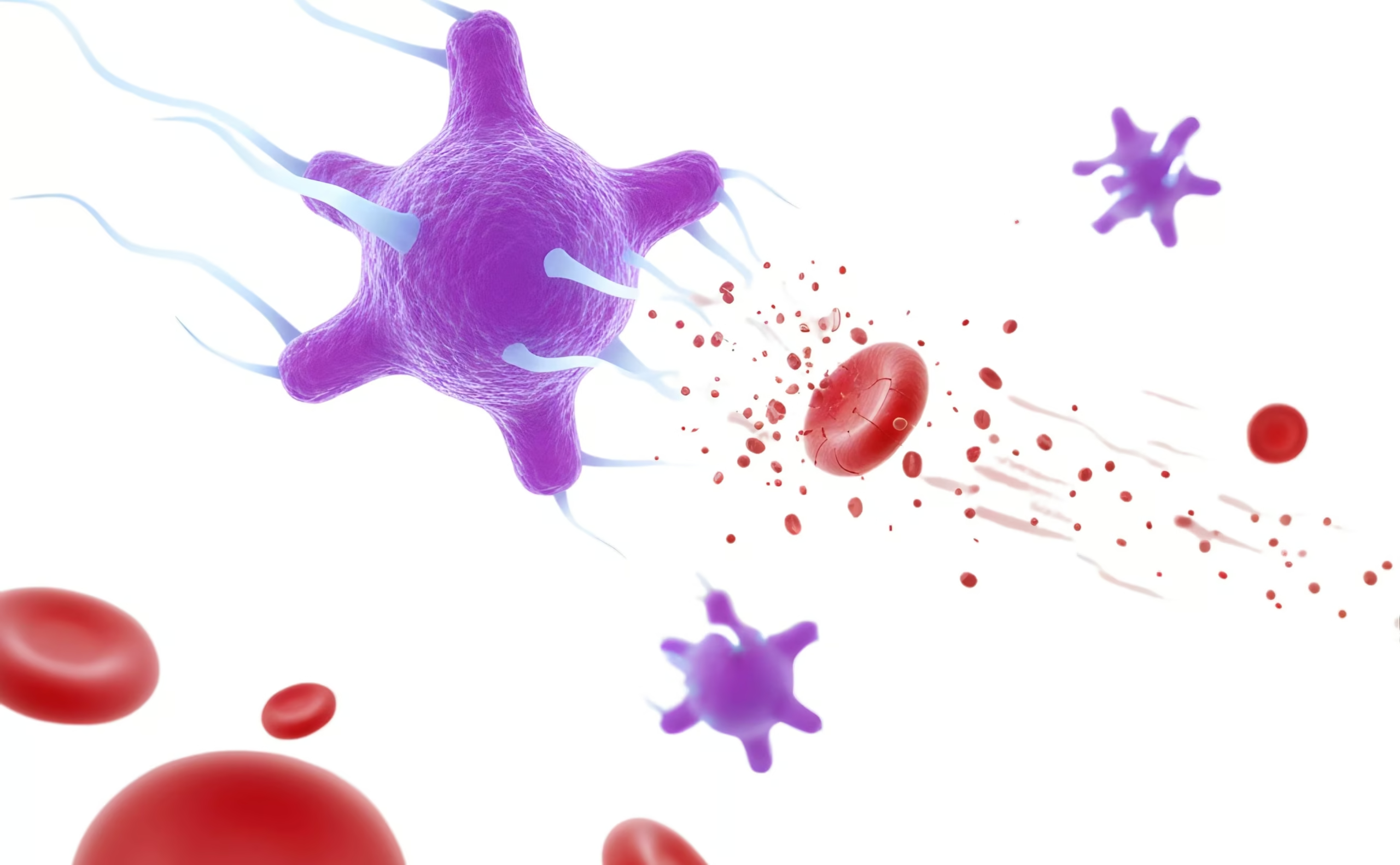
Why platelets are important
Platelets stop bleeding by forming clots. When platelets are low, bleeding can occur more easily, even after minor injuries.
Common age of presentation
- Infants and toddlers (1–4 years) – most common
- School-age children (5–10 years)
- Adolescents
Common causes and triggers
- Recent viral infection
- Immune response after vaccination (rare)
- Autoimmune tendency
- In most cases, no identifiable cause
Types of ITP based on duration
- Newly diagnosed (new onset) ITP: Less than 3 months
- Persistent ITP: 3–12 months
- Chronic ITP: More than 12 months
Signs and symptoms
- Easy bruising
- Small red or purple skin spots (petechiae)
- Nosebleeds, gum bleeding
- Blood blisters in mouth
- Heavy menstrual bleeding in adolescents
How it is diagnosed
- Complete blood count: isolated low platelet count
- Peripheral smear: normal red and white cells
- Additional tests only if atypical features present
Treatment approach
Observation only:
- No or mild bleeding
First-line treatments:
- Short course corticosteroids
- Intravenous immunoglobulin (IVIG)
- Anti-D immunoglobulin
Second-line / chronic ITP options:
- Thrombopoietin receptor agonists
- Rituximab
- Rarely splenectomy
Expected response to medications
- Steroids – platelet rise in 3–7 days
- IVIG – rise in 24–48 hours
- Anti-D – rise in 1–3 days
- TPO receptor agonists – 1–2 weeks
- Rituximab – weeks
Prognosis
- 70–80% recover within 6 months
- Small proportion develop chronic ITP
- Serious bleeding is rare
Take-home message
Childhood ITP is usually a temporary and manageable condition. Many children need only monitoring. With proper follow-up, most children lead normal, healthy lives.