9 February2026
Vitamin B12 deficiency anemia is an important yet often under-recognized cause of anemia in children. Vitamin B12 (cobalamin) is essential for red blood cell production, nerve function, and brain development. When levels are low, children may develop anemia and neurological symptoms that can affect growth and learning.
Why Vitamin B12 is important
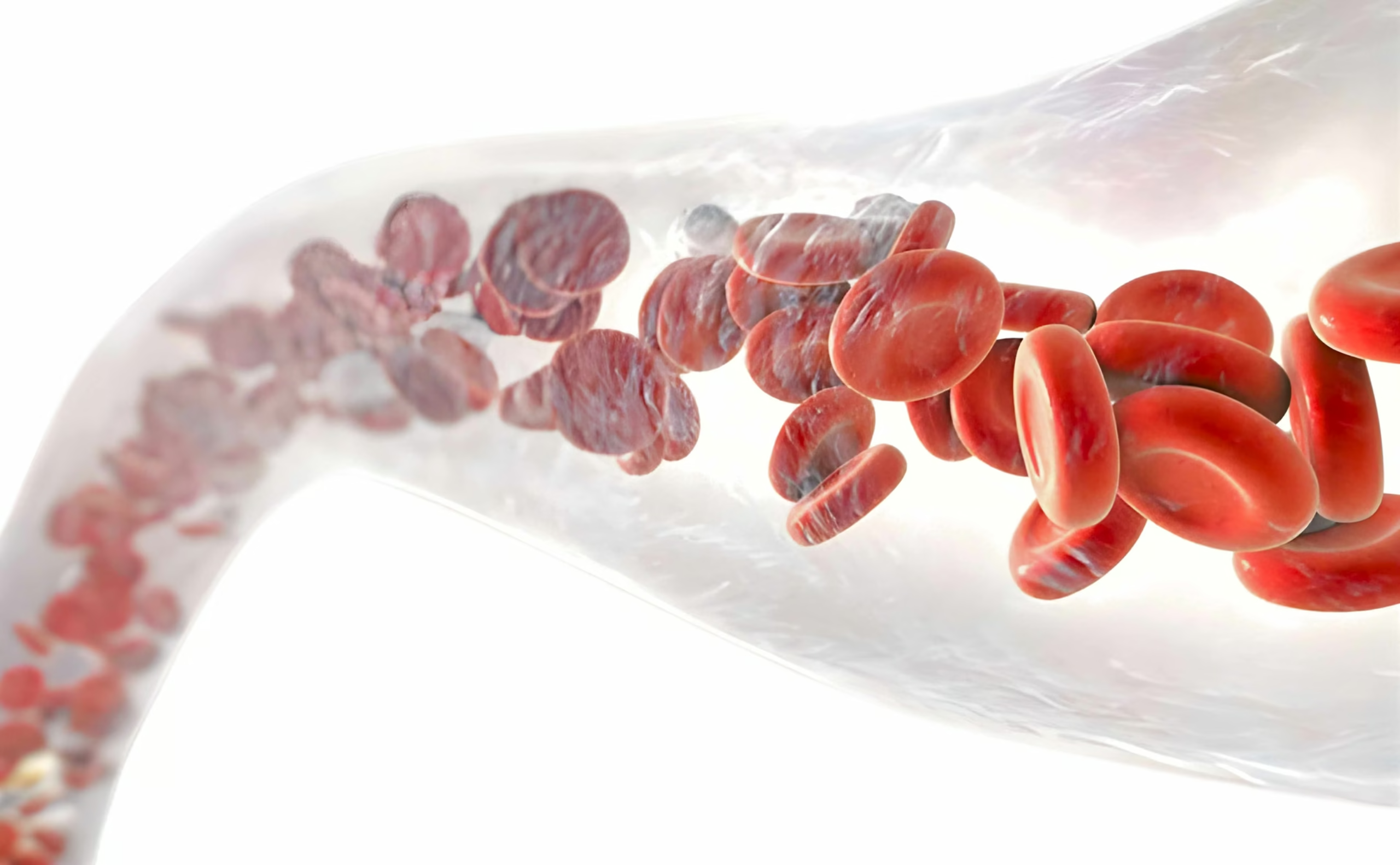
Vitamin B12 plays a central role in DNA synthesis and formation of healthy red blood cells. Without adequate B12, the bone marrow produces large, fragile red cells (megaloblasts) that cannot function effectively, leading to anemia and reduced oxygen delivery to tissues.
Common age of presentation
- Infants (2–12 months): Often present due to maternal B12 deficiency, especially in exclusively breastfed babies.
- Toddlers and preschool children (1–5 years): Due to poor dietary intake, picky eating, or delayed introduction of animal-based foods.
- School-age children and adolescents: Dietary insufficiency, malabsorption disorders, or chronic medication use.
Common causes in children
- Poor dietary intake (strict vegetarian/vegan diets without supplementation)
- Prolonged exclusive breastfeeding from B12-deficient mothers
- Malabsorption (celiac disease, inflammatory bowel disease)
- Intrinsic factor deficiency or gastric disorders
- Long-term use of certain medications (e.g., metformin, proton pump inhibitors)
Signs and symptoms
- Pallor and fatigue
- Poor appetite and weight gain
- Developmental delay or regression
- Irritability, poor concentration
- Tingling or numbness in hands and feet
- Glossitis (smooth, sore tongue)
Neurological symptoms may occur even before anemia becomes severe.
How it is diagnosed
- Complete blood count (CBC): macrocytic anemia (high MCV)
- Peripheral smear: large red cells, hypersegmented neutrophils
- Serum vitamin B12 level
- Sometimes homocysteine and methylmalonic acid levels
Treatment
- Intramuscular or oral vitamin B12 supplementation
- Correction of underlying cause (dietary counseling, treating malabsorption)
Hemoglobin levels usually improve within weeks, while neurological recovery may take longer.
Prevention
- Ensure balanced diet including B12-rich foods (milk, eggs, meat, fish)
- B12 supplementation for vegetarian mothers and children
- Regular growth and nutrition monitoring
Take home message
Early recognition and treatment of vitamin B12 deficiency anemia can prevent long-term complications and ensure healthy physical and neurodevelopment in children.