9 February 2026
Chronic lymphocytic leukemia occupies a unique place among blood cancers. Many patients live with the disease for years, even decades, without requiring any treatment at all. Others need intervention shortly after diagnosis. This wide spectrum, ranging from an indolent condition to aggressive cancer, makes chronic lymphocytic leukemia both challenging to understand and increasingly treatable with modern therapies.
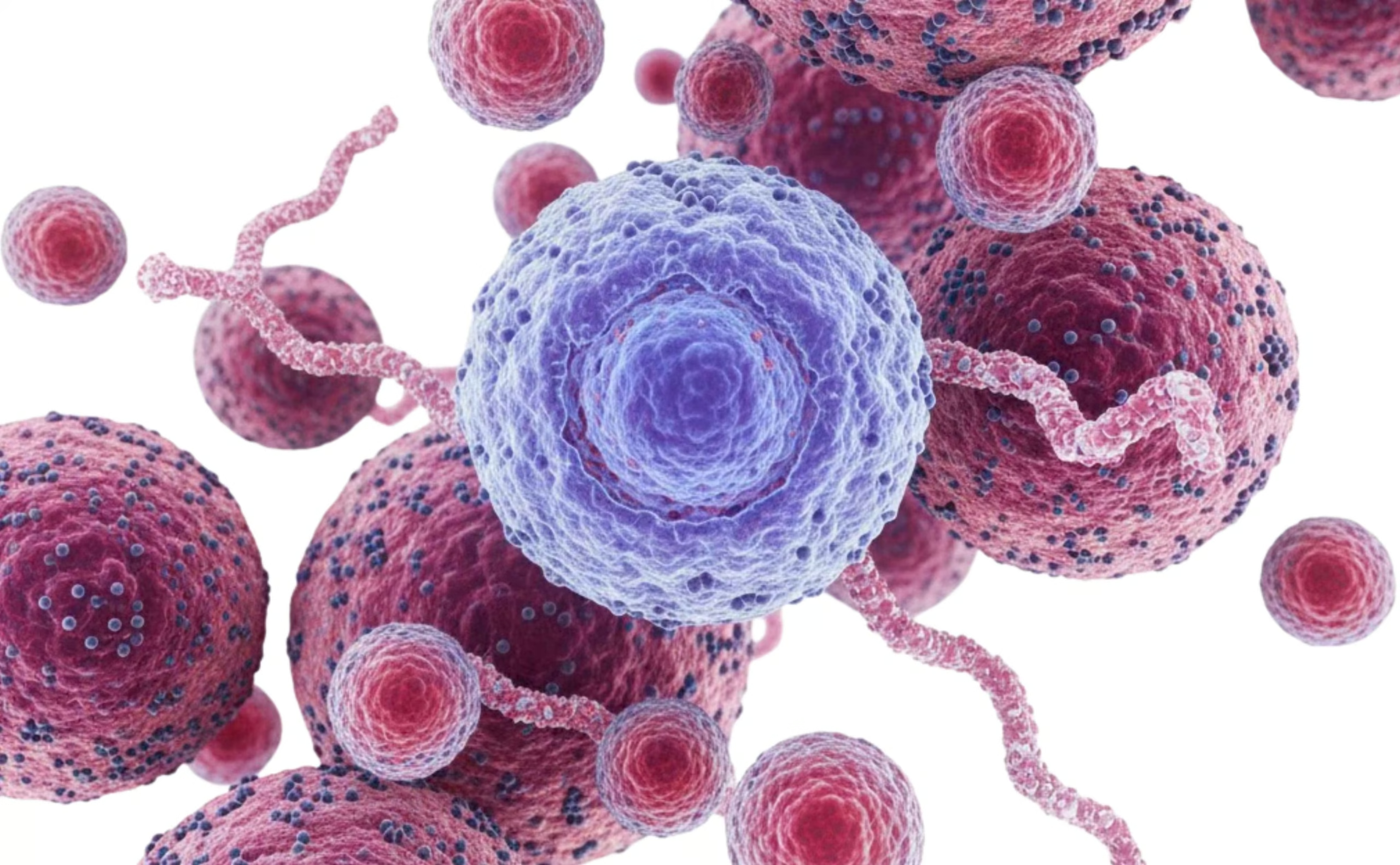
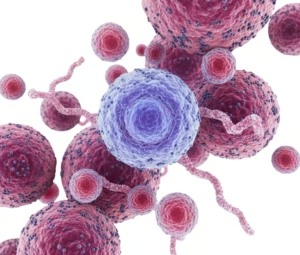
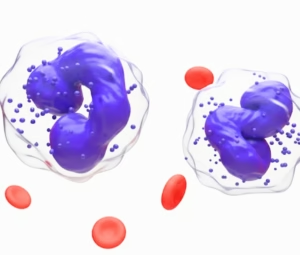
This leukemia develops when lymphocytes, white blood cells that normally fight infections, become cancerous and accumulate in the blood, bone marrow, lymph nodes, and spleen. Unlike acute leukemias, where immature cells predominate, chronic lymphocytic leukemia involves mature-looking lymphocytes that simply refuse to die, accumulating slowly over months and years.
The disease primarily affects older adults, with most patients diagnosed after age 60. Many discover their condition accidentally during routine blood tests that reveal elevated white cell counts. Some notice swollen lymph nodes in the neck, armpits, or groin. Others experience fatigue, frequent infections, night sweats, or unintentional weight loss. A significant proportion feel perfectly well despite having leukemia.
Diagnosis starts with blood tests showing high lymphocyte counts and characteristic cell appearance. Flow cytometry, a specialized test, identifies specific markers on the cell surface that confirm chronic lymphocytic leukemia and distinguish it from other lymphoid malignancies. Bone marrow examination is not always necessary for diagnosis but helps assess disease extent. Genetic testing provides crucial prognostic information by identifying high-risk features that influence treatment decisions.
The watch-and-wait approach surprises many newly diagnosed patients. If the disease is asymptomatic and blood counts remain stable, doctors often recommend active surveillance rather than immediate treatment. This is not neglect. Studies show that early treatment provides no survival benefit for low-risk patients. Many live for years with their leukemia quietly present but causing no problems.
Treatment becomes necessary when the disease progresses. Indications include worsening anemia or low platelet counts, rapidly growing lymph nodes, severe fatigue or night sweats, frequent infections, or doubling of the lymphocyte count within six months. At this point, therapy aims to control the disease, relieve symptoms, and restore quality of life.
Modern treatment has evolved dramatically. Chemoimmunotherapy, combining chemotherapy drugs such as fludarabine and cyclophosphamide with the antibody rituximab, was standard for years and remains effective. However, newer targeted therapies have revolutionized outcomes, particularly for high-risk patients.
BTK inhibitors such as ibrutinib work by blocking a protein essential for leukemia cell survival. Patients take oral medication daily, often achieving deep and durable responses. BCL-2 inhibitors such as venetoclax operate through a different mechanism, causing leukemia cells to undergo programmed cell death. Combining venetoclax with antibodies produces remarkable response rates, with many patients achieving minimal residual disease negativity, meaning no detectable leukemia cells by sensitive tests.
These targeted therapies show particular benefit for patients with high-risk genetic features who historically had poor outcomes with chemotherapy. Patients with 17p deletion or TP53 mutations, genetic abnormalities that confer resistance to traditional chemotherapy, often respond well to BTK or BCL-2 inhibitors.
Treatment duration varies. Some regimens continue indefinitely, while venetoclax-based combinations may be given for fixed durations of one to two years. Many patients achieve long-lasting remissions that extend for years after stopping treatment.
Complications of chronic lymphocytic leukemia extend beyond the disease itself. Immune system dysfunction leads to increased infection risk, even before treatment begins. Autoimmune complications occasionally develop, in which the body attacks its own red blood cells or platelets. Secondary cancers, particularly skin cancers and other malignancies, occur more frequently in patients with chronic lymphocytic leukemia.
Regular monitoring tracks disease status and identifies problems early. Patients typically have blood tests every three to six months during watchful waiting. Physical examinations assess lymph node and spleen size. CT scans may be performed if symptoms develop.
Prognosis has improved substantially. While chronic lymphocytic leukemia remains incurable for most patients, modern treatments have extended survival significantly. Many patients live 10, 15, or even 20 years after diagnosis, maintaining good quality of life throughout most of that time.
Understanding chronic lymphocytic leukemia means recognizing it as a spectrum, sometimes requiring only observation, sometimes demanding treatment, but increasingly manageable with sophisticated therapies that target the disease while preserving quality of life.