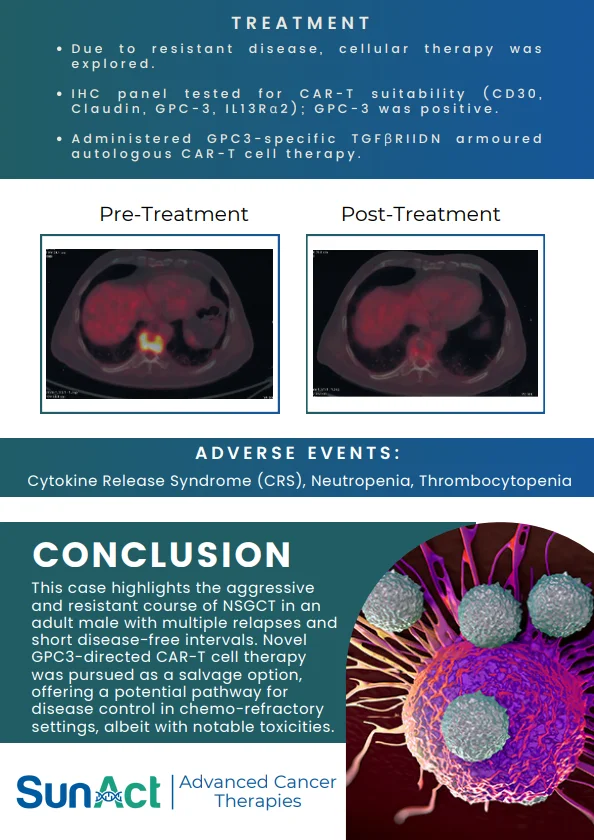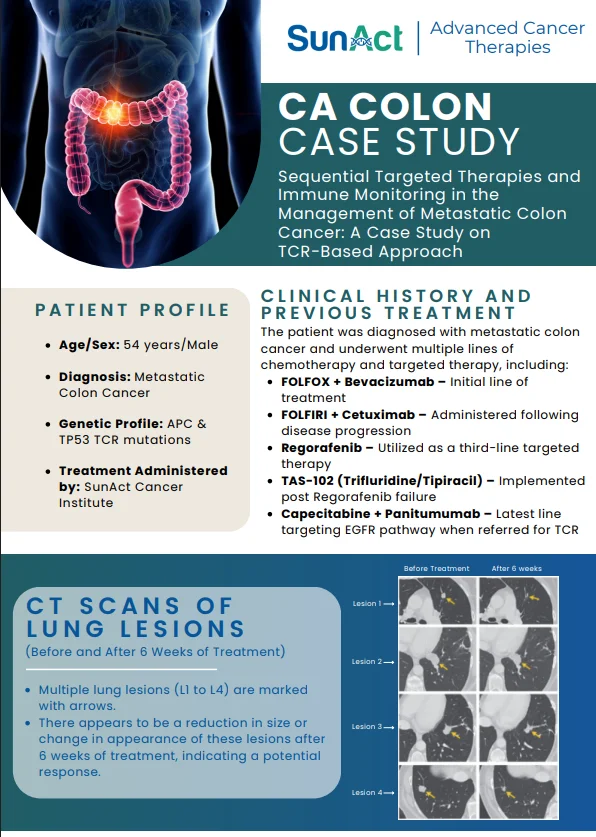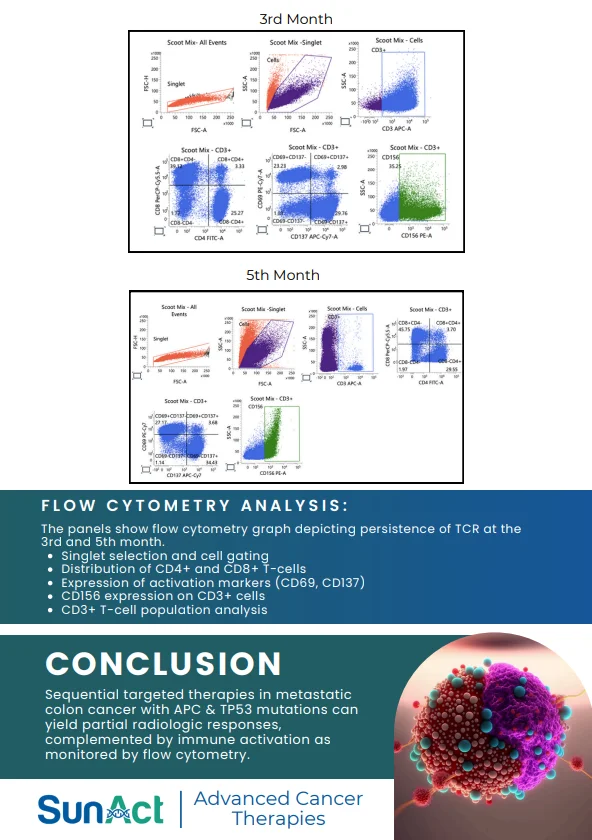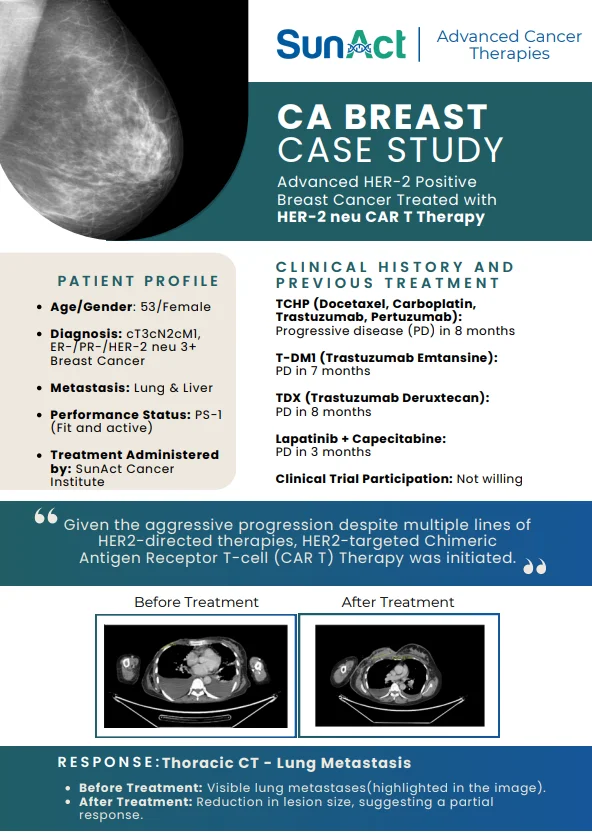

Immunotherapy is a modern form of cancer treatment that supports the body’s own immune system in recognizing and fighting cancer. Instead of directly attacking cancer cells like chemotherapy or radiation, immunotherapy strengthens your natural defense system, helping it work more effectively against the disease.
How does Immunotherapy work?
1. Cancer can weaken the immune system Cancer cells sometimes change in ways that make it difficult for the immune system to recognize them as harmful. They may also send signals that reduce the activity of the immune cells responsible for fighting harmful cells.
2. Immunotherapy blocks these signals Immunotherapy medicines stop these signals that protect cancer cells. When these signals are blocked, the immune system can identify cancer cells more clearly.
3. The immune system becomes active again Once the blocking signals are removed, the immune system—especially T-cells—regains its strength and begins to target cancer cells more effectively.
4. The body starts fighting cancer more strongly With the immune system active and alert, it can attack and destroy cancer cells, which may help slow the disease, reduce tumor size, or control cancer for longer periods.
Benefits
Durable responses: Some patients experience long-lasting control even after treatment stops, due to immune memory.

Precision against cancer cells by leveraging immune recognition rather than broadly toxic effects.

Can work across multiple cancer types and stages depending on biomarkers.

Often fewer systemic side effects than conventional chemotherapy, though immune-related side effects can occur and require prompt care.

Combines well with other treatments such as chemotherapy, targeted agents, or radiation to improve outcomes in selected settings.
Which Cancers Respond to Immunotherapy?
Immunotherapy is especially helpful in cancers that have certain immune-related markers or features. These include:
• Lung cancer – Target: PD-1, PD-L1 • Melanoma – Targets: PD-1, CTLA-4 • Kidney cancer – Targets: PD-1, PD-L1 • Head and neck cancers – Target: PD-1, PD-L1 • Triple-negative breast cancer – Target: PD-L1 • Cervical cancer – Targets: PD-1, PD-L1 • Colorectal cancer (MSI-high tumors) – Target: PD-1 • Hodgkin lymphoma – Target: PD-1 • Bladder cancer – Targets: PD-1, PD-L1
Newer treatments are also being developed to target pathways such as LAG-3 and TIGIT, which may provide more options for patients in the future.
Why Immunotherapy Matters?
• Uses the power of the immune system • May provide long-lasting control in certain cancers • Can be used alone or with chemotherapy, radiation, or targeted therapy • Offers options when other treatments are limited
Immunotherapy continues to grow as an important part of modern cancer care around the world.