
Volume 2
issue 9

Insights into global breakthroughs in cell-based therapies

PERSONALIZED CANCER VACCINE | ALLOGENEIC CAR-T | RAS INHIBITOR | BLOOD-BASED CRC SCREENING

Personalized mRNA Cancer Vaccine in Melanoma: Phase III INTerpath-001 trial Demonstrates Clinical Benefit of the Vaccine

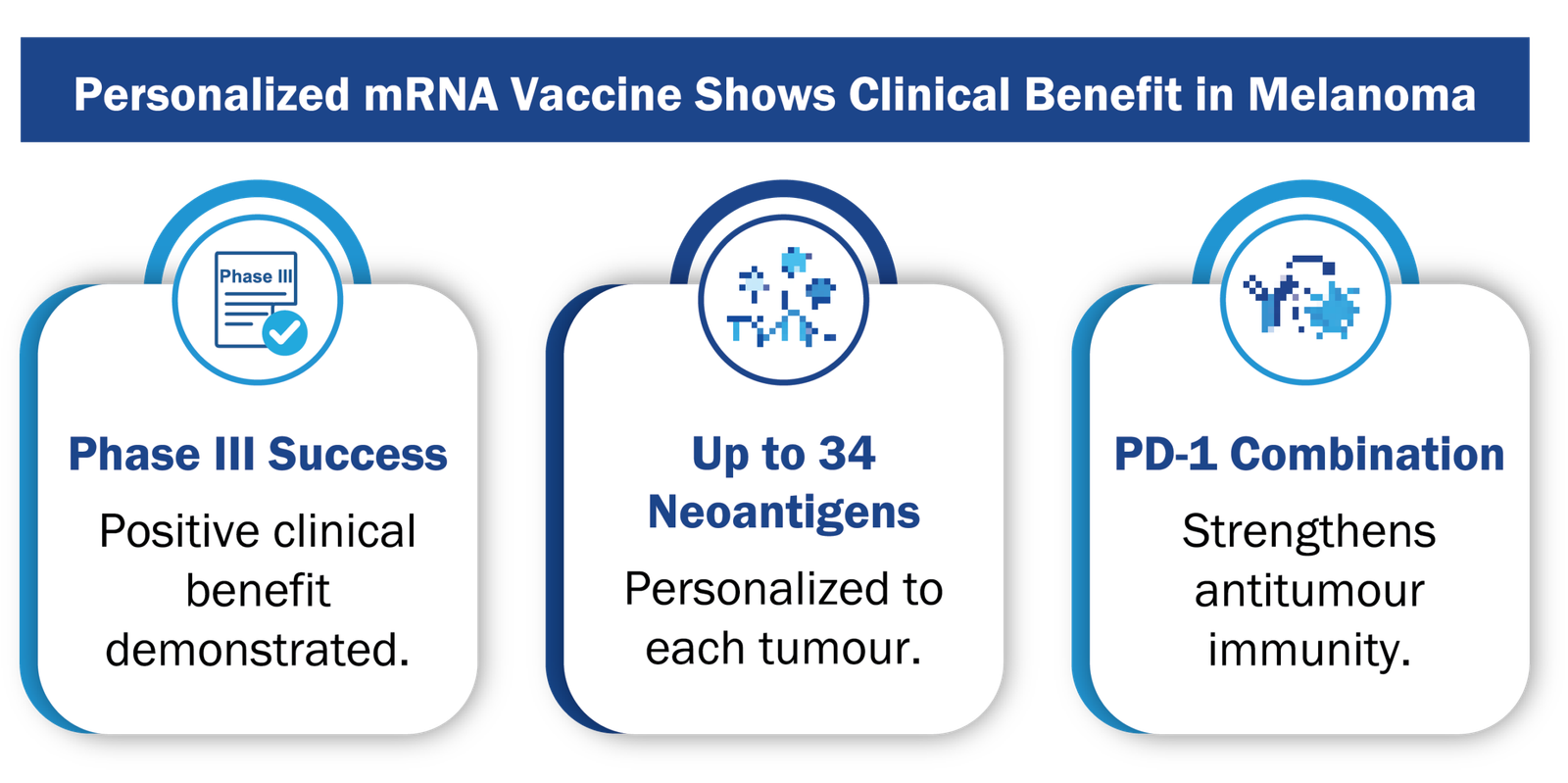
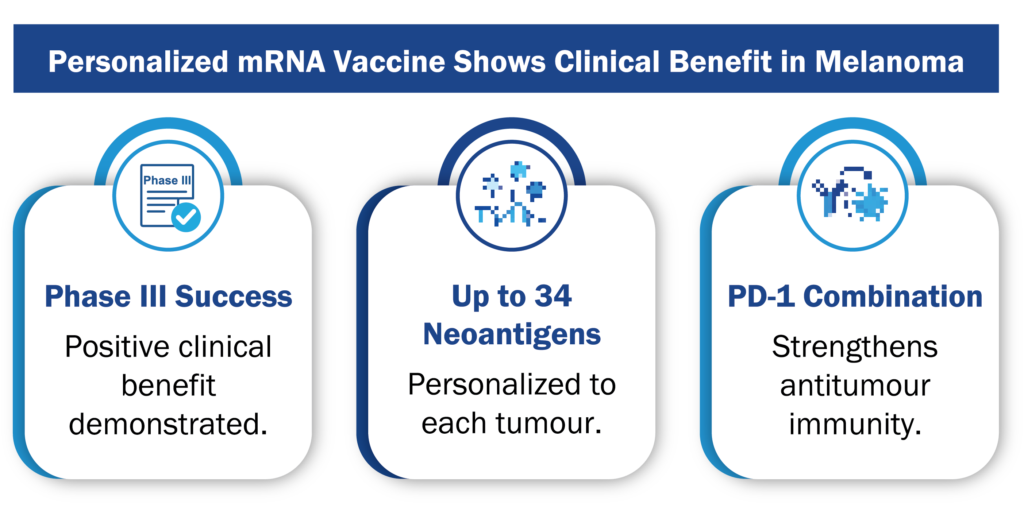
The Phase III INTerpath-001 trial (NCT05933577) demonstrated that intisimeran autogene (V940/mRNA-4157), an individualized mRNA neoantigen therapy, combined with pembrolizumab, improved outcomes compared with pembrolizumab alone in patients with completely resected stage IIB-IV melanoma. The trial enrolled 1,137 patients and met primary endpoint of recurrence-free survival (RFS) and key secondary endpoint of distant metastasis-free survival (DMFS), showing a significant reduction in melanoma recurrence and distant spread.
Clinical Implications
  • First positive Phase III result for an individualized neoantigen therapy, supporting personalized cancer vaccines as a potential therapeutic approach.
  • Each vaccine is individually manufactured based on the patient’s tumour mutations and can encode up to 34 neoantigens.
  • Combining personalized vaccination with PD-1 blockade may enhance tumour-specific T-cell responses.
  • Builds on KEYNOTE-942 Phase IIb results, which showed 49% and 59% reductions in the risks of recurrence/death and distant metastasis/death, respectively.
Phase I/II Trial Demonstrates Safety and Early Antitumor Activity of Allogeneic CAR-T Therapy in CD70-Positive Renal Cancer

The Phase I a/b TRAVERSE trial (NCT04696731) evaluated ALLO-316, an allogeneic CAR-T cell therapy targeting CD70, in patients with advanced clear cell renal cell carcinoma (ccRCC) who had progressed despite immune checkpoint inhibitors (ICIs) and VEGF receptor-targeted therapies. The study also evaluated an approach designed to reduce immune rejection of the allogeneic CAR-T cells by targeting and eliminating patients’ CD70-positive allo-reactive T cells.

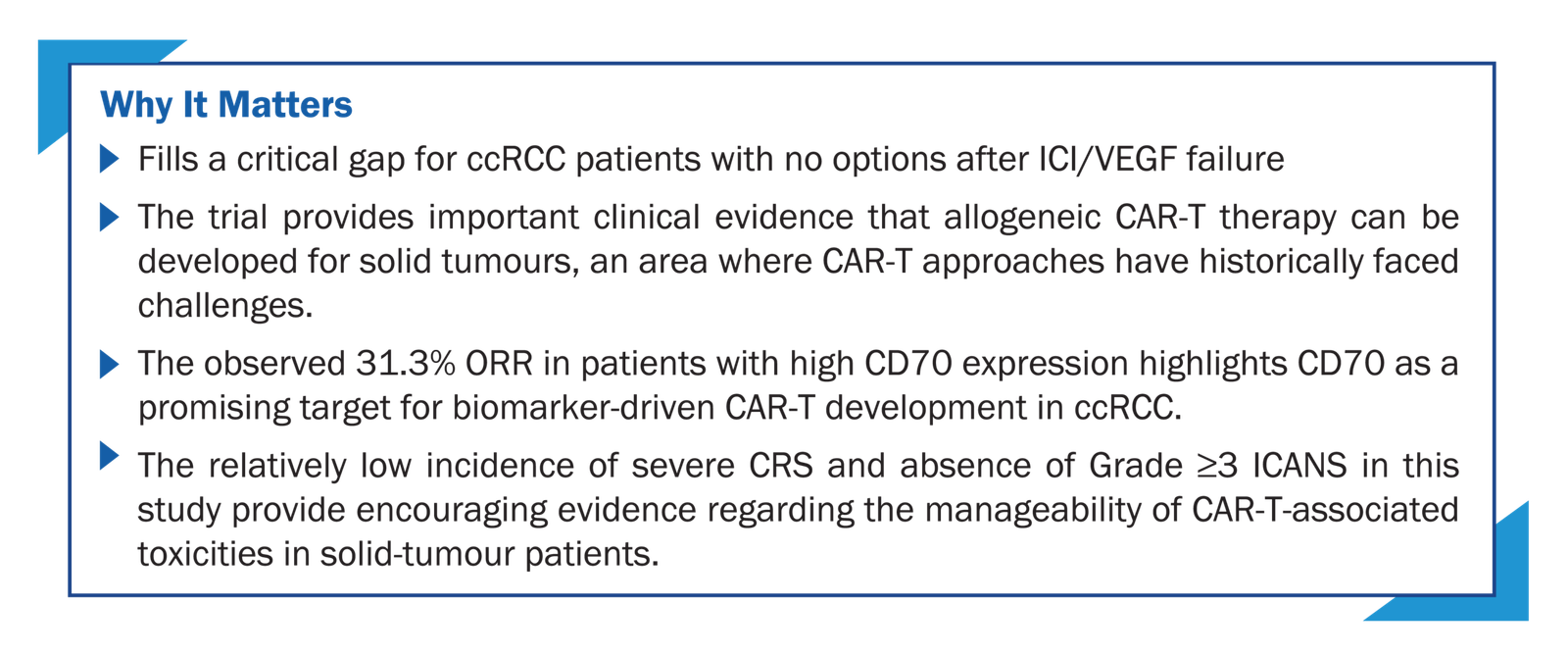
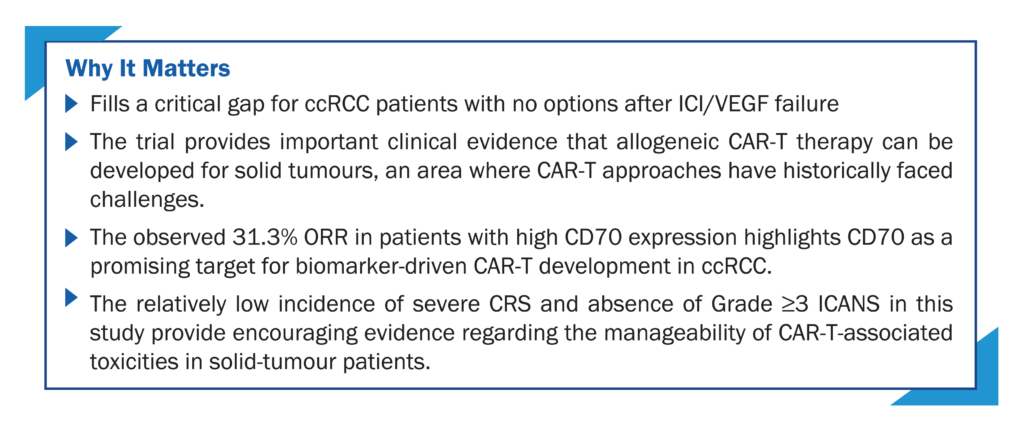
In this study 51 heavily pre-treated patients received lymphodepletion followed by ALLO-316. Phase Ib tested varying doses and FC-based lymphodepletion with or without anti-CD52 antibody ALLO-647. Phase Ib used FC lymphodepletion plus 80×10⁶ CAR-T cells. After 28.8 months’ median follow-up, dose-limiting toxicities occurred in 2.0%, with no Grade ≥3 ICANS. Grade ≥3 hematologic toxicities were most common (neutropenia 62%, low WBC 54%, anemia 36%). ORR was 17.4% overall, rising to 25.0% in Phase Ib and 31.3% among Phase Ib patients with CD70 tumor proportion score ≥50%.
Clinical Implications
  • Confirms feasibility and manageable safety of allogeneic CAR-T in a heavily pre-treated solid tumor population
  • Provides clinical proof of concept for CD70 as a druggable target in ccRCC
  • ALLO-647-mediated lymphodepletion offers a strategy to improve persistence while limiting immune rejection
  • Supports durable anti-tumor activity from off-the-shelf CAR-T in solid tumors
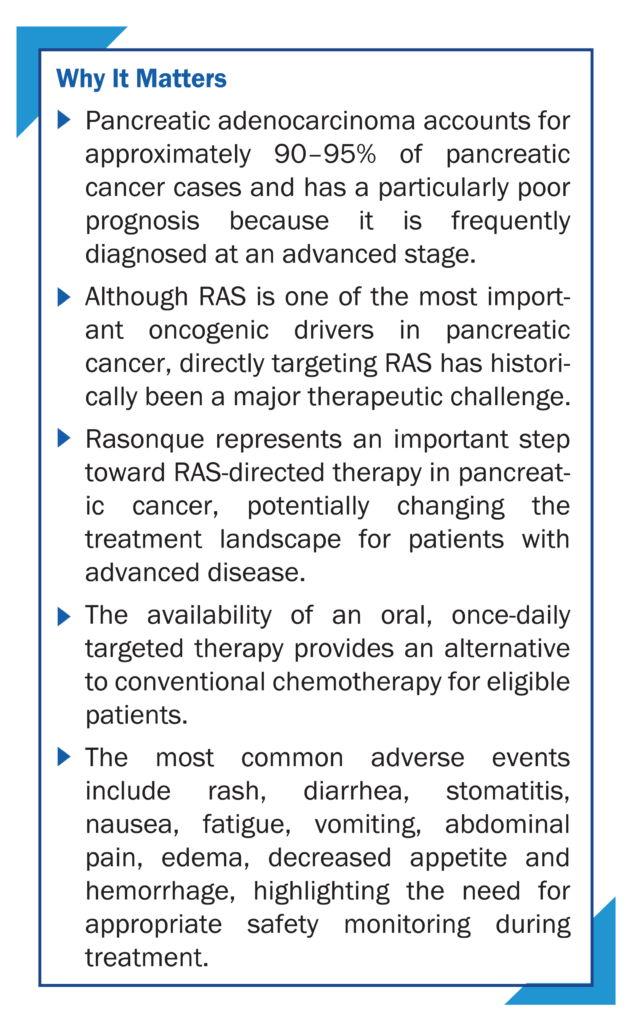
FDA Approves Rasonque (Daraxonrasib), a RAS Inhibitor for Advanced Pancreatic Cancer

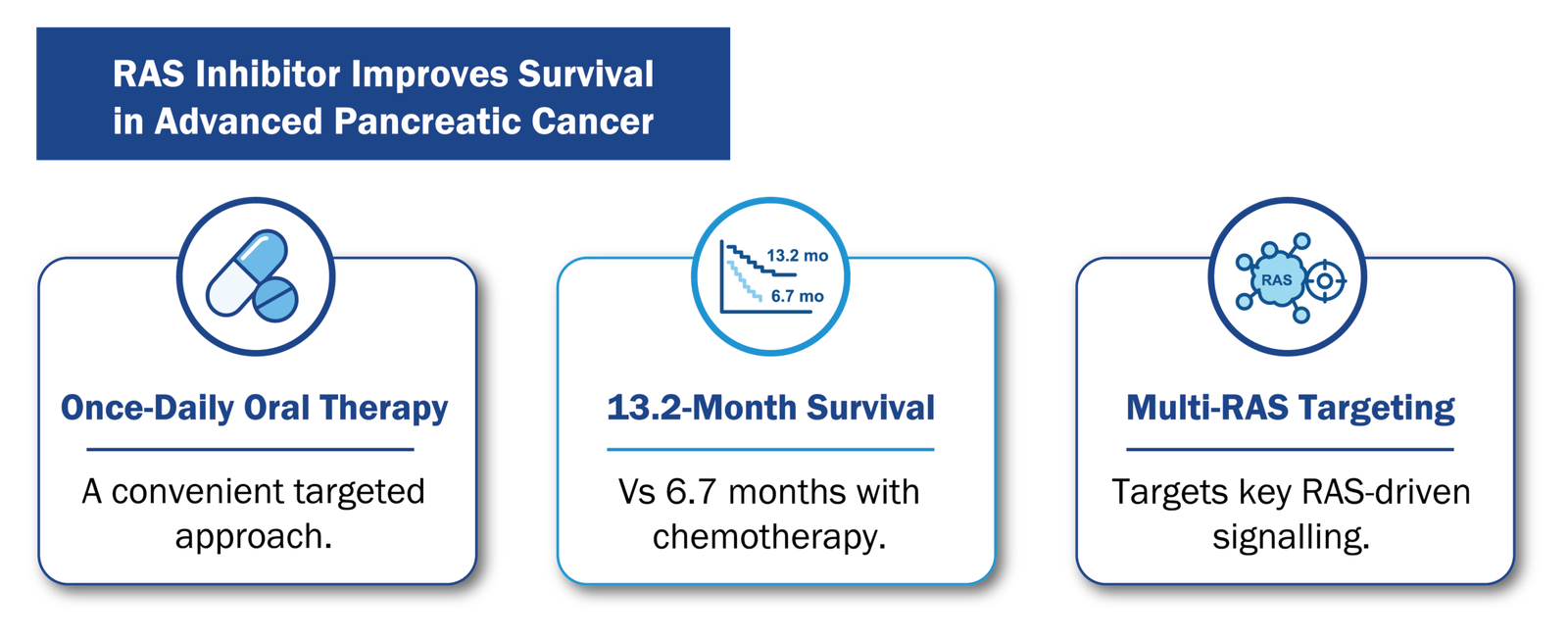
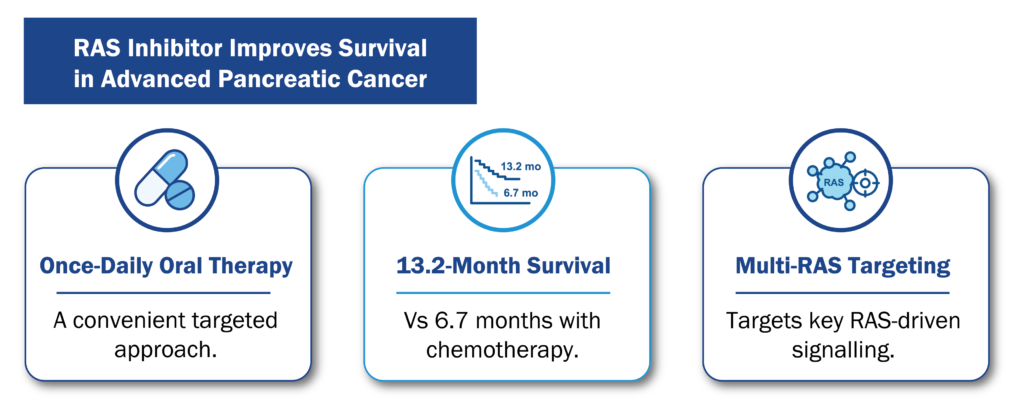
The U.S. Food and Drug Administration (FDA) approved Rasonque (daraxonrasib), a once-daily oral RAS inhibitor, for adults with metastatic pancreatic adenocarcinoma who have received at least one prior systemic therapy or are not candidates for multiagent systemic therapy. The approval provides a new targeted treatment option for one of the most aggressive and difficult-to-treat cancers. In a randomized, open-label, multicenter clinical trial involving 500 patients with previously treated metastatic pancreatic adenocarcinoma, Rasonque improved median overall survival to 13.2 months compared with 6.7 months with standard chemotherapy.
Clinical Implications
  • Provides a new targeted treatment option for patients with previously treated metastatic pancreatic adenocarcinoma, addressing a major unmet clinical need.
  • Daraxonrasib is an oral RAS inhibitor designed to target multiple forms of RAS, a critical driver of tumor growth in pancreatic adenocarcinoma.
  • Demonstrated a substantial improvement in median overall survival compared with standard chemotherapy, increasing survival from 6.7 to 13.2 months in the pivotal trial.
  • The accelerated regulatory review highlights the increasing importance of molecularly targeted therapies for cancers historically associated with limited treatment options.
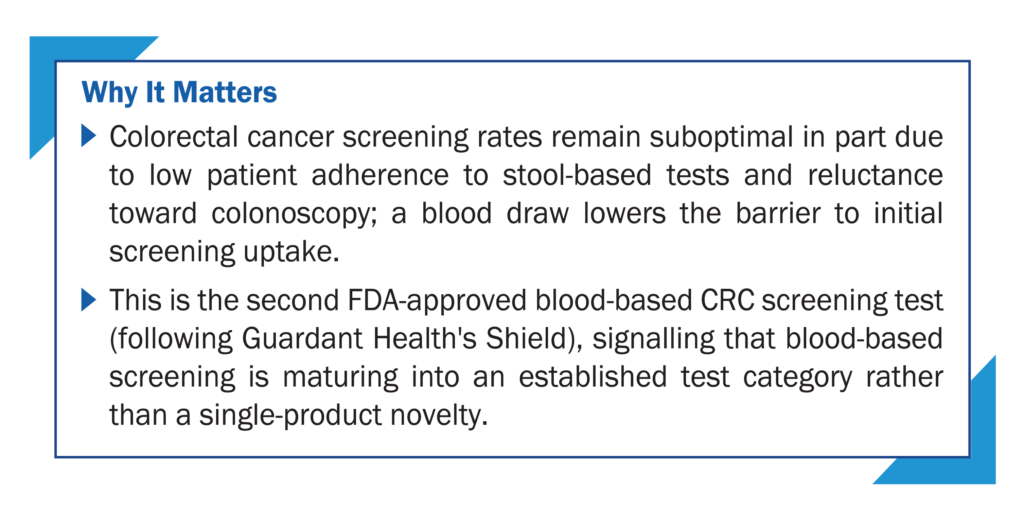
FDA Approves SimpleScreen CRC Blood-Based Screening Test for Average-Risk Adults

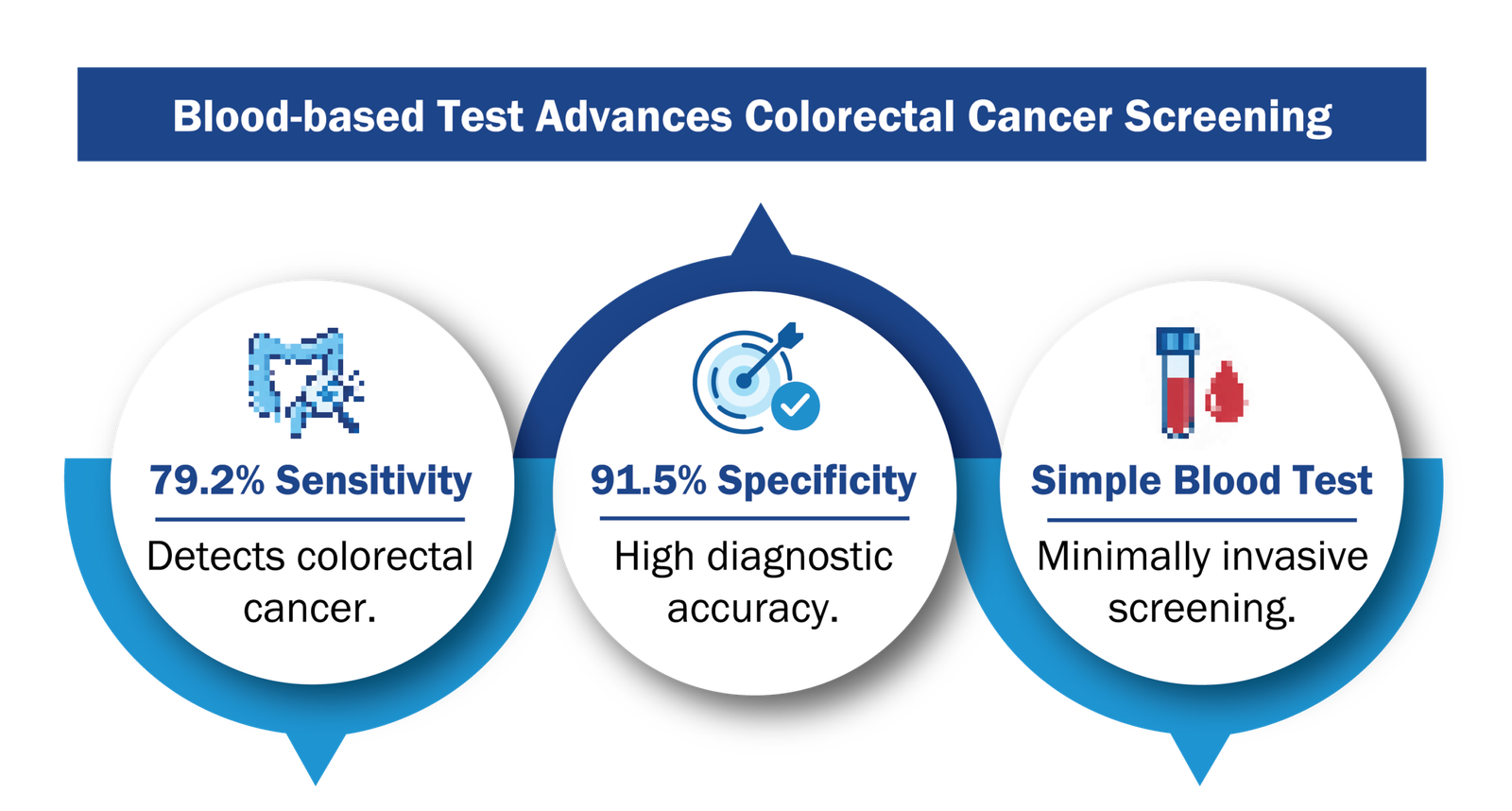
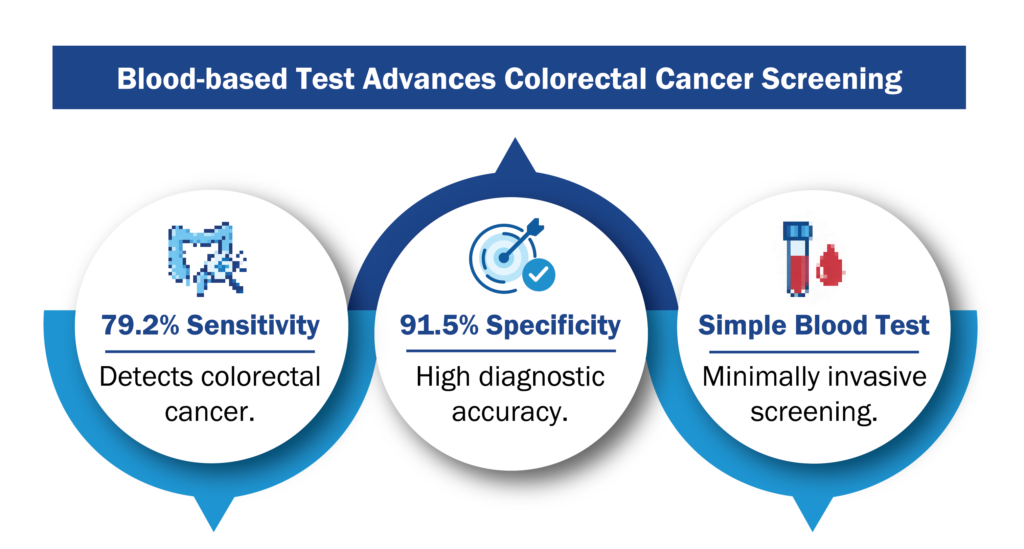
The FDA approved SimpleScreen CRC, a blood-based colorectal cancer screening test, making the second FDA-approved blood-based screening test for colorectal cancer. The Premarket Approval (PMA) indication applies to average-risk adults aged 45 and older who have been referred for screening by a healthcare professional; a positive result must be followed by diagnostic colonoscopy. Approval was based on the PREEMPT CRC study, a prospective, multi-centre trial that enrolled 48,995 asymptomatic, average-risk adults aged 45–85 across multiple U.S. sites, all of whom were scheduled for screening colonoscopy. In the evaluable cohort of 27,010 participants, the test detected colorectal cancer with 79.2% sensitivity and 91.5% specificity.
Clinical Implications
  • Provides a minimally invasive, blood-based alternative to stool-based tests and colonoscopy for initiating colorectal cancer screening in average-risk adults.
  • The PMA covers an updated version that demonstrated improved performance (80.4% sensitivity for CRC at 90% specificity, with gains in advanced precancerous lesion and high-grade dysplasia detection), suggesting further label/performance updates may follow.
  • The test is explicitly not a replacement for diagnostic or surveillance colonoscopy in high-risk individuals, and a positive result requires colonoscopy follow-up.

At SunAct, we remain dedicated to tracking and sharing global advances that continue to redefine the landscape of cellular therapy and oncology. Stay tuned for our next edition as we uncover more breakthroughs and emerging trends shaping the future of cancer research.

Disclaimer: This newsletter is intended for healthcare professionals and researchers. Information is for educational purposes only.
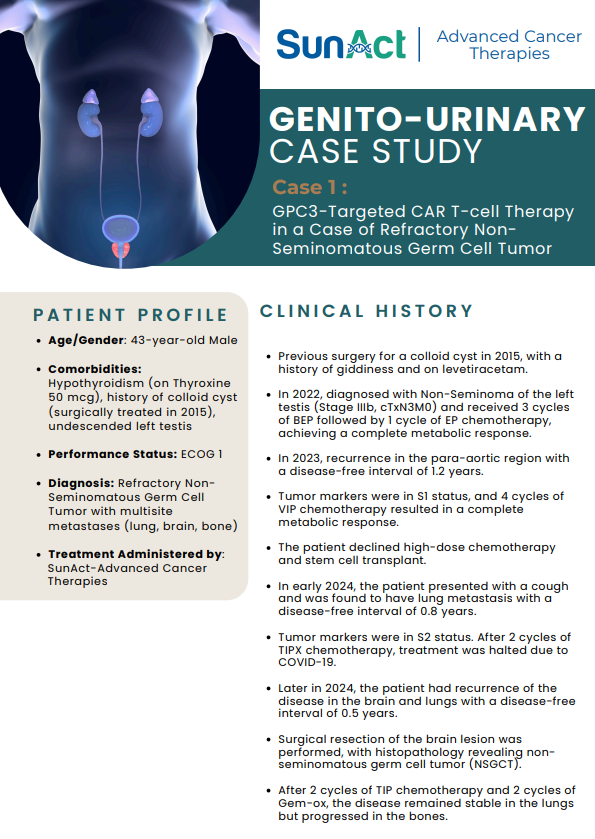
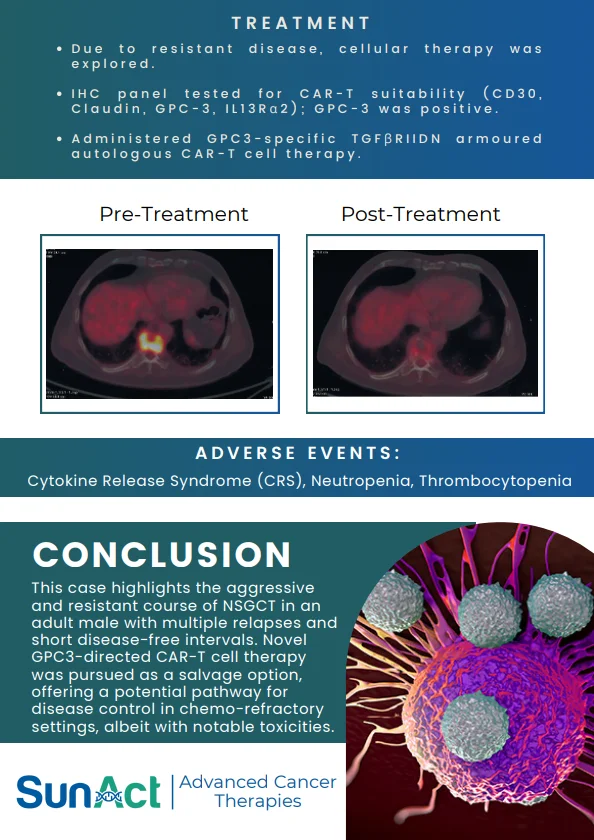
SunAct genitourinary cancer case study on GPC3-targeted CAR T therapy for refractory non-seminomatous germ cell tumor
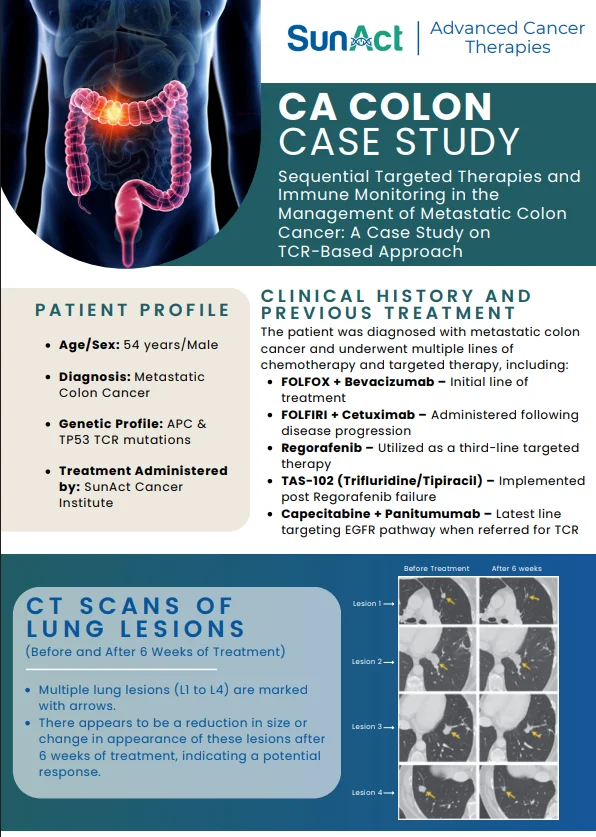
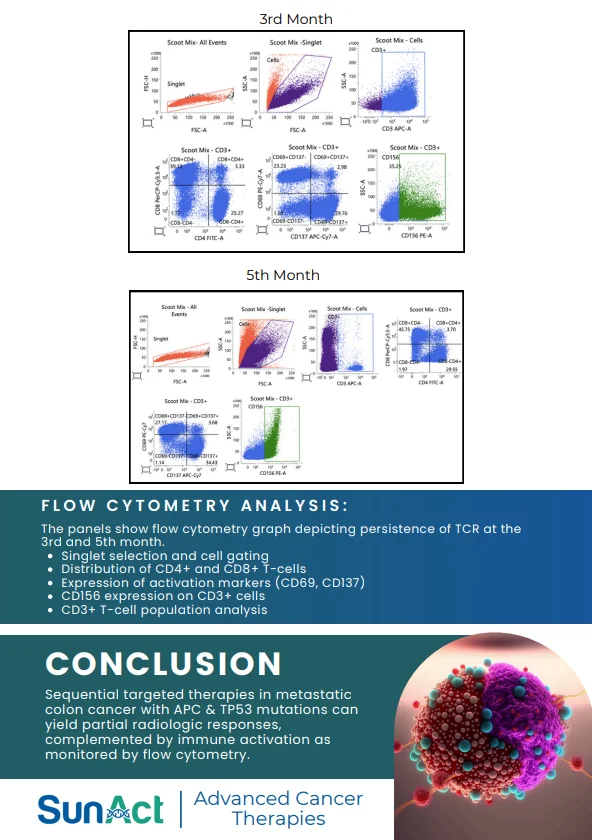
SunAct colon cancer case study highlighting TCR-based approach in metastatic colon cancer with lung lesions
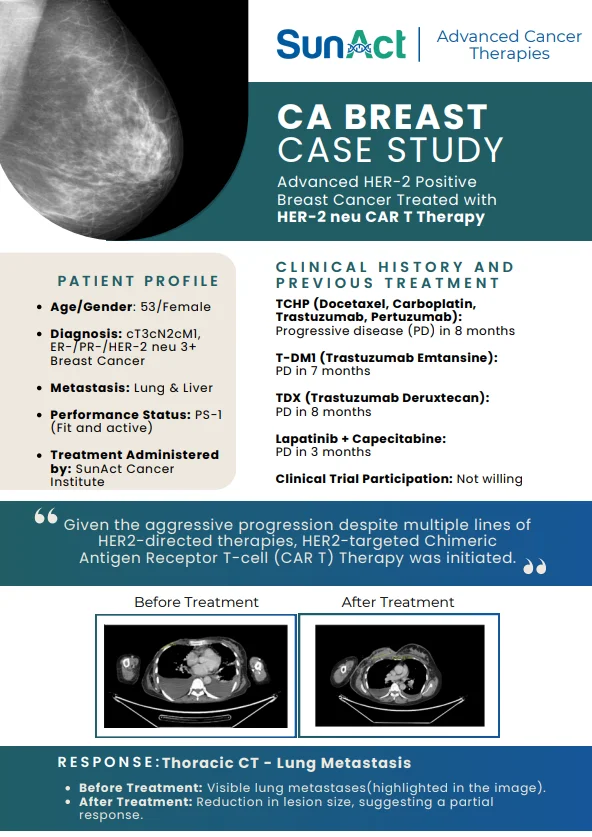
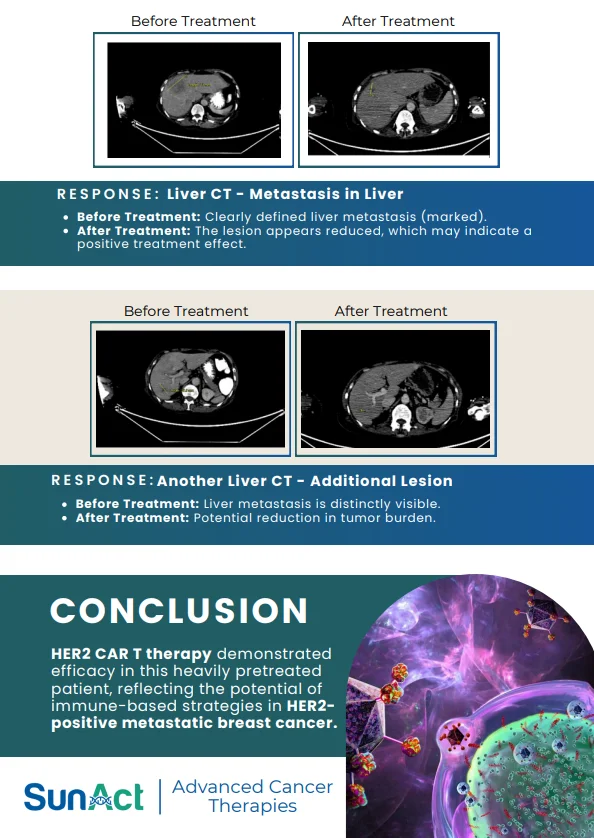
SunAct breast cancer case study showcasing HER2-positive treatment with CAR T-cell therapy
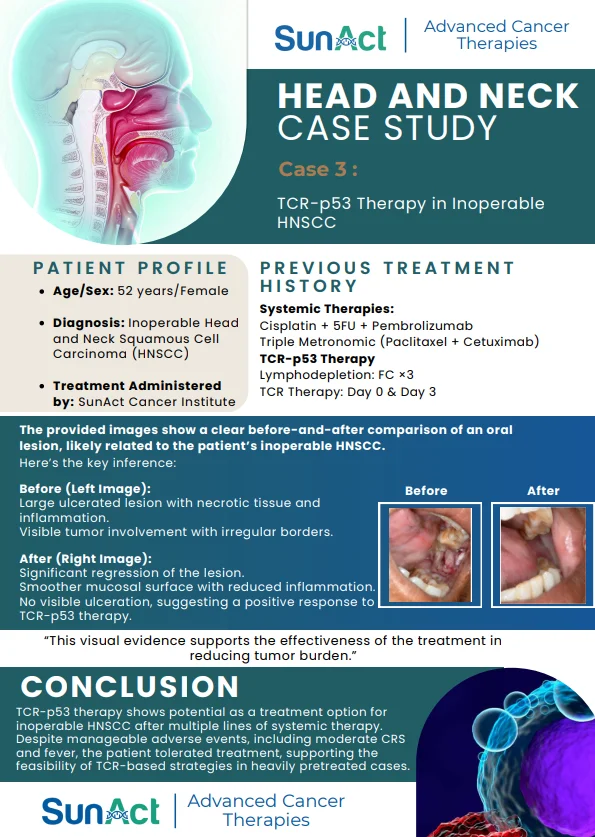
SunAct head and neck cancer case study using TCR-p53 therapy in inoperable squamous cell carcinoma
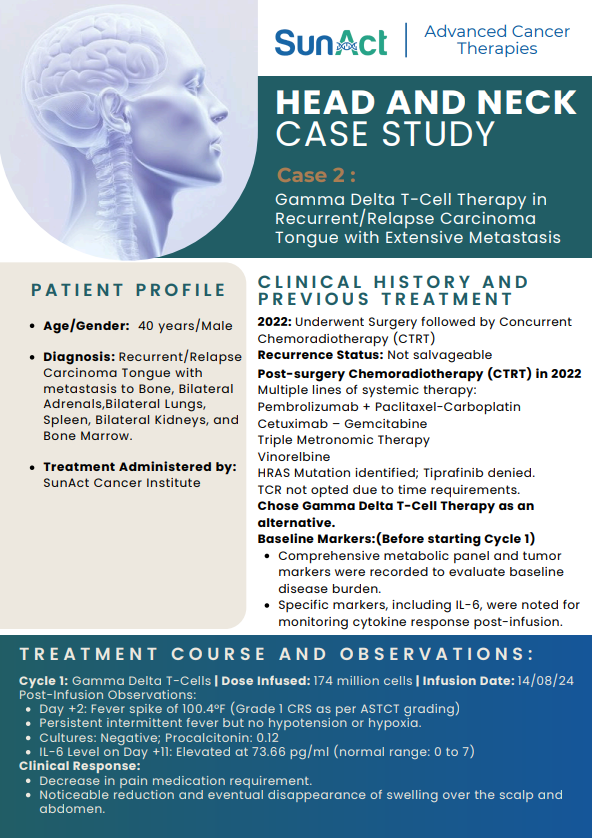
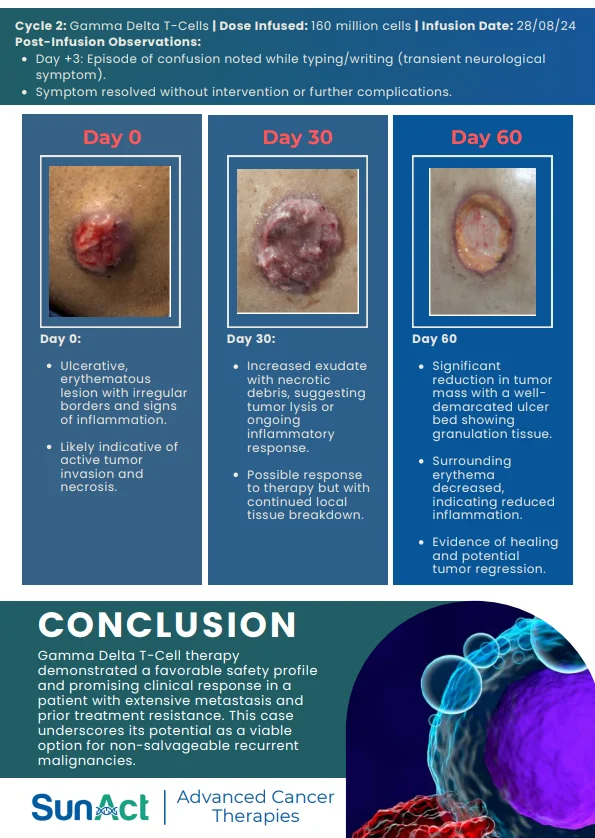
SunAct case study featuring gamma delta T-cell therapy for recurrent tongue carcinoma with extensive metastasis
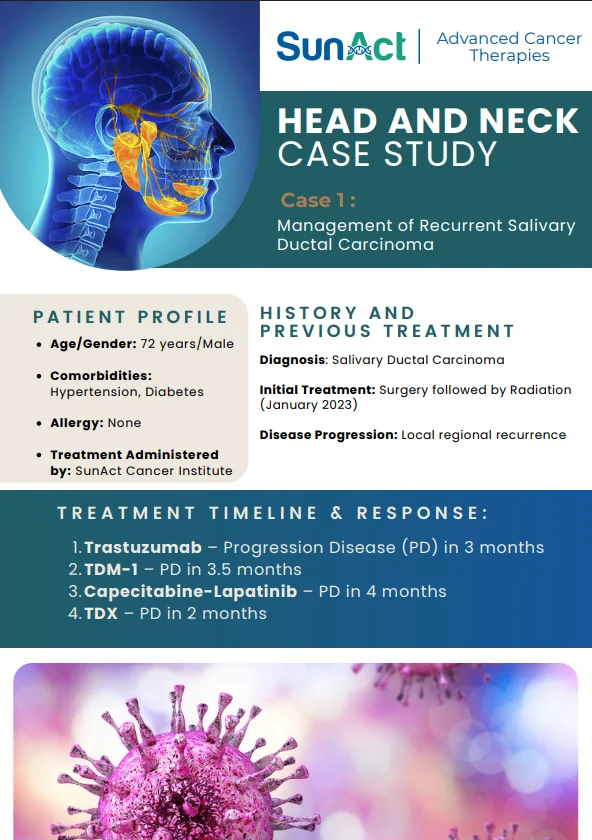
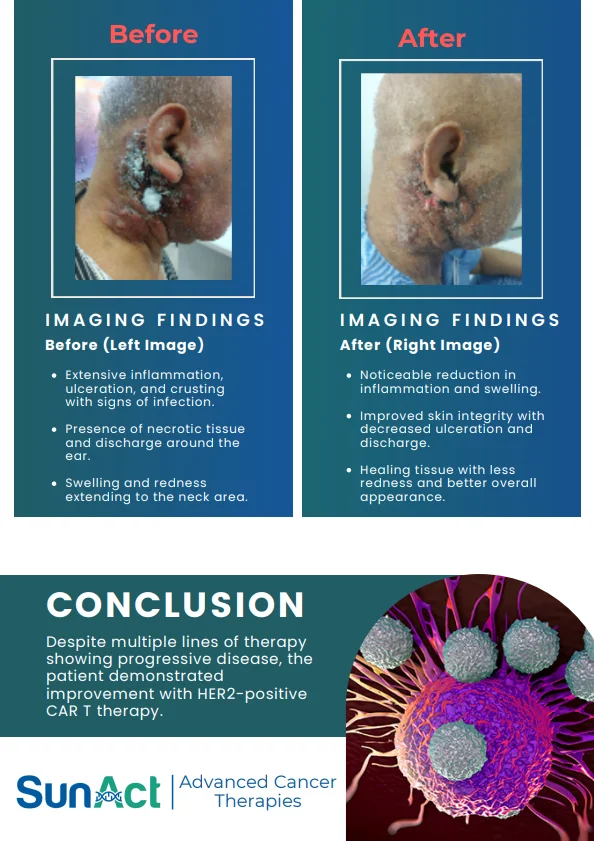
SunAct head and neck cancer case study on salivary ductal carcinoma managed with advanced therapies
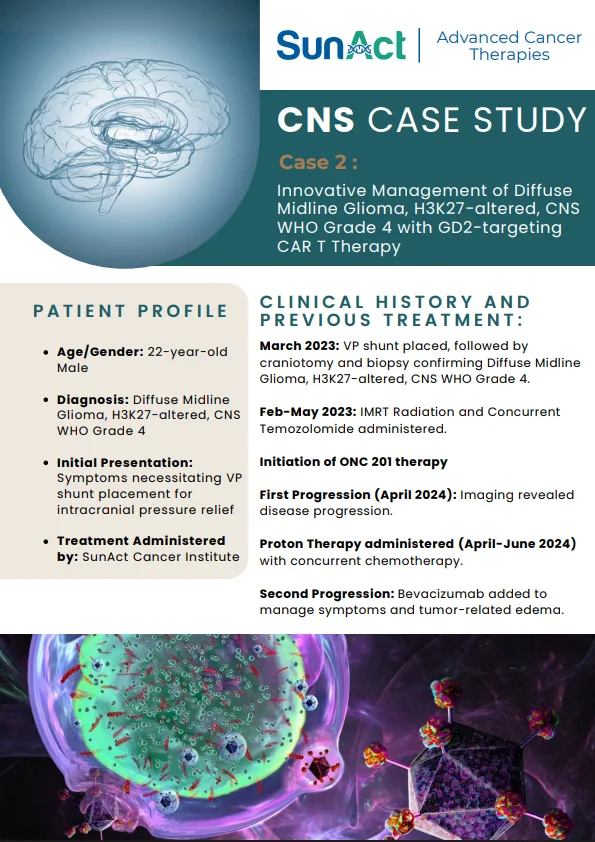
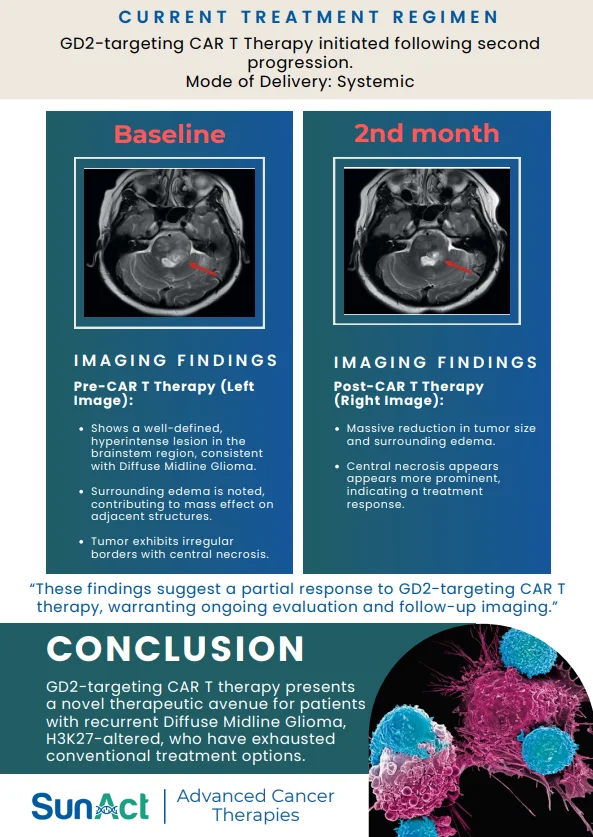
SunAct case study on GD2-targeted CAR T therapy for diffuse midline glioma in a 22-year-old male
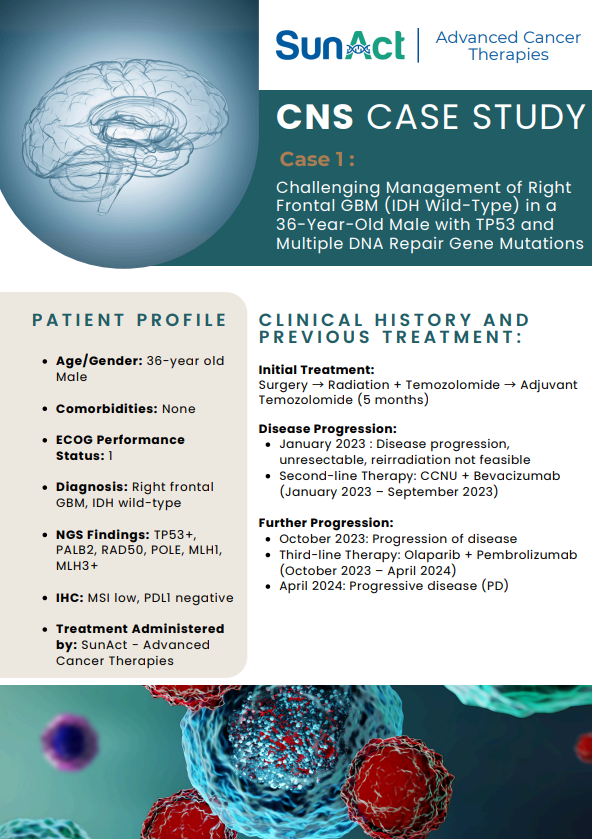
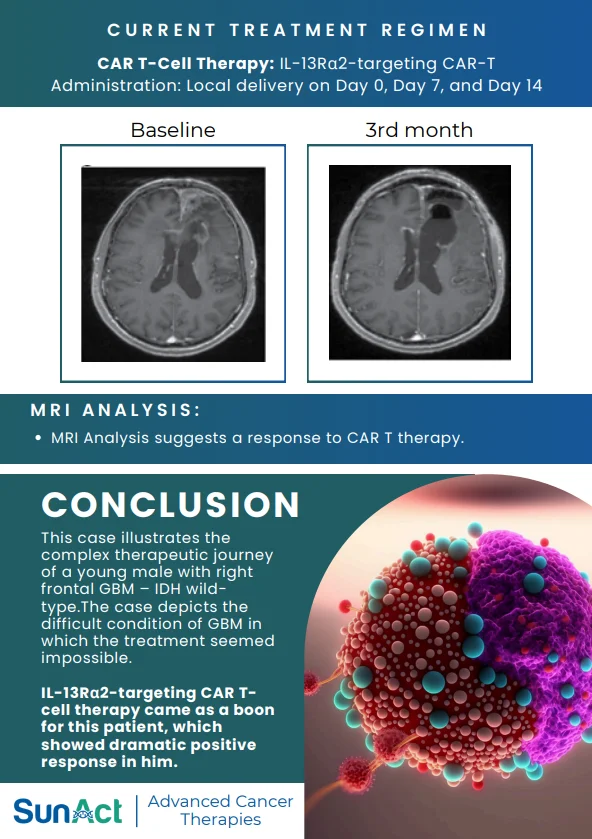
SunAct CNS case study on GBM treatment using multiple gene mutation targeting in a 36-year-old male