
IN VIVO BCMA CAR-T | KRAS VACCINE | PD-1/VEGF BISPECIFIC | EARLY PANCREATIC DETECTION
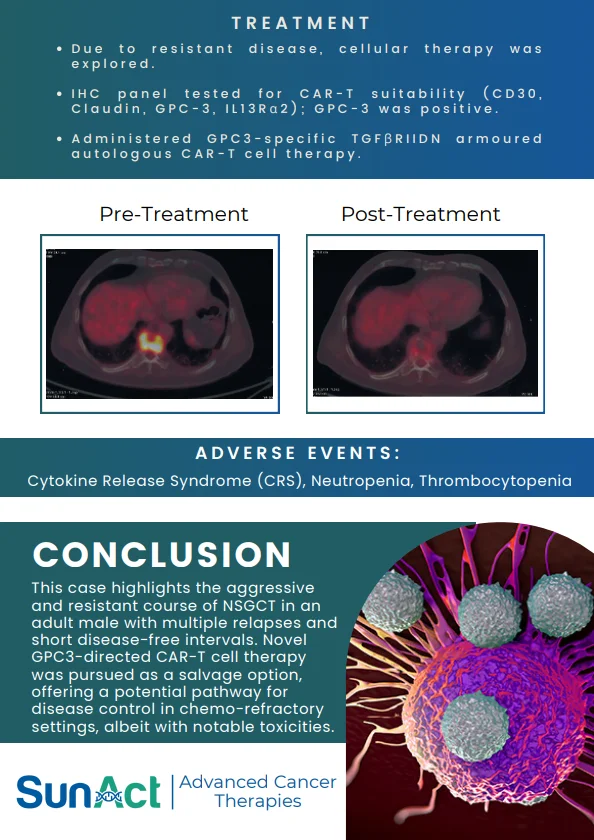
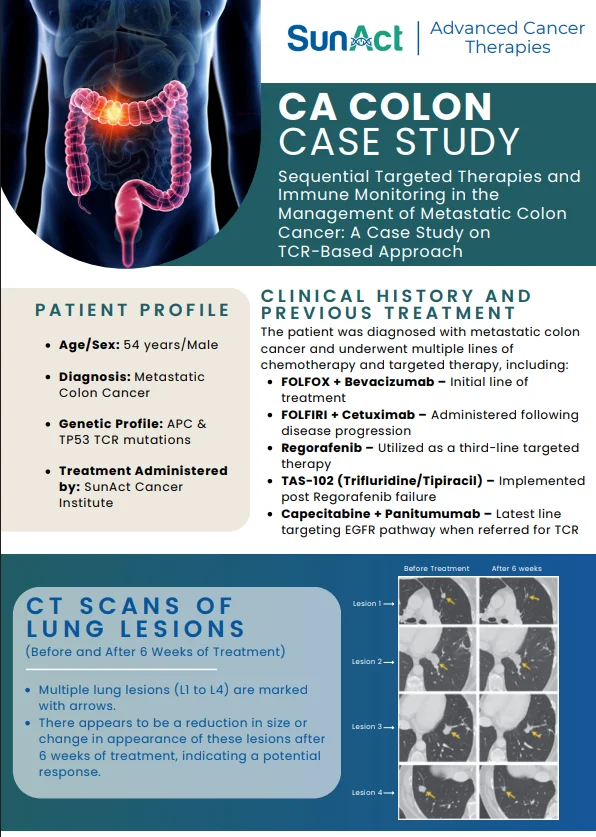
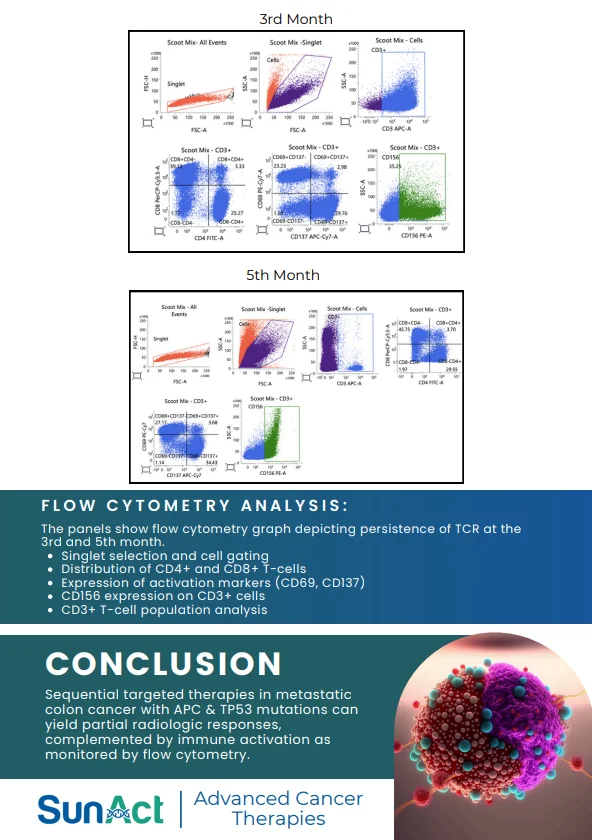
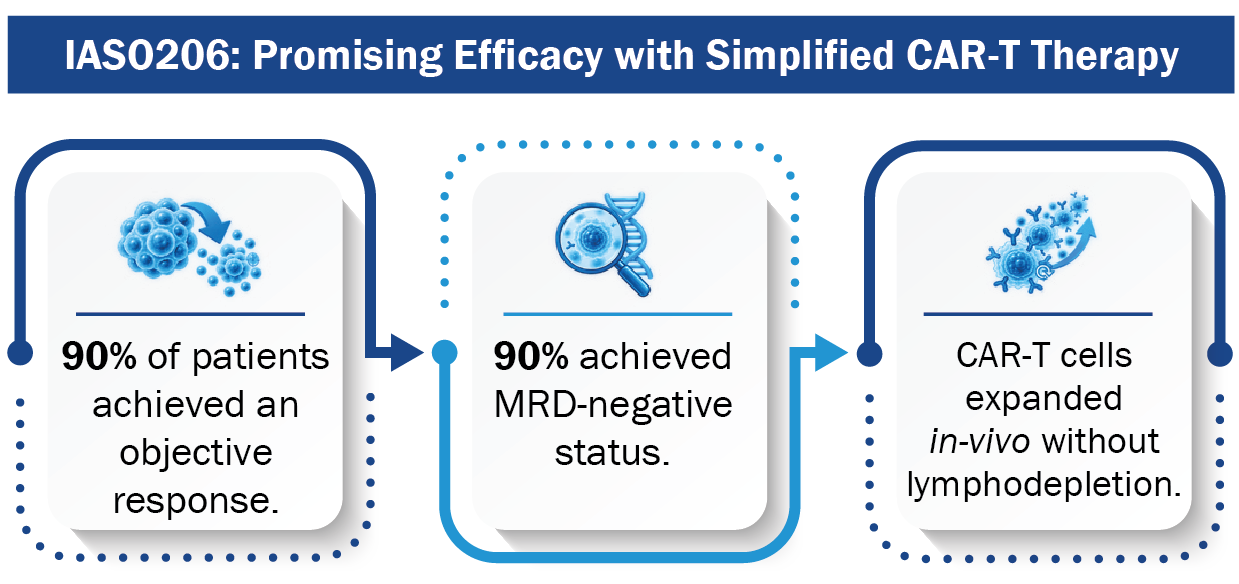
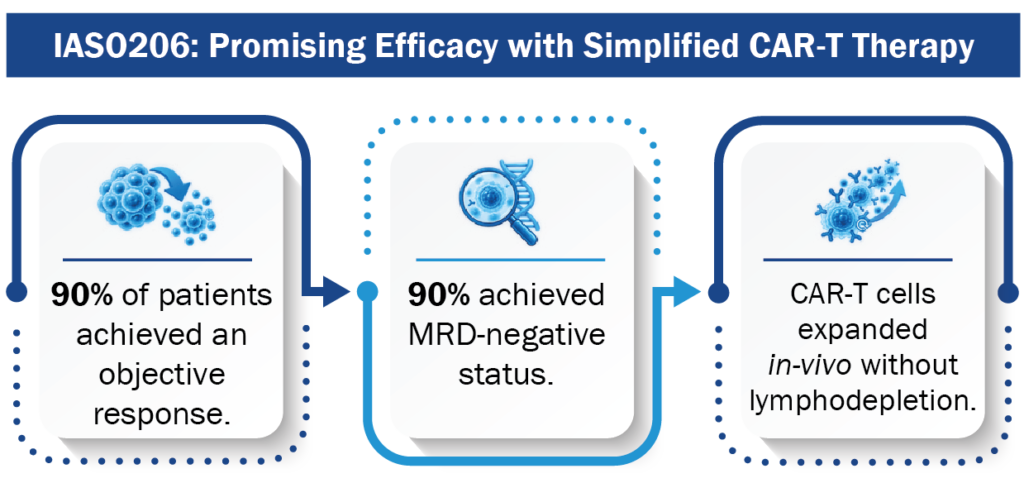
IASO206 is an in vivo BCMA-targeted CAR-T therapy evaluated in a Phase 1 study involving 10 heavily pretreated relapsed/refractory multiple myeloma patients. A single IV infusion generated functional CAR-T cells without apheresis, ex vivo manufacturing, or lymphodepleting chemotherapy. CAR-T cells expanded in vivo and persisted for up to six months. The overall response rate and MRD-negativity rate were both 90%, reaching 100% in the high-dose cohort. No dose-limiting toxicities, ICANS, or treatment-related deaths occurred. CRS was grade 2 or lower. Follow-up remains limited, requiring further evaluation of response durability and optimal dosing

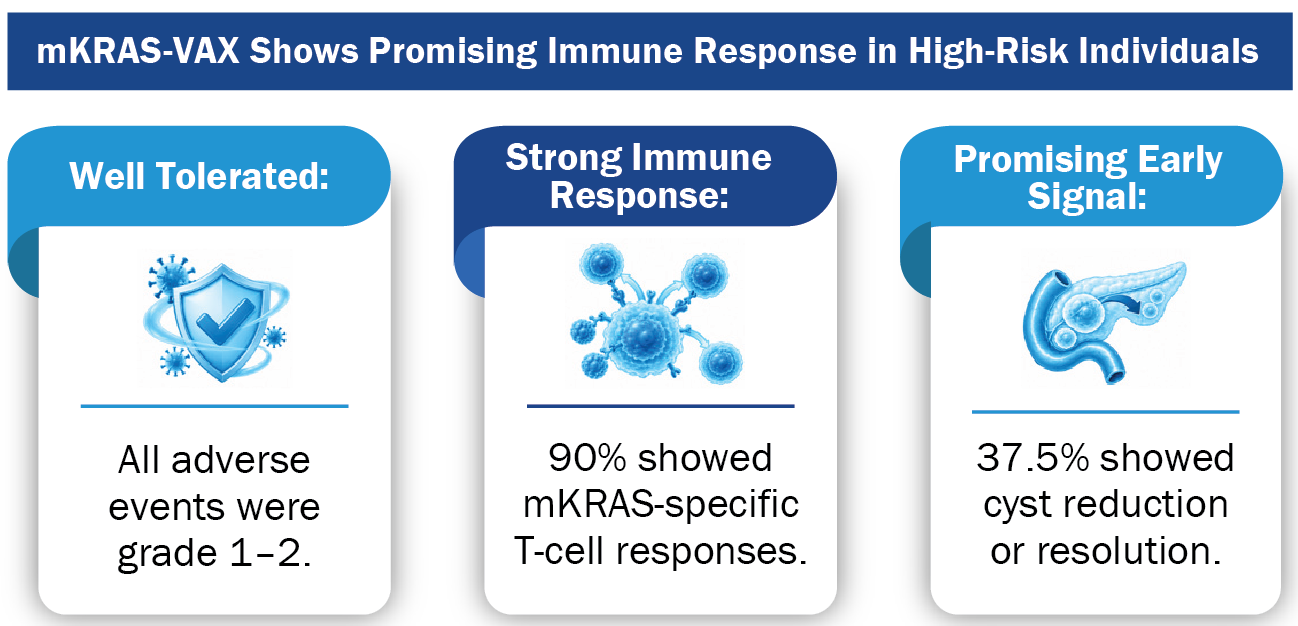
Pancreatic ductal adenocarcinoma (PDAC) arises from precursor lesions over a decade or more, which offers a window for interception in high-risk individuals. However, current surveillance detects only a minority of precursors. Mutant KRAS (mKRAS) is present in most PDACs and their precursors, making it an appealing target for immune-based interception. A phase I, first-in-human study tested mKRAS-VAX, a peptide vaccine targeting six common KRAS mutations (G12D, G12V, G12R, G12C, G12A and G13D). The trial enrolled 20 individuals with hereditary PDAC predisposition and a radiographic pancreatic abnormality, typically a small cyst consistent with an IPMN (NCT05013216, Cohort A). The primary aims were to assess safety, immunogenicity and T cell persistence. Participants received the vaccine four times over 13 weeks

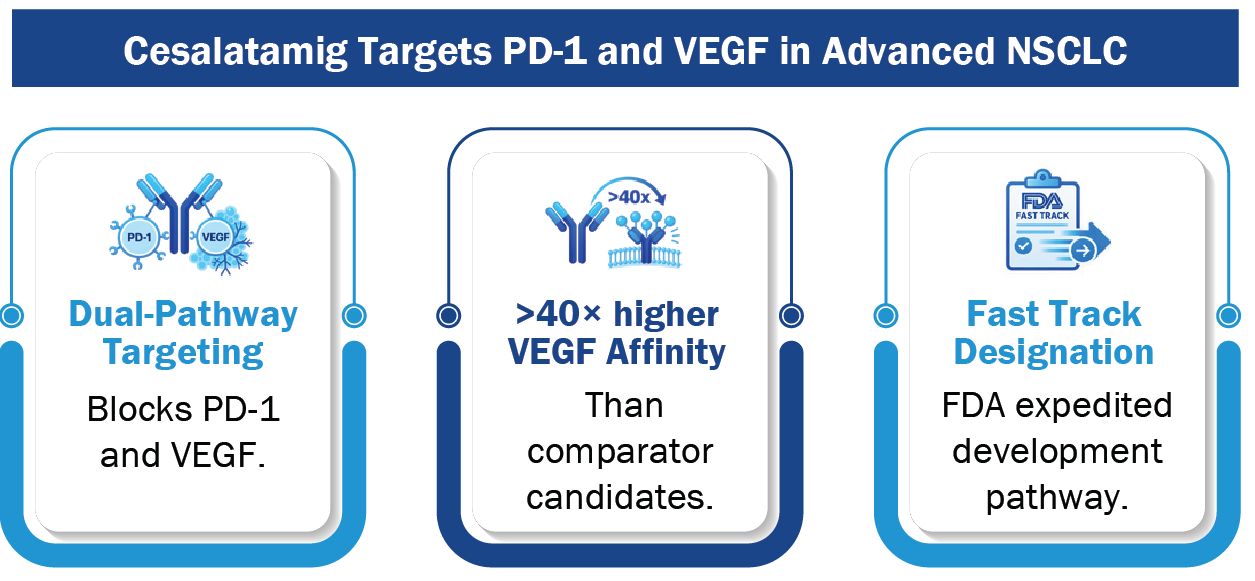
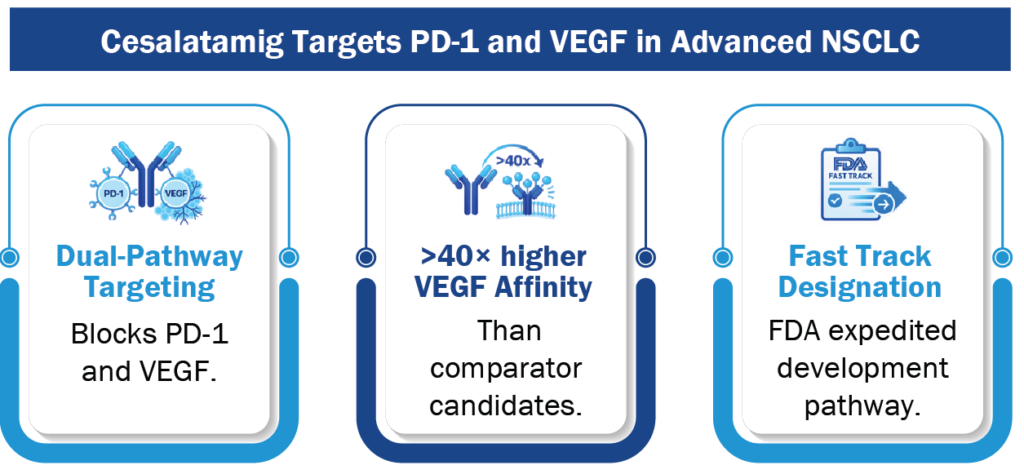
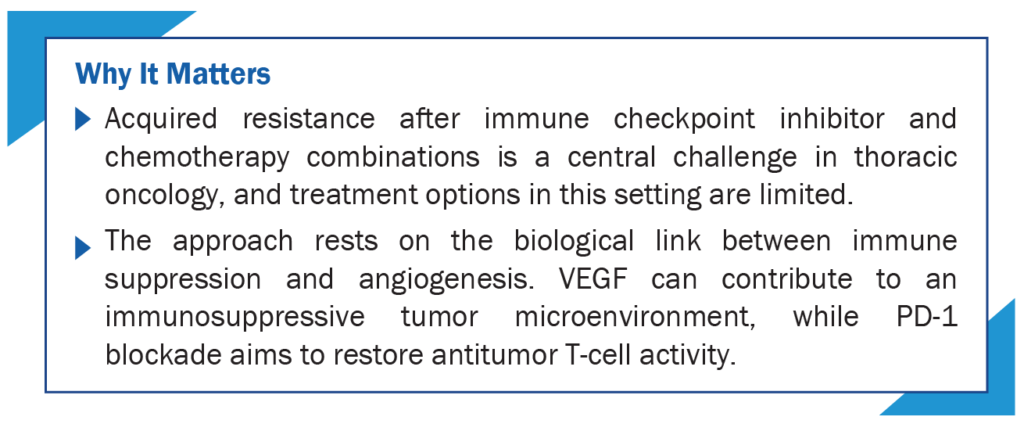
The U.S. Food and Drug Administration (FDA) has granted Fast Track Designation to cesalatamig (AI-081), an investigational PD-1/VEGF bispecific antibody. The designation applies to adults with advanced or metastatic non-small cell lung cancer (NSCLC) whose disease has progressed after PD-(L)1-targeted immunotherapy and platinum-based chemotherapy, given concurrently or sequentially. Cesalatamig is being evaluated in the global Phase 1/2 BiPAVE-001 program in the United States and China.
Reference: FDA Fast Track Designation for Cesalatamig, an Investigational PD-1/VEGF Bispecific Antibody, September 16, 2026; ClinicalTrials.gov NCT06635785.
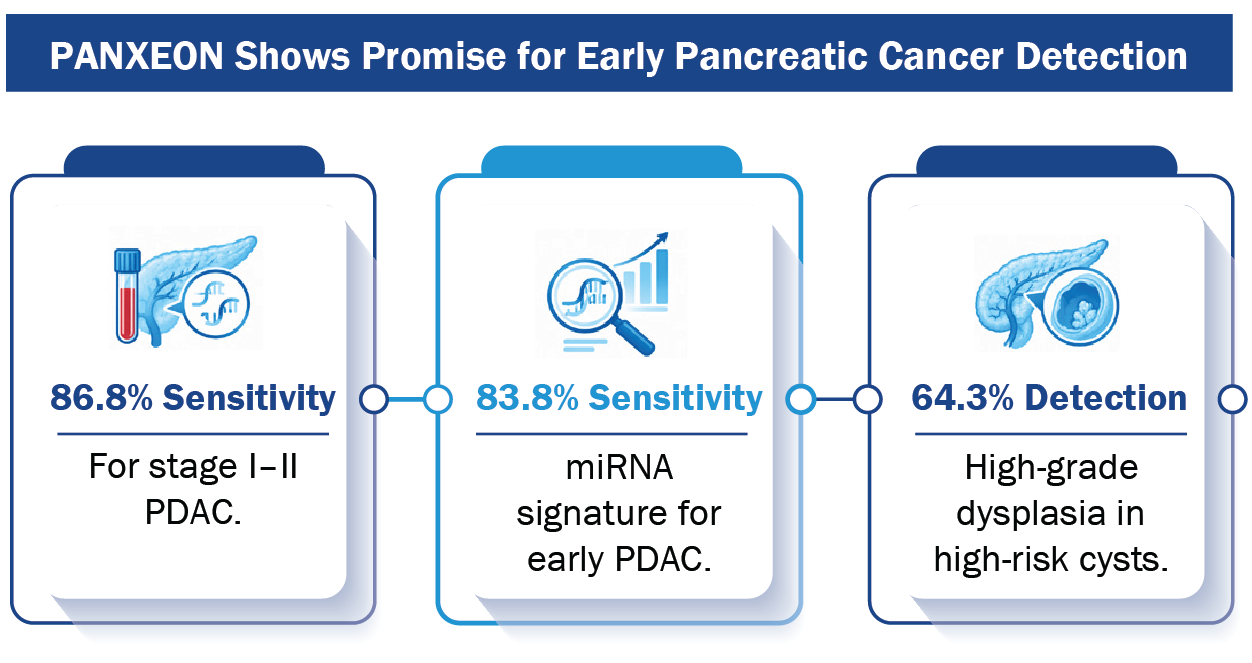
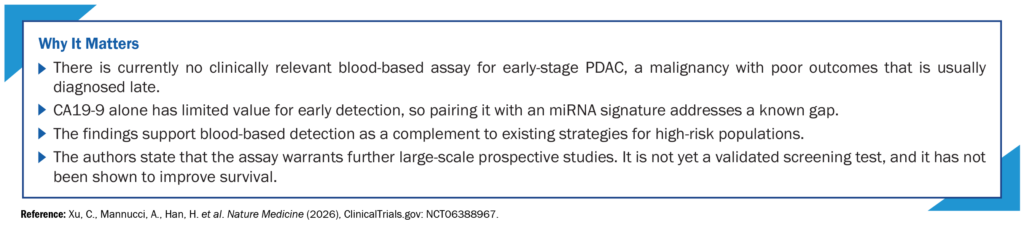
An international, multicenter, prospective observational biomarker study of 1,785 individuals from four countries evaluated PANXEON (PANcreatic cancer eXosome Early detectiON). PANXEON is a composite score combining a 10-miRNA blood signature (hsa-miR-142-3p, miR-30c-5p, miR-335-5p, miR-340-5p, miR-200b-3p, miR-1260b, miR-145-3p, miR-145-5p, miR-429 and miR-200a-3p) with carbohydrate antigen 19-9 (CA19-9). The miRNA signature alone achieved an AUC of 88.6% in the testing cohort, with 83.8% sensitivity for early-stage pancreatic ductal adenocarcinoma (PDAC) and minimal cross-reactivity with other gastrointestinal cancers.

At SunAct, we remain dedicated to tracking and sharing global advances that continue to redefine the landscape of cellular therapy and oncology. Stay tuned for our next edition as we uncover more breakthroughs and emerging trends shaping the future of cancer research.
Disclaimer: This newsletter is intended for healthcare professionals and researchers. Information is for educational purposes only.