2 December 2025
What Is Thalassemia?
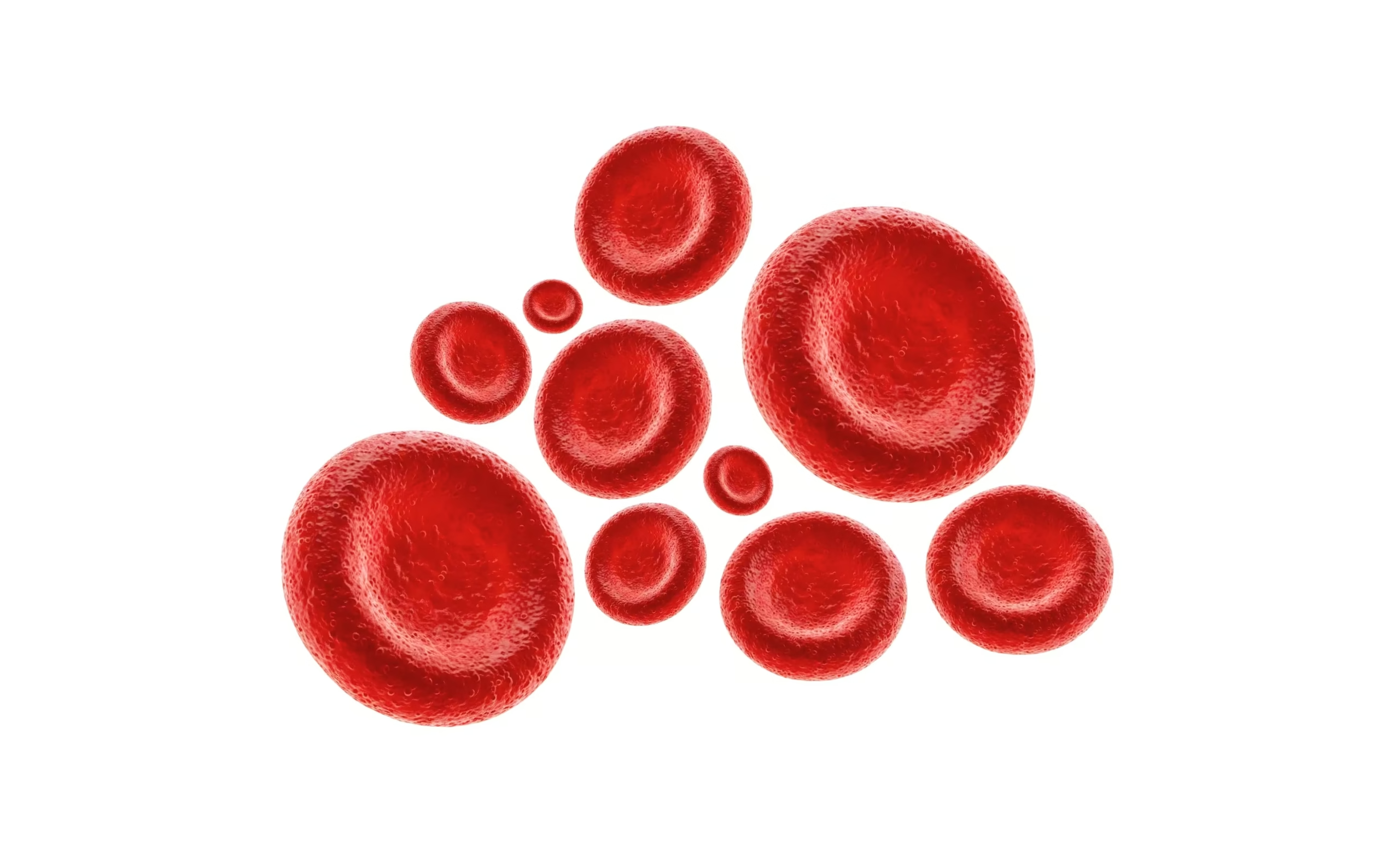
Thalassemia is a genetic blood disorder in which the body is unable to produce enough healthy hemoglobin.
Hemoglobin is the protein that carries oxygen to all parts of the body.
When hemoglobin production is low or abnormal:
- The body makes fewer red blood cells
- The red blood cells break down early
- Oxygen delivery to tissues decreases
This leads to anemia (low hemoglobin), which can cause fatigue, weakness, and many other symptoms.
Why Does Thalassemia Happen?
Thalassemia occurs because of a change in the genes responsible for making hemoglobin. These gene changes are inherited.
How It Is Inherited (Passed On)
Every person gets one set of hemoglobin genes from each parent. Depending on how many genes are affected, thalassemia can be mild, moderate, or severe.
- If one parent passes a faulty gene:
The child becomes a carrier (called Thalassemia Minor). Usually, there are no major symptoms. - If both parents pass faulty genes:
The child may develop Thalassemia Major or Intermedia, which are more severe.
Thalassemia is not caused by diet, lifestyle, or infection. It is purely genetic.
Types of Thalassemia
- Alpha Thalassemia
Occurs when the alpha part of hemoglobin is affected.
- Beta Thalassemia
Occurs when the beta part of hemoglobin is affected.
(This is the most common type in India.)
Beta Thalassemia is further classified into:
- Thalassemia Minor (Trait):
Mild, usually no symptoms. Often discovered during routine tests. - Thalassemia Intermedia:
Moderate anemia, may require occasional medical care. - Thalassemia Major:
Severe anemia appearing in the first year of life. Requires regular treatment.
What Are the Symptoms of Thalassemia?
Symptoms depend on the type:
Thalassemia Minor (Trait)
- Usually no symptoms
- Mild anemia may occur
Thalassemia Intermedia/Major
- Severe anemia
- Tiredness and weakness
- Pale skin
- Disturbed growth in children
- Frequent infections
- Enlarged spleen or liver
How Is Thalassemia Diagnosed?
Doctors use several tests:
- Complete Blood Count (CBC)
Shows anemia and small-sized red blood cells.
- Hemoglobin Electrophoresis / HPLC
Confirms the type of thalassemia by measuring different hemoglobin levels.
- Genetic Testing
Detects specific gene changes, useful for family planning and early diagnosis.
- Prenatal Testing
Helps detect thalassemia in the baby during pregnancy.
How Is Thalassemia Treated?
Treatment depends on the severity.
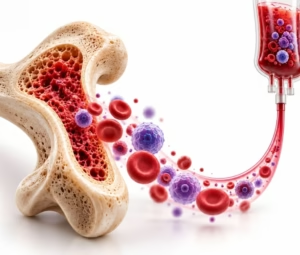
- Regular Blood Transfusions
Used mainly for Thalassemia Major. They help maintain normal hemoglobin levels so the body gets enough oxygen.
- Iron Chelation Therapy
Repeated transfusions cause extra iron to build up in the body. This can damage organs like the heart and liver. Chelation therapy uses special medicines to remove excess iron.
- Folic Acid Supplements
Helps the body make red blood cells.
- Managing Enlarged Spleen
Sometimes the spleen becomes too large and removes blood cells too quickly. Doctors may recommend treatment or surgery if needed.
- Bone Marrow / Stem Cell Transplant
This is the only potential cure for thalassemia in selected patients. It replaces the faulty bone marrow with healthy donor cells.
- Emerging Therapies Research is advancing rapidly:
- Gene therapy (corrects the faulty gene)
- Gene editing like CRISPR
- Newer medications to improve hemoglobin production
Conclusion
Thalassemia is a genetic condition that affects the body’s ability to make hemoglobin, but it is highly manageable with modern medical care. Early diagnosis, personalised treatment, and regular monitoring can help patients lead healthy lives. Although it is a lifelong condition, medical advances have made it far more manageable today. Early diagnosis and proper treatment can help patients live healthy and fulfilling lives.