2 January 2026
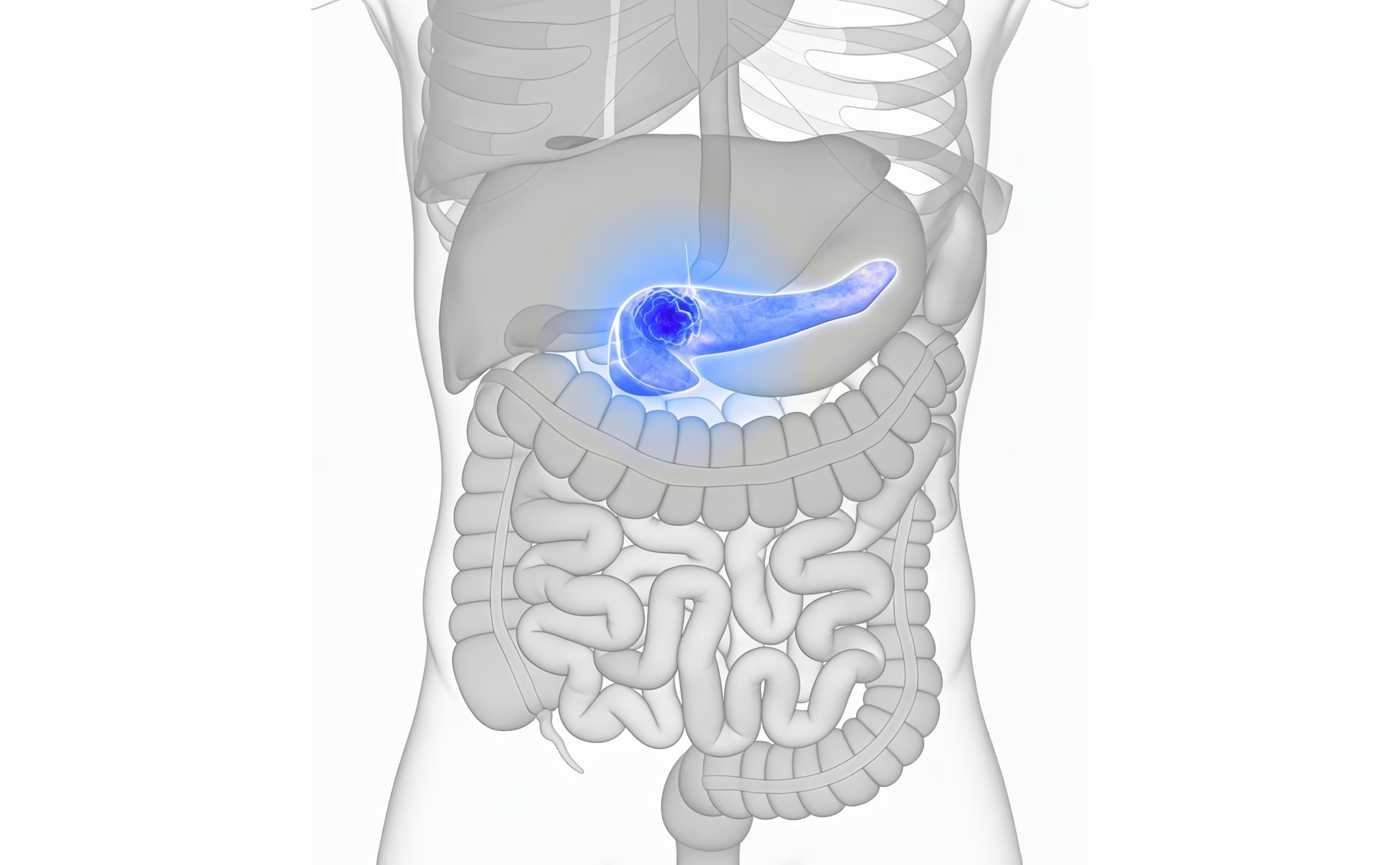
Pancreatic cancer is one of the most aggressive and lethal cancers worldwide. Its silent onset, rapid progression, and strong resistance to treatment mean that most patients are diagnosed only when the disease has already reached an advanced or metastatic stage. As a result, curative treatment is often no longer possible, and outcomes remain poor, making pancreatic cancer a major unmet challenge in modern oncology.
A Growing Global Burden
The global impact of pancreatic cancer is alarming. In 2022 alone, an estimated 510,922 new cases and 467,409 deaths were reported worldwide, equating to nearly one death every 70 seconds. Projections suggest that by 2050, the number of new cases could approach one million annually, potentially making pancreatic cancer one of the leading causes of cancer-related death. In India, incidence is steadily rising, with increasing diagnoses among younger individuals, particularly in regions with high tobacco use.
Why Diagnosis and Prognosis Are So Poor
One of the greatest challenges in pancreatic cancer is late diagnosis. Early symptoms are often vague such as fatigue, unexplained weight loss, or mild abdominal discomfort and are easily mistaken for common health issues. By the time more specific symptoms appear, the cancer has frequently spread beyond the pancreas, limiting treatment options and dramatically reducing survival rates.
Current Treatments and Their Limitations
Surgery is the only potentially curative option, but fewer than 20% of patients are eligible at diagnosis and recurrence remains common even after successful resection. For patients with advanced disease, chemotherapy remains the mainstay of treatment. Combination regimens such as FOLFIRINOX or gemcitabine with nab-paclitaxel have modestly improved survival but are associated with significant side effects and only limited life extension.
Pancreatic tumours are also biologically difficult to treat. They are surrounded by dense tissue that prevents drugs from reaching cancer cells effectively and actively suppress the immune system, reducing the effectiveness of modern targeted and immune-based therapies.
A New Area of Hope: Cellular Therapy
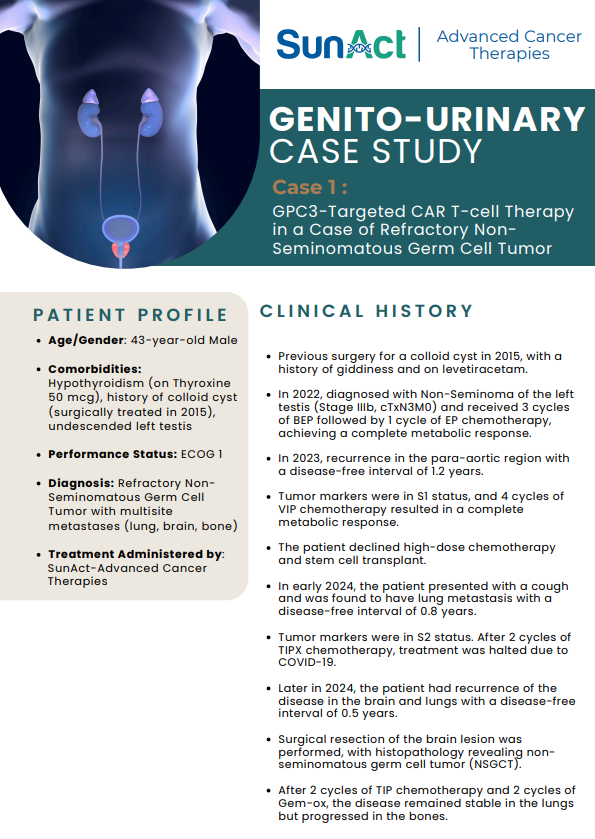
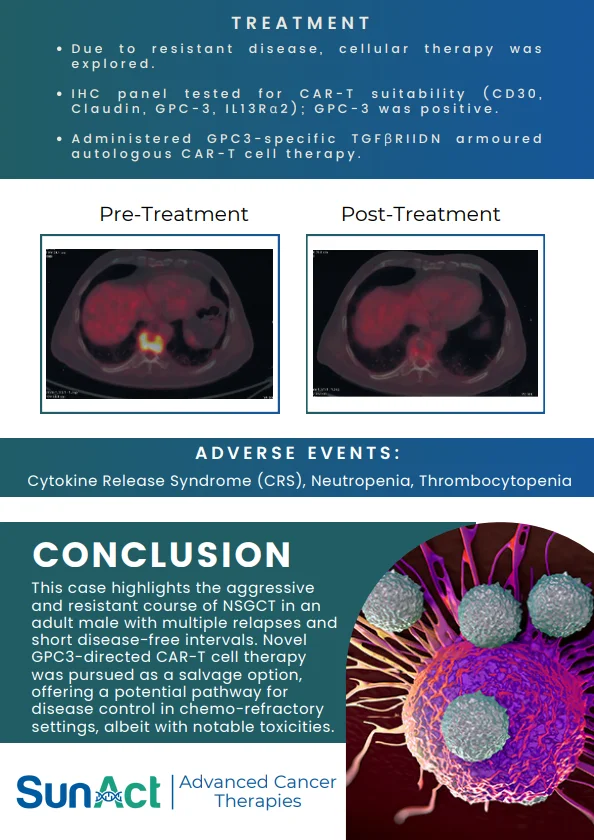
Despite these challenges, new treatment strategies are emerging. Cellular therapies, such as CAR-T cell therapy which uses a patient’s own immune cells to target cancer have revolutionized blood cancer treatment and are now being explored for pancreatic cancer. Early studies show promise, suggesting that engineered immune cells can recognize pancreatic cancer cells and trigger anti-tumour responses, even within the tumour’s hostile environment.
Looking Ahead
While pancreatic cancer remains difficult to treat, advances in biological understanding and cellular therapy offer cautious but real hope. Improving early detection, raising public awareness, and supporting innovative research will be critical to improving outcomes for patients and families affected by this devastating disease.