Reference: Nguyen DLH, et al. J Clin Oncol. 2026;44(19_suppl):14.


TP53 TCR-T TRIAL
IN VIVO BCMA CAR-T
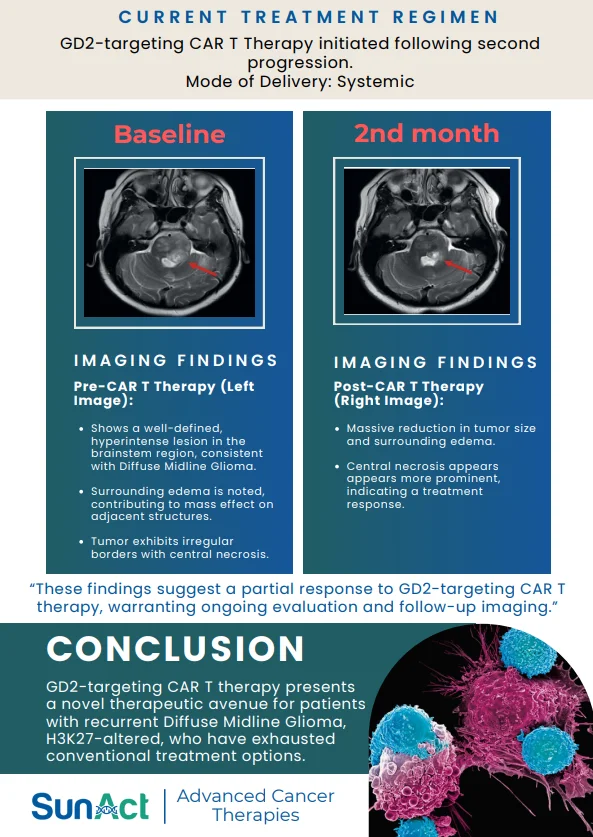
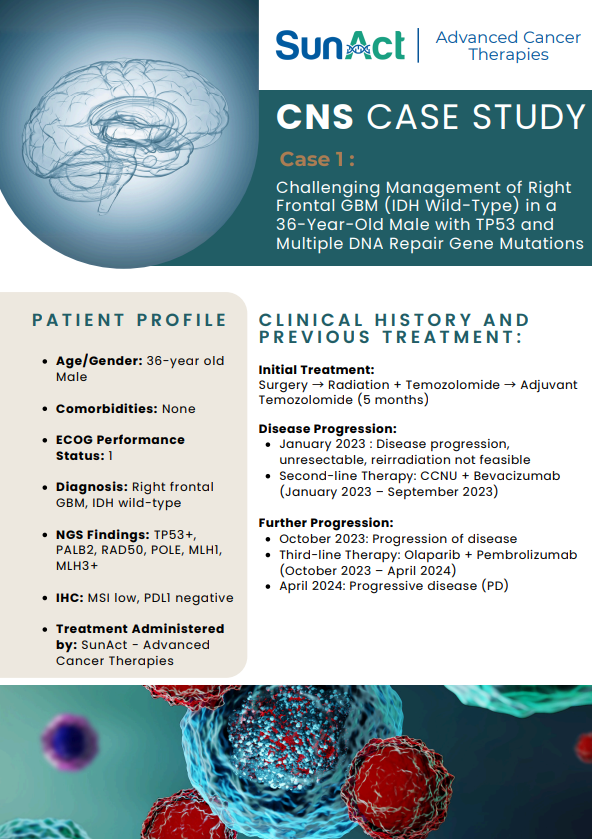
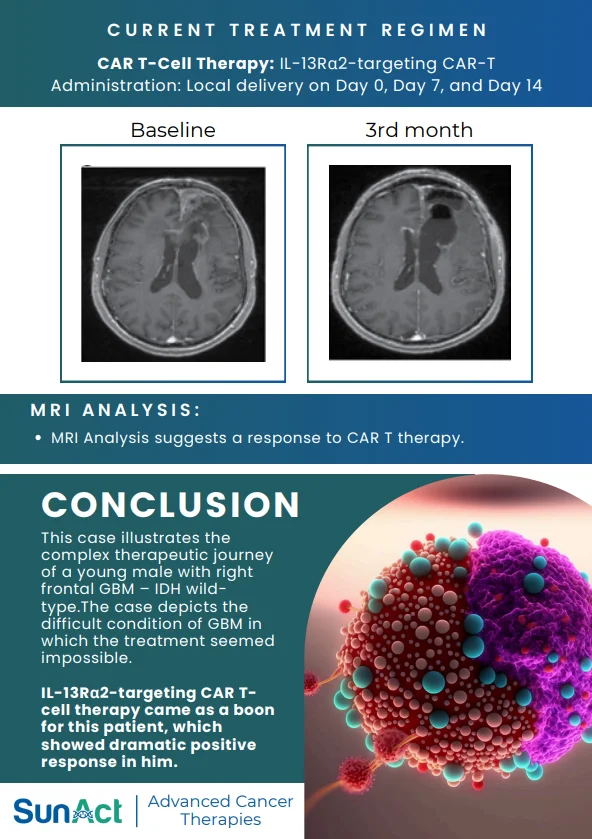
SOLID TUMOUR CAR-T
SPOT-MAS MCED TEST
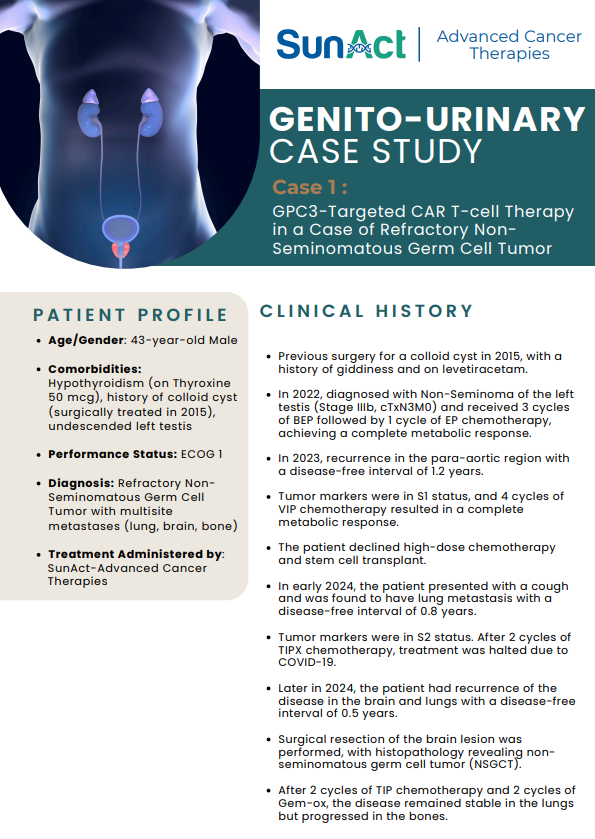
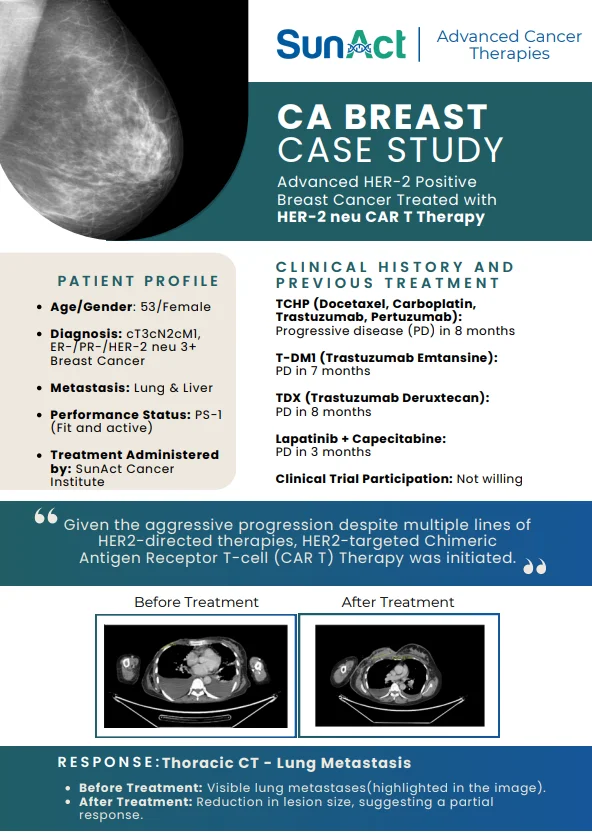
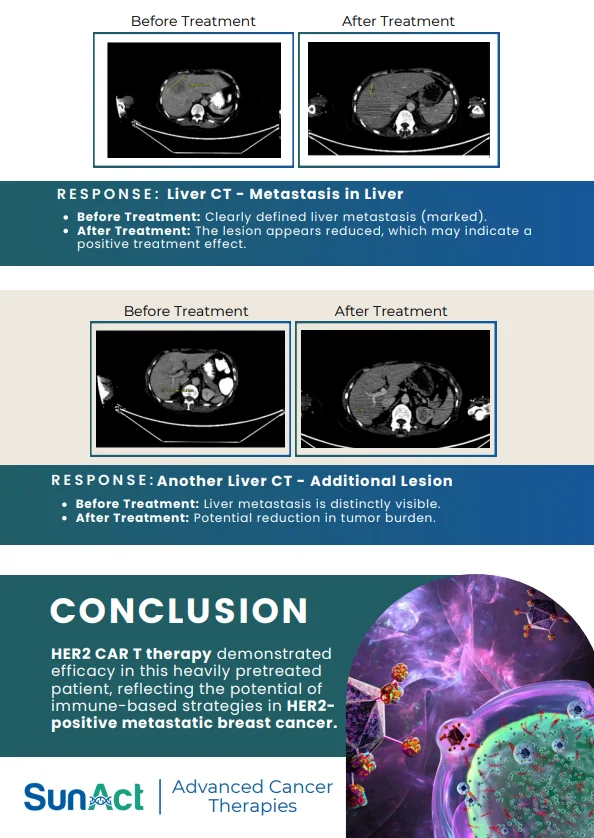
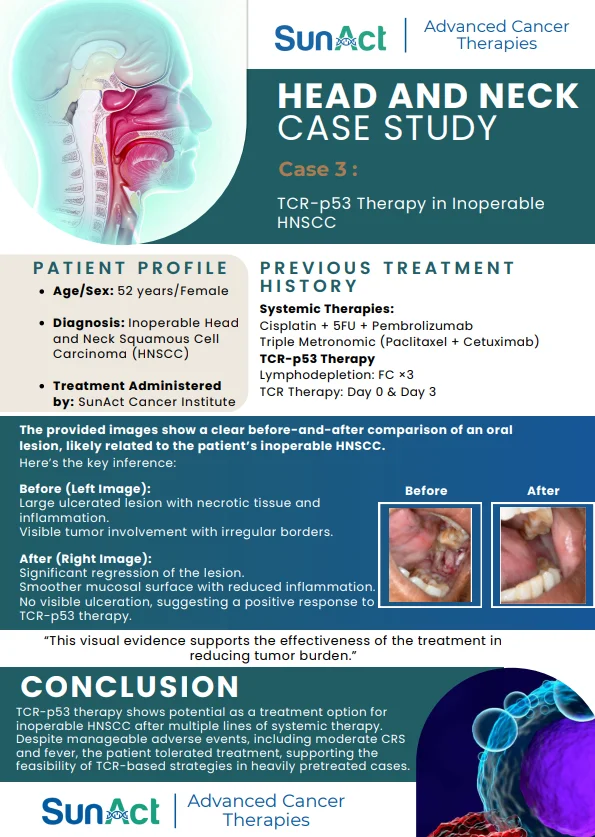
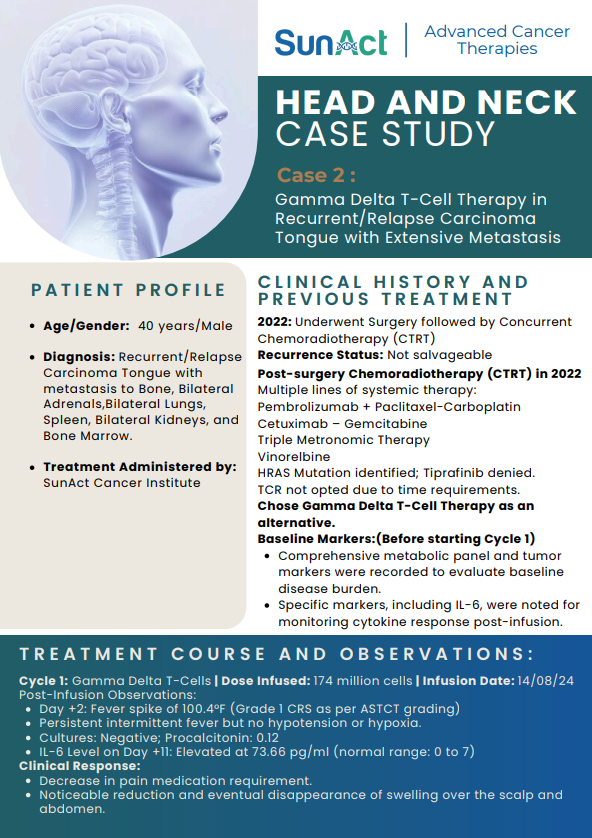
A Phase I open-label dose-escalation study of NT-175, an autologous CRISPR/Cas9-engineered T-cell receptor (eTCR-T) therapy targeting the TP53 R175H neo-antigen, demonstrated manageable safety and encouraging anti-tumor activity in heavily pre-treated solid tumours.
Design, Safety & Efficacy:
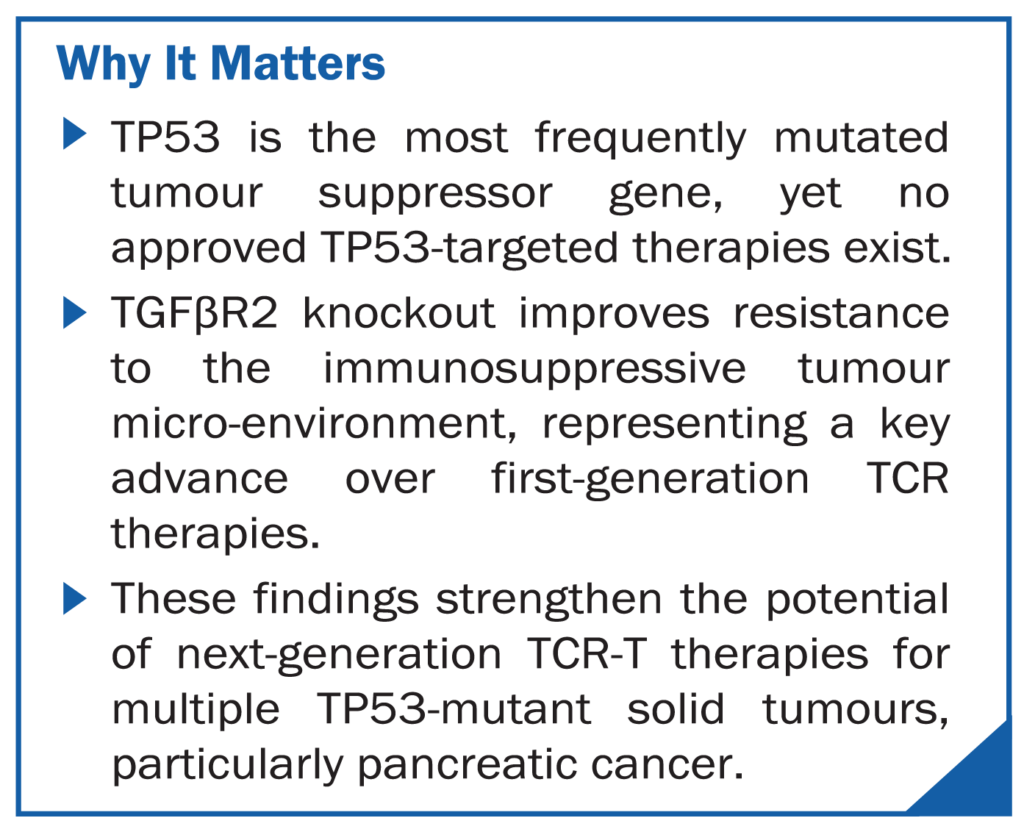
In the Phase I study (NCT05877599), HLA-A02:01-positive patients with advanced/metastatic TP53 R175H-mutant solid tumours received NT-175, an autologous TCR-T therapy engineered using CRISPR/Cas9 to replace the endogenous TCRα with an HLA-A02:01-restricted TP53 R175H-specific TCR while deleting TGFBR2 to overcome tumour micro-environment-mediated immunosuppression.
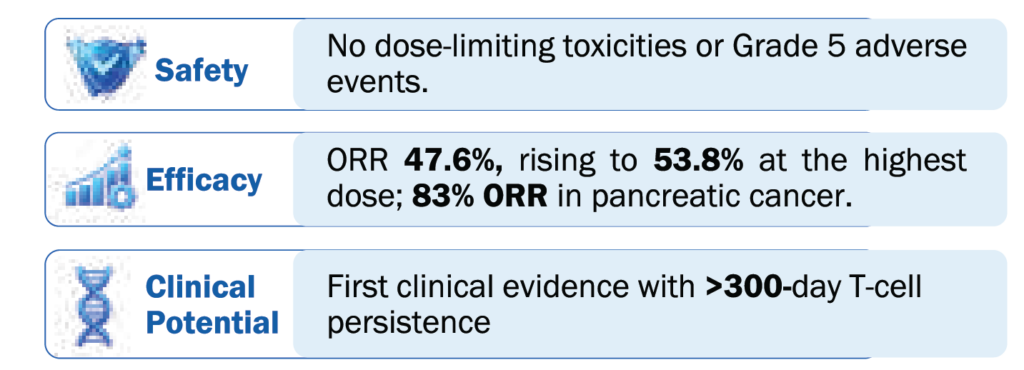
Following fludarabine/cyclophosphamide lymphodepletion, patients received a single NT-175 infusion plus subcutaneous recombinant IL-2. Across 21 treated patients (CRC n=10, PDAC n=6, breast cancer n=2, others n=3), no dose-limiting toxicities or Grade 5 adverse events occurred. CRS was observed in 52.4% of patients (Grade ≥3: 9.5%) and Grade 1 ICANS in one patient.
ORR was 47.6%, increasing to 53.8% at the highest dose level, with an 83% ORR in PDAC (5/6).
The disease control rate was 66.7%, and engineered T cells showed dose-dependent expansion with persistence beyond 300 days, indicating durable engraftment.
Reference: Surana R, et al. 2026 ASCO Annual Meeting.
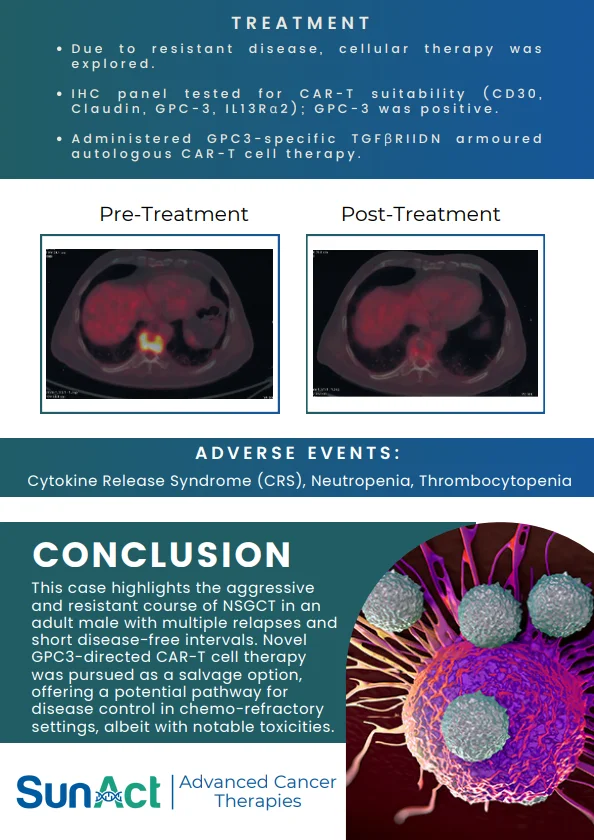
KLN-1010 is a first-in-class in vivo CAR-T therapy designed to generate anti-BCMA CAR-T cells directly within the patient, offering a potential paradigm shift in the treatment of relapsed/refractory multiple myeloma.
Data, Safety & Efficacy
Updated Phase I inMMYCAR results (NCT07075185) evaluated KLN-1010, a modified lentiviral vector that generates fully human anti-BCMA CAR-T cells directly in vivo, eliminating the need for apheresis, ex vivo manufacturing, and lymphodepleting chemotherapy. Eligible patients had relapsed/refractory multiple myeloma (RRMM) with ≥3 prior therapies. Six patients (61–72 years) were treated across two dose levels, with: 5 exhibiting high-risk cytogenetics 1 presenting with extramedullary disease (EMD)
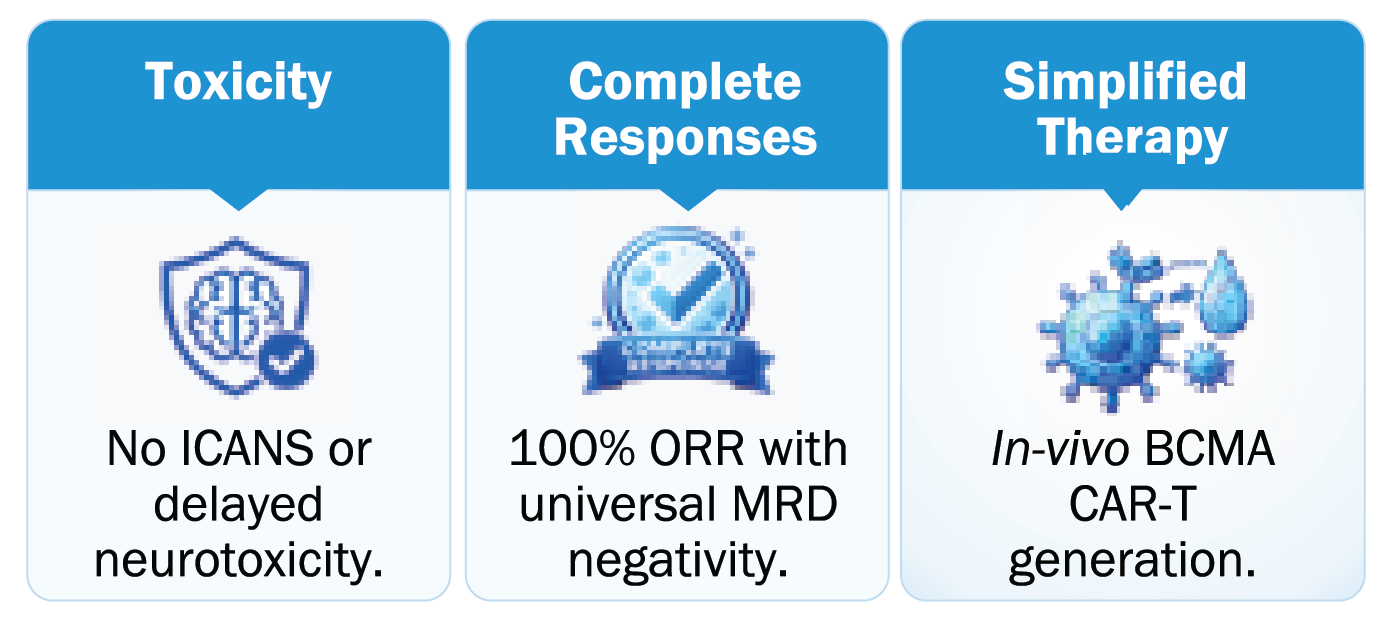
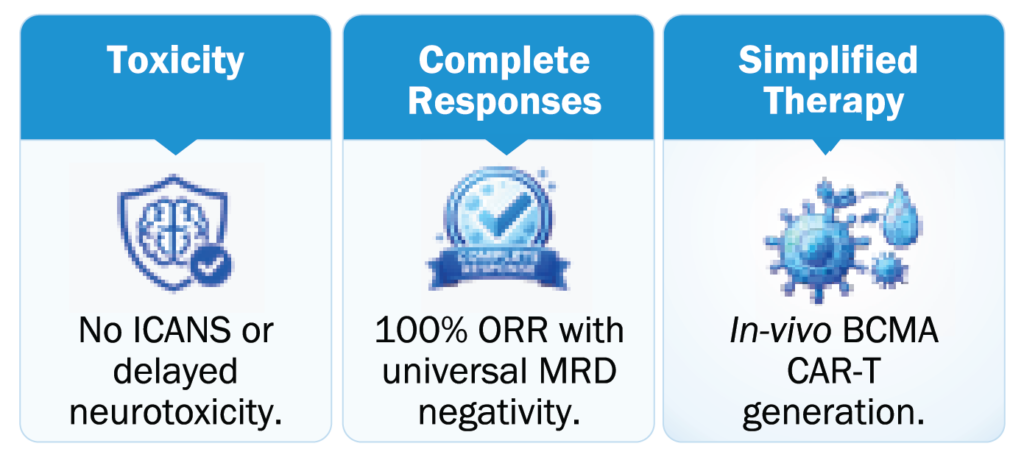
All patients experienced treatment-emergent adverse events. Infusion-related reactions occurred in 3 patients, resolving within 6–48 hours. Grade 2 cytokine release syndrome (CRS) occurred in 4 patients and was effectively managed with tocilizumab and corticosteroids. No ICANS or delayed neurotoxicity was reported. CAR-T cells persisted in peripheral blood for up to 4 months, exhibiting a predominant memory phenotype by Month 3.
All six patients achieved MRD negativity by Month 1 (5 at 10⁻⁶ sensitivity and 100% IMWG-defined responses), with responses deepening over time. The patient with EMD achieved complete radiologic resolution, and the first-treated patient maintained a durable response for more than 10 months.
Reference: Ho P. J., et al. (2026). Journal of Clinical Oncology, 44(16 Suppl), 7509.
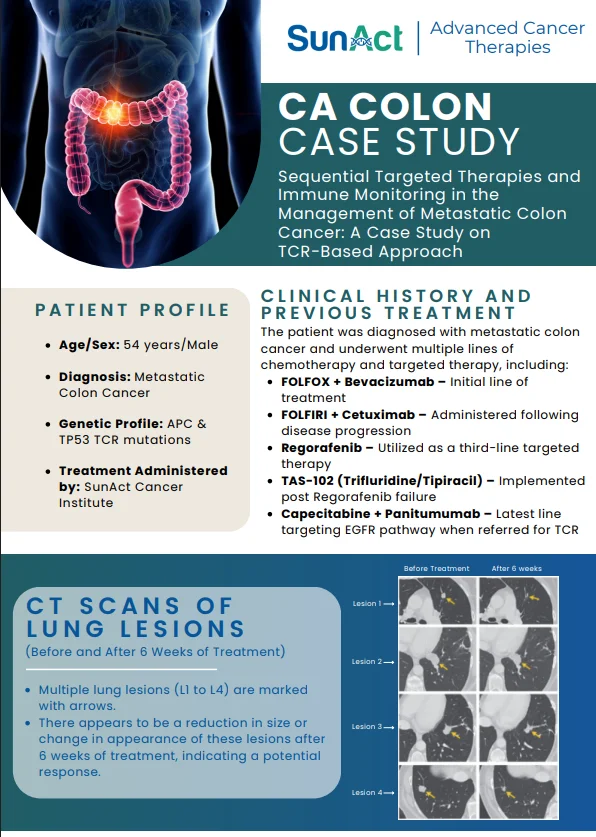
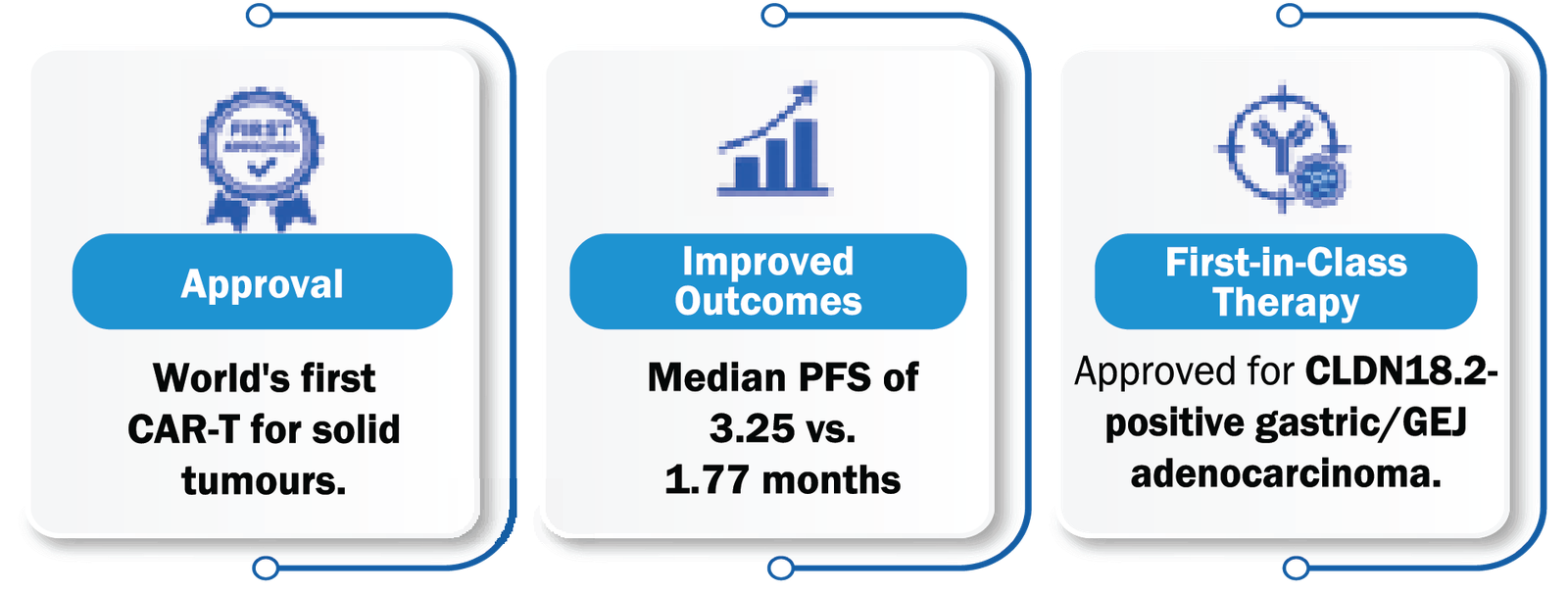
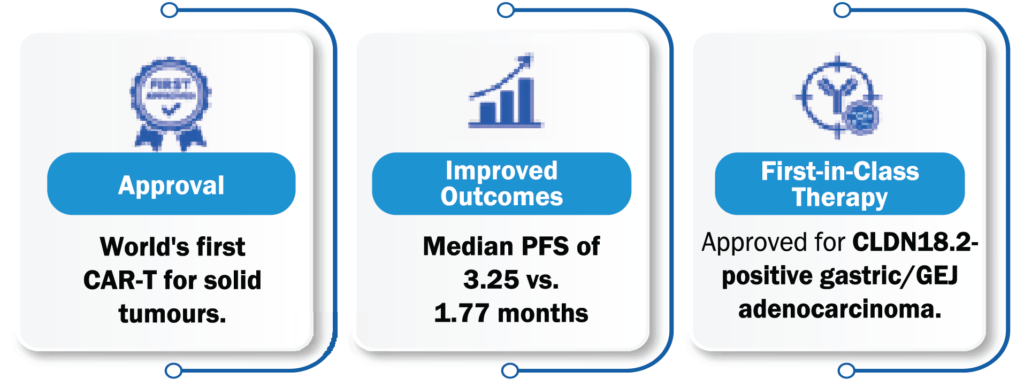
China’s National Medical Products Administration (NMPA) approved satri-cabtagene autoleucel (Satri-cel), an autologous humanized Claudin18.2 CAR T-cell therapy, for patients with Claudin18.2-positive, HER2-negative advanced gastric/gastroesophageal junction adenocarcinoma (G/GEJA) who have failed at least two prior lines of therapy, becoming the world’s first approved CAR T-cell therapy for solid tumours.
Supporting this approval, the pivotal Phase 2 CT041-ST-01 trial enrolled 1,566 screened patients with CLDN18.2-positive advanced gastric or GEJ cancer, randomizing 104 patients to satri-cel and 52 to physician’s choice of therapy (nivolumab, paclitaxel, docetaxel, irinotecan, or rivoceranib).
Median progression-free survival (PFS) was 3.25 months with satri-cel versus 1.77 months with standard treatments. Median overall survival trended longer with satri-cel (7.9 vs. 5.5 months), although this difference did not reach statistical significance.
Reference: Qi C, Liu C, et al. NMPA approval announced by CARsgen Therapeutics, June 22, 2026.
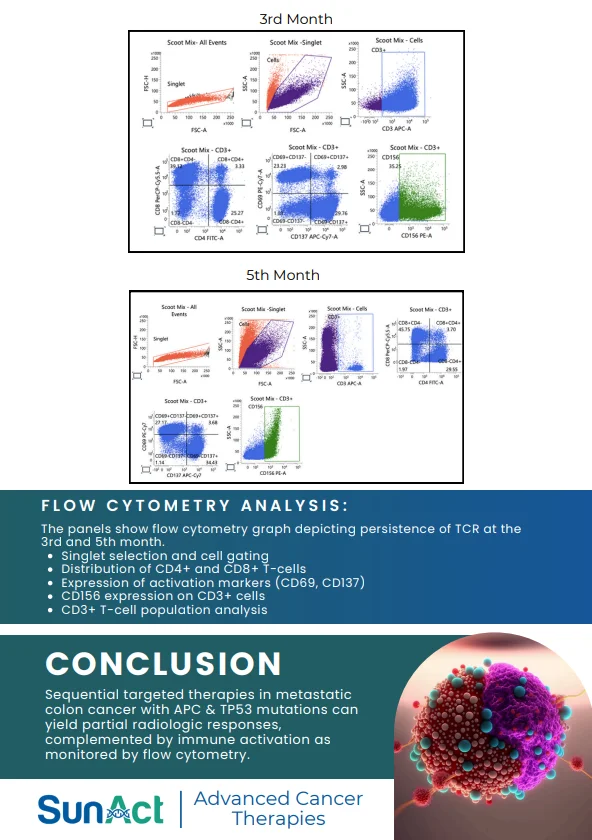
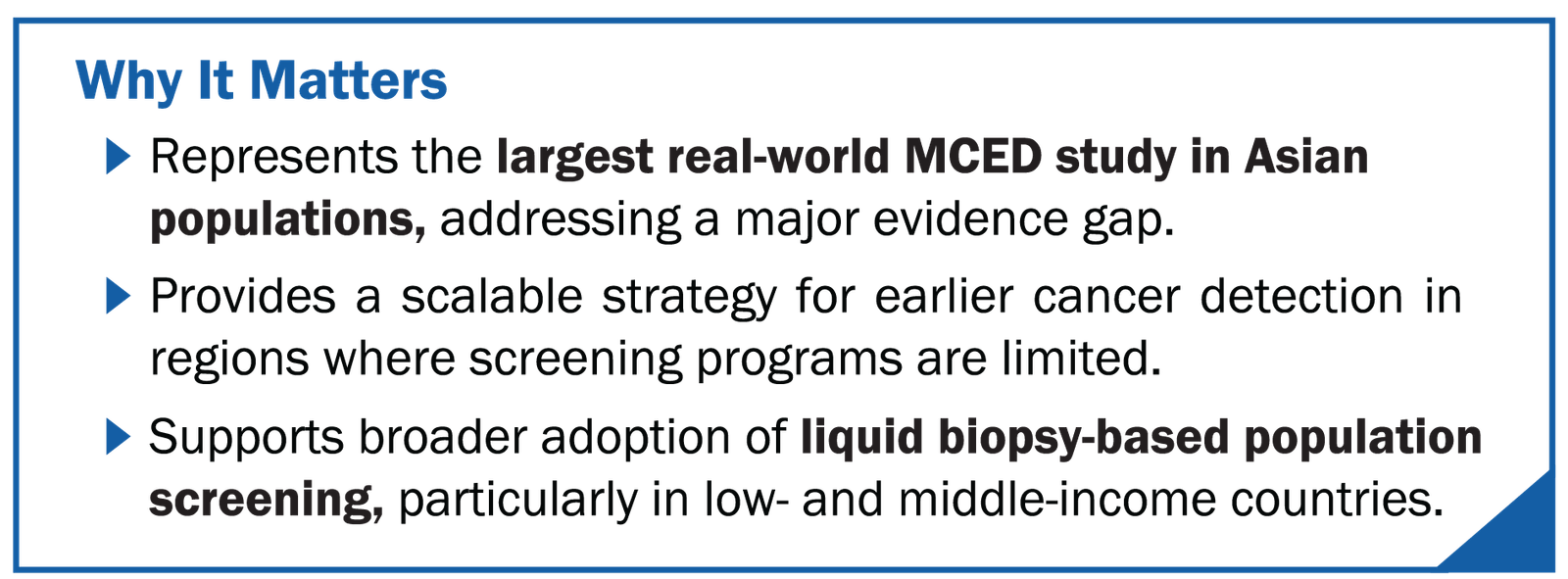
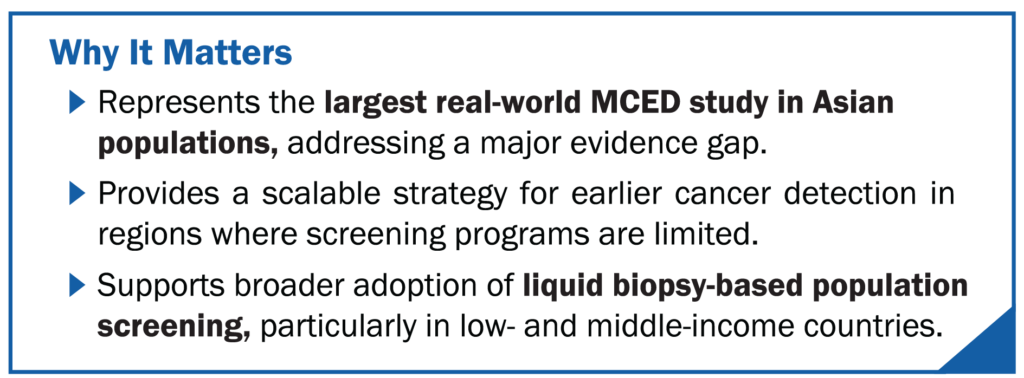
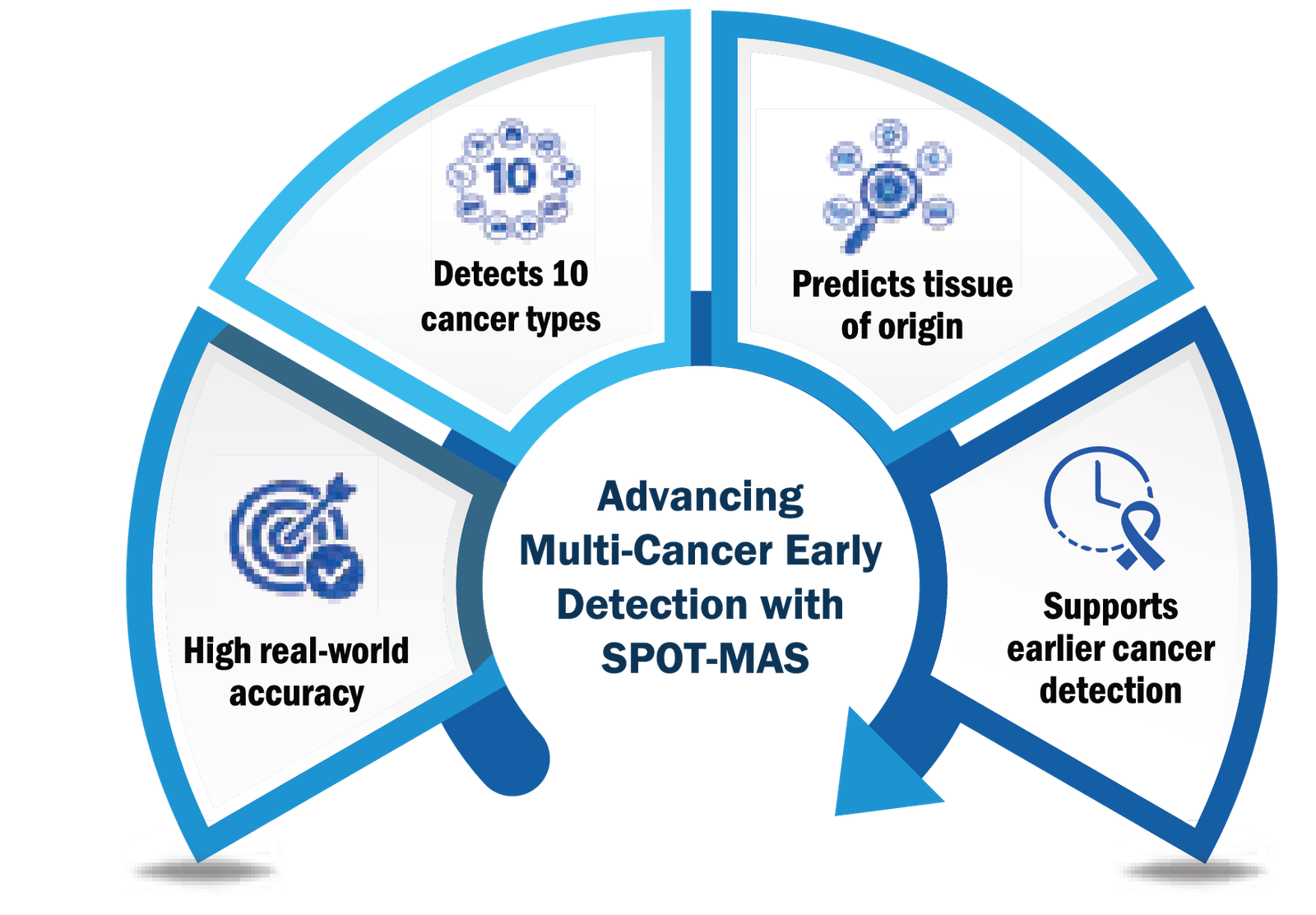
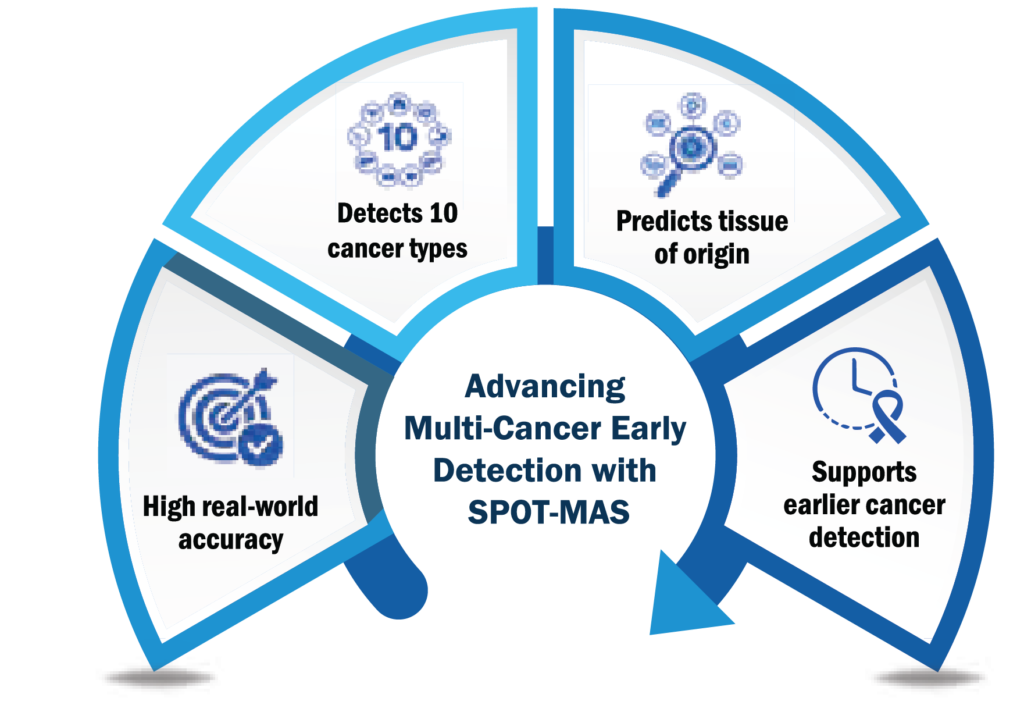
Study, Performance & Clinical Utility: SPOT-MAS is a multimodal cell-free DNA (cfDNA) test for multi-cancer early detection (MCED) that analyzes methylomics, fragmentomics, copy number alterations, and end-motif profiles, integrating these signals using machine learning to detect 10 cancer types. A large retrospective real-world study evaluated 84,145 asymptomatic individuals across Vietnam, Thailand, Indonesia, the Philippines, Malaysia, and Singapore, with 22,597 participants meeting ≥12-month follow-up criteria. SPOT-MAS identified 64 confirmed precancer/cancer cases (0.4% positivity rate) and accurately predicted the tissue of origin in 79.7% of cases, including stomach, liver, and nasopharyngeal cancers, for which routine screening is unavailable. Among 22,503 negative results, 99.51% were true negatives. The assay achieved 79.0% sensitivity, 99.9% specificity, 68.1% positive predictive value, and 99.9% negative predictive value, consistent with findings from the earlier K-DETEK trial. Based on this data, the FDA granted SPOT-MAS Breakthrough Device Designation in May 2026.
Reference: Nguyen DLH, et al. J Clin Oncol. 2026;44(19_suppl):14.

At SunAct, we remain dedicated to tracking and sharing global advances that continue to redefine the landscape of cellular therapy and oncology. Stay tuned for our next edition as we uncover more breakthroughs and emerging trends shaping the future of cancer research.
Disclaimer: This newsletter is intended for healthcare professionals and researchers. Information is for educational purposes only.