2 January 2026
Early cancer detection is one of the most powerful ways to save lives, yet many people underestimate its importance. Cancer often grows silently, without any symptoms, and by the time warning signs appear, the disease may already be advanced and harder to treat. Detecting cancer early, when it is small, localized, and easier to remove or control, dramatically improves survival rates and often allows for simpler, less aggressive treatment, reducing both physical and emotional stress.
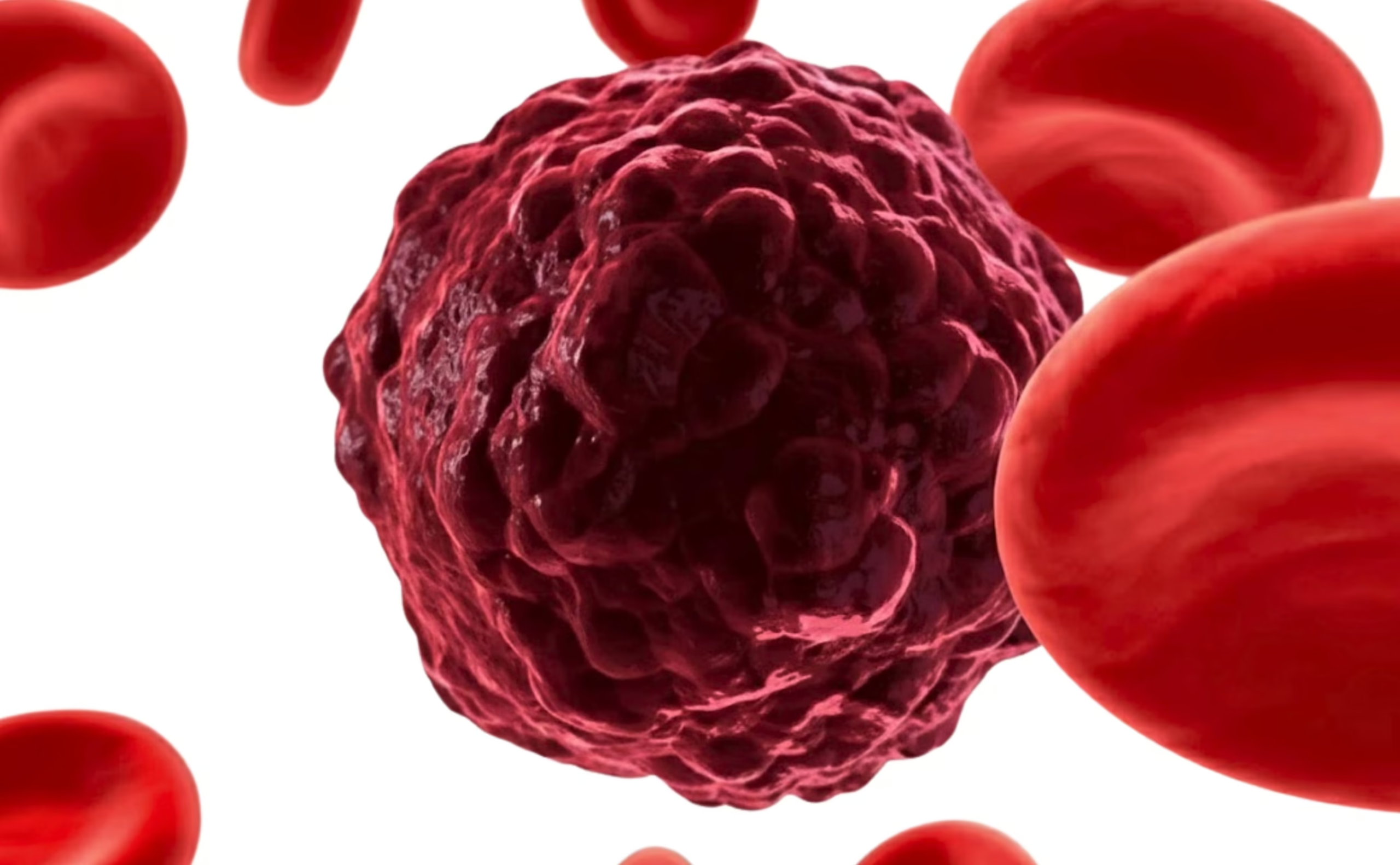
Today, several methods help find cancer at its earliest stages. Traditional screening tests such as mammograms, Pap smears, colonoscopies, stool tests, and low-dose CT scans for lung cancer remain the most reliable tools for catching cancer early. These tests look for signs of disease before they become serious, giving patients a better chance of effective treatment.
Newer approaches are also improving early detection. Liquid biopsies use a simple blood test to detect tiny traces of cancer DNA, RNA, or proteins. Some tests combine multiple markers to improve accuracy, showing promise for detecting cancers like colorectal, lung, and others even before symptoms appear.
Some people are at higher risk of cancer because of inherited genes or a family history of the disease. Genetic tests can help identify this risk, so those individuals can start check-ups earlier and more often. Even without testing, anyone with close relatives who have had cancer should be extra vigilant, watch for unusual changes in their body, and talk to their doctor about regular screenings.
Alongside medical tests, being aware of your body and seeking help if something feels wrong is crucial. Checking for lumps, changes in moles, unexpected weight loss, or unusual bleeding can make a big difference.
Take Away Message
Finding cancer early saves lives, makes treatment easier, and improves outcomes. Regular screenings, paying attention to your body, and acting quickly on warning signs can truly make all the difference.