3 January 2026
Lymphoma—cancer of the lymphatic system—affects thousands of Indian patients annually. When this disease proves resistant to standard chemotherapy or returns after initial treatment, bone marrow transplantation often becomes the pathway to lasting remission or cure.
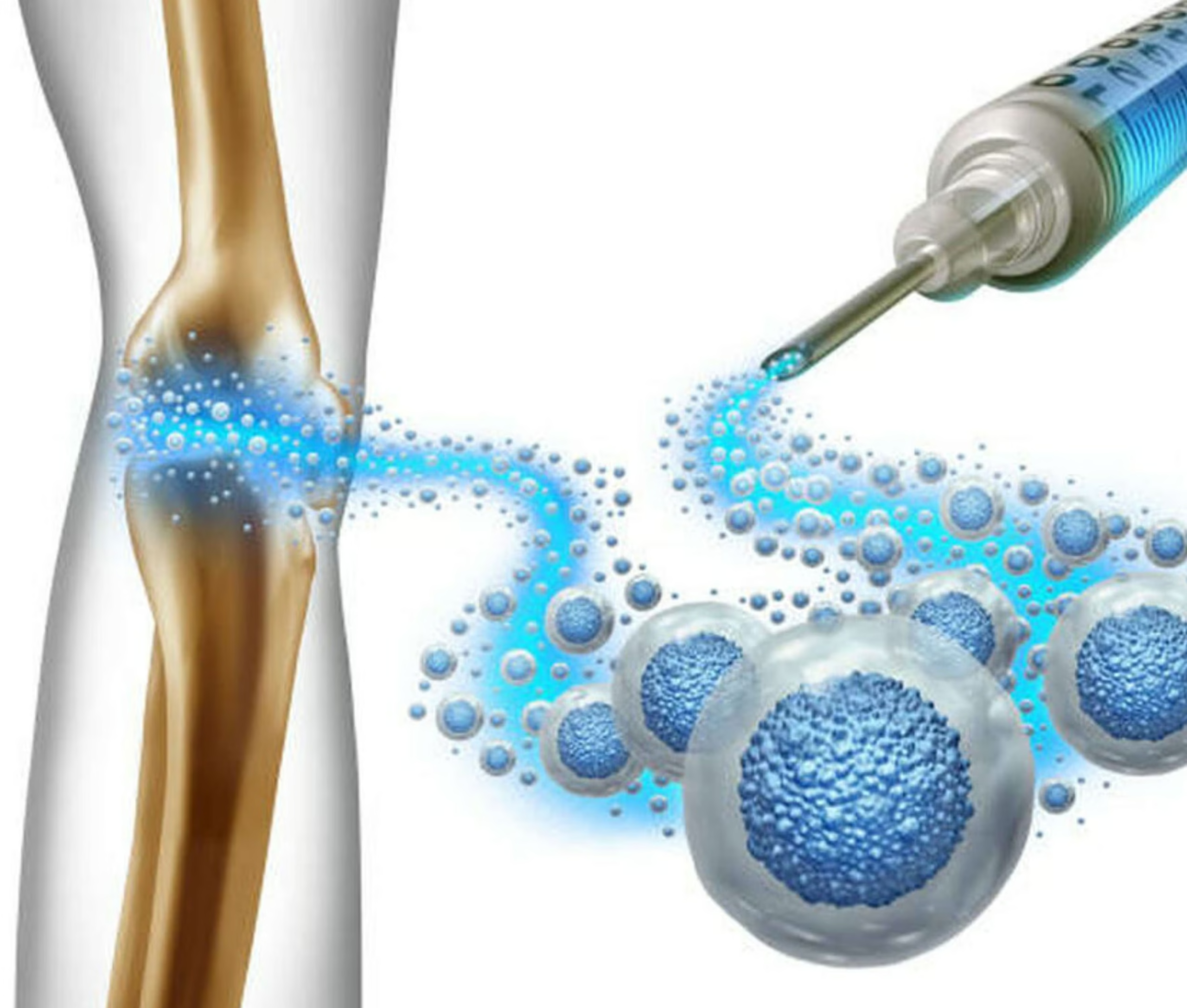
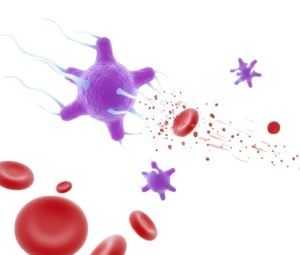
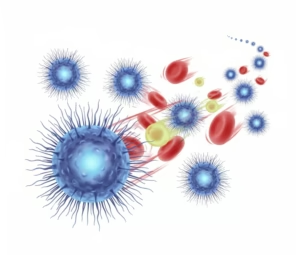
The lymphatic system serves as the body’s drainage and defence network, with lymph nodes stationed throughout the body like security checkpoints. Lymphoma develops when lymphocytes—a type of white blood cell—become cancerous and multiply uncontrollably. These abnormal cells can form tumours in lymph nodes, the spleen, or other organs.
Doctors classify lymphomas into two broad categories. Hodgkin lymphoma, characterised by a specific type of abnormal cell, generally responds well to treatment and often affects younger adults. Non-Hodgkin lymphoma encompasses dozens of subtypes, ranging from slow-growing (indolent) varieties to aggressive forms that progress rapidly.
Not every lymphoma patient needs a transplant. Many achieve cure with chemotherapy and immunotherapy alone. However, certain situations call for more intensive treatment. These include lymphomas that don’t respond to initial chemotherapy (refractory disease), those that return after remission (relapsed disease), or particularly aggressive subtypes at high risk of recurrence.
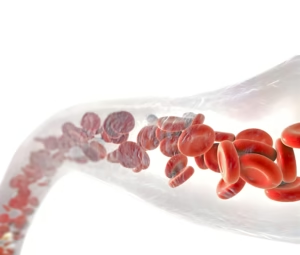
For lymphoma patients, autologous transplant—using the patient’s own stem cells—is most common. The process begins with salvage chemotherapy to bring the disease back under control. Once remission is achieved, doctors collect stem cells from the patient’s bloodstream through a process called apheresis. The patient sits comfortably whilst a machine circulates blood, separates out stem cells, and returns the remaining blood.
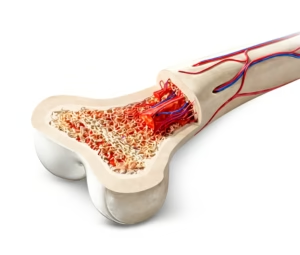
These precious stem cells are frozen and stored whilst the patient undergoes conditioning therapy—high-dose chemotherapy that destroys any remaining lymphoma cells along with the existing bone marrow. Days later, the stored stem cells are thawed and infused back, where they migrate to the bone marrow and begin rebuilding the blood system.
Allogeneic transplant, using a donor’s cells, is less common for lymphoma but may be considered for certain aggressive subtypes or when autologous transplant fails. This approach carries additional risks but offers the advantage of graft-versus-lymphoma effect, where donor immune cells actively hunt down and destroy any remaining cancer cells.
Recovery follows a predictable pattern. The first two to three weeks involve waiting for the new cells to engraft whilst managing side effects like nausea, mouth sores, and fatigue. Patients gradually regain strength over several months, with most returning to normal activities within six months to a year.
Success rates are encouraging. For relapsed Hodgkin lymphoma, autologous transplant offers cure rates of 50-60%. Aggressive non-Hodgkin lymphomas transplanted in first relapse show similar outcomes. Even patients with multiple relapses sometimes achieve lasting remission.
The transplant journey is intense but finite, offering patients with resistant lymphoma what other treatments cannot—a genuine chance at long-term survival and cure.