2 January 2026
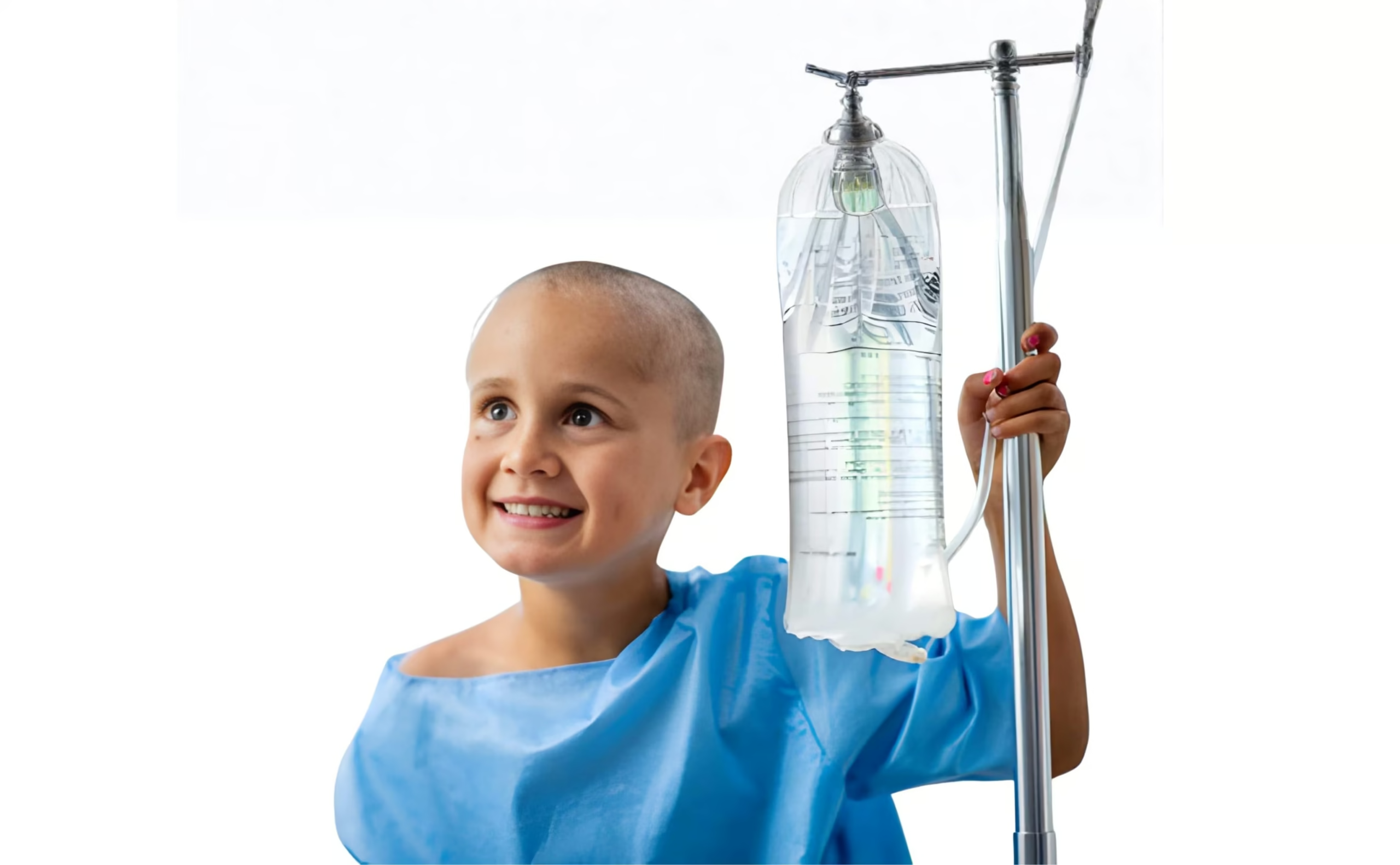
Battling cancer in a child can feel overwhelming for the whole family. Chemotherapy comes with its own set of side effects, and getting through this phase can feel like a daily battle. This guide aims to make the journey a little easier for parents and caregivers.
1. Catch Problems Early: Your Top Job
Chemotherapy often causes neutropenia (low white blood cell count), which reduces a child’s ability to fight infections. During this period, children may not show typical signs of infection. Sometimes, extreme weakness or lethargy, with or without fever, may be the only warning sign.
Red flags: when to call your doctor immediately
- Temperature 38.0°C (100.4°F) or higher even once
- Extreme sleepiness or unusual lethargy
- Breathing difficulty
- Loose motions
- Bleeding (from nose or gums, in urine or stool or unusual bruising)
- Your child looks unwell even without fever
Important: Do not give fever medicine first (paracetamol or ibuprofen) to see if it settles unless your doctor has advised it. Fever medicines can mask symptoms and delay timely treatment.
2. Infection prevention
Prevention is always better than cure. A few habits can reduce infections and help prevent repeated hospitalisations.
a) Hand hygiene
- The importance of hand hygiene cannot be emphasized enough as many childhood infections spread through the faeco – oral route.
- Wash hands carefully before meals, after using the toilet and after coming home.
- Use hand sanitizer when outside.
b) Avoid exposure to crowds
- Avoid crowded places and having too many visitors at one time.
- Keep distance from anyone who is sick.
c) Diet and food safety
- Prefer hot, freshly prepared, well cooked meals.
- Home cooked food is strongly preferred.
- Avoid raw or undercooked foods.
- Wash fruits and vegetables thoroughly. Prefer thick peeled fruits and avoid thin peeled fruits if hygiene is uncertain.
d) Pets
Pets are usually fine with precautions.
- The child should not clean litter boxes or bird cages.
- Wash hands after petting animals.
- Ensure pets are vaccinated and dewormed as advised by a vet.
3. Managing common chemotherapy side effects at home
a) Nausea and vomiting
- This is one of the most common side effects of chemotherapy.
- Give anti nausea medicines exactly as prescribed, often on a schedule.
- Offer small, frequent meals. Foods like khichdi, curd rice, toast, bananas often help.
- Encourage good fluid intake.
- Avoid strong smells on chemotherapy days.
Call your doctor if vomiting persists despite medication, or if your child looks dehydrated (sunken eyes, lethargy, less urine).
b) Mucositis (mouth sores)
- Mouth sores are common. They can reduce eating and drinking and may increase infection risk because germs can enter through broken mucosa.
- Maintain oral hygiene using mouthwash with an antiseptic solution or magic mouthwash as advised.
- Brush gently with a soft toothbrush.
Contact your doctor if your child is unable to eat or drink, or if there is severe pain, swelling, or bleeding.
c) Constipation
- Constipation is common and can be distressing for both the child and caregivers.
- Do not wait too long.
- It is usually manageable with laxatives and stool softeners as prescribed.
d) Low appetite and weight loss
- Follow the diet chart provided by your cancer nutritionist
- Offer calorie dense foods in small portions such as paneer, dahi, lassi, dal, porridge. Ghee can be added in small amounts.
- Include a protein source with each snack.
- Choose smooth textures such as smoothies, soups, porridge.
- Ask about nutrition supplements if weight is dropping.
e) Hair loss and body image
Hair loss is common with chemotherapy but temporary.
- Prepare the child gently before starting treatment.
- Scarves and caps can help the child feel comfortable.
- Validate feelings and reassure. “I understand it hurts to lose hair. This is temporary, and your hair will grow back after treatment.”
4. Central line or chemo port care
Central lines provide convenient and reliable access for treatment.
- Keep dressings clean and dry.
- Follow your hospital’s instructions for bathing and activity.
Inform your team immediately if:
- Redness, swelling, pain, discharge, or leakage at the site
- Fever even if the site looks normal
- The dressing becomes wet, dirty, or loose
5. Medicines to be taken at home
Cancer treatment often includes medicines at home such as tablets, syrups or creams.
- Understand each medicine clearly. Ask for written instructions if not provided.
- Use phone alarms to avoid missed doses.
- Call your doctor if a dose is missed or if the child vomits soon after taking medicine.
6. Vaccines
- As a rule, do not give live vaccines unless your oncologist says it is safe.
- Siblings and close family members may need guidance too. Ask your doctor for advice before starting chemotherapy.
7. School
School attendance depends on the disease, treatment protocol, and treatment phase.
- During intensive chemotherapy, school is often avoided to reduce community acquired infections and accidental injuries.
- If school attendance is allowed, focus on hygiene, avoiding sick contacts, flexible attendance, and masks in crowded indoor settings if advised.
8. Travel
Travel only if necessary. Travel may be possible depending on:
- The expected neutropenia window
- Access to emergency care
- Medication storage and availability
9. Emotional well being
Children often cope better than adults expect, but they still need support. Do not turn your home into a hospital. Safe, careful freedom is important.
What may help:
- Simple, honest explanations
- Validating their anxiety and questions
- Offering choices such as clothes, activities, hobbies, academics
- Asking your oncologist about counseling, parent groups, social work, and financial support programs
Quick daily checklist for parents and caregivers
- Temperature if the child seems unwell
- Fluids and urine output (pee count)
- Mouth check (sores, white patches)
- Central line site check if present
- Stool pattern
- New bruises or bleeding
- Medicine doses taken