13 March 2026
Table of Contents
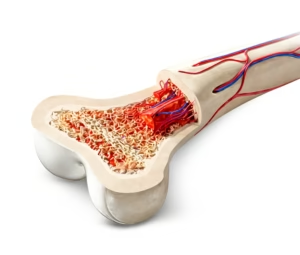
A Bone Marrow Transplant (BMT) — more precisely called a Hematopoietic Stem Cell Transplant (HSCT), because today’s transplants often use stem cells from blood rather than bone marrow directly — is a life-changing procedure. It typically requires 3–4 weeks in hospital, followed by months of close monitoring afterward. During this time, the patient’s immune system is essentially switched off and rebuilt from scratch, making the choice of hospital just as important as the procedure itself.
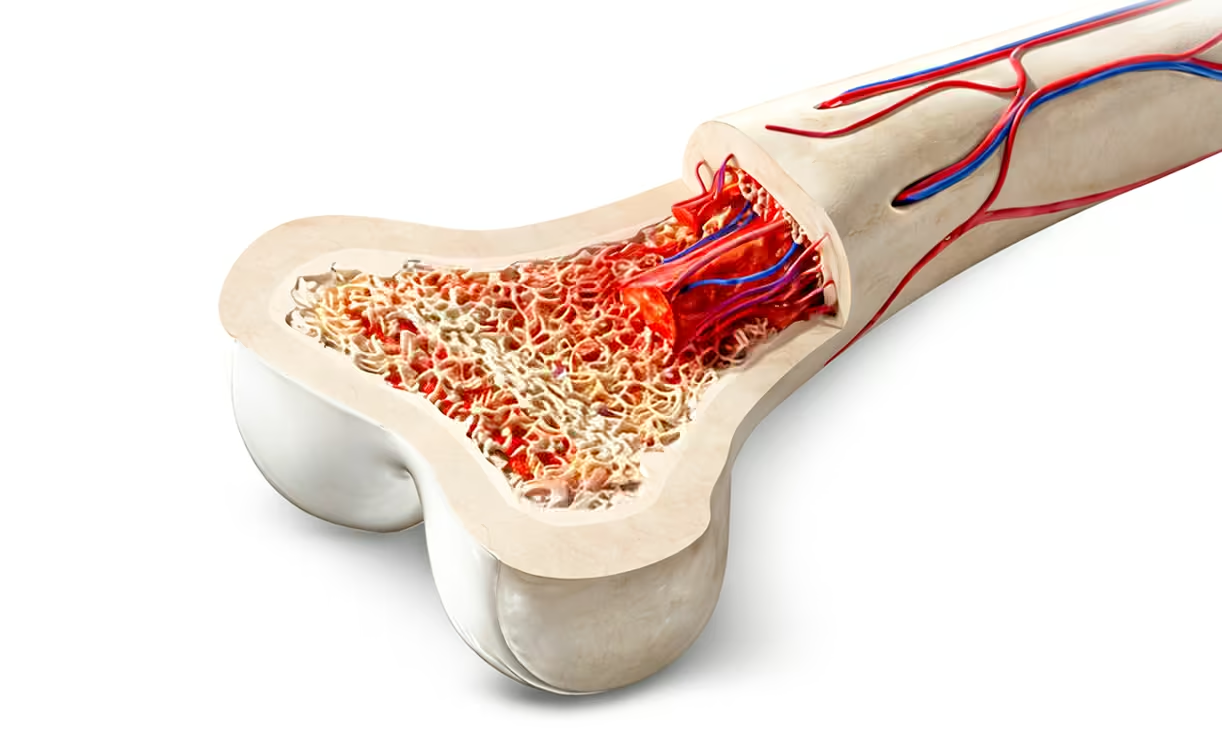
Here are the four most important things to look for when selecting a Bone Marrow Transplant hospital in India.
PILLAR 01
Infection-Control Infrastructure
HEPA filtration, positive pressure rooms, and dedicated protective-environment suites.
PILLAR 02
Pediatric & Adult Expertise
Dedicated teams, age-appropriate care, and international HLA donor registry access.
PILLAR 03
Advanced Cellular Therapy
CAR T-cell therapy alongside BMT — all under one roof, no transfers needed.
PILLAR 04
Cost Transparency & Support
24/7 clinical access and full itemised estimates from the very first consultation.
Why Your Choice of BMT Hospital in India Matters
The chemotherapy given before a transplant — called “conditioning” — completely wipes out the immune system. For weeks, the patient is unable to fight even minor infections. The hospital is not simply a venue; it is a controlled clinical environment that must function as a protective shield around the patient every single hour of the stay.
Beyond the immediate procedure, the quality of a BMT centre determines how quickly complications are caught, how well the post-discharge period is managed, and ultimately, the probability of a successful outcome. Choosing a Bone Marrow Transplant hospital in India therefore means evaluating sterile infrastructure, donor-matching capability, and long-term support as one integrated package.
Infection-Control Infrastructure
The hospital room must act as a clean, sealed environment. When evaluating a BMT centre, ask specifically about the following:
HEPA Air Filtration with Positive Pressure
The unit should use HEPA filters — a type of ultra-fine filter that traps tiny particles, including airborne fungal spores (a leading cause of infection in transplant patients) and bacteria — combined with positive-pressure airflow, which pushes clean air outward so contaminated air from the corridor cannot drift in.
Dedicated Protective-Environment Suites
These are rooms built specifically for immunocompromised patients — sealed, restricted to essential staff, and physically separated from general hospital wards. They are a non-negotiable requirement for any serious BMT programme.
Pediatric and Adult Expertise
Children with inherited blood disorders are among the most common BMT candidates — and their care is genuinely different from adult oncology patients. The best Bone Marrow Transplant hospitals in India recognise this distinction and staff accordingly.
Dedicated Pediatric BMT Team
Children with conditions such as Thalassemia Major (where the body cannot make normal hemoglobin) or Sickle Cell Disease (where misshapen red blood cells block blood vessels) need age-specific medication doses, nutritional support tailored to a growing body, and emotional care appropriate for their developmental stage — especially during weeks of isolation.
HLA Matching Capability
For any transplant — adult or child — the donor’s tissue type must closely match the patient’s. This is called HLA matching (a biological “compatibility code” between donor and patient). High-resolution matching across multiple genetic markers is essential to reduce the risk of rejection or Graft-versus-Host Disease (GvHD). The centre should have access to international donor registries if a matched family donor is unavailable.
What is GvHD? Graft-versus-Host Disease (GvHD) is a serious complication where transplanted immune cells recognise the patient’s own body as foreign and begin attacking it. Precise HLA matching and experienced clinical teams significantly reduce this risk.
Advanced Cellular Therapy Programme
A genuinely strong BMT hospital in India offers more than conventional bone marrow transplant. Look for a
centre that houses advanced treatment modalities alongside its transplant programme.
CAR T-Cell Therapy
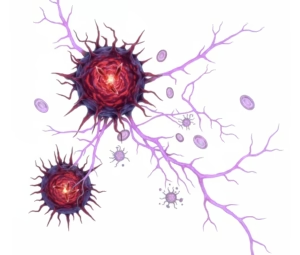
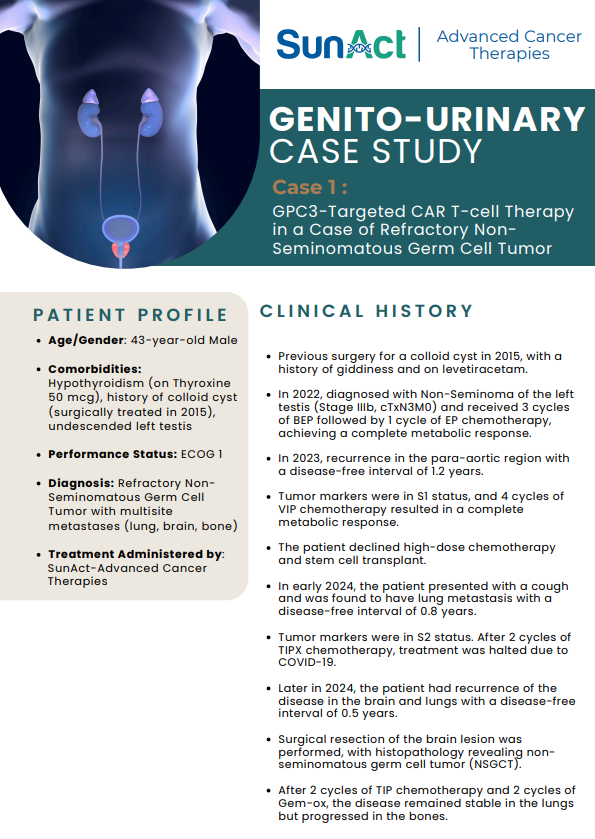
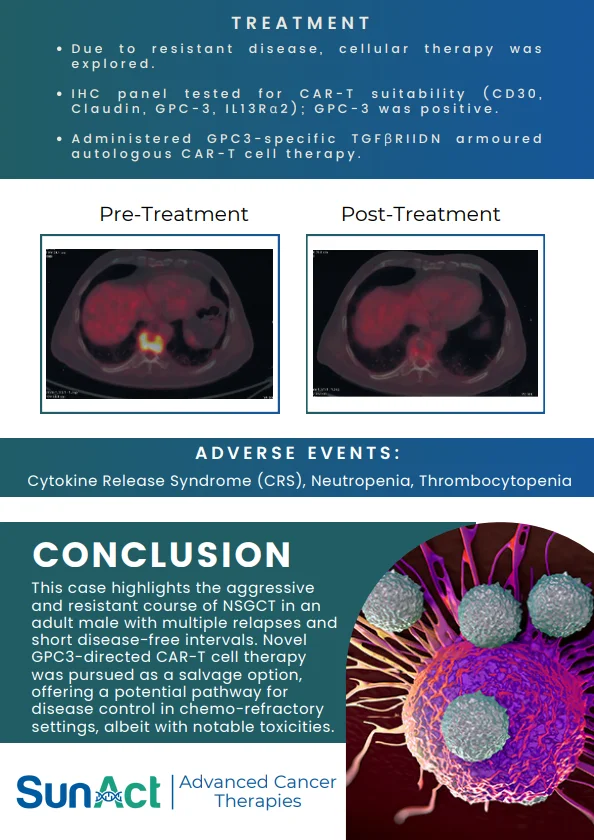
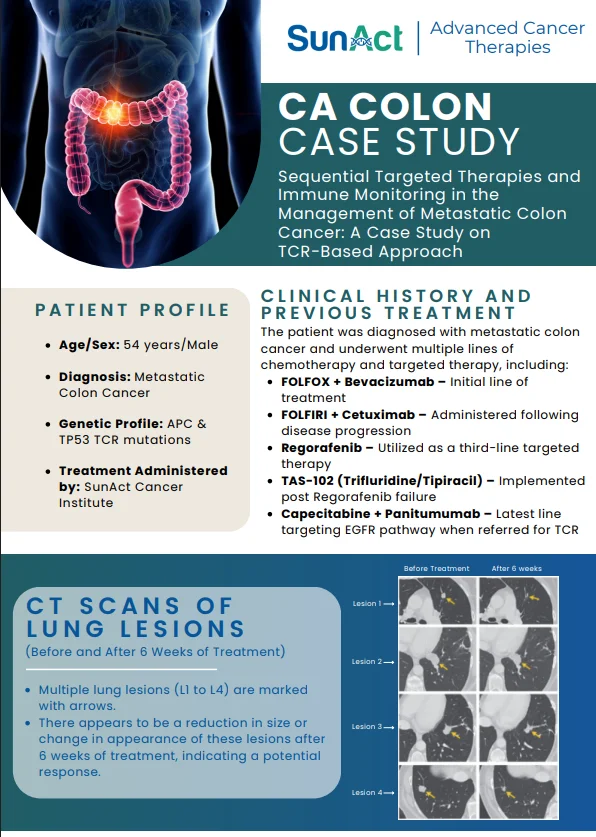
This is a separate — and newer — type of treatment where doctors take the patient’s own immune cells (T-cells), genetically modify them in a laboratory to recognise and attack cancer cells, and infuse them back. It is not the same as a bone marrow transplant; it does not replace the marrow. But it is now a standard treatment for several blood cancers that have relapsed or stopped responding to earlier therapy. A centre offering both BMT and CAR T can manage a wider range of complex situations without transferring care elsewhere.
Multidisciplinary Team (MDT)
Transplant medicine involves specialists beyond hematology — infectious disease doctors, pharmacists, nutritionists, and mental health professionals. An MDT that meets regularly and communicates well is essential for handling the many complications that can arise during and after transplant.
Transparent Costs and Long-Term Support
The financial and clinical demands of a bone marrow transplant do not end at discharge. A reliable BMT hospital in India will be upfront about the full picture — from day one to the final follow-up visit.
24/7 Clinical Accessibility
After going home, patients remain vulnerable. Fever, rashes, or breathlessness can indicate serious complications — including infection or GvHD. Direct, around-the-clock access to the transplant team is a safety necessity, not a luxury
Full Cost Transparency
The total cost of a bone marrow transplant goes far beyond the procedure day. It includes preparatory chemotherapy, medications to prevent infection (antifungal and antiviral drugs), blood transfusions, and months of outpatient follow-up visits — especially for donor transplants, where monitoring continues for at least 100 days post-discharge. Ask for a full, itemised estimate from the outset.
| Cost Component | When It Applies | Notes |
|---|---|---|
| Preparatory Chemotherapy | Before transplant | Destroys existing marrow to prepare for new stem cells |
| Anti-infective Medications | During & after | Antifungal and antiviral drugs during immune rebuilding |
| Blood Transfusions | During hospital stay | Required while new marrow establishes blood cell production |
| Inpatient Stay | 3–4 weeks | Room, nursing, monitoring in protective-environment suite |
| Outpatient Follow-Up | Months after discharge | Minimum 100 days close monitoring for donor transplants |
Your BMT Hospital Evaluation Checklist
Before finalising your choice of Bone Marrow Transplant hospital in India, confirm each of the following with the
centre directly:
Infection Control
Does the unit have HEPA-filtered, positive-pressure protective-environment suites physically separate from general wards?
Pediatric or Adult Specialist Team
Is there a dedicated BMT team for the patient’s age group, with access to international HLA donor registries?
Advanced Therapies On-Site
Does the centre offer CAR T-cell therapy alongside BMT, and does a full multidisciplinary team operate on-site?
Cost Transparency & 24/7 Access
Has the centre provided a full itemised cost estimate, and is there direct, round-the-clock access to the transplant team after discharge?
The Bottom Line
Choosing a BMT centre means evaluating sterile infrastructure, donor-matching capability, and post-transplant support as one integrated package — because each element directly affects the chance of a successful outcome. The right Bone Marrow Transplant hospital in India is one where all four pillars are firmly in place before the patient walks through the door.