30 December 2025
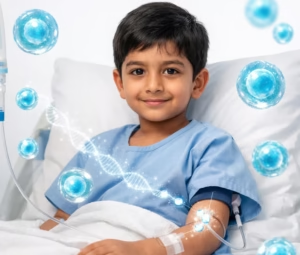
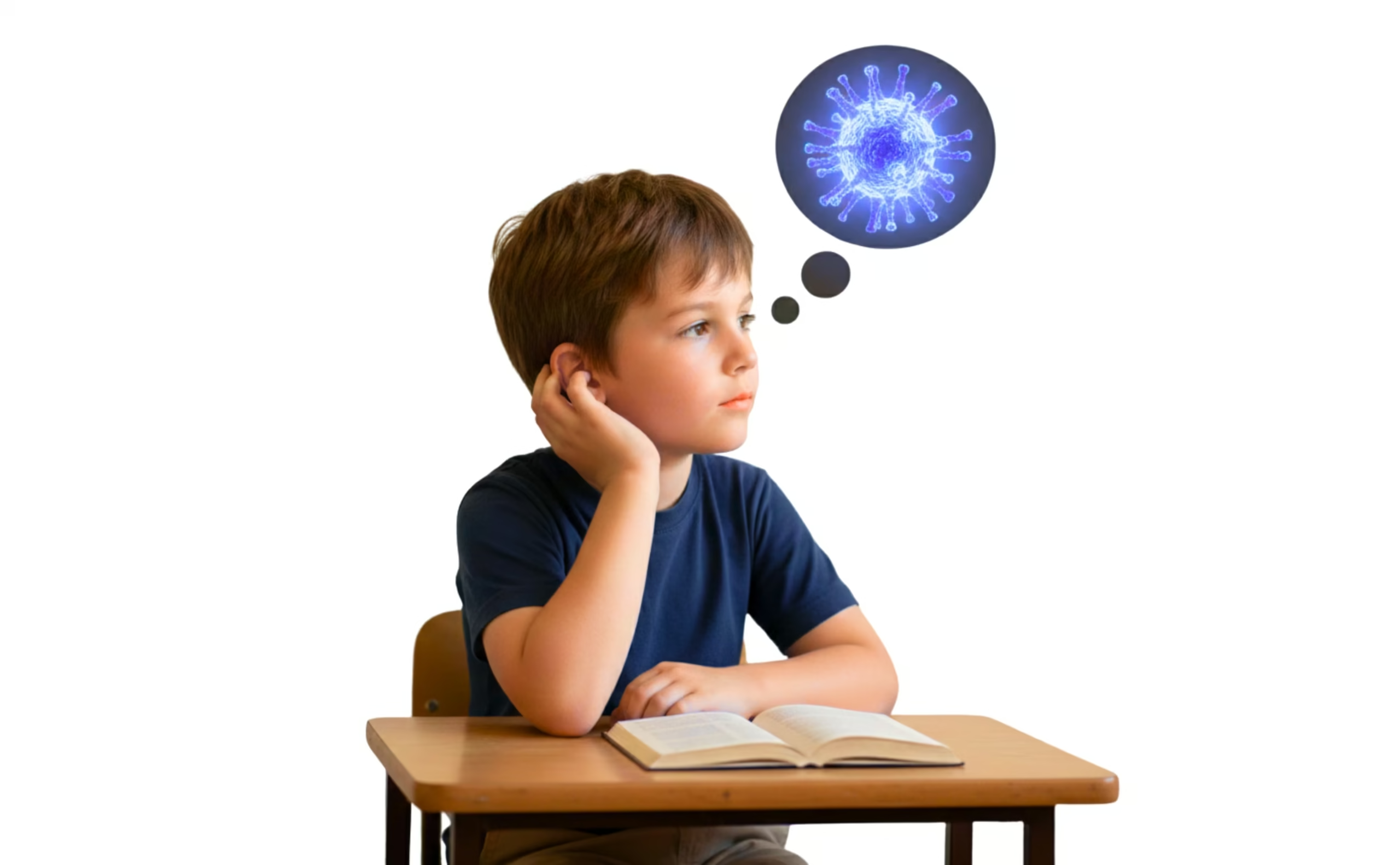
“Do children really get cancer?”- This is a question I am often asked as a pediatrician specializing in childhood cancers and blood disorders. The surprise is understandable. In adults, cancers are often linked to lifestyle choices, environmental exposures and ageing. In contrast, most cancers in children arise without a known cause.
Is Childhood Cancer Different?
Cancer, unfortunately, can affect anyone, at any age and almost any part of the body. However, childhood cancers differ from adult cancers in a few ways:
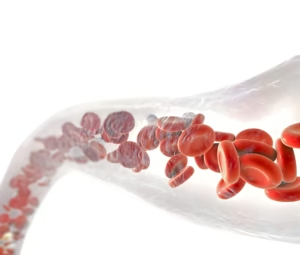
- Types of cancers : The most common in children are leukemia, brain tumors, lymphomas and solid tumors such as neuroblastoma and Wilms’ tumor.
- Better outcomes : Many childhood cancers respond very well to treatment, with some achieving cure rates as high as 90%.
Warning Signs of Childhood Cancer
While children often fall sick, there are certain symptoms that should prompt medical attention:
- Fever – A fever lasting longer than 7 days may warrant blood investigations.
- Unexplained bleeding – Red patches on the skin, bleeding from the nose or gums should always be evaluated.
- Paleness – Noticeable paleness, especially of the palms and soles.
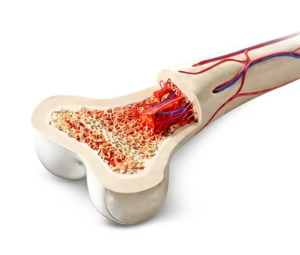
- Bone pain – Unexplained bone pains require further investigation.
- Lumps or swelling – In the neck, armpits, groin or abdomen. Not all lumps mean cancer but they should be assessed carefully.
- Weight loss – Unexplained weight loss can be an early warning sign.
- Persistent vomiting – It may point to raised pressure inside the skull, seen in brain tumors.
Leaps, strides & challenges
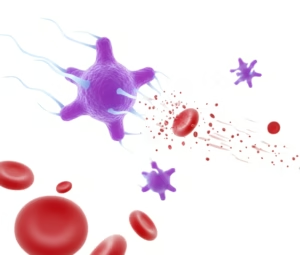
Childhood cancer is a formidable disease and puts the entire family on the battlefield. But here’s the good news – Just as we’ve seen remarkable advances in anti-ageing therapies and robotic surgeries, cancer treatment too has made tremendous progress. It is no longer restricted to chemotherapy & radiation – it now involves immunotherapy and cellular therapy where a child’s own immune system can programmed to kill cancer cells.
“Acute lymphoblastic leukemia, the most common pediatric cancer, now has cure rates of up to 90%.”
The World Health Organization reports that 80% of childhood cancers in high-income countries are cured, but in countries like India, this figure drops to about 30%. The reasons include lack of awareness, delayed diagnosis, reliance on alternative remedies and limited access to specialized treatment centres and medicines.
Why awareness matters
“Worldwide about 429,000 children and teenagers are diagnosed with cancer each year.”
In India alone, around 30,000 children develop cancer annually. While that’s a small percentage compared to adult cancers, the impact is huge because when cancer strikes a child, it robs them of their entire future.
Unlike adults, children can’t be screened for cancer. The only way to catch it early is through awareness and timely medical attention.
As Dr.Venkatraman, renowned pediatric oncologist, aptly said : “A child’s disease and the access to care for that disease should not determine a child’s chance of survival; a child with cancer should receive the same opportunities for care as a child with other illnesses like pneumonia or diarrhea.”
Saving a child from cancer gives them their whole life back! And that’s a gift every child deserves.
References :
- Catherine G. Lam et al.Science and health for all children with cancer.Science 363,1182-1186(2019)
- https://www.who.int/news-room/fact-sheets/detail/cancer-in-children
- Radhakrishnan, Venkatraman; Howard, Scott1; Lam, Catherine2. Pediatric cancers in India: The forgotten disease. Cancer Research, Statistics, and Treatment 4(1):p 6-7, Jan–Mar 2021