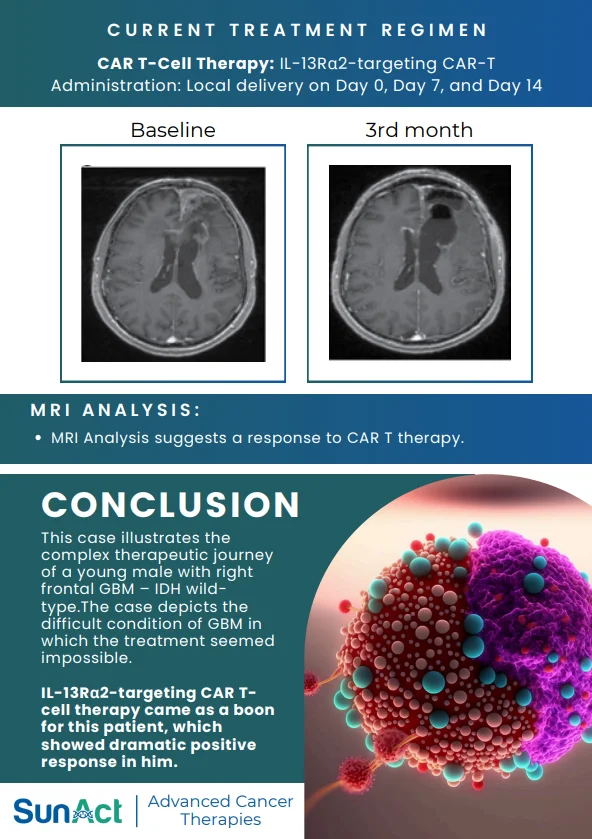
6 December 2025
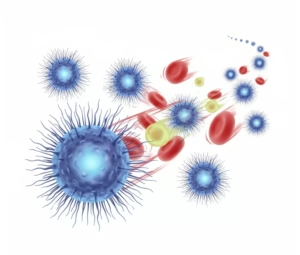
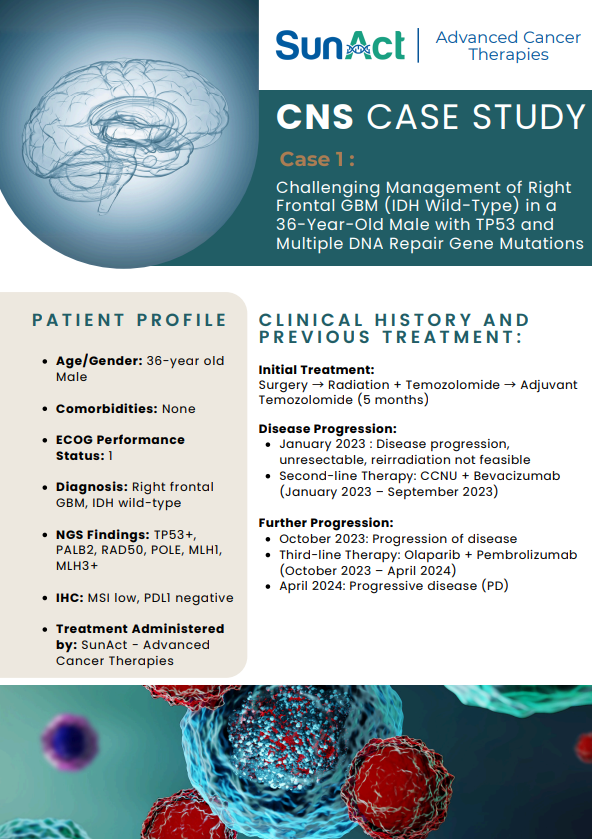
Cancer treatment is changing faster than ever. For decades, surgery, chemotherapy, and radiation were the main tools, but they often came with harsh side effects and limited success when cancers returned. Now, a new generation of therapies is giving patients real hope. These treatments, including cell and gene therapies, antibody-drug conjugates (ADCs), and cancer vaccines, use the body’s own immune system or highly targeted drugs to attack cancer cells more precisely than ever before.
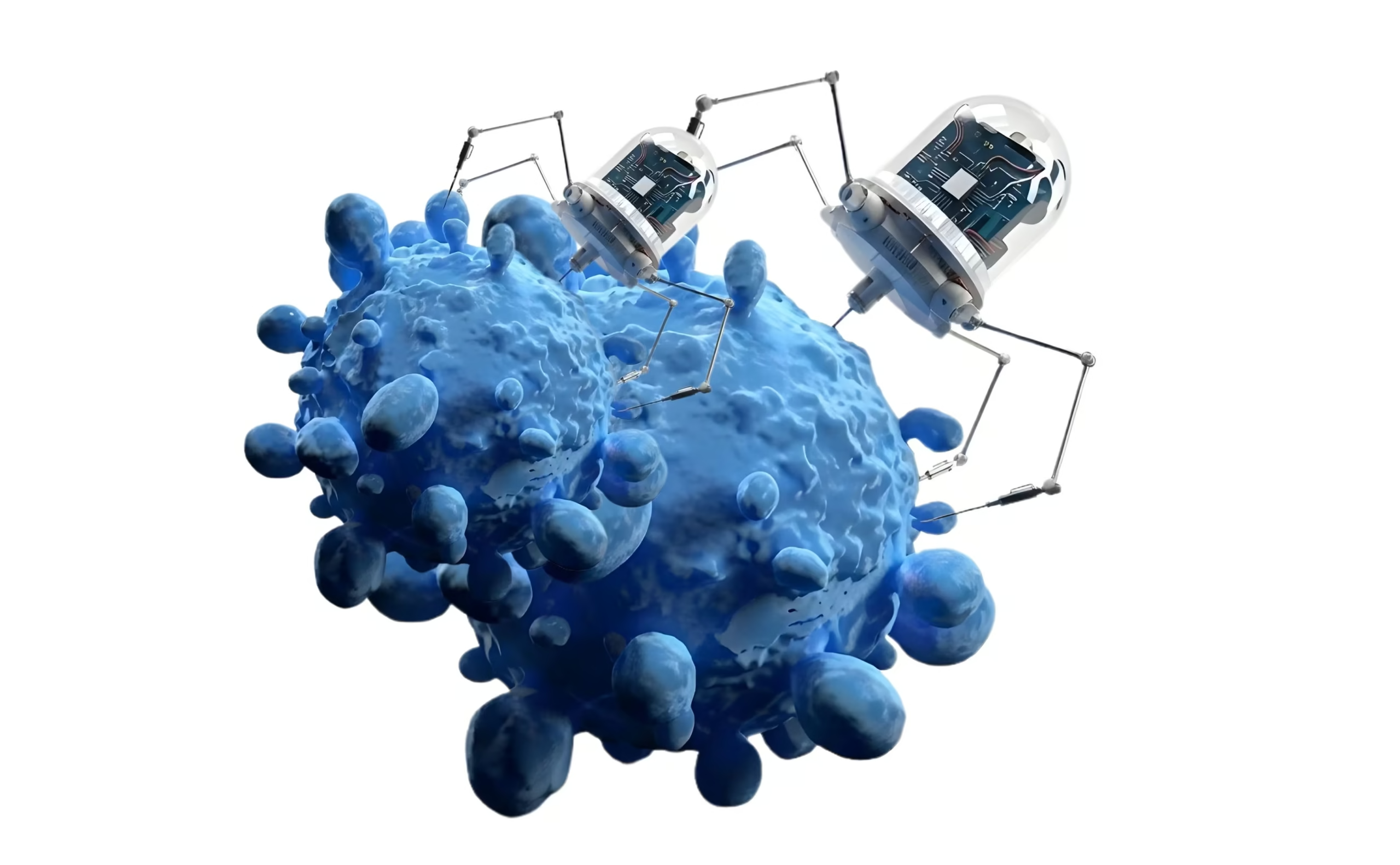
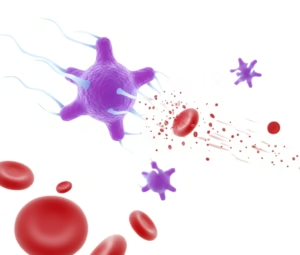
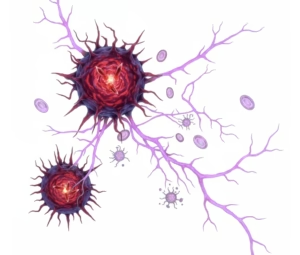
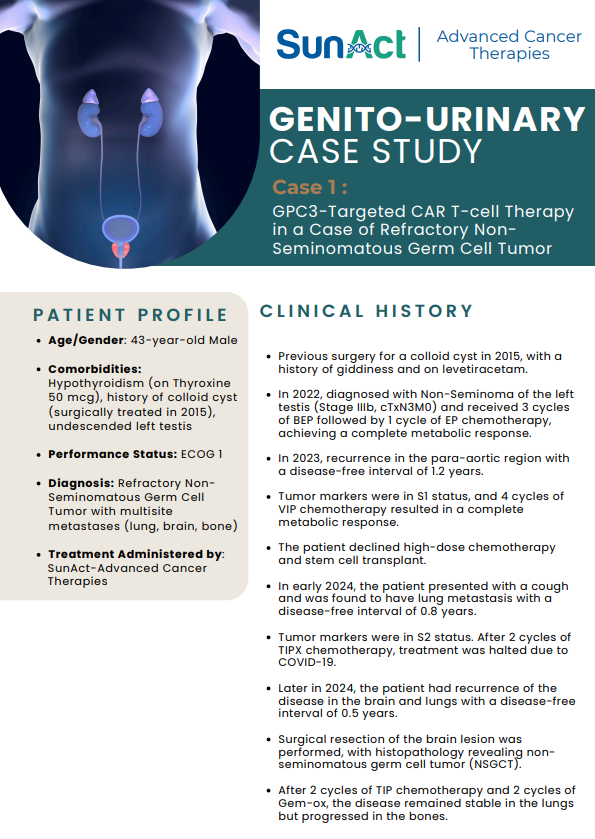
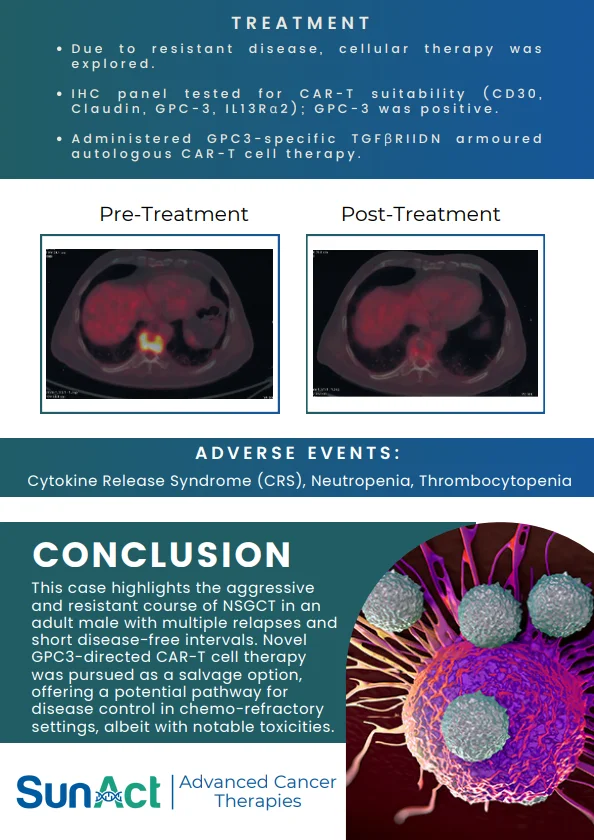
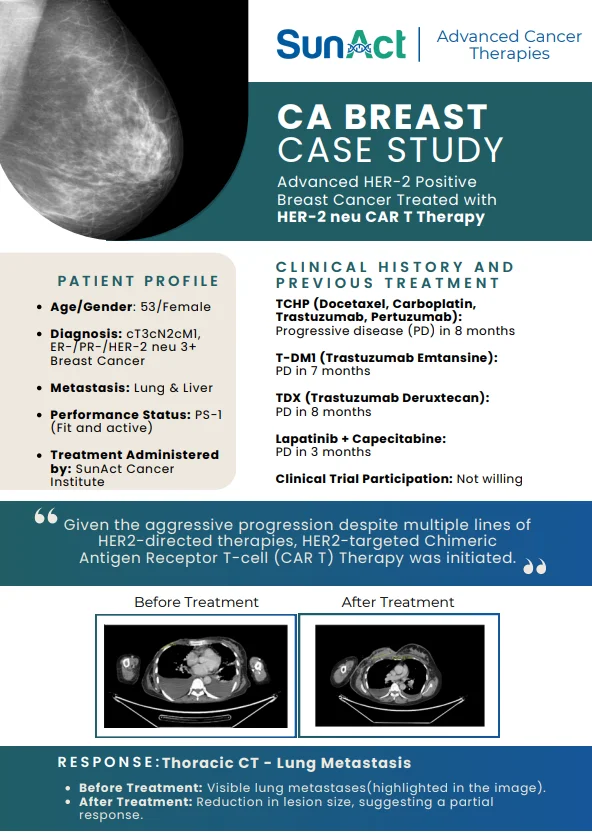
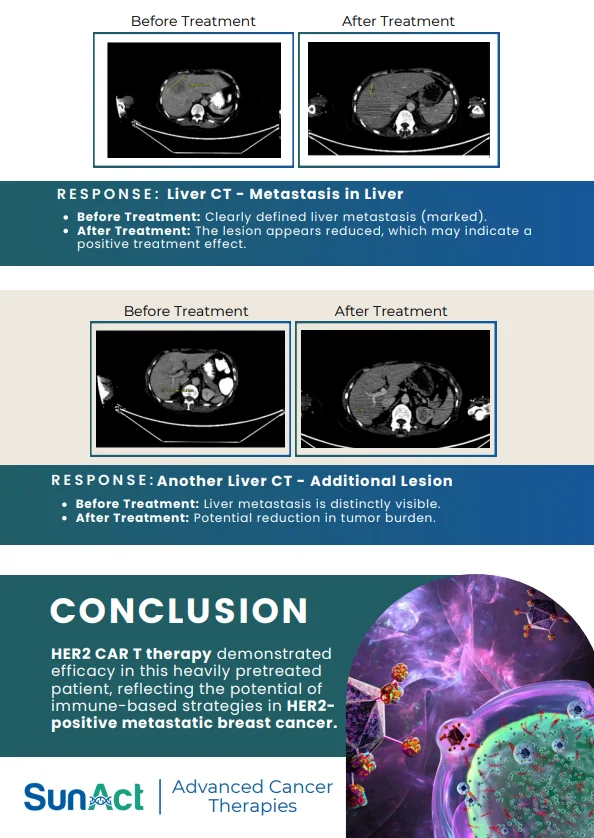
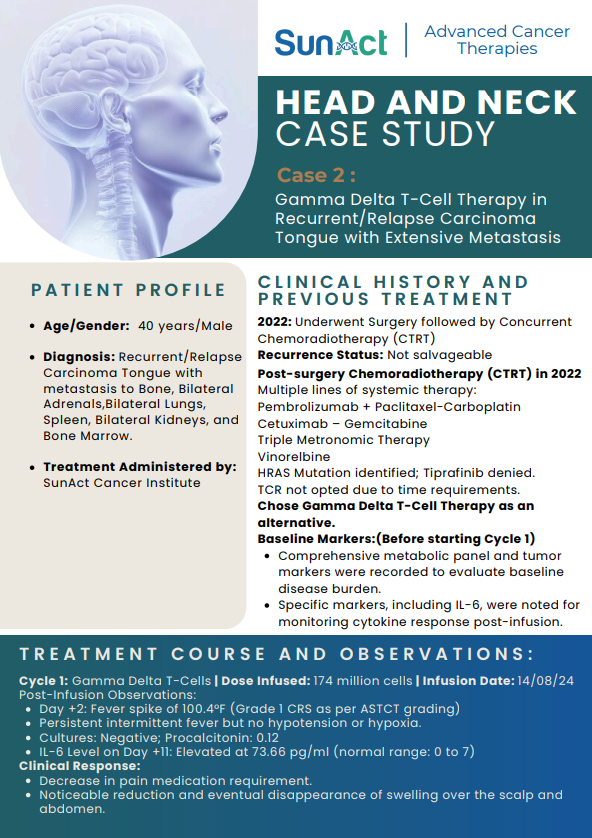
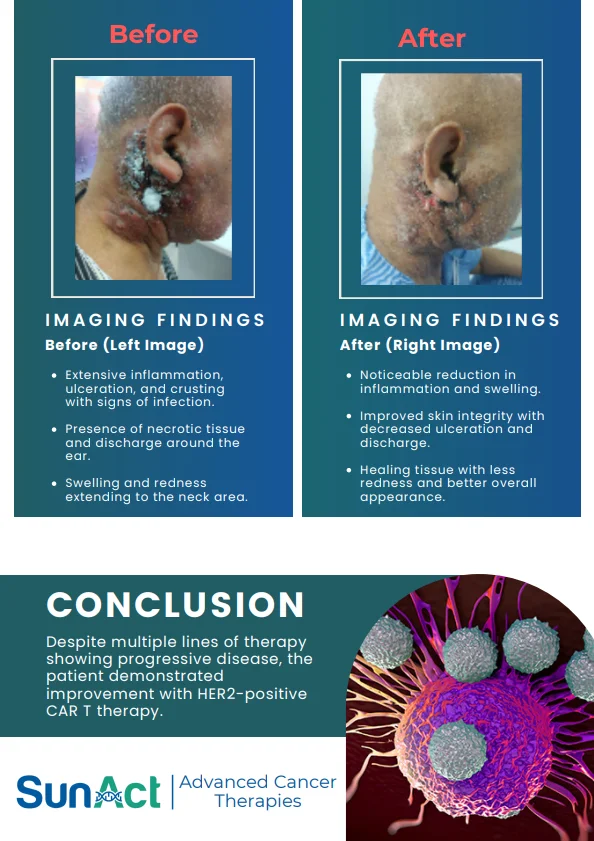
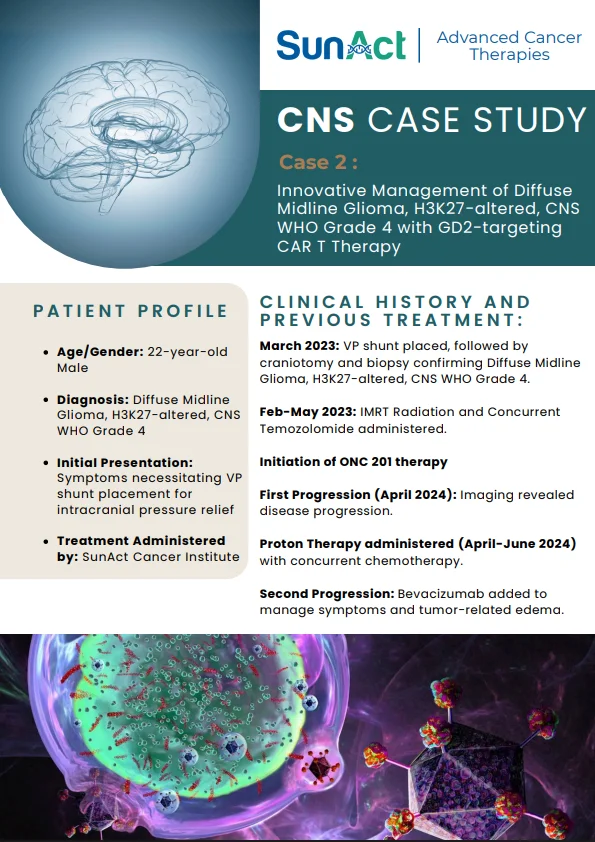
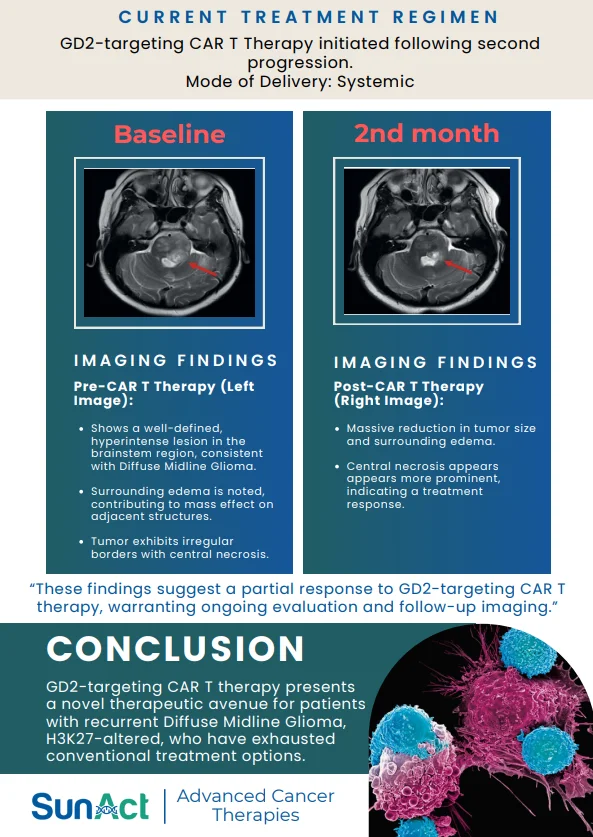
CAR-T cell therapy is one of the most exciting breakthroughs. In this approach, doctors collect a patient’s own immune cells, modify them in a lab to recognize cancer, and infuse them back. These engineered cells actively seek out and destroy cancer cells. CAR-T has already shown dramatic results in blood cancers, with 70–90% of patients responding and many achieving complete remission. Recent studies also show promising results in some solid tumours, such as melanoma and certain lung or ovarian cancers, offering new hope where conventional treatments often fail.
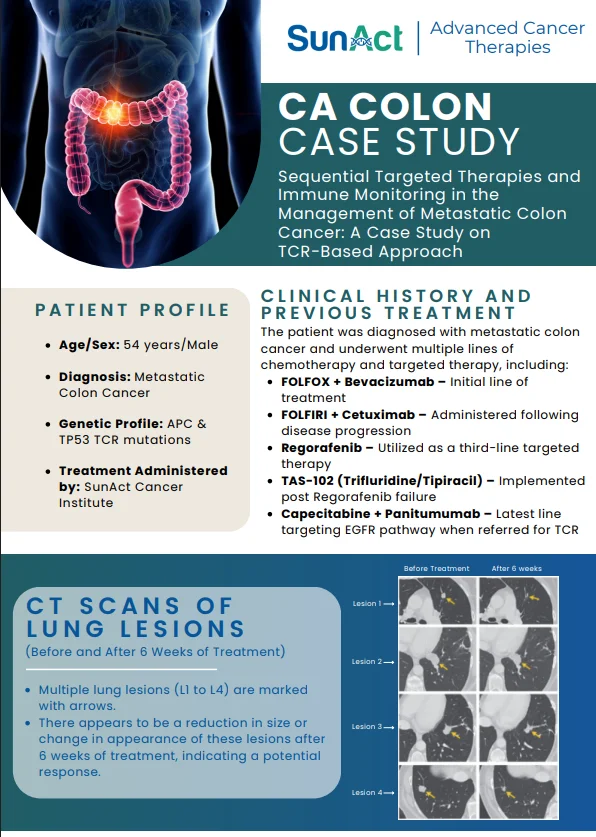
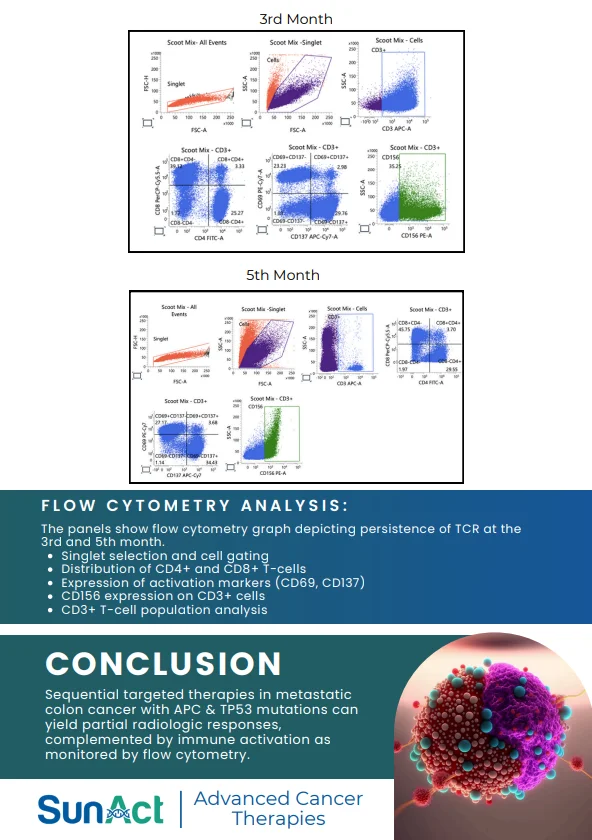
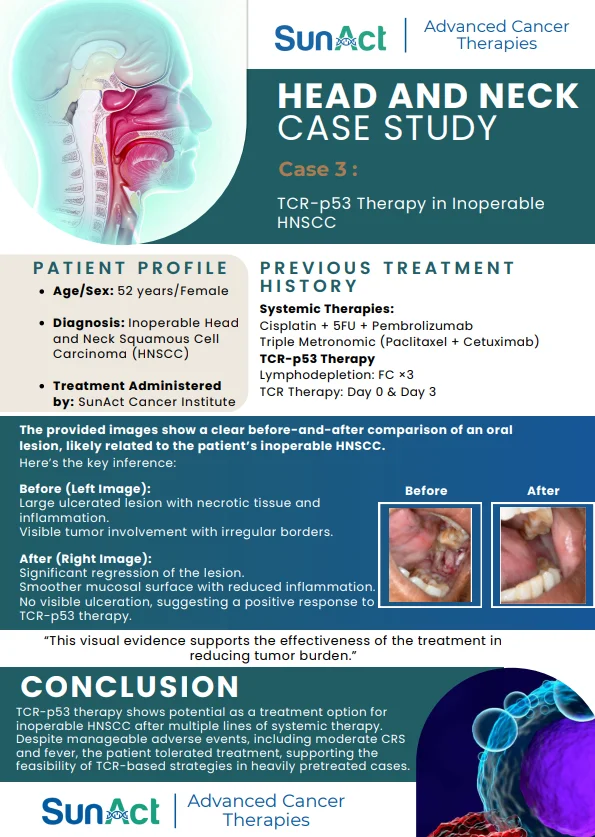
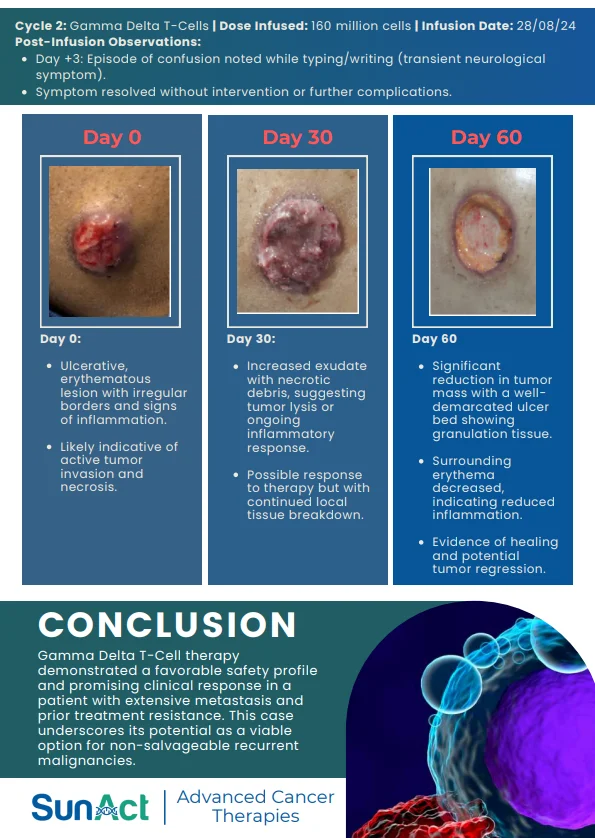
Other therapies, like TIL and TCR treatments, use immune cells from within tumours, expand and enhance their activity in the lab, and reintroduce them to fight cancer. These approaches have shown encouraging responses in advanced melanoma and other solid tumours, giving patients long-lasting remission even after standard therapies stopped working. ADCs combine antibodies with potent anti-cancer drugs to selectively deliver therapy to cancer cells while sparing healthy tissue, and have improved outcomes in breast, lung, gastric, and blood cancers. Meanwhile, therapeutic cancer vaccines train the immune system to recognize and attack cancer cells, helping prevent recurrence and potentially providing long-term protection.
What makes these new treatments remarkable is how they work with the body’s own biology. They are personalized, precise, and often effective when traditional therapies fail, giving patients a greater chance of long-term remission, fewer side effects, and sometimes even a functional cure. We are entering a new era in cancer care, one where treatments offer real hope and life-changing results. With continuous innovation, cancer is increasingly becoming a challenge we can confront, manage, and ultimately overcome.