30 January 2026
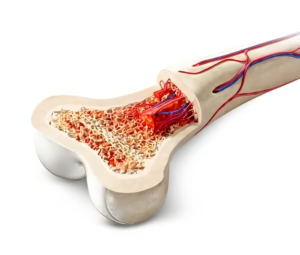
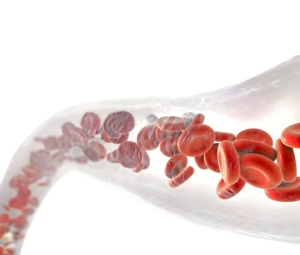
Blood cancers, which include leukemia, lymphoma, and multiple myeloma, affect the blood, bone marrow, and immune system. In India, blood cancers account for around 10–12% of all cancers, with more than 1–1.5 lakh new cases diagnosed every year. For many years, treatment options were largely limited to chemotherapy, radiation therapy, and bone marrow transplants (BMT). While these treatments saved lives, they often came with significant side effects and limited success in advanced disease.
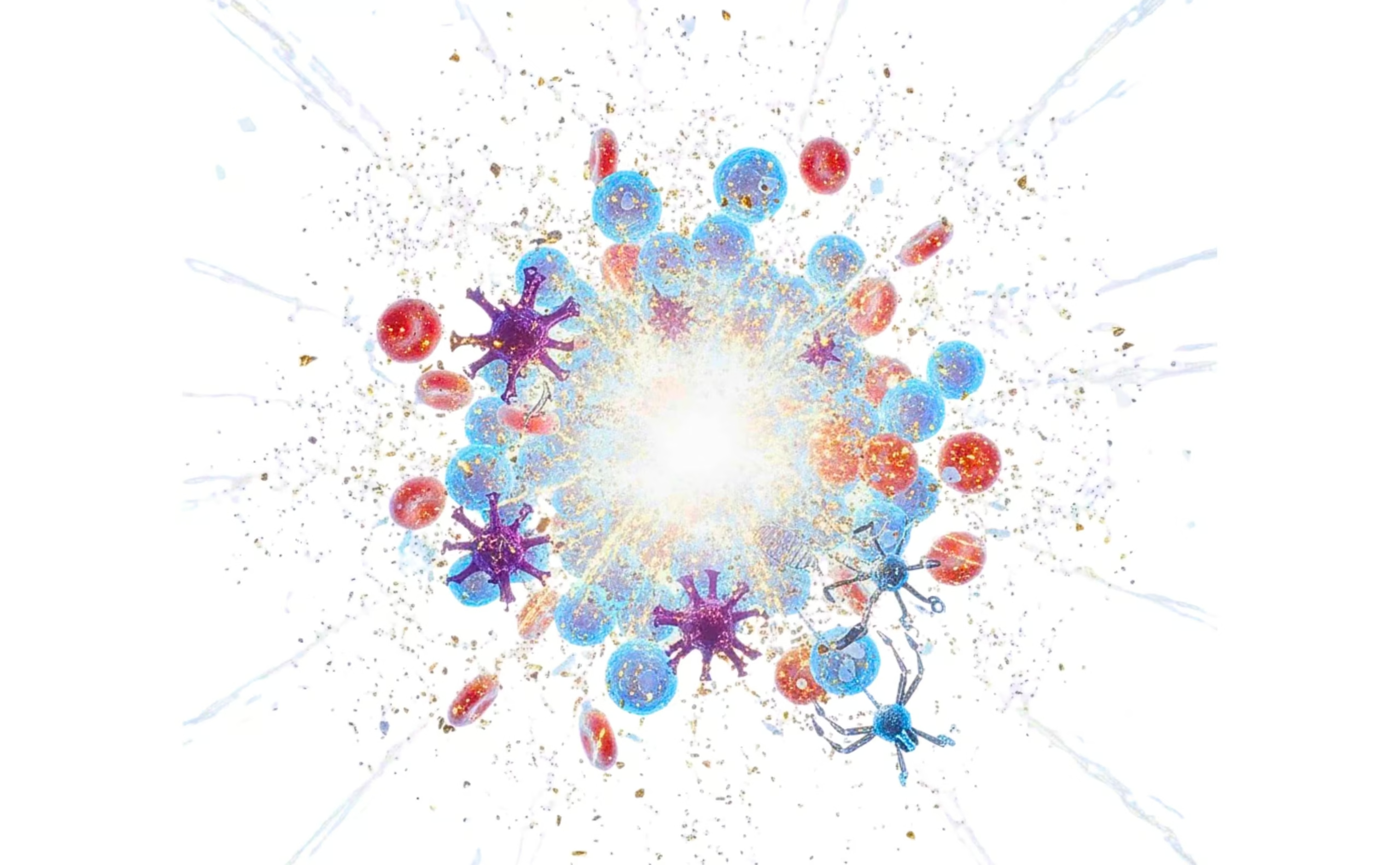
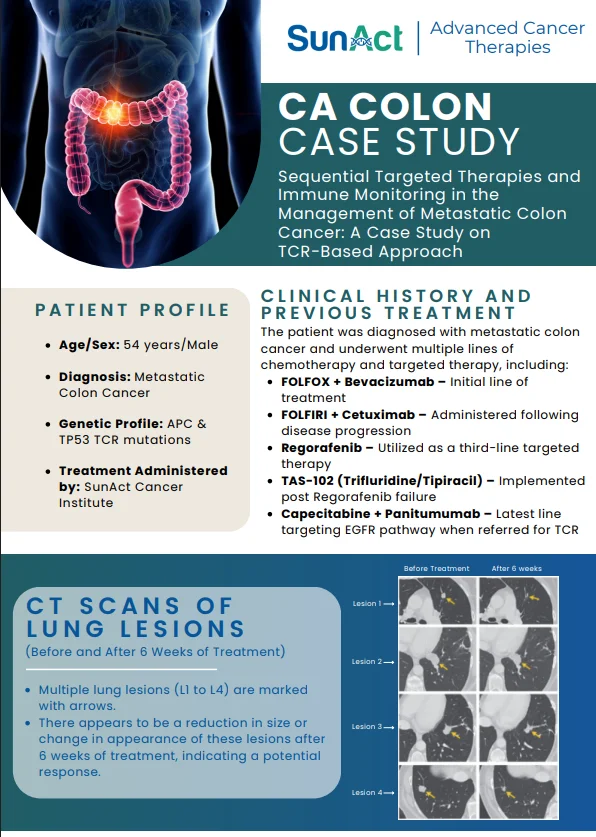
Over the past decade, however, blood cancer treatment has undergone a major transformation with the introduction of targeted therapies and immunotherapy, which are more precise and often better tolerated. These newer drugs work by blocking specific signals that cancer cells need to grow, leading to dramatic improvements in survival for diseases such as chronic myeloid leukemia (CML) and certain types of lymphoma.
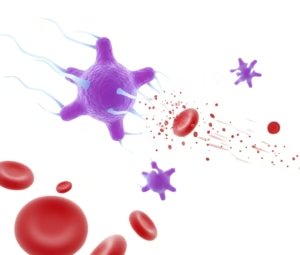
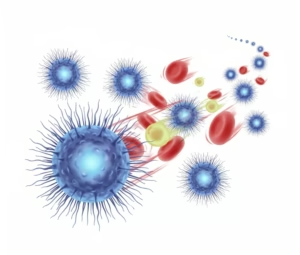
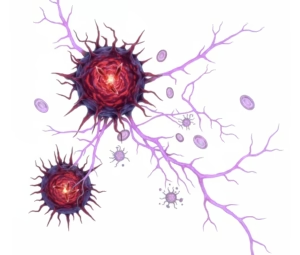
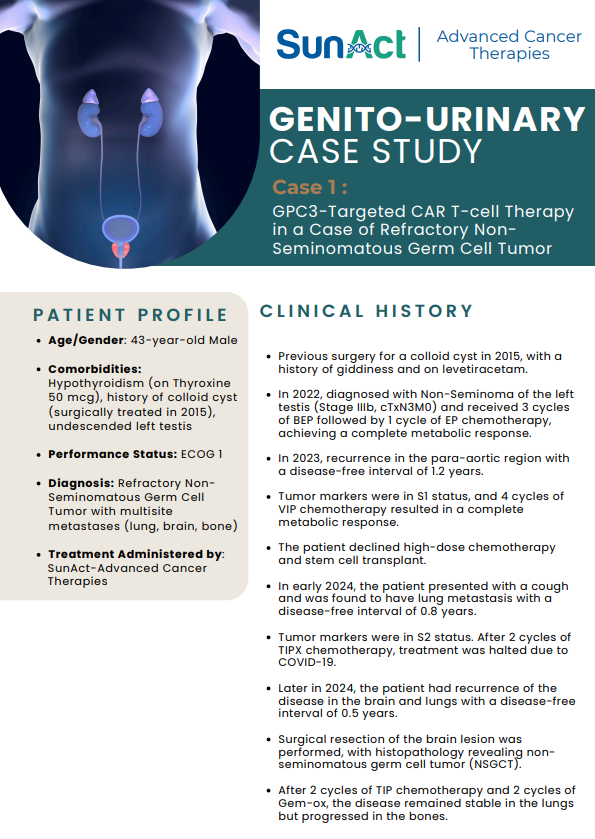
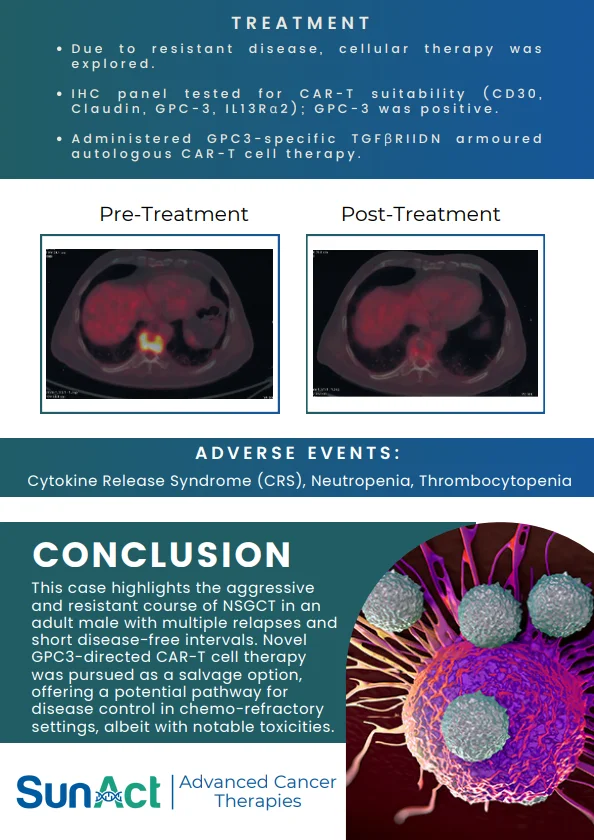
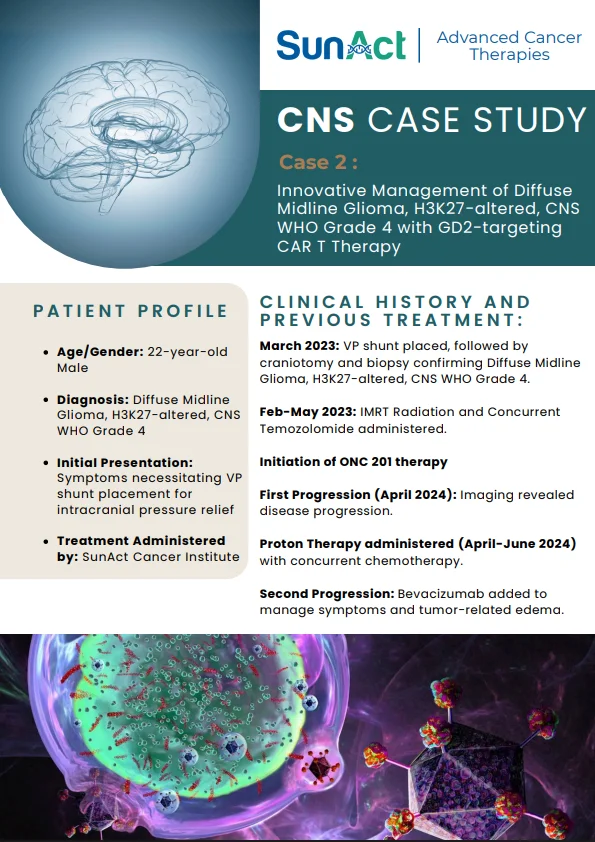
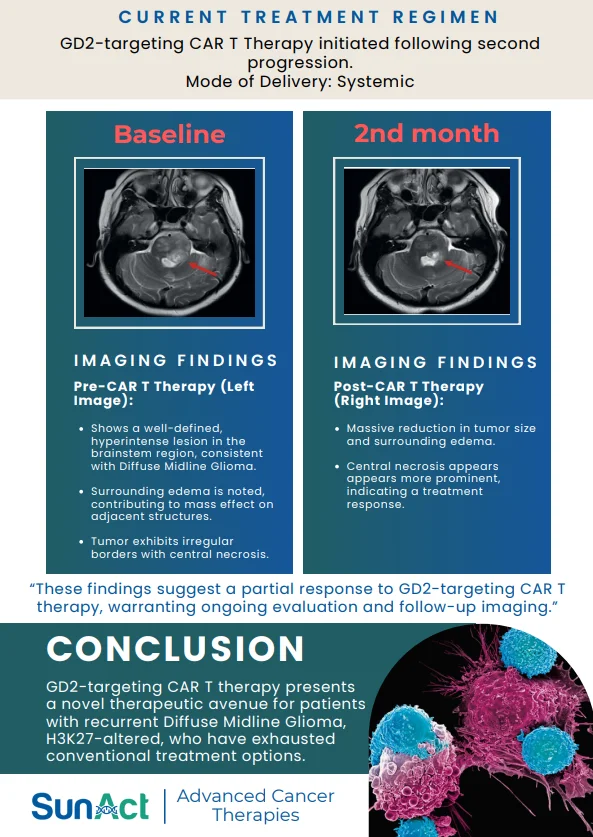
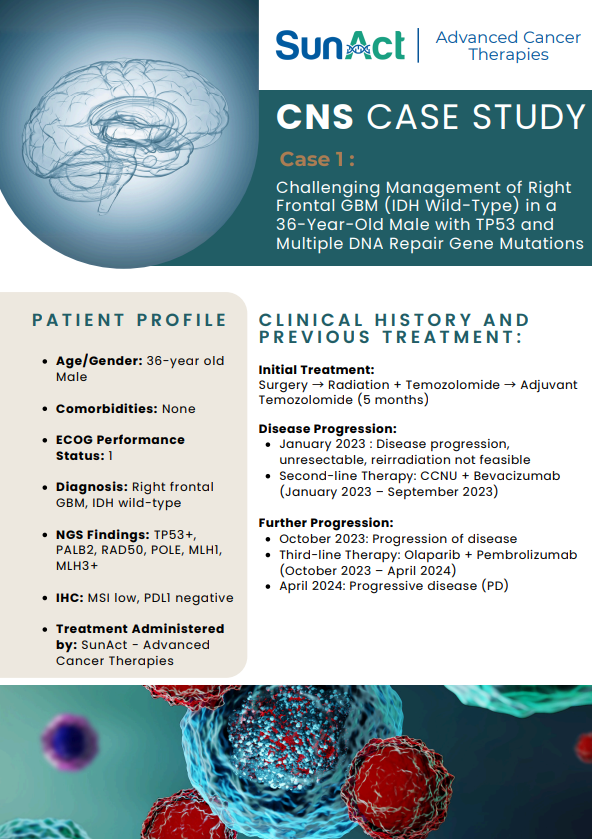
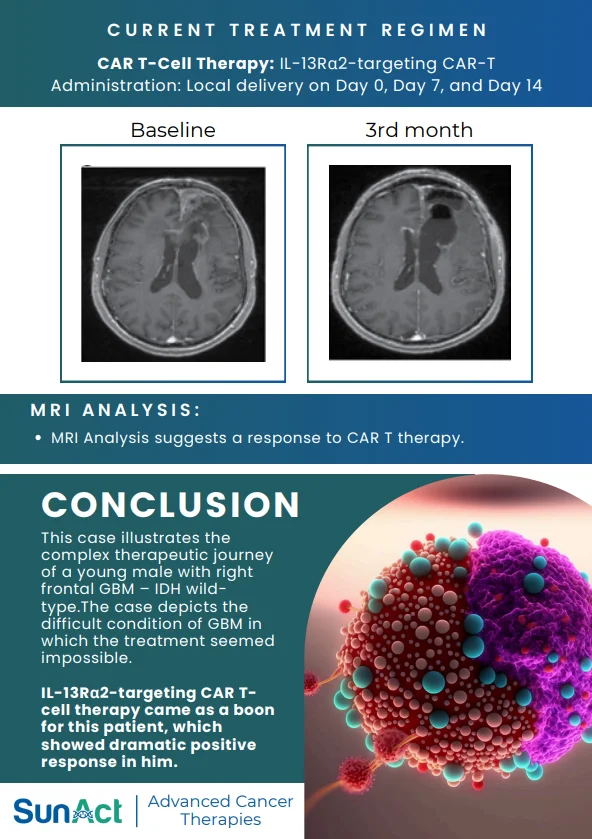
One of the most ground-breaking advances in blood cancer treatment is Chimeric Antigen Receptor T-cell (CAR-T) therapy. In this approach, a patient’s own T cells; key cells of the immune system are collected and genetically modified in the laboratory to recognize specific markers (antigens) on cancer cells, such as CD19 in leukemia and lymphoma or BCMA in multiple myeloma. These engineered cells are then infused back into the patient, where they actively seek out and destroy cancer cells.
CAR-T therapy has shown remarkable results in patients whose cancers had stopped responding to all other treatments. So far, at least seven CAR-T therapies have received regulatory approval globally for relapsed or treatment-resistant blood cancers. Treatment with CAR-T therapy, such as cilta-cabtagene autoleucel (Carvykti) for multiple myeloma, have demonstrated long-lasting benefits, with many patients remaining disease-free for several years after a single treatment raising the possibility of long-term remission.
Importantly, India has made significant progress in this area. Indigenously developed CAR-T therapies such as NexCAR19 and Qartemi are now available for certain B-cell cancers, offering cutting-edge treatment at a much lower cost than imported products. Several hospitals across the country are also expanding facilities for bone marrow transplants and CAR-T therapy, helping bring advanced cancer care beyond major cities.
Beyond CAR-T therapy, other innovative immune-based treatments are also showing promise. Bispecific antibodies, which bring cancer cells and immune cells together to trigger targeted killing, are already changing treatment in some blood cancers. Personalized cancer vaccines and genomic testing are being explored to prevent relapse and help doctors choose the most effective treatment for each patient based on the biology of their cancer.
Take home message
Blood cancer treatment is rapidly moving away from one-size-fits-all chemotherapy toward highly targeted and immune-based therapies. CAR-T therapy represents a major breakthrough, offering new hope to patients who previously had very limited options. With continued innovation, local manufacturing, and expansion of treatment infrastructure especially in countries like India these advances have the potential to make blood cancers more manageable and, in some cases, even curable.