
Volume 2
issue 3

Insights into global breakthroughs in cell-based therapies

Base-Edited Anti-CD7 CAR-T | Anitocabtagene Autoleucel Trial | Single-Cell MRD in AML | FDA Approval of Lisocabtagene Maraleucel

Base-Edited Anti-CD7 CAR-T (BE-CAR7) in Relapsed/Refractory T-ALL

A first-in-human Phase I study has evaluated the safety and feasibility of universal base-edited anti-CD7 CAR-T cells (BE-CAR7) in pediatric (≤16 years) and adult patients with relapsed or refractory T-cell acute lymphoblastic leukemia (T-ALL). BE-CAR7 T cells were engineered using base
editing to generate triple knockouts of TCRαβ, CD52, and CD7, enabling fratricide resistance, allogeneic use, and compatibility with alemtuzumab-based lymphodepletion. Following lymphodepletion with fludarabine, cyclophosphamide, and alemtuzumab, 11 patients received BE-CAR7. Patients achieving remission by day 28 proceeded to allogeneic hematopoietic stem-cell transplantation (allo-HSCT)
Reference: Chiesa R, Georgiadis C, Rashed H, et al. N Engl J Med. 2026;394:152–165.

Clinical Implications
  • Feasibility and safety of base-edited, allogeneic CAR-T therapy
    in T-ALL, a disease with historically limited treatment options.
  • 100% morphologic remission at day 28, with 82% (9/11) attaining
    deep MRD-negative or near-negative remission sufficient for alloHSCT.
  • BE-CAR7 an effective bridge-to-transplant strategy in relapsed/
    refractory T-ALL.
  • Toxicities were clinically manageable and consistent with intensive
    cellular therapy, including CRS (grades 1–4), transient rashes, cytopenias, and infections.
Why It Matters
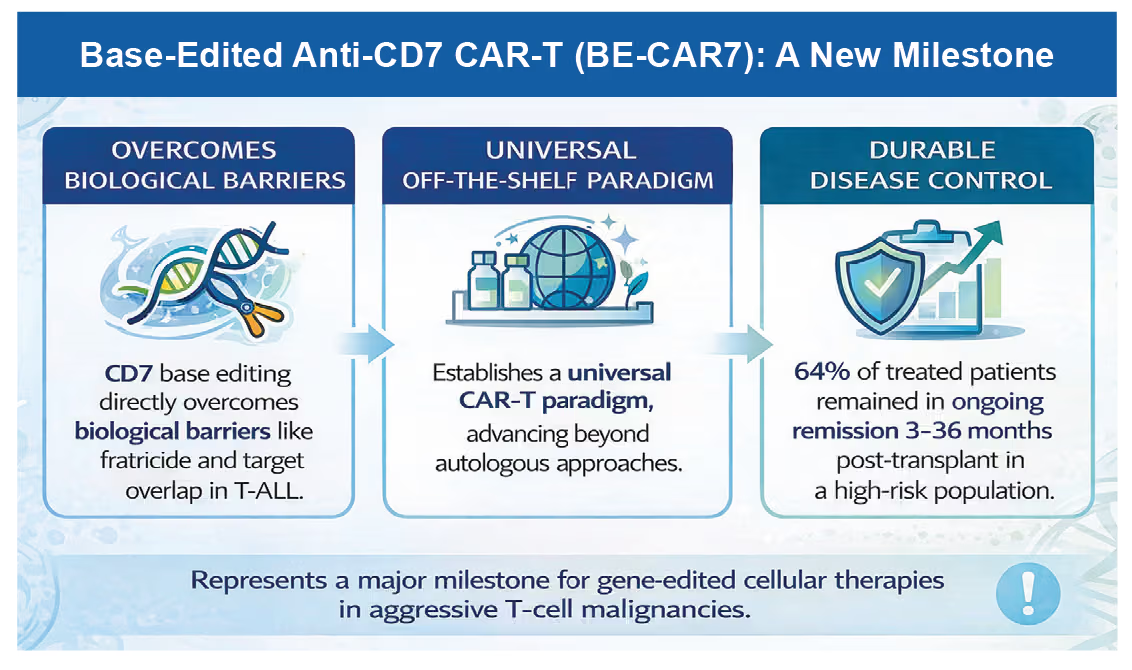
  • T-ALL has lacked effective CAR-T options due to fratricide and
    target overlap; CD7 base editing directly overcomes these
    biological barriers.
  • Establishes a universal, off-the-shelf CAR-T paradigm, advancing beyond autologous approaches.
  • 64% of treated patients (7/11) remained in ongoing remission 3–36 months post-transplant, indicating durable disease control in a high-risk population.
  • Critical insight into antigen escape, informing next-generation
    multi-target strategies.
Anitocabtagene Autoleucel (Anito-cel): Key Clinical Trial Update

Anitocabtagene autoleucel (anito-cel) is an investigational BCMAdirected CAR-T therapy showing strong clinical promise in relapsed/
refractory multiple myeloma. Updated Phase II iMMagine-1 data
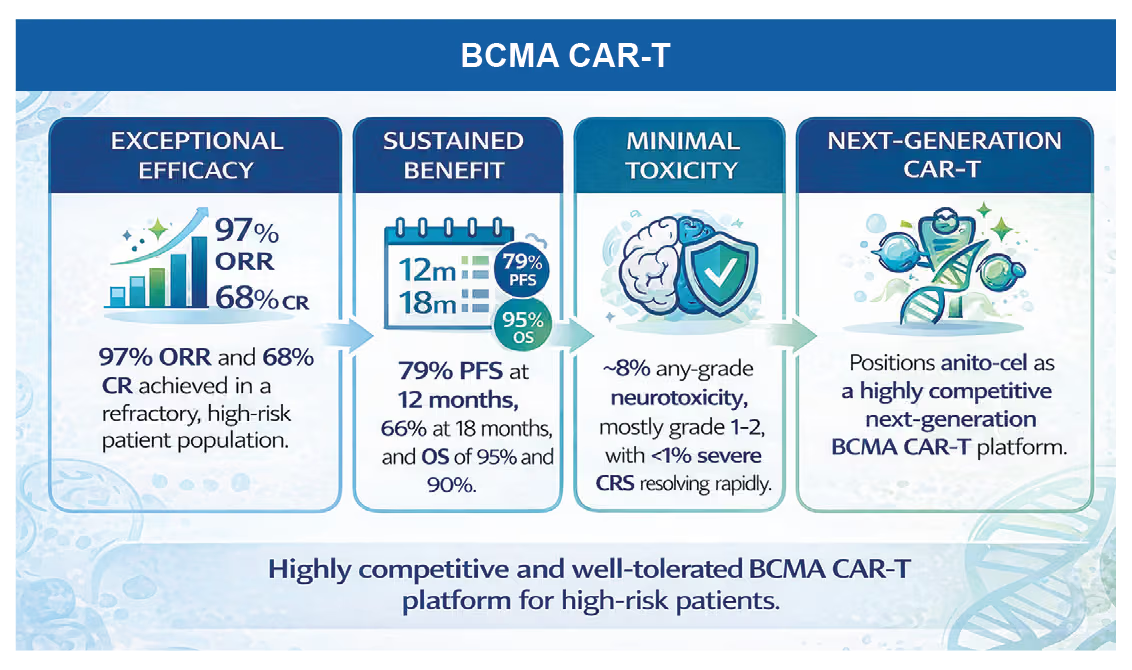
presented at ASH 2025 reported a 97% overall response rate and
68% complete response rate in a heavily pretreated population.
Anito-cel demonstrated durable progression-free and overall survival. A
key differentiator is the use of a novel synthetic BCMA-binding protein,
rather than a conventional antibody-derived scFv, which may enable
simpler manufacturing and reduced toxicity.
Clinical Implications
  • High and durable efficacy in heavily pretreated relapsed/refractory multiple myeloma.
  • Favorable safety profile may expand eligibility to patients less suitable for existing CAR-T therapies.
  • Predictable hematologic toxicities support standardized supportive care and potential outpatient management.
  • Phase III evaluation raises the possibility of earlier-line use if superiority or non-inferiority is established.
Clinical Implications
  • High and durable efficacy in heavily pretreated relapsed/refractory multiple myeloma.
  • Favorable safety profile may expand eligibility to patients less suitable for existing CAR-T therapies.
  • Predictable hematologic toxicities support standardized supportive care and potential outpatient management.
  • Phase III evaluation raises the possibility of earlier-line use if superiority or non-inferiority is established.

Reference: Patel K. Phase 2 registrational study of anitocabtagene autoleucel for the treatment of patients with relapsed and/or refractory multiple myeloma: Updated results from iMMagine—1. MD Anderson Cancer Center, Houston, TX, United States. ClinicalTrials.gov Identifier: NCT05396885

Why This Matters
  • Exceptional efficacy with 97% ORR and 68% CR in a refractory population.
  • Sustained benefit with PFS of 79% at 12 months and 66% at 18 months,
    and OS of 95% and 90%, respectively.
  • Minimal neurotoxicity.
    Positions anito-cel as a highly competitive next-generation BCMA CAR-T
    platform
Clinical Translation of Single-Cell MRD (scMRD) in AML

A prospective real-world study evaluated the prognostic utility of a singlecell measurable residual disease (scMRD) assay in 21 AML patients treated with standard induction chemotherapy or HMA + venetoclax. Using a single cell multiomics platform with enrichment for CD34+/ CD117+ cells, 66,515 cells were profiled and directly compared withconventional MRD methods (flow cytometry and bulk NGS).
Reference: Micin K, Madarang E, Nong T, Affer M. Blood. 2025;146(Suppl 1):280.

Clinical Implications
  • Detects residual leukemic clones missed by standard MFC, particularly in HMA + Ven-treated patients.
  • Enables clonal-level resolution, distinguishing leukemia from clonal
    hematopoiesis or regenerating marrow.
  • Provides early and actionable relapse prediction, even when
    conventional MRD assays are discordant.
  • Rapid turnaround (<1 week) supports feasibility in routine clinical
    workflows.
Why This Matters
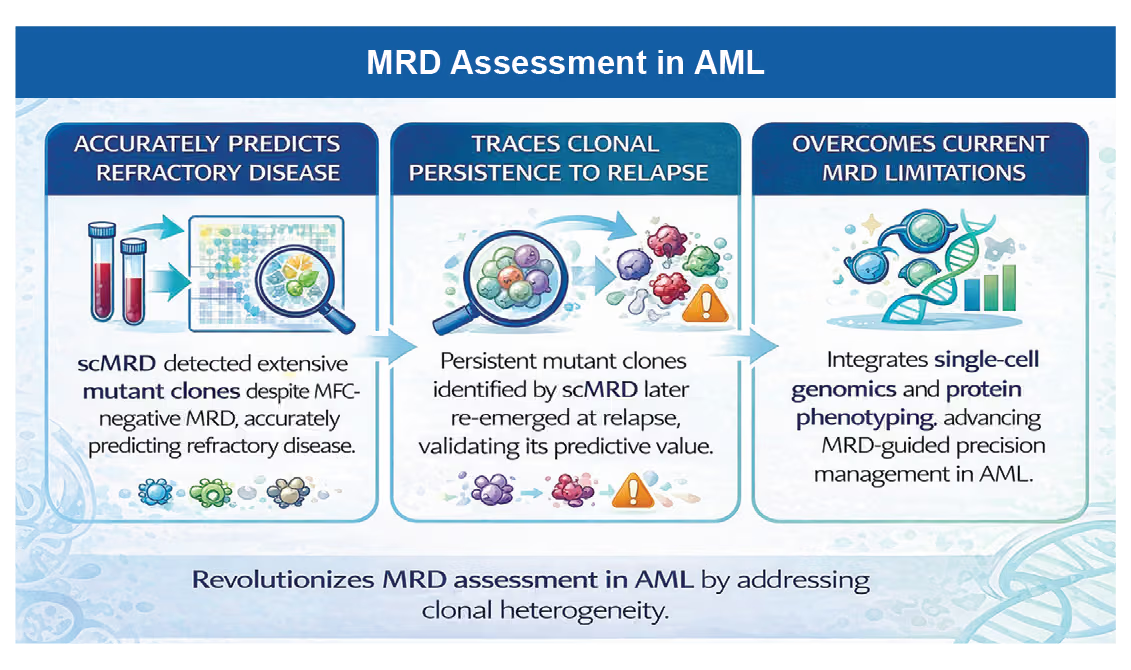
  • In a representative HMA + Ven case, scMRD detected extensive mutant clones despite MFC-negative MRD, accurately predicting refractory disease.
  • Persistent mutant clones identified by scMRD later re-emerged
    at relapse, validating its predictive value.
  • Advanced MRD-guided precision management in AML.
FDA Approval of Liso-cel in Relapsed/Refractory Marginal Zone Lymphoma

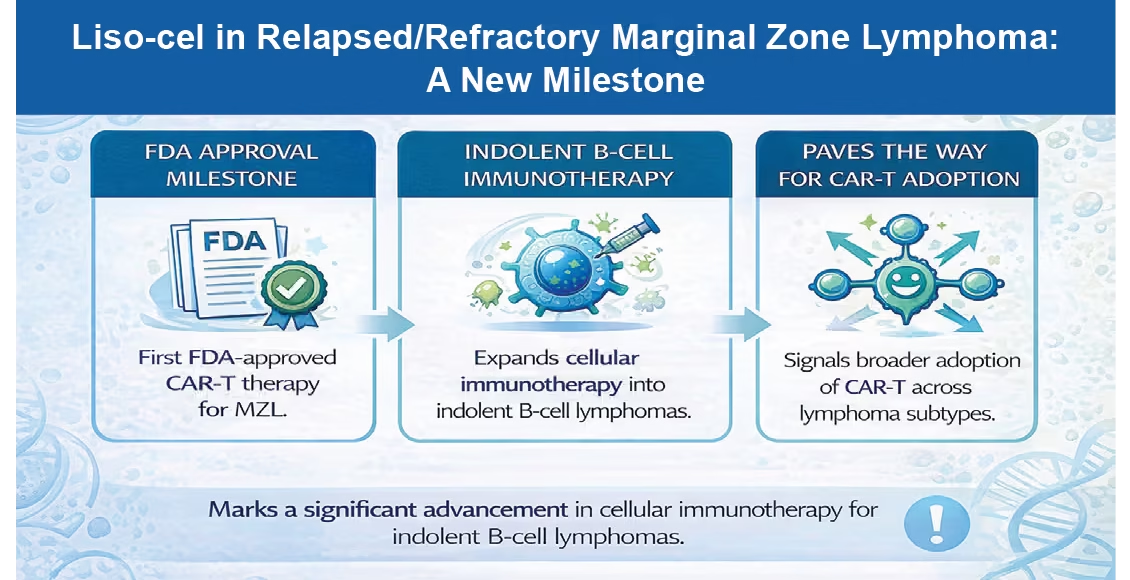
The FDA approved lisocabtagene maraleucel (liso-cel; Breyanzi) for
adults with relapsed or refractory marginal zone lymphoma (MZL) after at least two prior systemic therapies, based on the Phase II TRANSCEND FL trial.
Clinical Implications
  • Provides a new option for heavily pretreated R/R MZL patients.
  • Demonstrates high activity with ORR 84.4% and CR 55.8%.
  • Durable responses with median duration not reached, supporting
    long-term disease control.

Reference: https://www.fda.gov/drugs/resources-information-approved-drugs/fda-approves-lisocabtagene-maraleucel-relapsed-or-refractory-marginal-zone-lymphoma. December 4, 2025

At SunAct, we remain dedicated to tracking and sharing global advances that continue to redefine the landscape of cellular therapy and oncology. Stay tuned for our next edition as we uncover more breakthroughs and emerging trends shaping the future of cancer research.

Disclaimer: This newsletter is intended for healthcare professionals and researchers. Information is for educational purposes only.
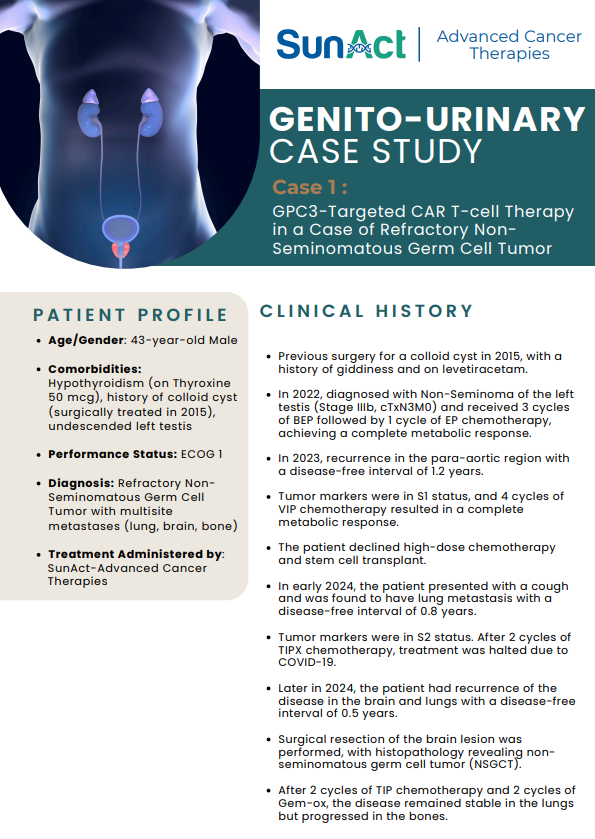
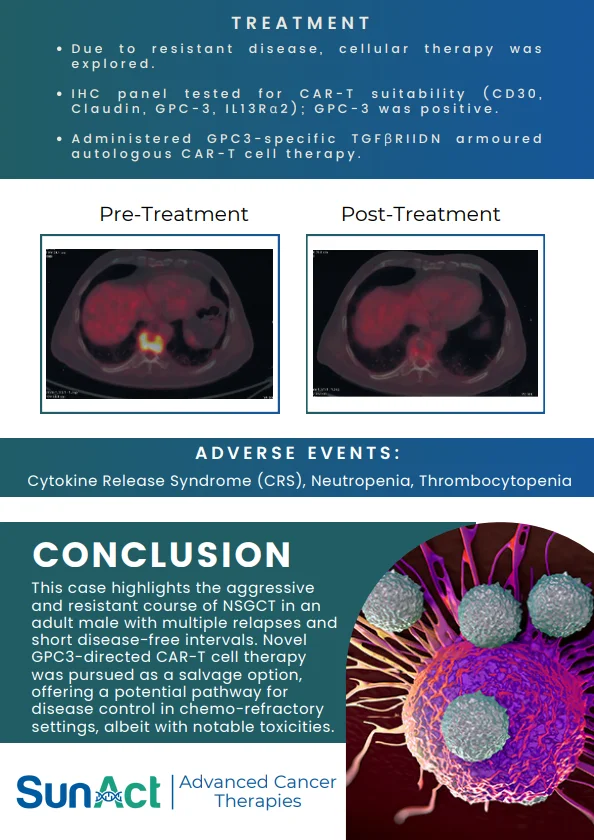
SunAct genitourinary cancer case study on GPC3-targeted CAR T therapy for refractory non-seminomatous germ cell tumor
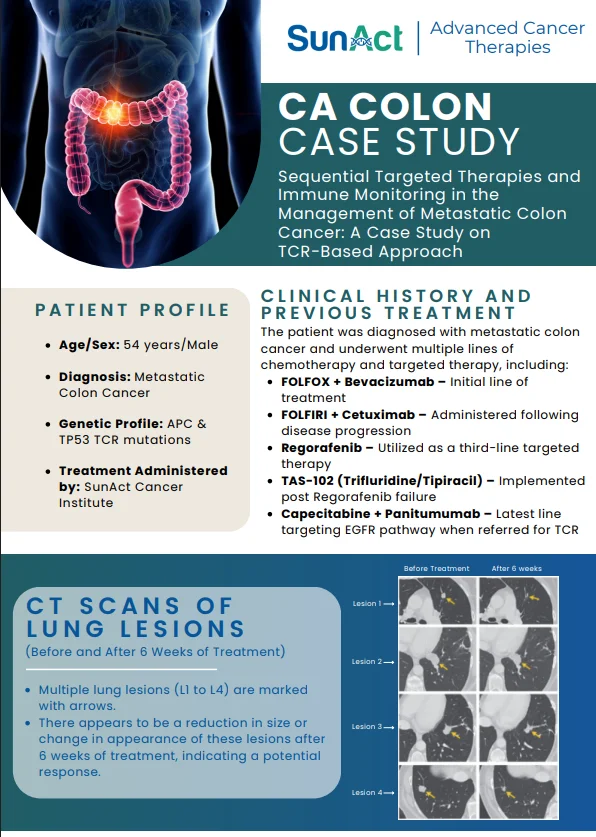
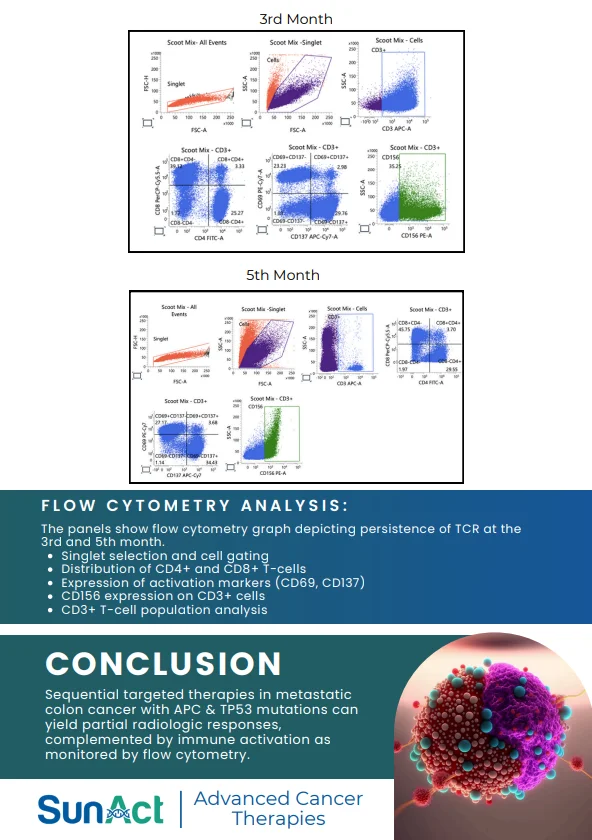
SunAct colon cancer case study highlighting TCR-based approach in metastatic colon cancer with lung lesions
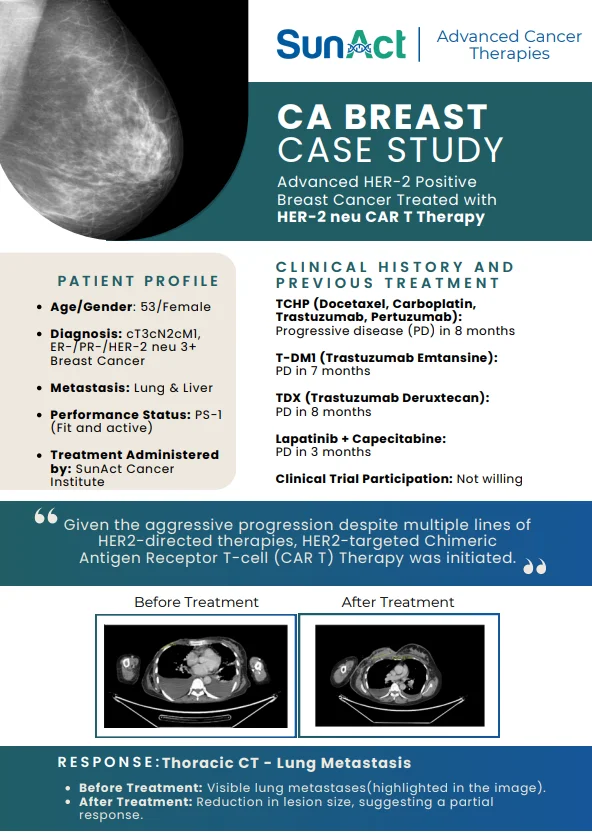
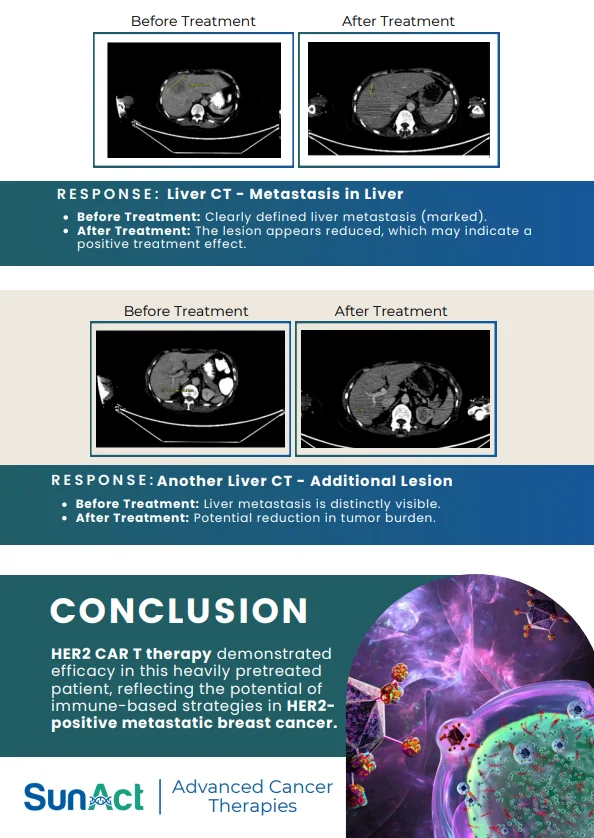
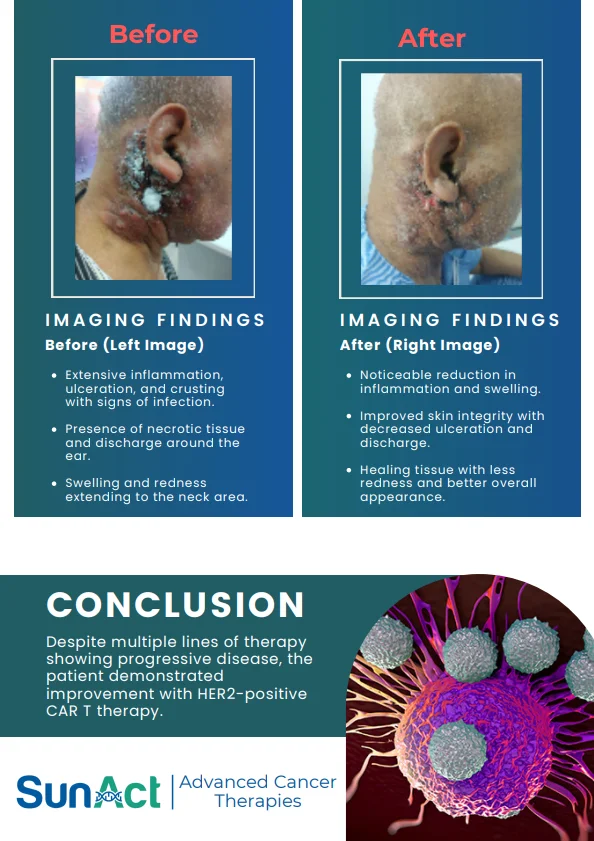
SunAct breast cancer case study showcasing HER2-positive treatment with CAR T-cell therapy
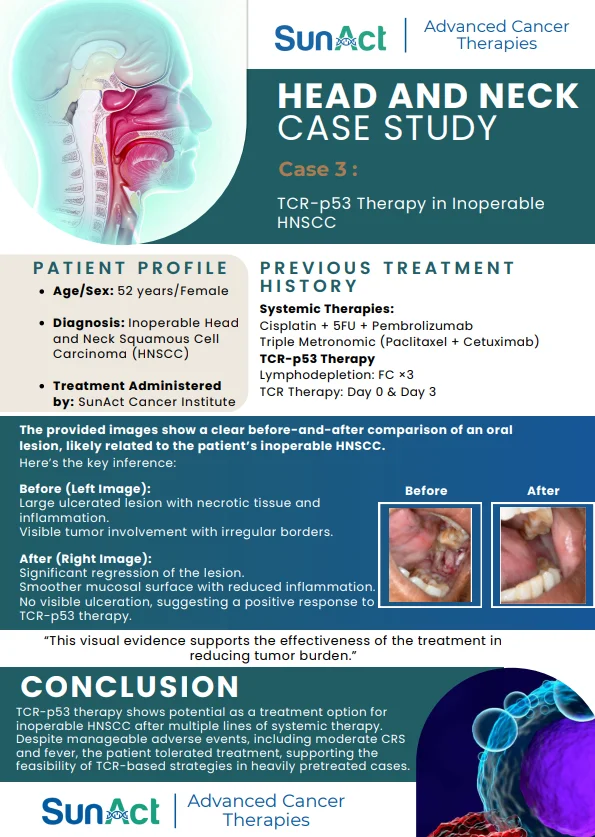
SunAct head and neck cancer case study using TCR-p53 therapy in inoperable squamous cell carcinoma
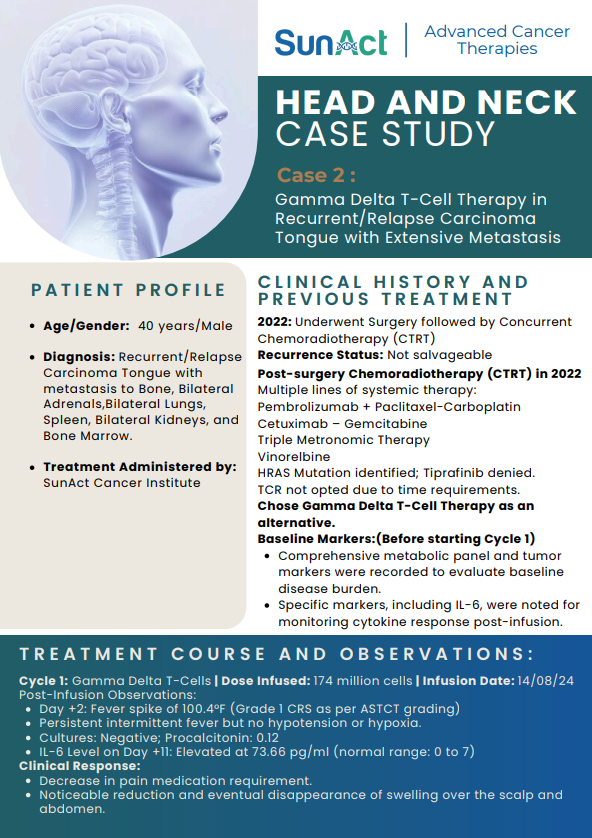
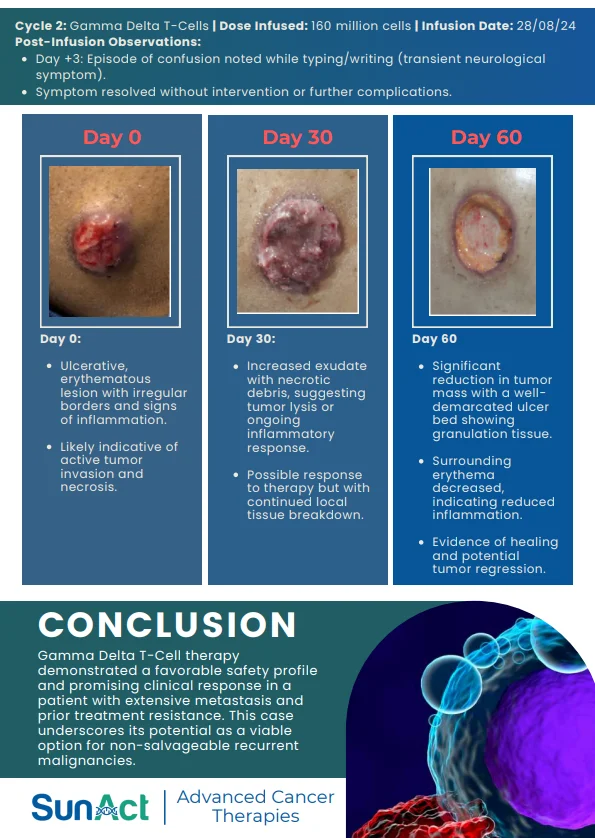
SunAct case study featuring gamma delta T-cell therapy for recurrent tongue carcinoma with extensive metastasis
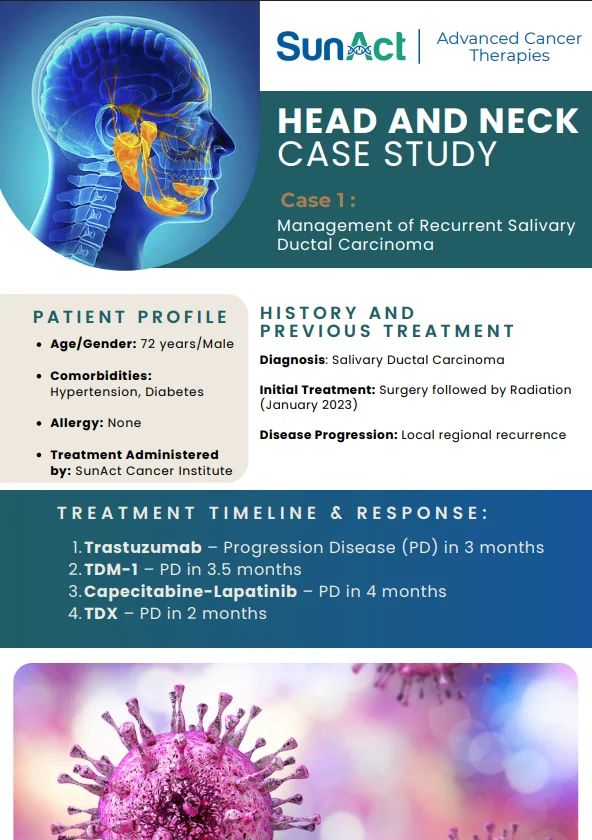
SunAct head and neck cancer case study on salivary ductal carcinoma managed with advanced therapies
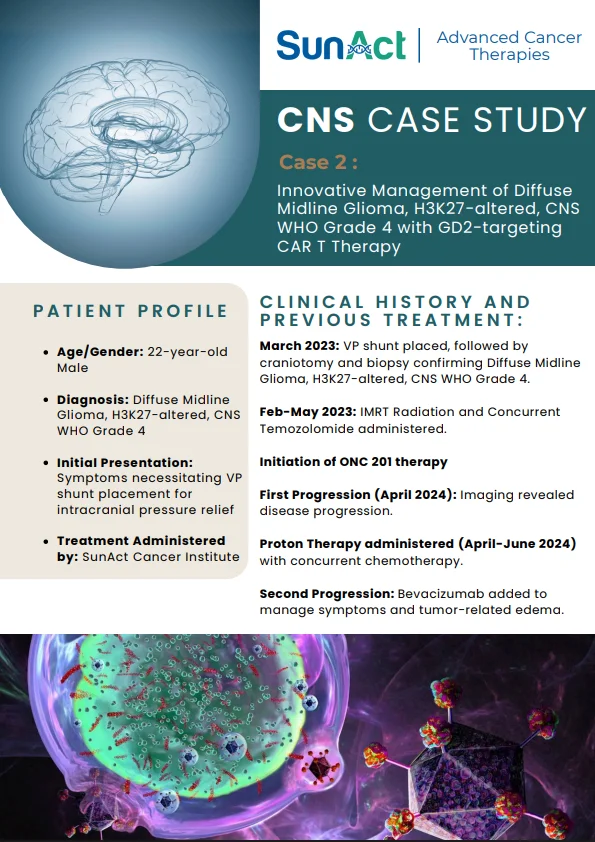
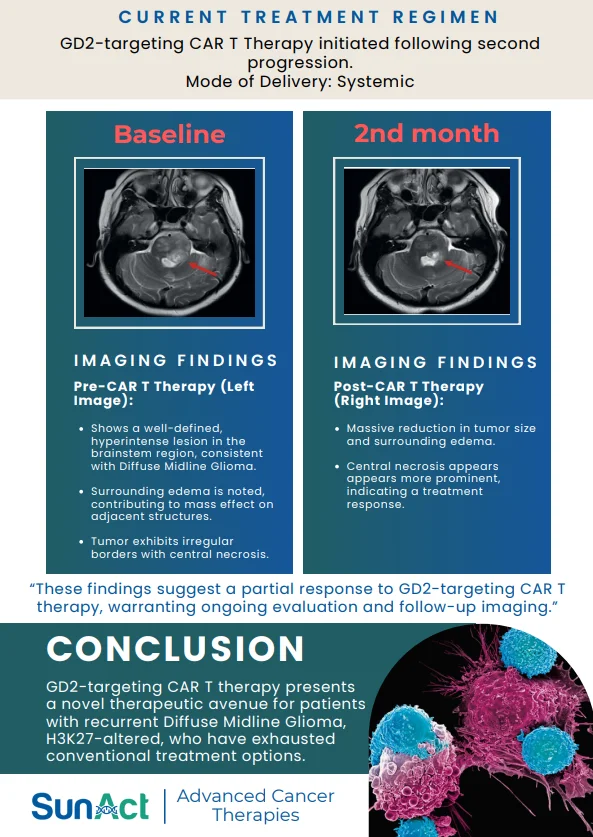
SunAct case study on GD2-targeted CAR T therapy for diffuse midline glioma in a 22-year-old male
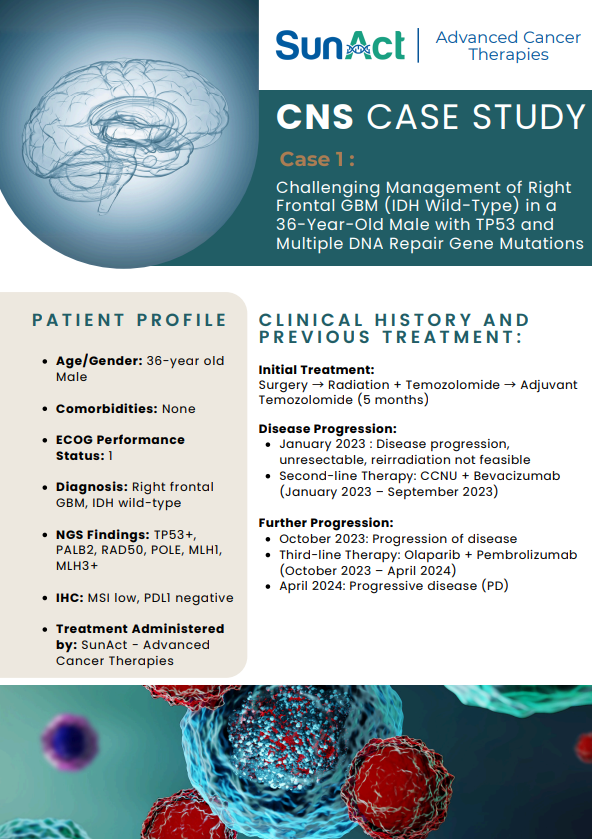
SunAct CNS case study on GBM treatment using multiple gene mutation targeting in a 36-year-old male