13 November 2026
Table of Contents
If a doctor has said that your child, or you, may need a bone marrow transplant, one of the first things you will hear about is HLA matching. Families are often asked to give blood or cheek swabs within days, and suddenly brothers, sisters and cousins are being tested too. It can feel rushed and confusing.
This guide explains HLA matching in plain language: what HLA is, why it matters so much in a transplant, how the test is done, what words like “full match” and “half match” mean, and what happens if a perfect match cannot be found. The aim is simple: to help you understand every step so you can ask the right questions.
HLA in Simple Words
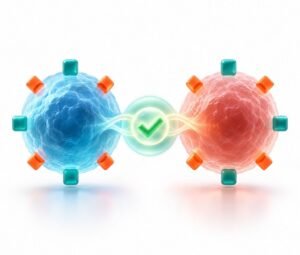
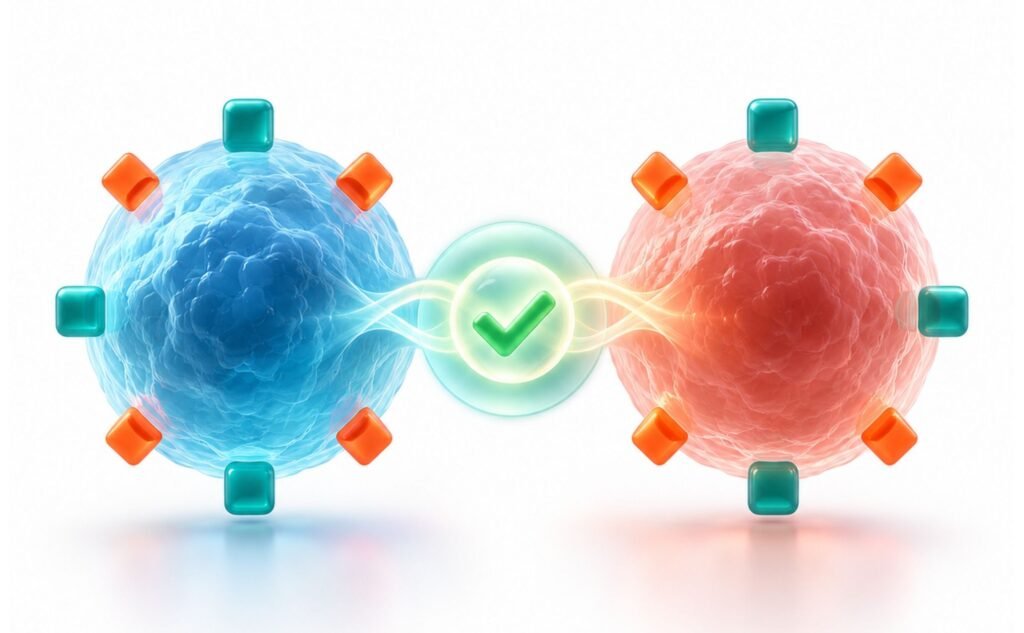
HLA stands for human leukocyte antigen. These are proteins found on the surface of most cells in the body. Think of them as ID tags that tell the immune system, “This cell belongs here.”
Your immune system constantly checks these tags. If it sees cells with familiar tags, it leaves them alone. If it sees cells with unfamiliar tags, such as germs or cells from another person, it may attack them.
Every person has their own mix of HLA tags. There are many different versions of each tag in the population, which is why two unrelated people rarely have exactly the same set.
Quick definition
HLA matching is the process of comparing the HLA tags of a patient and a possible donor to see how similar they are. The closer the match, the more likely the transplant is to work safely.
Why Does HLA Matching Matter in a Transplant?
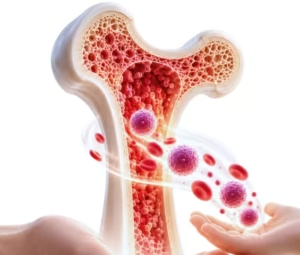
In an allogeneic bone marrow transplant, healthy blood stem cells come from another person, the donor. These stem cells grow into a whole new blood and immune system inside the patient.
Because the new immune system comes from the donor, HLA matching protects against two main problems:
- Graft rejection: The patient’s remaining immune cells see the donor cells as foreign and attack them, so the new cells fail to settle in.
- Graft-versus-host disease (GVHD): The donor’s immune cells see the patient’s body as foreign and attack healthy tissues, such as the skin, gut or liver.
A closer HLA match lowers the chance of both. This is why the transplant team spends so much effort finding the best possible donor.
HLA matching is not needed for an autologous transplant, where the patient’s own stem cells are collected and given back, because the cells already belong to the patient.
How Is HLA Passed Down in a Family?
HLA tags are inherited in sets. Each child receives one set from the mother and one set from the father. This has some important effects:
- Brothers and sisters who received the same two sets as the patient are a full match. They are usually the first people tested.
- Siblings who share only one set are a half match, and siblings who share neither set are not a match.
- Parents are almost always a half match to their child, because each parent gave exactly one set.
- Children of a patient are also usually a half match.
- Cousins, aunts and uncles are less likely to be a full match, though they are sometimes tested in special situations.
Because it depends on how the sets were shuffled, there is no way to predict which sibling will match. Testing is the only way to know. Many patients do not have a fully matched brother or sister, which is completely normal and not anyone’s fault.
How Is HLA Testing Done?
HLA testing is simple for the person being tested:
- A blood sample or a cheek swab is collected. A cheek swab is just a soft brush rubbed inside the cheek, which makes it easy for children.
- The sample goes to a specialised HLA laboratory, where the DNA is studied to identify the exact version of each HLA tag.
- Results usually take some days to a few weeks, depending on the lab and the level of detail needed.
Labs can test at different levels of detail. A basic test shows the broad group each tag belongs to. A high-resolution test shows the exact version. For transplant decisions, doctors rely on high-resolution results, because two tags can look the same at a basic level but still differ in ways that matter.
Understanding Match Results
Doctors usually compare a set of key HLA tags between the patient and the donor and describe the result as a score, such as “ten out of ten” or “eight out of eight”, depending on how many tags were compared. Here is what the common terms mean:
| Term | What it means | Who is usually this match |
|---|---|---|
| Full match (matched) | All the key HLA tags compared are the same | Some siblings; some unrelated registry donors |
| Partial or mismatched | Most tags match, but one or more are different | Some unrelated donors |
| Half match (haploidentical) | One full set matches and the other does not | Parents, children, many siblings and some relatives |
| No match | Neither set matches | Siblings who inherited different sets from both parents |
A full match is generally preferred, but it is not the only factor. The donor’s age, health, weight, blood group, sex and past exposure to certain viruses can also influence the choice. Your transplant team will weigh all of these together.
A match score is not a verdict
Please do not read a match report on your own and draw conclusions. Two donors with the same score may not be equally suitable, and a half-matched donor may be the best choice in certain situations. Ask your transplant team to explain the result.
Where Can a Donor Come From?
Matched sibling donor
A brother or sister with the same HLA sets. This has traditionally been the first choice, because the match is close and the donor is usually easy to reach.
Matched unrelated donor
A volunteer found through a stem cell donor registry. Registries in India and abroad store the HLA results of people who have agreed to donate. Because HLA types are often shared within communities with similar ancestry, it can be easier to find a match for people whose background is well represented on the registry. Searching, confirming and arranging an unrelated donor takes time.
Half-matched (haploidentical) family donor
Usually a parent, a half-matched sibling or a grown-up child. Thanks to newer ways of preventing GVHD after the transplant, half-matched transplants are now widely used and have made transplant possible for many families who have no full match.
Cord blood
Stem cells collected from the umbilical cord and placenta after a baby is born, then frozen and stored. Cord blood can work with a less perfect match, but each unit contains a limited number of cells, so it is used in selected situations.
What If There Is No Perfect Match?
This is one of the biggest worries for families, so it is important to say clearly: not having a perfect match no longer means a transplant is impossible. Your team may:
- Search donor registries for a matched or closely matched unrelated donor
- Consider a half-matched family donor, often a parent
- Consider cord blood in selected cases
- Use special medicines after the transplant to lower the risk of GVHD
- Continue other treatment to keep the illness under control while the search goes on
The best option depends on the illness, how urgently the transplant is needed, the patient’s health and which donors are available.
Other Tests Done Alongside HLA Matching
Once possible donors are identified, more checks follow:
- Antibody testing: Some patients, especially those who have had many blood transfusions or pregnancies, develop antibodies against certain HLA tags. If a patient has antibodies against a donor’s tags, the transplant team may choose a different donor or take steps to lower the antibodies.
- Confirmatory testing: The chosen donor’s HLA type is checked again on a fresh sample to make sure there is no error.
- Donor health checks: The donor has a medical examination, blood tests and infection screening to make sure donating is safe for them and for the patient.
- Blood group: Recorded and planned for, though a different blood group does not stop a transplant.
Common Myths About HLA Matching
- Myth: A parent is always a full match. Parents are almost always a half match, not a full match.
- Myth: Twins and siblings always match. Identical twins match each other, but other siblings may or may not match.
- Myth: The donor must have the same blood group. Blood group matching is not required for a stem cell transplant.
- Myth: Donating stem cells is a major operation. Most donors give stem cells from the blood through a machine, much like a long blood donation. Some donate from the hip bone under anaesthesia. Both are generally safe, and the donor’s body replaces the cells.
- Myth: No match means no hope. Half-matched and unrelated donor transplants mean most patients who need a transplant can now find a donor.
Key takeaways
- HLA tags are like ID tags on your cells that the immune system checks.
- Close HLA matching lowers the risk of graft rejection and graft-versus-host disease.
- Each child gets one HLA set from each parent, so siblings may or may not match, and parents are usually half matches.
- Testing is simple: a blood sample or a cheek swab.
- If no full match exists, half-matched family donors, unrelated donors and cord blood are all possible options.
Frequently Asked Questions
HLA stands for human leukocyte antigen. These are proteins on the surface of most cells that help the immune system tell the difference between the body's own cells and anything foreign.
No. Blood group (such as A, B, O and Rh) is a different system. For a bone marrow transplant, HLA matching matters much more than blood group. A patient and donor can have different blood groups and the transplant can still go ahead safely with proper planning.
Full brothers and sisters are usually tested first, because they have the best chance of being a full match. Parents are often tested too, as they are likely to be half matches. Your transplant team will tell you exactly who should be tested.
Often, yes. Many labs accept a cheek swab for initial HLA testing, which is quick and painless. A blood sample may still be needed later for confirmatory or other tests.
A child receives one HLA set from each parent. So each parent shares exactly one set with the child, which makes them a half match. Very rarely, parents share some HLA tags with each other, which can make a closer match possible.
Half-matched transplants carry some different risks, but newer methods of preventing graft-versus-host disease have made them a widely used and effective option. For some patients, a half-matched family donor may even be preferred, because the donor is available quickly. Your team will explain the benefits and risks in your situation.
It varies. A preliminary registry search can be done quickly, but confirming the match, contacting the donor, completing health checks and arranging the collection can take weeks to months. This is why doctors often start the search early.
It is possible, but HLA types tend to be more similar among people of shared ancestry. This is why it is important for registries to include donors from many communities, including all regions of India.
Yes. HLA is also important in organ transplants, such as kidney transplants, and in some patients who need repeated platelet transfusions, where HLA-matched platelets may be used if ordinary transfusions stop working.
Yes. Healthy adults can register with a stem cell donor registry, usually by giving a cheek swab. If you are ever found to be a match for a patient, you will be contacted, counselled and examined before any donation takes place.
A Final Word
HLA matching can sound complicated, but the idea is simple: finding a donor whose cellular ID tags are as close as possible to the patient’s. Understanding how it works can make the testing and donor search feel far less overwhelming.
If your child or a family member may need a transplant, a consultation with a Pediatric haemato-oncology or bone marrow transplant specialist can help you understand who should be tested and what your donor options are.