30 October 2026
Table of Contents
Being told that immunotherapy is part of your cancer treatment plan can bring a mix of hope and uncertainty. Many people have heard that it is “gentler than chemotherapy” or that it “uses your immune system”, but are not sure what the treatment actually involves day to day.
This guide walks you through the whole journey: before, during and after immunotherapy. It explains the tests you may need, how treatment is given, the side effects to watch for, how doctors check whether it is working and what life looks like once treatment ends. Everything is explained in simple language so you can feel prepared.
Immunotherapy in Simple Words
Your immune system protects you from infections and can also recognise abnormal cells. Cancer cells, however, often find ways to hide from the immune system or switch it off.
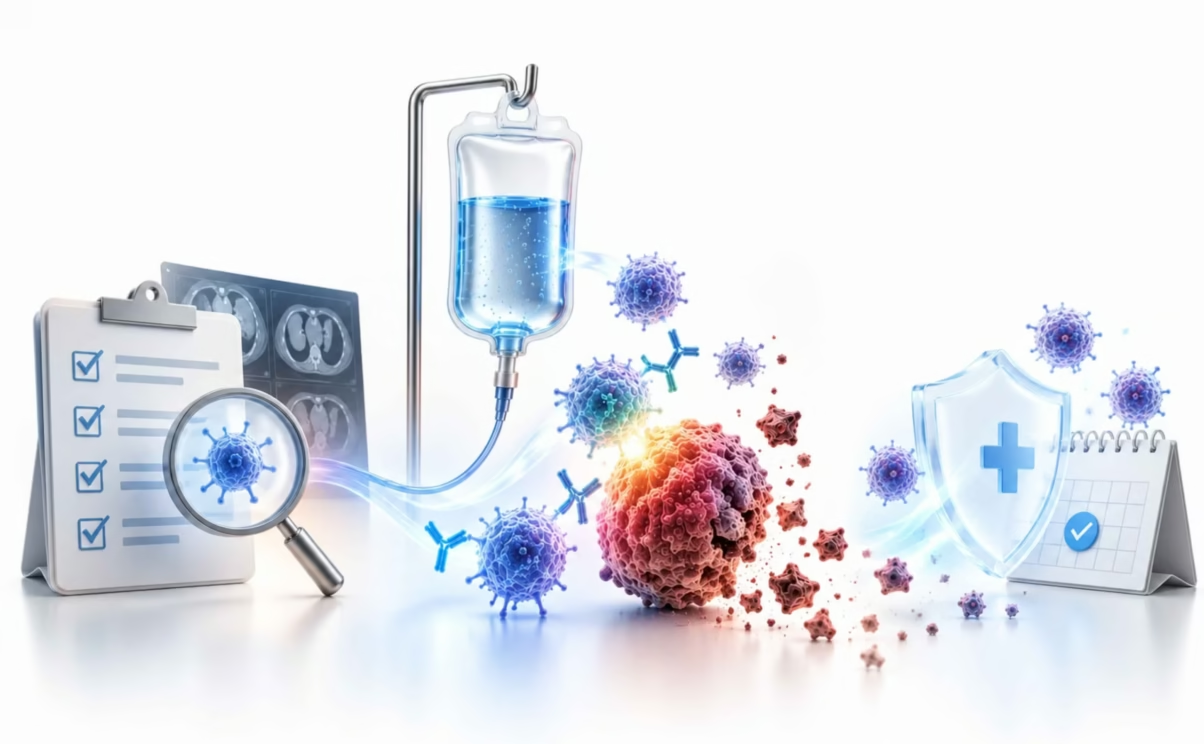
Immunotherapy is treatment that helps your immune system recognise and attack cancer. The most common type is immune checkpoint inhibitors. These medicines release natural “brakes” on immune cells called T cells, so the T cells can do their job against the cancer.
Immunotherapy is used for many cancers, including some lung, kidney, bladder, head and neck, skin, liver, stomach, cervical and colorectal cancers, as well as some blood cancers. It may be given alone, or together with chemotherapy, targeted therapy or radiotherapy.
How is it different from chemotherapy?
Chemotherapy attacks fast-growing cells directly, which is why it can cause hair loss and low blood counts. Immunotherapy works through the immune system, so its side effects are different. They come from an overactive immune system affecting healthy organs.
Before Immunotherapy: Getting Ready
Tests and check-ups
Before starting, your oncology team will want a clear picture of your health. You may have:
Biomarker Testing Before Immunotherapy
Before starting immunotherapy, your doctor may recommend specific biomarker tests on a tumour biopsy to help determine whether the treatment is likely to benefit you. Depending on the type of cancer, these tests may include:
- PD-L1 Status: Measures the level of PD-L1 protein in cancer cells or surrounding immune cells. It can help doctors assess the potential benefit of certain immunotherapy medicines.
- CPS (Combined Positive Score): Evaluates PD-L1 expression in both tumour cells and certain immune cells. It is used in specific cancers to help guide immunotherapy decisions.
- TMB (Tumour Mutational Burden): Measures the number of mutations in the tumour’s DNA. A high TMB may indicate that the cancer could respond to certain immunotherapy treatments.
- MSI/MMR Status: Checks for microsatellite instability (MSI) or deficiencies in mismatch repair (MMR). These findings can help identify cancers that may respond to certain immunotherapy medicines.
Not every patient requires all these tests. The choice of investigations depends on the cancer type, stage, treatment plan and the immunotherapy being considered. Your oncologist will interpret the results along with other clinical findings.
- Biopsy and biomarker tests on your cancer, which help predict whether immunotherapy is likely to help in some cancers
- Scans, such as a CT or PET-CT, to record the size and spread of the cancer before treatment
- Blood tests to check your blood counts, liver, kidneys, blood sugar and hormones such as thyroid and cortisol
- Screening for infections such as hepatitis B, hepatitis C and, in some cases, tuberculosis
- Heart and lung checks, if you have existing problems
Tell your team about
- Any autoimmune condition, such as rheumatoid arthritis, lupus, psoriasis, thyroid disease or inflammatory bowel disease
- Any organ transplant in the past
- All your medicines, including steroids, supplements and traditional remedies
- Any vaccines you are due, so they can be timed safely
- Whether you are pregnant, breastfeeding or planning a pregnancy
A helpful tip
Write down your “normal” before treatment starts: your usual bowel habits, energy level, weight and any existing symptoms. This makes it much easier to spot changes later.
During Immunotherapy: What Treatment Days Look Like
Most checkpoint inhibitors are given as a drip into a vein in a day-care unit. Some newer forms may be given as an injection under the skin. A typical treatment day looks like this:
- Blood tests, often the same day or a day before, to check that it is safe to proceed
- A quick review with your doctor or nurse about how you have been feeling
- The infusion itself, which usually takes a short time
- A short observation period, then you can usually go home
Treatment is repeated every few weeks, depending on the medicine. Some people receive immunotherapy for a fixed period; others continue for as long as it is working and side effects are manageable.
Many people continue with work, family life and light exercise during treatment. Tiredness is common, so it helps to plan rest and accept help when needed.
Understanding Immune-Related Side Effects
Because immunotherapy boosts the immune system, it can sometimes cause inflammation in healthy organs. These are called immune-related side effects. Most are mild to moderate and settle with treatment, especially when reported early.
| Area | What you may notice | What your team may do |
|---|---|---|
| Skin | Rash, itching, dry skin, changes in skin colour | Creams, antihistamines, steroid treatment if needed |
| Gut | Diarrhoea, stomach pain, blood or mucus in stools | Fluids, steroids, pausing treatment if severe |
| Hormone glands | Tiredness, weight change, feeling hot or cold, headache, increased thirst | Hormone tests; hormone tablets, sometimes long term |
| Liver | Usually found on blood tests; sometimes yellow skin or dark urine | Closer monitoring, steroids, pausing treatment |
| Lungs | New cough, breathlessness, chest discomfort | Scans, steroids, pausing treatment |
| Joints and muscles | Aches, stiffness, swelling | Pain relief, steroids, specialist review |
| Rare: heart, nerves, kidneys, eyes | Chest pain, weakness, reduced urine, vision changes | Urgent assessment and treatment |
Side effects can appear at any time: within days of the first dose, after several months, or even after treatment has finished. This is why ongoing awareness matters.
How side effects are treated
Doctors grade side effects from mild to severe. Mild ones may only need monitoring or simple treatment. More significant ones are usually treated with steroids, sometimes with other medicines that calm the immune system, and immunotherapy may be paused or stopped.
A common worry is that steroids will stop immunotherapy from working. In general, treating side effects promptly with steroids when needed is important for your safety, and your oncologist will balance this carefully.
When to Call Your Team Straight Away
Do not wait for your next appointment if you have
- Diarrhoea that is more than usual for you, or blood in your stools
- A new cough, breathlessness or chest pain
- Fever, chills or signs of infection
- Yellow skin or eyes, or very dark urine
- A severe headache, confusion, dizziness or vision changes
- Extreme tiredness, excessive thirst or passing a lot of urine
- Muscle weakness or a racing heart
Carry your immunotherapy alert card at all times and show it to any doctor or hospital you visit, so they know which treatment you are on.
How Doctors Check If Immunotherapy Is Working
Your team will usually repeat scans every few months and compare them with your scans from before treatment. Results may show:
- Response: the cancer has shrunk
- Stable disease: the cancer has not grown, which is also a good outcome
- Progression: the cancer has grown, and your team will discuss next steps
Immunotherapy can take time to work. Occasionally, tumours may look slightly larger on an early scan because immune cells are moving into them, before they shrink later. This is called pseudoprogression. Your oncologist will interpret scans carefully and may repeat them before making changes.
Getting side effects does not mean immunotherapy is working, and having no side effects does not mean it is not working.
After Immunotherapy: Life Beyond Treatment
Treatment may end because it reached its planned duration, because the cancer is well controlled, because of side effects, or because a different treatment is needed. Afterwards:
- Follow-up continues with regular check-ups, blood tests and scans, becoming less frequent over time.
- Late side effects can still appear. Keep reporting new symptoms, even months after your last dose.
- Some effects may be long-lasting, such as an underactive thyroid, which is easily managed with a daily tablet.
- Benefits can last. For some people, the immune response continues to control the cancer long after treatment stops.
- Vaccines: non-live vaccines such as the flu vaccine are usually encouraged; ask your team before any live vaccine.
Looking After Yourself Throughout
- Eat a balanced diet and stay well hydrated
- Stay active with gentle exercise such as walking, as your energy allows
- Rest when you need to; tiredness is real and common
- Protect your skin from strong sun
- Avoid starting new supplements or herbal remedies without checking with your team
- Talk about your feelings with family, friends or a counsellor; emotional support is part of good care
Key takeaways
- Before treatment: tests, a full medical history and a list of all medicines help keep you safe.
- During treatment: infusions every few weeks, with check-ups and blood tests at each visit.
- Side effects come from an overactive immune system and are usually manageable when reported early.
- Side effects can appear even after treatment ends, so stay alert and carry your alert card.
- Benefits can be long-lasting for some people.
Frequently Asked Questions
The infusion itself is not usually painful, apart from the needle or line being placed. Most people sit comfortably during treatment and go home the same day.
Immunotherapy alone does not usually cause hair loss. If it is given together with chemotherapy, hair loss may happen because of the chemotherapy.
The infusion usually takes a short time, often under an hour. With blood tests, the doctor's review and observation, plan for a few hours at the day-care unit.
It depends on your cancer and why immunotherapy is being given. Some people receive it for a fixed period, such as after surgery. Others continue while it is working and side effects are manageable, sometimes for up to a couple of years.
Many people continue working, especially as treatment is given every few weeks as a day-care visit. Tiredness and side effects vary, so flexible plans help.
Not necessarily. Some people with side effects respond well, and some people with no side effects also respond well. Side effects should be reported and managed, but they are not a reliable measure of how well treatment is working.
Non-live vaccines, such as the flu vaccine, are usually safe and often recommended. Live vaccines may need to be avoided. Always check with your oncology team before any vaccine.
Small amounts of alcohol may be acceptable for some people, but it can add to liver strain. Some herbal and traditional remedies can affect the immune system or the liver. Check with your team before taking anything new.
Your team will assess you quickly, may admit you to hospital, and will usually treat the side effect with steroids or other medicines. Immunotherapy may be paused or stopped. Many people recover fully, and some can restart treatment later.
Yes. Immune-related side effects can appear weeks or months after the last dose. Keep your alert card with you and report any new symptoms to your oncology team.
A Final Word
Immunotherapy has changed what is possible for many people with cancer. Knowing what to expect before, during and after treatment can make the journey feel more manageable, and reporting symptoms early is one of the most important things you can do to stay safe.
If immunotherapy has been recommended for you or a loved one, a consultation with a medical oncology specialist can help you understand the plan, the possible side effects and how to prepare.