24 November 2026
Table of Contents
For many people diagnosed with multiple myeloma, a bone marrow transplant comes up early in the treatment conversation. It is often discussed as part of the first treatment plan, not as a last resort, and that surprises many families.
This guide explains what a transplant for myeloma involves, when it is needed, who may be a candidate, what the process looks like step by step, and what outcomes and recovery to expect. Everything is explained in simple language, so you can make sense of your options and talk confidently with your care team.
Multiple Myeloma in Simple Words
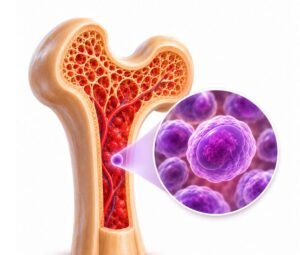
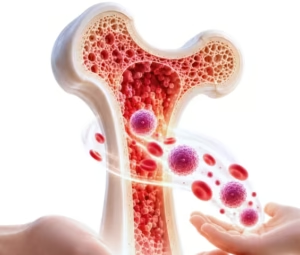
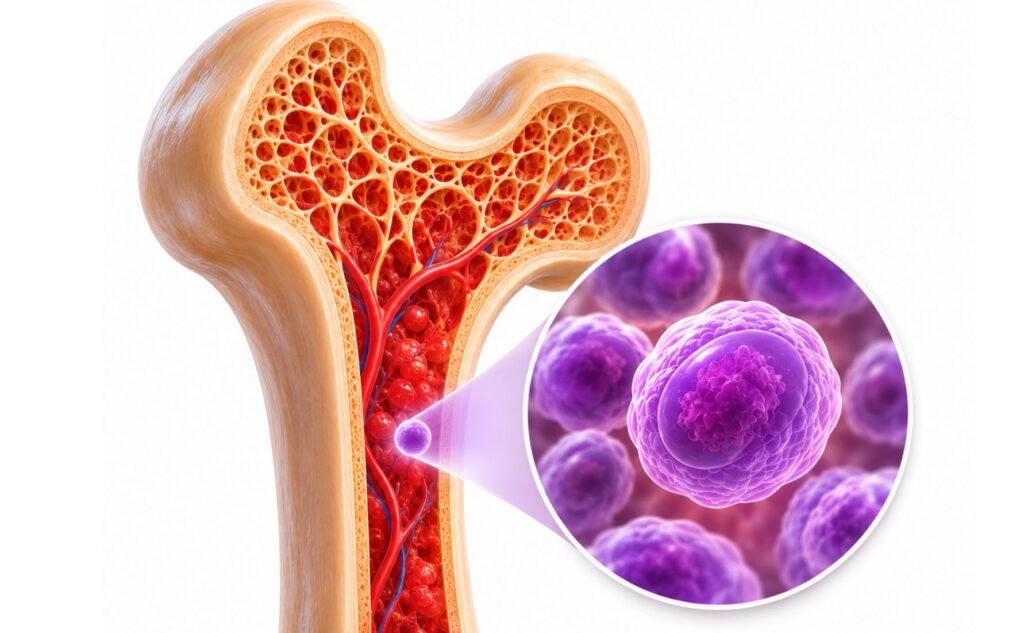
Multiple myeloma is a blood cancer that starts in plasma cells, a type of white blood cell found in the bone marrow. Healthy plasma cells make antibodies that fight infections. In myeloma, abnormal plasma cells multiply out of control.
These cells crowd the bone marrow and release an abnormal protein. Over time, this can lead to:
- Bone damage, causing pain, weak bones or fractures
- Anaemia, causing tiredness and breathlessness
- Kidney problems, because the abnormal protein can harm the kidneys
- High calcium levels in the blood, causing thirst, confusion or constipation
- Frequent infections, because normal antibodies are reduced
Myeloma is treatable, and treatment has improved a great deal. A transplant is one of the important tools doctors use to get the disease under deep and lasting control.
What Is a "Bone Marrow Transplant" for Myeloma?
When doctors talk about a transplant for myeloma, they almost always mean an autologous stem cell transplant. “Autologous” means the stem cells come from your own body.
Although people call it a “bone marrow transplant”, the stem cells are usually collected from the blood, not the bone marrow. The idea is simple:
- Your healthy blood stem cells are collected and frozen.
- You receive a high dose of chemotherapy that is strong enough to destroy many more myeloma cells than standard doses. This dose also wipes out the bone marrow.
- Your stored stem cells are given back to you. They travel to the bone marrow and rebuild your blood and immune system.
In other words, the stem cells are a “rescue”. They make it safe to give a much stronger dose of chemotherapy. Because the cells are your own, there is no risk of graft-versus-host disease and no need for a donor.
What about a donor transplant?
An allogeneic transplant, using stem cells from a donor, is rarely used in myeloma. It carries higher risks and is generally considered only in carefully selected situations or within clinical trials.
When Is a Transplant Needed?
A transplant is usually considered at two points in the myeloma journey:
As part of the first treatment plan
For people who are fit enough, an autologous transplant is commonly given after the first phase of treatment, called induction. Induction usually involves a combination of medicines given over a few months to bring the myeloma under control. The transplant then deepens and lengthens the response.
Doctors use transplant at this stage because it has been shown to help many patients stay in remission for longer. It remains an established part of first-line treatment for eligible patients.
When myeloma comes back
Some patients who had a good, long-lasting response to a first transplant may be offered a second transplant when the myeloma returns. Some centres collect enough stem cells at the start to allow for this possibility.
Is transplant always needed?
Not for everyone. Newer medicines have made induction very effective, and researchers are studying whether some patients with very deep responses could safely delay their transplant. For now, this is still being studied, and transplant remains the standard approach for most eligible patients. Your haemato-oncologist will discuss the best timing for you.
Who May Be a Candidate?
There is no single age limit. Doctors look at your overall health and how well you can cope with high-dose treatment. They consider:
- How the myeloma responded to induction treatment
- Heart, lung, liver and kidney function
- Overall fitness, meaning how active and independent you are in daily life
- Other medical conditions, such as diabetes or heart disease, and how well they are controlled
- Infections, which need to be treated before transplant
- Your own goals and preferences
Many people in their sixties and some in their seventies are fit enough for a transplant. Kidney problems from myeloma do not automatically rule it out; the chemotherapy dose can sometimes be adjusted. Fitness matters more than age alone.
The Transplant Journey, Step by Step
Induction
Before transplant, you receive a combination of medicines to control the myeloma. This often includes several types of medicine working together, such as an antibody that targets myeloma cells, a medicine that blocks how myeloma cells handle proteins, an immune-modulating tablet and a steroid. Induction usually lasts a few months.
Stem cell collection
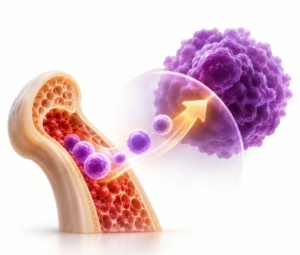
Stem cells normally live in the bone marrow. To move them into the blood, you receive growth factor injections for a few days, sometimes with an additional medicine that helps release the cells. Then the cells are collected through a process called apheresis: blood is drawn from a vein, a machine separates out the stem cells, and the rest of the blood goes back to you. It feels much like a long blood donation and may take one or more sessions. The cells are frozen until needed.
High-dose chemotherapy
You are admitted to hospital and given high-dose chemotherapy, usually over one or two days. This is the main treatment that destroys myeloma cells.
Stem cell return
A day or two later, your thawed stem cells are given back through a drip, similar to a blood transfusion. Some people notice an unusual taste or smell, caused by the preservative used to freeze the cells. This passes quickly.
Recovery in hospital
Over the next couple of weeks, your blood counts are very low while the stem cells settle in and start making new blood cells. This is called engraftment. During this time, you are at higher risk of infection and may need transfusions, antibiotics and careful hygiene. Most people stay in hospital for a few weeks, although some centres manage selected patients partly as outpatients.
Maintenance
After recovery, most patients start maintenance therapy, usually a tablet taken regularly, sometimes with other medicines. Maintenance helps keep the myeloma under control for longer.
Side Effects and Risks
An autologous transplant is a well-established and generally safe procedure, but it is intensive. Common side effects include:
- Mouth sores and a sore throat, which can make eating difficult for a while
- Nausea, vomiting and diarrhoea
- Tiredness, which may last weeks to months
- Hair loss, which is temporary
- Low blood counts, raising the risk of infection, bleeding and anaemia
- Infections, which are the most important risk and are watched for closely
Less commonly, there can be effects on the heart, lungs, liver or kidneys. Fertility may be affected, so it is worth discussing fertility preservation before treatment if this matters to you.
Call your team straight away if you notice
- Fever, chills or shivering
- Breathlessness or chest pain
- Bleeding or unusual bruising
- Severe diarrhoea or being unable to keep fluids down
- Confusion or extreme drowsiness
Treatment and Outcomes After Transplant
Doctors measure success in a few ways:
- Response: Blood and urine tests track the abnormal protein. Many patients reach a very good or complete response after transplant.
- Measurable residual disease (MRD): Sensitive tests on a bone marrow sample can look for tiny numbers of myeloma cells left behind. Being MRD negative is a strong sign of a deep response.
- Length of remission: Transplant followed by maintenance helps many patients stay in remission for longer.
It is important to be honest about what transplant can and cannot do. For most people, myeloma is considered a long-term condition rather than one that is cured. However, with transplant and modern treatments, many people live well for many years, and the time between treatments can be long.
| Aspect | What to expect after an autologous transplant |
|---|---|
| Hospital stay | Usually a few weeks, depending on recovery of blood counts |
| Energy levels | Tiredness is common and improves gradually over weeks to months |
| Infection risk | Highest in the first weeks; precautions continue for some months |
| Vaccines | Childhood and other vaccines are usually repeated after recovery, on a schedule set by your team |
| Maintenance | Most patients take ongoing medicine to help keep myeloma under control |
| Follow-up | Regular blood tests and check-ups, with bone marrow tests or scans when needed |
Are There Alternatives to Transplant?
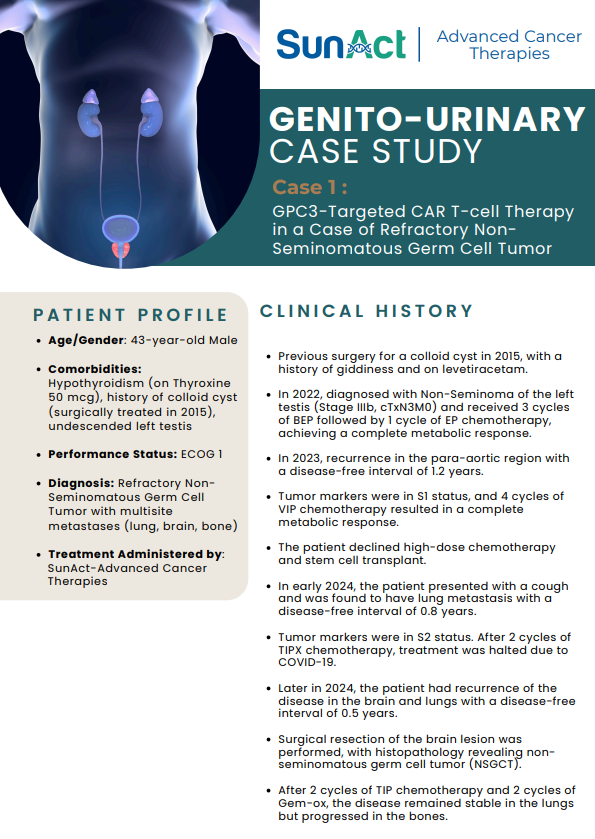
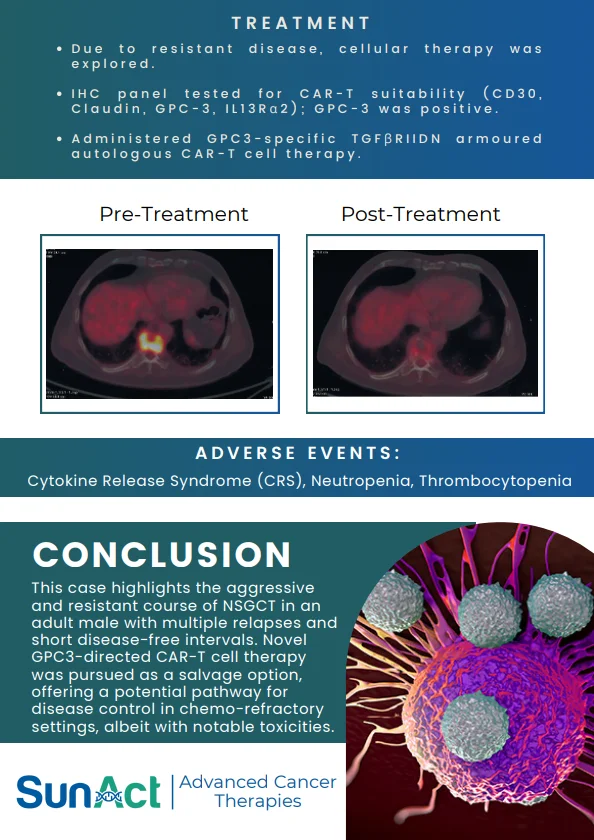
Yes. For people who are not fit for a transplant, or who choose not to have one, combinations of modern myeloma medicines can still achieve good, long-lasting control. When myeloma comes back after treatment, newer options such as CAR T-cell therapy and bispecific antibodies aimed at myeloma markers may be considered, depending on availability and suitability.
Choosing between transplant and other options is a shared decision. Your doctor will explain the trade-offs for your specific situation.
Questions to Ask Your Doctor
- Is a transplant recommended for me, and why?
- When would the transplant happen in my treatment plan?
- Will you collect enough stem cells for more than one transplant?
- How long will I be in hospital, and when can I go back to work?
- What maintenance treatment will I need afterwards?
- What are my options if I decide not to have a transplant?
Frequently Asked Questions
It is commonly called that, but the correct term is autologous stem cell transplant. The stem cells are usually collected from the blood rather than the bone marrow, and they are your own cells.
No. For almost all myeloma patients, the transplant uses their own stem cells, so no donor or HLA matching is needed.
There is no strict age limit. Doctors look at overall fitness, organ function and other health conditions. Many older adults who are fit and active can have a transplant safely.
For most people, transplant does not cure myeloma, but it can deepen the response and help keep the disease under control for longer. Many people live well for many years with myeloma using today's treatments.
Collection itself is usually not painful. It is similar to a long blood donation. The growth factor injections given beforehand can cause bone aches for a few days, which usually settle with simple pain relief.
Most people stay for a few weeks, until their blood counts recover and they are eating, drinking and free of serious infection. Some centres manage selected patients partly as outpatients.
Often, yes. Kidney problems do not automatically rule out a transplant. Your team may adjust the chemotherapy dose and monitor your kidneys closely.
Maintenance is lower-intensity treatment taken after transplant, usually a tablet, to help keep the myeloma under control for longer. It is typically continued for a long period and adjusted based on side effects and response.
Some patients can. A second transplant may be considered if the first one led to a long remission and the myeloma later returns. Having enough stored stem cells makes this easier.
Recovery varies. Many people return to light activities within a few weeks of leaving hospital and to work or usual routines over a few months. Your team will guide you based on your blood counts, energy and infection risk.
A Final Word
An autologous stem cell transplant remains one of the most effective ways to achieve deep, lasting control of multiple myeloma for people who are fit enough. Understanding why it is offered and what it involves can help you feel more prepared and in control.
If you or a loved one has been diagnosed with multiple myeloma, a consultation with a haemato-oncology specialist can help you understand whether a transplant is right for you and how it fits into your overall treatment plan.