09 April 2026
Table of Contents
A multiple myeloma diagnosis can feel profoundly disorienting, partly because many people have never heard of it before, and partly because it comes with a set of realities that take time to fully understand. This guide is here to walk you through what multiple myeloma is, what treatment in India looks like today, and how to find the right team for your care.
Multiple myeloma is not a cancer most people are familiar with before diagnosis. But it is one where the gap between what patients fear and what is actually possible has narrowed significantly in recent years. Modern treatment options in India, including novel drug combinations, stem cell transplantation, and emerging therapies like CAR T, have made a meaningful difference to outcomes and quality of life. Let’s go through it all.
What Is Multiple Myeloma?
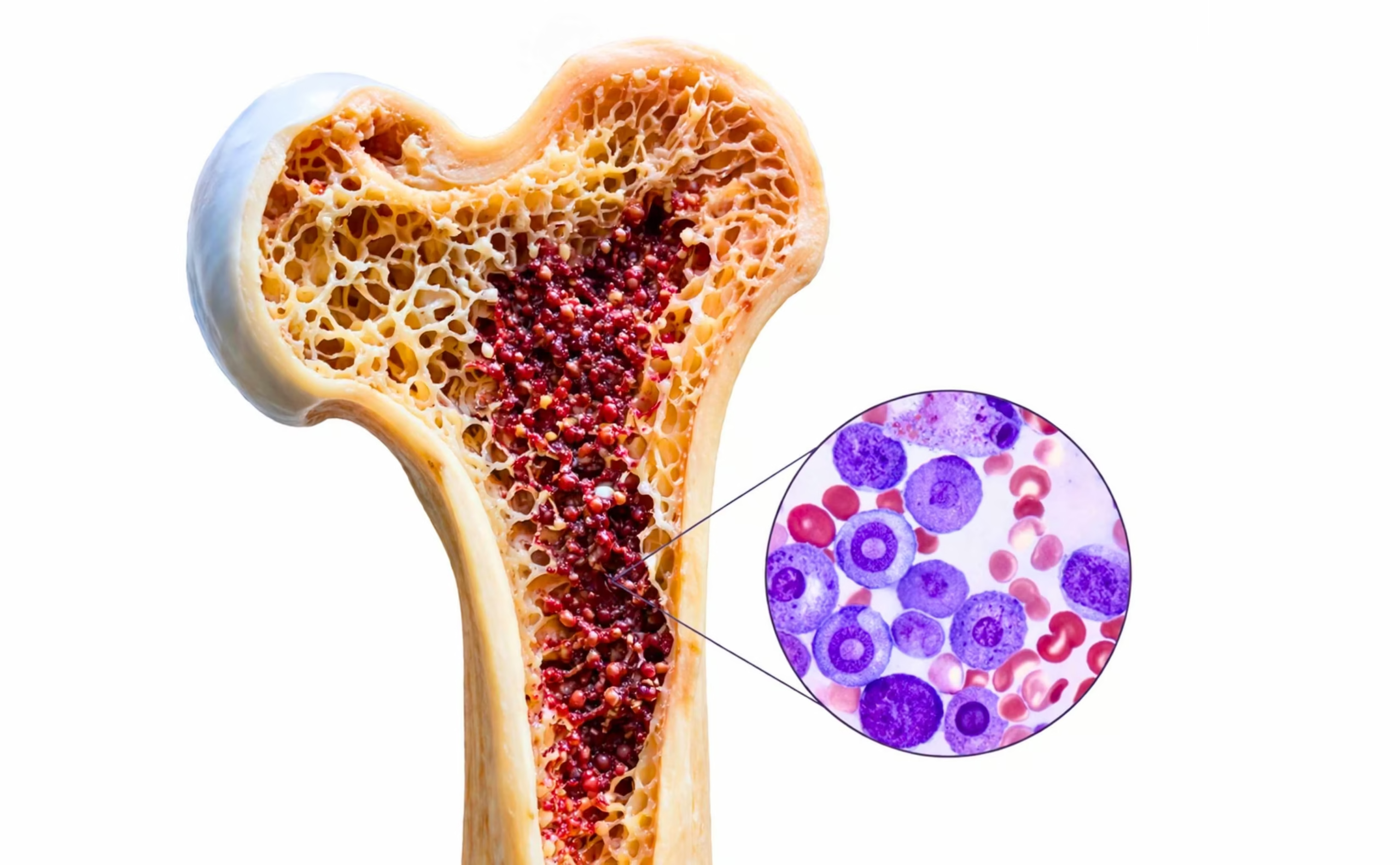
Multiple myeloma is a cancer of plasma cells, a type of white blood cell found in the bone marrow. Normally, plasma cells produce antibodies that help fight infection. In myeloma, abnormal plasma cells multiply uncontrollably and crowd out healthy blood cells. They also produce an abnormal protein (called M-protein or paraprotein) that can be detected in blood or urine tests and this is often one of the first clues that leads to a diagnosis.
Because it originates in the bone marrow, myeloma affects multiple sites in the body, hence the word “multiple.” It can damage bones, impair kidney function, cause anaemia, and weaken the immune system.
Symptoms, Diagnosis & What to Expect Early On For Multiple Myeloma
Myeloma can be tricky to diagnose because its early symptoms are often attributed to more common conditions like back pain dismissed as a muscle problem, fatigue put down to stress, frequent infections explained away. This is why diagnosis sometimes takes longer than anyone would want.
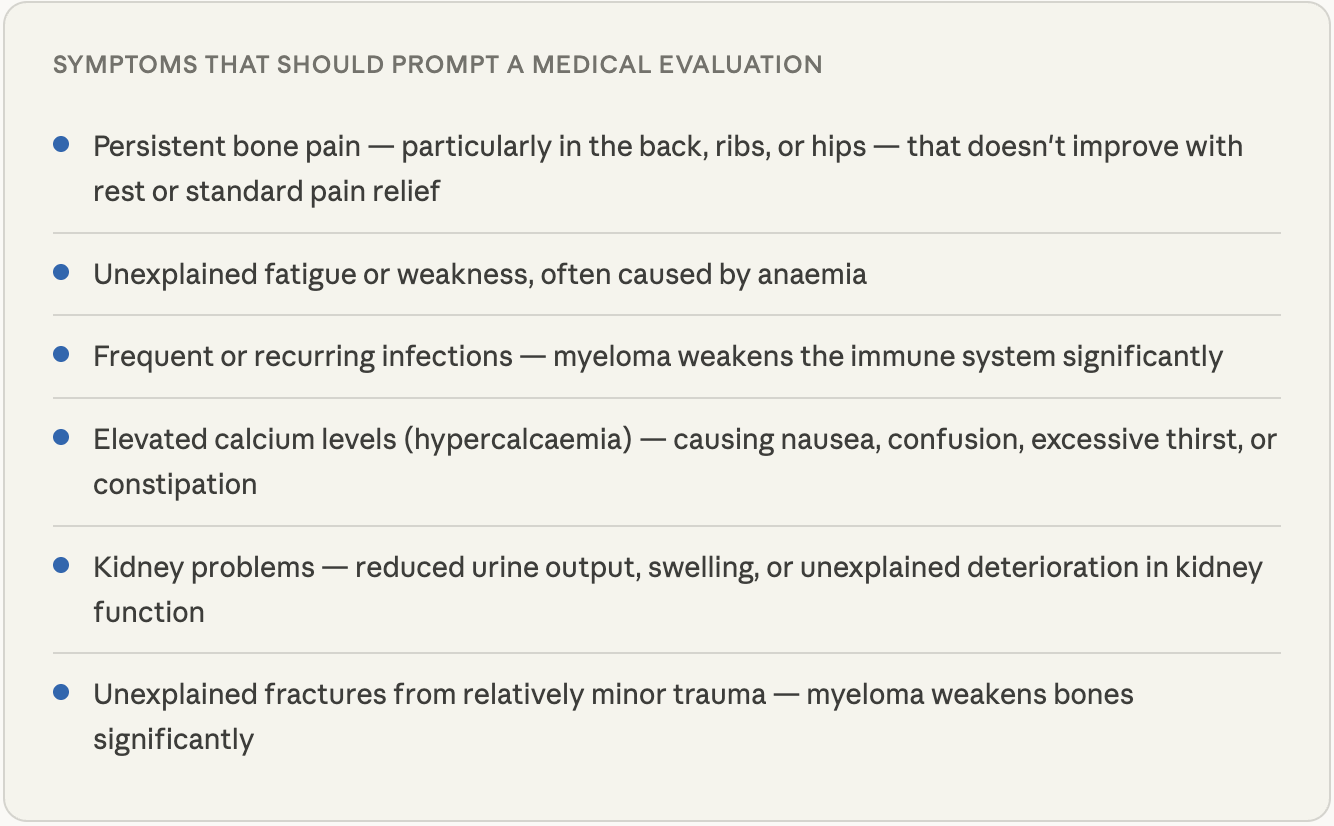
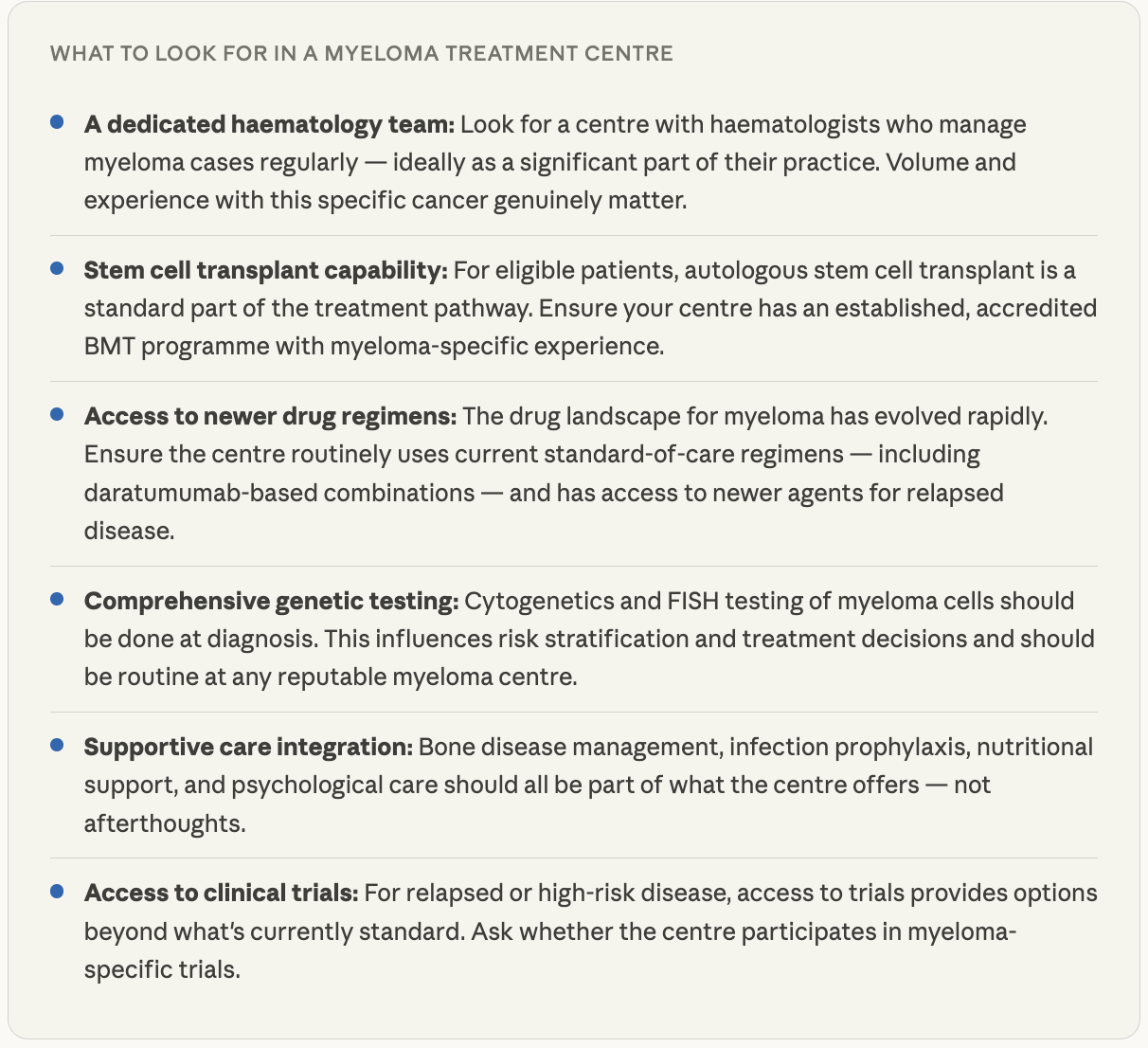
Diagnosis is confirmed through a combination of blood tests (looking for M-protein and other markers), urine tests, bone marrow biopsy, and imaging, typically a whole-body MRI or PET-CT scan to assess bone involvement. Genetic testing of the myeloma cells (cytogenetics and FISH testing) is also done, as certain genetic features influence which treatment approach is most appropriate and what the prognosis looks like.
Multiple Myeloma Treatment Options in India
The most important thing to know about myeloma treatment is that it has changed enormously in the last two decades. What was once a disease with very limited options is now managed with a sophisticated combination of therapies that, for many patients, can control the disease for years. India has kept pace with these advances, the key treatments are available, and experienced haematologists in major cities are well-versed in current protocols.
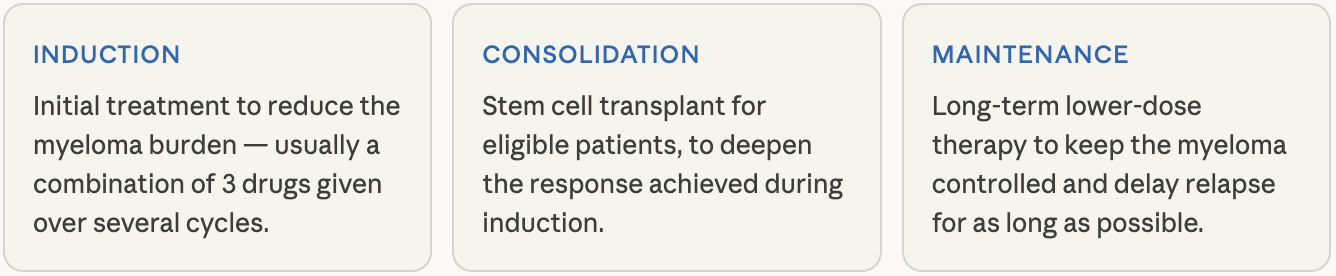
Treatment is typically approached in phases:
Drug combinations
Modern myeloma induction therapy uses combinations of three drugs, typically drawing from three drug classes: proteasome inhibitors, immunomodulatory agents, and steroids. More recently, monoclonal antibodies have been added to frontline regimens and have significantly improved response rates. These drug combinations are widely available in India at specialist haematology centres.
Autologous stem cell transplant (ASCT)
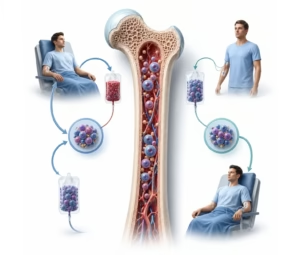
For eligible patients, typically those under 70 who are in good overall health, autologous stem cell transplant remains a standard part of the treatment pathway after initial induction therapy. In this procedure, the patient’s own stem cells are collected, stored, and then reinfused after a high-dose chemotherapy conditioning regimen. ASCT deepens the response to induction treatment and extends the period of disease control. It is available at specialised bone marrow transplant centres across India.
Maintenance therapy
After transplant, maintenance therapy, typically with lenalidomide, sometimes combined with bortezomib, is continued long-term to keep the myeloma suppressed. This is one of the advances that has most significantly extended progression-free survival for myeloma patients in recent years.
When Myeloma Comes Back: Treating Relapsed Disease
Multiple myeloma is not currently considered curable in the conventional sense, though research into curative approaches is actively ongoing. Most patients will experience relapse at some point, where the myeloma becomes active again after a period of control. This is a challenging moment, but it is not the end of options.
At relapse, treatment is changed to a different drug combination, one that works through a different mechanism to overcome resistance to the previous regimen. There are now multiple lines of effective therapy available for relapsed myeloma, including newer generation proteasome inhibitors, monoclonal antibodies, antibody-drug conjugates, and bispecific antibodies.
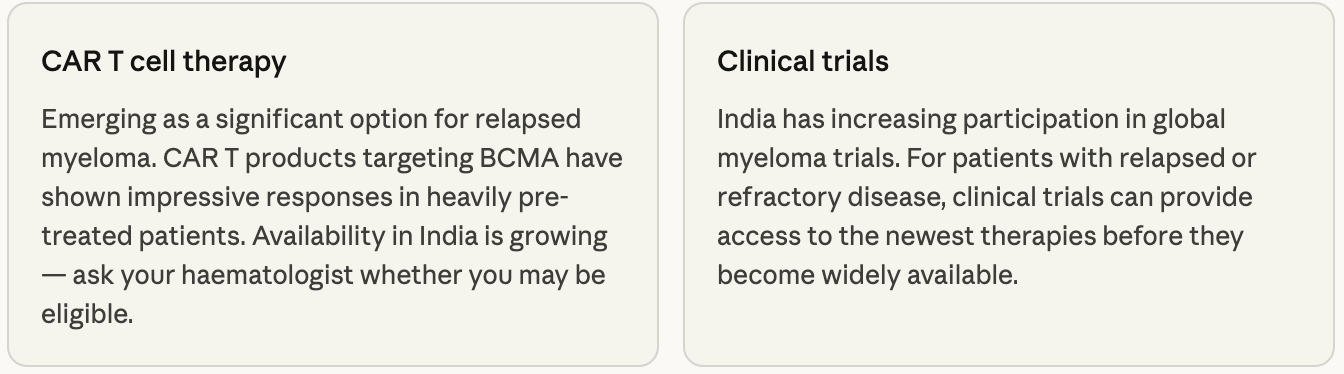
The honest message here is, relapse is not the same as running out of options. With each new line of therapy, the goal is to achieve the deepest possible response and maintain the best possible quality of life. Many patients go through multiple lines of treatment over many years.
How to Find the Right Myeloma Specialist in India
Multiple myeloma is a specialised field. It should be managed by a haematologist or haemato-oncologist with specific experience in myeloma.
Frequently Asked Questions
Multiple myeloma is not currently considered curable in the conventional sense for most patients but it is highly treatable, and many patients achieve long remissions lasting years. The disease is increasingly managed as a chronic condition, with successive lines of effective therapy available when needed. Research into curative approaches including CAR T therapy is actively ongoing and showing genuine promise.
Both are blood cancers, but they arise from different cell types and behave very differently. Leukaemia originates in white blood cell precursors and is largely a disease of the blood and marrow. Myeloma arises specifically from plasma cells in the bone marrow and has a distinct pattern of complications, bone disease, kidney involvement, and immune suppression that require specific management approaches.
Not everyone with myeloma is a transplant candidate. Autologous stem cell transplant is recommended for eligible patients, typically those who are younger and in good overall health as it deepens the initial treatment response and extends disease control. For patients who are not suitable for transplant, effective non-transplant pathways exist. Your haematologist will assess your eligibility and discuss the options specific to your situation.
Survival has improved dramatically over the past two decades. Many patients, particularly those diagnosed at an earlier stage, with lower-risk disease, who respond well to initial treatment live for many years. Median survival figures have extended significantly with modern therapy, and some patients remain in deep remission for a decade or more. Prognosis varies considerably by individual factors, and your haematologist can give you more specific information based on your case.
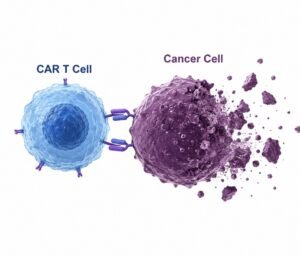
CAR T cell therapy for multiple myeloma, particularly targeting BCMA, is an emerging and highly promising option for relapsed or refractory disease. Availability in India is growing, and some specialised haematology centres are beginning to offer or facilitate access to this treatment. Ask your haematologist specifically whether you may be eligible, and whether clinical trial access is available.