09 April 2026
When a child is diagnosed with cancer, parents have to make many difficult decisions very quickly. One of the most important is choosing the right childrens hospital for cancer. In India, several hospitals treat childhood cancers, but not every hospital offers the same level of pediatric-focused care, facilities, or family support.
This guide explains what parents should look for when selecting a hospital for their child’s treatment, what makes a dedicated pediatric oncology center different, and what practical factors can make the journey safer and less stressful for the whole family.
Childhood cancer is not the same as adult cancer. The disease types, treatment protocols, supportive care needs, emotional impact, and long-term follow-up requirements are different.
When comparing hospitals, parents should look beyond the doctor’s name and ask about actual treatment facilities. A hospital that is experienced specifically in pediatric oncology is better equipped to care for children medically, emotionally and developmentally throughout treatment.
What facilities should a good children’s hospital for cancer have?
Pediatric oncology OPD and inpatient services
The hospital should have a dedicated pediatric oncology outpatient department and inpatient ward, ideally with staff trained specifically in treating children.
Pediatric ICU and emergency support
Children receiving chemotherapy can become critically ill due to infections, bleeding, or treatment complications. Access to a pediatric intensive care unit and 24/7 emergency support is essential.
Chemotherapy daycare services
Hospitals should have trained oncology nurses, pharmacy support and clear protocols for managing side effects and emergencies. Dedicated daycare chemotherapy services are an important advantage, as they allow children to receive scheduled treatment and short-term observation in a relaxed, child-friendly setting without unnecessary hospital stays.
Blood bank and transfusion support
Many children undergoing cancer treatment need blood products. Avaliability of a reliable blood bank or blood storage unit are important especially for leukemia and transplant-related care.
Pediatric surgery and anaesthesia
Pediatric solid tumours often require biopsy and further surgical excision. A surgical team consisting of a pediatric surgeon and anaesthetist experienced in pediatric oncology cases are important
Advanced imaging and pathology
Accurate diagnosis is the foundation of the right treatment. Hospitals should have good histopathology, imaging, and molecular or specialized diagnostic support when needed.
Radiation oncology access
Some childhood cancers require radiation therapy. Parents should check whether radiation services are available on-site or through a coordinated referral pathway.
Infection control and isolation facilities
Children on chemotherapy often have low immunity. Good hospitals have infection prevention systems, clean wards, isolation rooms where needed, and strong supportive care protocols.
Bone marrow transplant or referral network
Not every child needs a transplant, but for conditions that do, a good hospital should either provide pediatric bone marrow transplant services or have a clear pathway to a trusted center.
Rehabilitation and survivorship follow-up
Cancer treatment does not end at discharge. Long-term follow-up for growth, nutrition, school reintegration, emotional well-being, and late effects of treatment is an important part of pediatric oncology care.
Bone tumours like ewings sarcoma and osteosarcoma may require long term physiotherapy and occupational therapy support for physical functioning and mobility.
Practical guidance for families choosing a hospital
Here are some practical questions parents should ask before deciding on a children’s hospital for cancer:
Does the hospital regularly treat my child’s diagnosis?
Ask how often they manage this cancer type in children. A center with regular experience is often better prepared for complications and protocol-based treatment.
Is there a full pediatric oncology team?
Look for a center where doctors are well experienced in dealing with pediatric patients. Oncology care in adults and children differ significantly. Doctors trained specifically in pediatric oncology can provide comprehensive care and support for a child with cancer.
Is there a charitable wing? What will the financial expenditure be like?
Before choosing a hospital, parents should understand the expected financial expenditure for their child’s treatment, including tests, medicines, chemotherapy, surgery, hospital stay, and supportive care. It is also worth checking whether the centre has a charitable wing, financial support services, or assistance with insurance and government funding schemes, as these can ease the burden on families during a long treatment journey.
How quickly can treatment begin?
In childhood cancer treatment, earlier intervention can make an important difference. Parents should look for a centre that can begin care promptly, with specialists, diagnostics, treatment facilities, and supportive staff in place, while also preparing the child and family for treatment in a reassuring way.
What support is available for parents?
Ask about accommodation, financial counseling, nutrition support, infection precautions and caregiver guidance
Is the hospital child-friendly?
A child-friendly environment can reduce fear and improve cooperation during treatment.
Can follow-up be coordinated if we live far away?
For many families, travel is a major burden. A good hospital should explain how follow-up, emergency care, and treatment cycles can be managed practically.
Are second opinions welcome?
A trustworthy hospital should be open to second opinions and transparent about diagnosis, treatment plans, risks, and expected outcomes.
Is psychological support available?
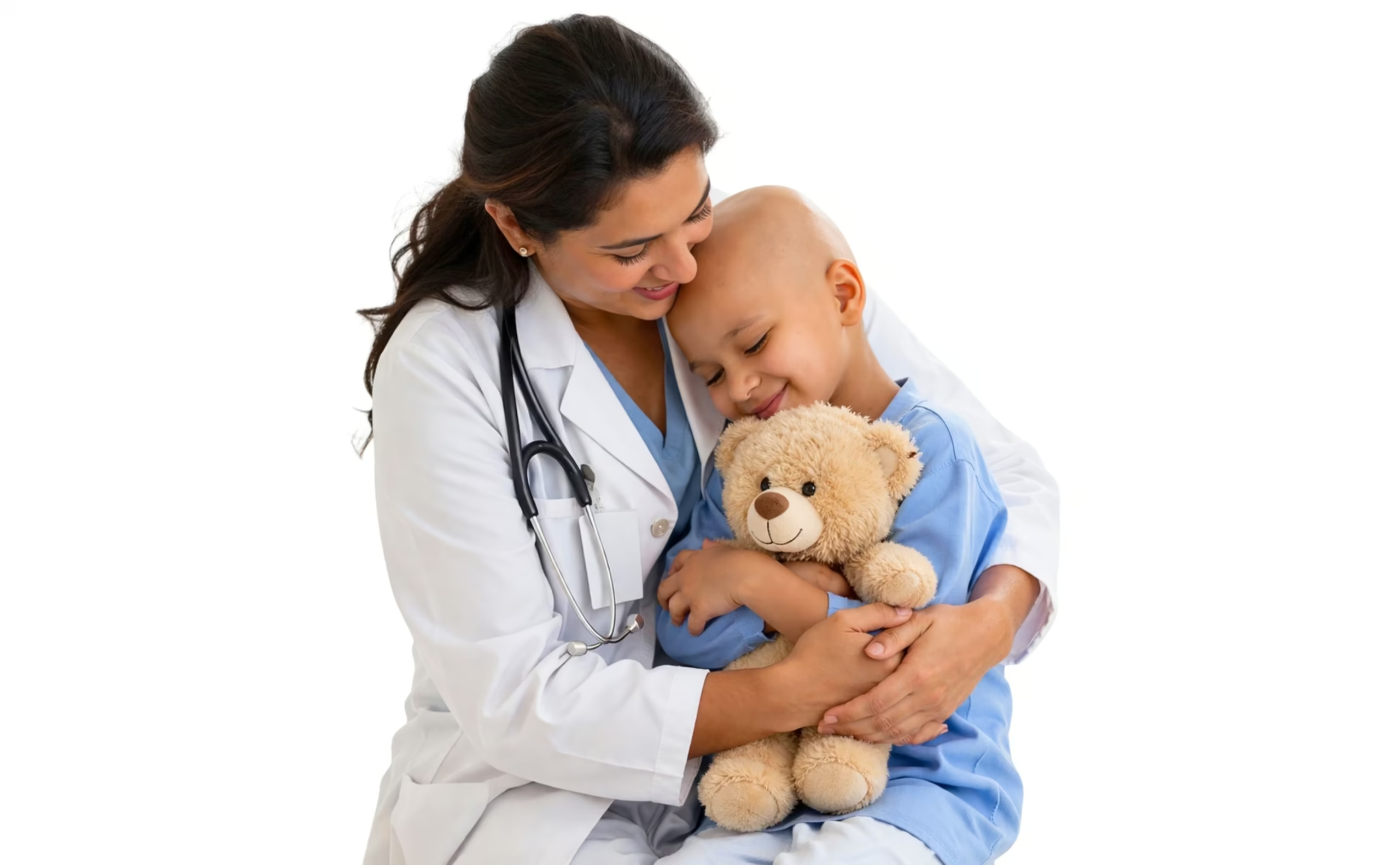
Children may feel fear, pain, confusion, or social isolation during treatment. Hospitals that provide counseling and psychosocial support can make a major difference to the child’s well-being and to the family’s ability to cope. Leading pediatric cancer centers treat psychological care as an essential part of treatment, not an optional extra.
A balanced way to think about the “best” hospital
There is no single hospital that is “best” for every child in every situation. The right choice depends on:
- Your child’s exact diagnosis
- The urgency of treatment
- The availability of pediatric specialists
- Distance from home
- Affordability and insurance support
- Access to emergency and supportive care
- Your child’s emotional and developmental needs
Choosing the right hospital for cancer care for your child is one of the most important decisions a family can make after a child’s diagnosis. Parents should look for more than just a hospital name.
The goal is not just to find a famous hospital. The goal is to find a hospital that can deliver safe, specialized, timely, child-centered cancer care.