30 January 2026
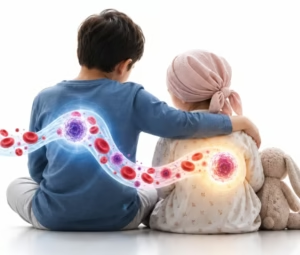
Cancer is a biological disease, but its effects are felt throughout the entire body and mind. A cancer diagnosis triggers powerful stress response in the brain, leading to sustained release of stress hormones such as cortisol. Over time, this chronic stress can influence sleep, appetite, mood, immune function, and the body’s ability to recover from treatment. Alongside the physical burden of therapies such as chemotherapy, radiation, surgery, and immunotherapy, many patients experience anxiety, depression, cognitive changes, and emotional exhaustion. These mental health challenges are now widely recognized as integral components of the cancer experience, not merely emotional reactions.
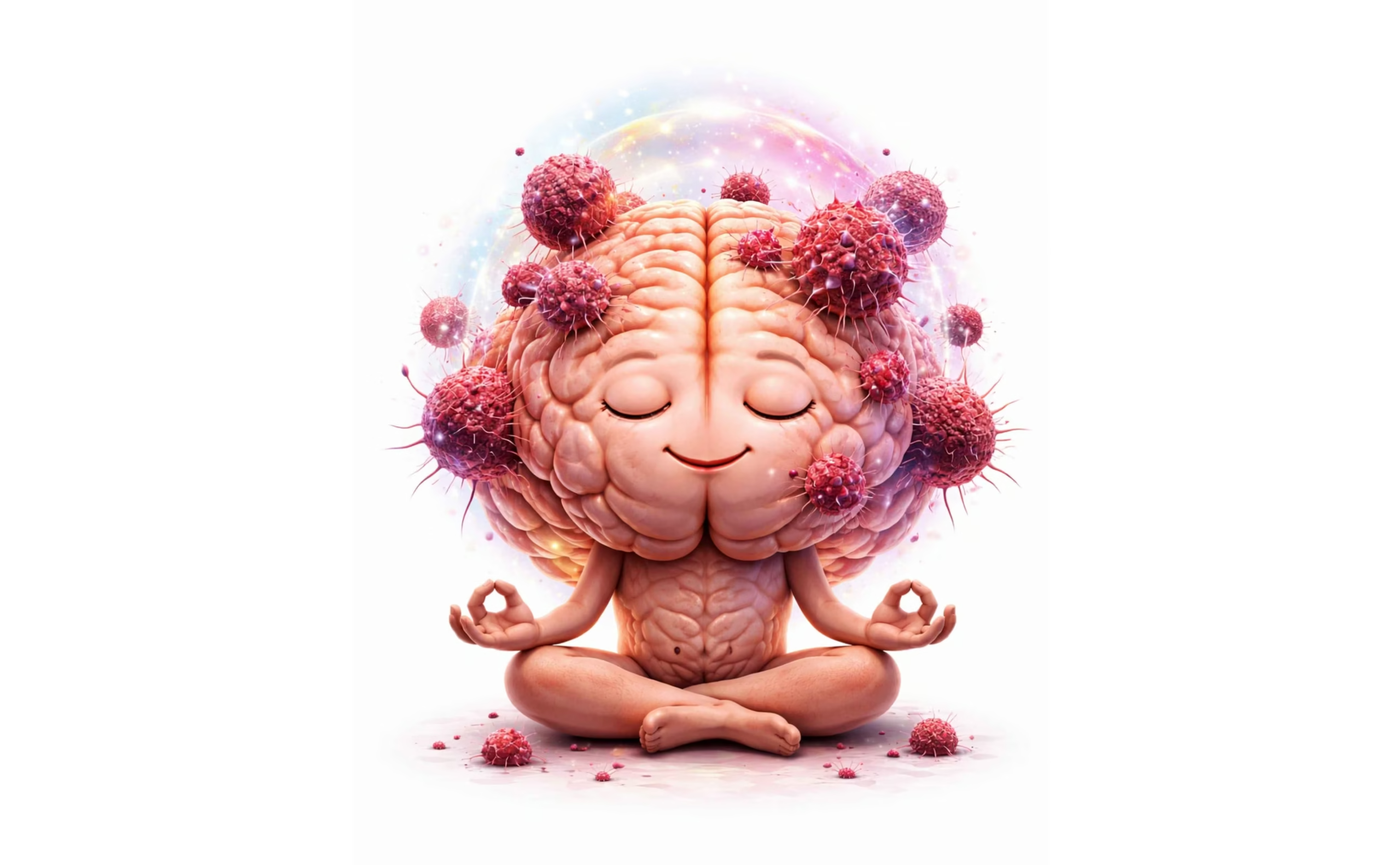
Scientific evidence clearly shows that mental health influences cancer treatment outcomes. Psychological distress can worsen the perception of pain, increase fatigue, and reduce tolerance to treatment-related side effects. It may also affect treatment adherence, as emotionally overwhelmed patients can struggle with long and complex care plans. Research in psycho-oncology has further demonstrated that chronic stress and depression are linked to immune and inflammatory changes, which may impact overall health and recovery. Conversely, patients who receive structured psychological support, including counselling, stress-management interventions, and social support, often report better quality of life, improved coping ability, and greater engagement with their treatment.
The need for mental health support does not end when treatment is completed. Many cancer survivors face persistent anxiety related to follow-up tests, fear of recurrence, and challenges in returning to daily life. These long-term psychological effects are well documented and can significantly affect overall well-being. Integrating mental health care into oncology through routine screening, access to trained professionals, patient education, and supportive communication helps address these challenges and supports more complete healing. Modern cancer care is increasingly moving toward this holistic model, recognizing that treating the disease alone is not enough.
Take home message
Cancer treatment is most effective when it addresses both the body and the mind. Mental health is not an optional add-on but a scientifically proven component of comprehensive cancer care. Supporting emotional well-being improves quality of life, strengthens coping during treatment, and promotes long-term recovery. True healing in cancer care means treating the whole person, not just the disease.