18 March 2026
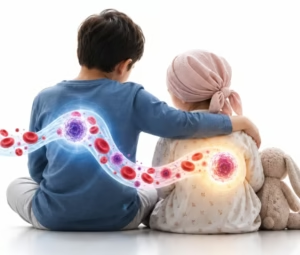
Adolescence is a time of rapid physical, emotional, and social change. When cancer and chemotherapy enter this already complex phase of life, the impact extends far beyond the body. Supporting an adolescent with cancer means caring not only for the disease, but also for their physical, mental and psychosocial well-being.

Why are adolescents vulnerable?
- Unlike younger children, adolescents understand the seriousness of illness.
- During this phase, identity formation, peer relationships, academic goals and growing independence all take center stage. Hence, they may worry about survival, impact of the treatment of their academic and professional life, body image, fertility, and being “different” from peers.
- Moreover, because adolescents have easy access to the internet, they may read or watch information from unreliable sources. This can lead them to misunderstand their illness and develop unnecessary fears or incorrect assumptions about their condition and treatment.
Create an emotional “safe space”
One of the most powerful supports is being emotionally present.
- Encourage open conversations, but don’t force them. Let the adolescent know it’s okay to talk—or not talk—about how they feel.
- Validate emotions without minimizing them. Avoid phrases like “be strong” or “others have it worse.”
- Normalize emotional ups and downs. Fear, frustration, and sadness are natural responses to a difficult situation.
Sometimes adolescents open up more easily during everyday moments—while watching a show, walking, or during routine care—rather than in formal conversations.
Support decision making and allow control
Cancer treatment can make adolescents feel powerless. Restoring a sense of control, even in small ways, is crucial.
- Involve them in decisions appropriate to their age: choosing appointment times, clothing, meals, or room setup.
- Respect their need for privacy and independence when possible.
- Encourage them to maintain routines and interests, even if modified.
Addressing Body Image and Self-Identity
Changes in appearance can be particularly distressing during adolescence.
- Acknowledge concerns about hair loss, scars, weight changes or medical devices like PICC lines.
- Offer practical solutions such as scarves, wigs, or clothing choices, but let the adolescent decide what feels right.
- Reinforce that their worth and identity go far beyond physical appearance.
Peer support groups – online or in person can be especially helpful, allowing adolescents to connect with others who are going through or have been there.
Staying Connected to School and Friends
Social isolation is one of the most painful consequences of prolonged treatment.
- Encourage continued contact with friends through calls, messages, or virtual classes.
- Help peers understand the illness if the adolescent wishes, which can reduce stigma and awkwardness.
- Coordinate with schools to support learning at a manageable pace and reduce pressure.
- Maintaining social connections helps preserve a sense of normalcy and belonging.
Recognizing When Professional Help Is Needed
Many oncology teams include psychosocial support as a core part of holistic care.
Emotional distress sometimes goes beyond what family support alone can manage. Warning signs include:
- Persistent sadness or irritability
- Withdrawal from all activities and relationships
- Sleep or appetite disturbances
- Excessive anxiety or fear
- Thoughts of self-harm or hopelessness
Early involvement of mental health professionals—psychologists, psychiatrists, or trained counsellors should be viewed as strength, not failure.
Many adolescents show remarkable resilience when supported with empathy, honesty, and respect. Helping them process emotions, maintain connections, and retain a sense of identity can make the journey more bearable and sometimes even transformative and inspiring.