17 April 2026
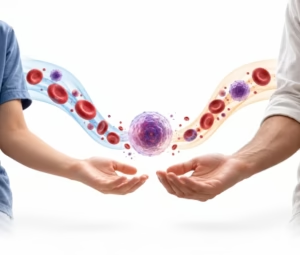
When a child is diagnosed with a serious blood disorder or cancer, it can feel overwhelming for families. Among the most advanced and potentially curative treatments available today is what is commonly known as a Bone Marrow Transplant (BMT).
However, the more accurate and modern term is Hematopoietic Stem Cell Transplant (HSCT), as the stem cells used for transplant can be collected not only from bone marrow, but also from peripheral blood or umbilical cord blood.
This guide will help parents and caregivers understand when a child may need HSCT, how it works, and what to expect, in a simple and reassuring way.
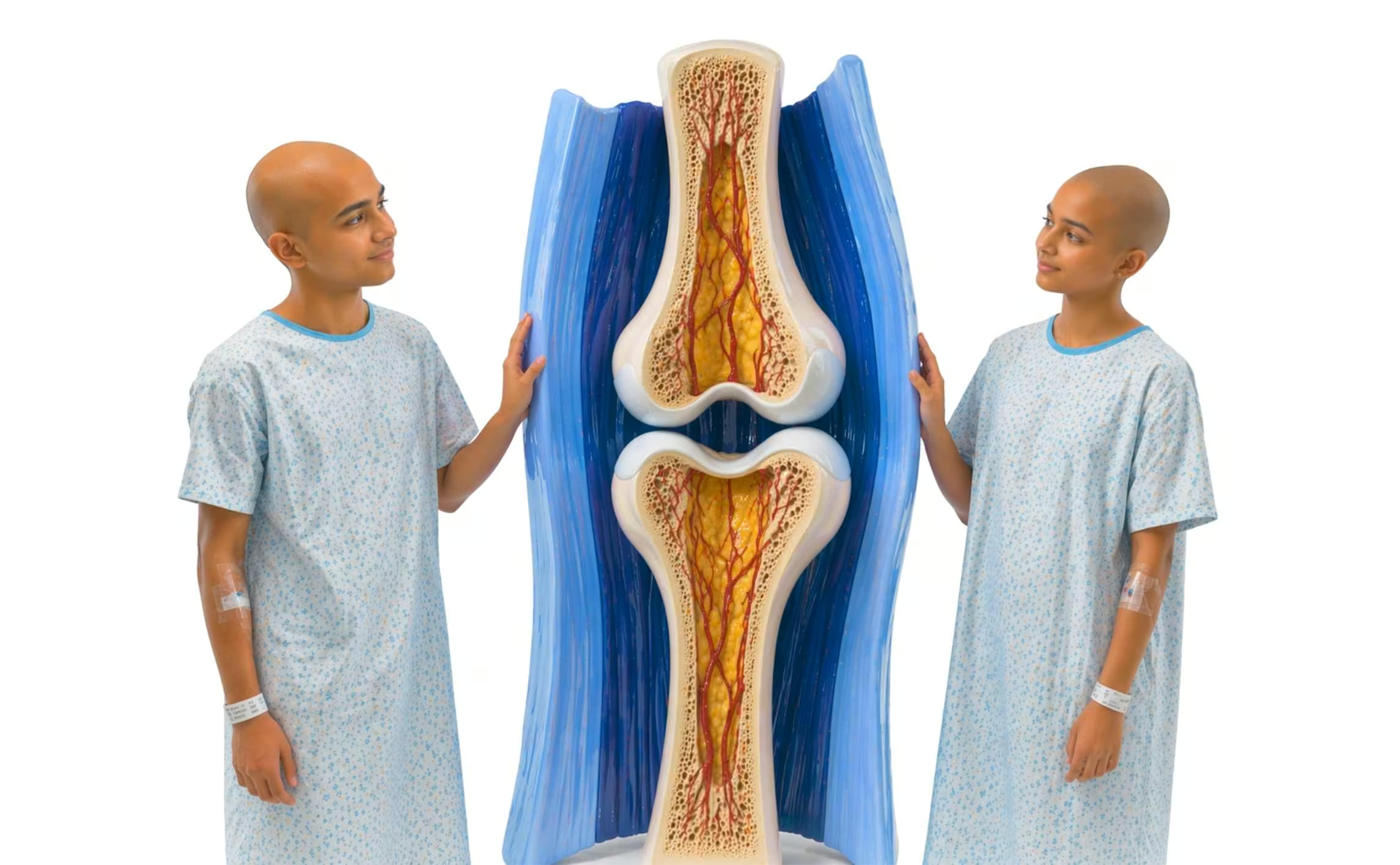
What is Hematopoietic Stem Cell Transplant (HSCT)?
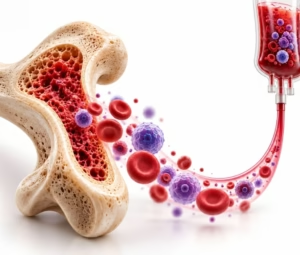
Hematopoietic stem cells are special cells that produce all blood components—red cells, white cells, and platelets.
HSCT involves replacing unhealthy or diseased bone marrow with healthy stem cells, allowing the child’s body to rebuild a normal blood and immune system.
Interesting fact: In children, stem cells engraft and regenerate more efficiently, which contributes to better recovery and outcomes compared to adults.
Conditions That Require HSCT in Children
HSCT is considered when the bone marrow is not functioning properly or is producing abnormal cells.
Common conditions include:
- Blood cancers
- Leukemia (ALL, AML)
- Lymphoma (selected cases)
- Inherited blood disorders
- Thalassemia major
- Sickle cell disease
- Bone marrow failure syndromes
- Aplastic anemia
- Fanconi’s Anemia
- Primary immunodeficiency disorders
- Severe Combined Immunodeficiency (SCID)
- Certain metabolic/genetic disorders
- Mucopolysaccharidoses
- X linked Leukodystrophy (XLD)
In many of these conditions, HSCT is the only treatment modality.
Types of HSCT
Autologous HSCT
- Uses the child’s own stem cells
- Commonly used in certain cancers like neuroblastoma, Hodgkins Lymphoma
- Lower risk of immune complications
Allogeneic HSCT
- Uses stem cells from a donor
- Donor options include:
- Matched sibling donor (ideal)
- Matched unrelated donor (eg. from donor registries)
- Haploidentical donor (half-matched parent)
Key advancement: Haploidentical HSCT has made transplant accessible to almost every child, even without a fully matched donor.
HSCT Process in Pediatric Patients
Understanding the process helps families feel more prepared.
- Pre-transplant evaluation
- Comprehensive medical assessment
- Donor identification and HLA matching
- Conditioning therapy
- Chemotherapy ± radiation
- Prepares the body to accept new stem cells
- Stem cell infusion
- Given like a blood transfusion
- Painless and does not require surgery
- Engraftment phase (2–4 weeks)
- New stem cells start producing blood cells
- High-risk phase requiring close monitoring
- Recovery and follow-up
- Gradual immune system recovery
- Regular monitoring for complications
Reassurance: With modern protocols and supportive care, children tolerate HSCT remarkably well.
What to Look for in a Hospital for Pediatric HSCT
Choosing the right centre significantly impacts outcomes.
Important factors:
- Dedicated Pediatric HSCT unit
- Experienced pediatric hemato-oncology specialists
- HEPA-filtered, infection-controlled rooms
- Strong ICU and emergency care backup
- In-house blood bank and stem cell processing facilities
- Transparent communication and cost counselling
- Psychological and nutritional support services
A hospital that supports both the child and the parents emotionally makes a huge difference in the journey.
Survival Outcomes and Recovery
Outcomes of HSCT in children have improved significantly in India over the last decade.
Outcomes of HSCT in children in India have improved significantly, offering high cure rates—up to 85–90% in thalassemia, 60–80%+ in leukemia, and excellent results in aplastic anemia. Initial recovery takes 3–6 months, with full immune recovery by 6–12 months. Most children gradually return to school and normal activities, and many go on to live healthy, active lives after transplant.
Frequently Asked Questions
HSCT is recommended when:
- The disease is severe or life-threatening
- Other treatments are unlikely to cure the condition
- HSCT offers the best chance of long-term survival or cure
HSCT is a complex but well-established procedure.
While risks such as infections and graft-versus-host disease exist, advances in Donor matching, Infection prevention, Supportive care have made HSCT much safer and more successful, especially in experienced pediatric centres.
Being told your child may need an HSCT can feel daunting—but it is also one of the most definitive treatments available today, offering the possibility of a cure. With the right medical care, timely intervention, and strong family support, many children not only recover—but go on to live full, healthy, and happy lives. You are not alone in this journey—there is hope, expertise, and a path forward.