17 April 2026
CAR-T cell therapy is one of the most exciting medical breakthroughs of recent years and has already changed the way certain blood cancers are treated. Originally developed to help the immune system fight cancer, scientists are now exploring whether this powerful therapy can also help people suffering from autoimmune diseases.

Autoimmune diseases happen when the body’s immune system mistakenly attacks its own healthy tissues instead of protecting them. Conditions such as lupus, rheumatoid arthritis, multiple sclerosis, and myasthenia gravis affect millions of people worldwide and often require lifelong medications to control symptoms. While current treatments can help manage these diseases, many patients continue to struggle with flare-ups, side effects, and incomplete relief.
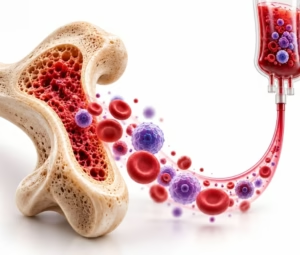
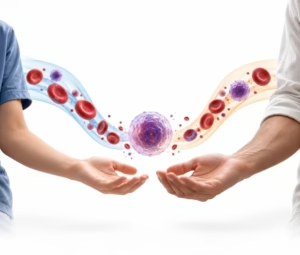
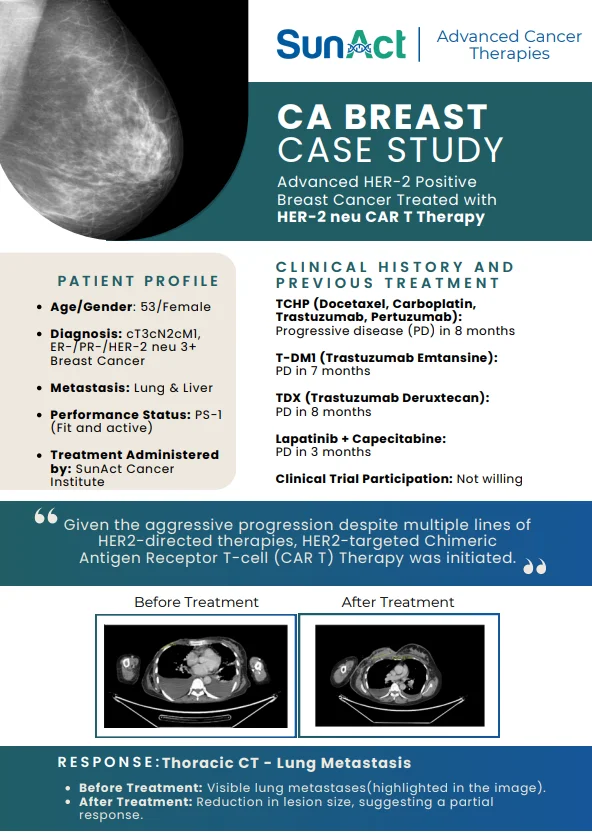
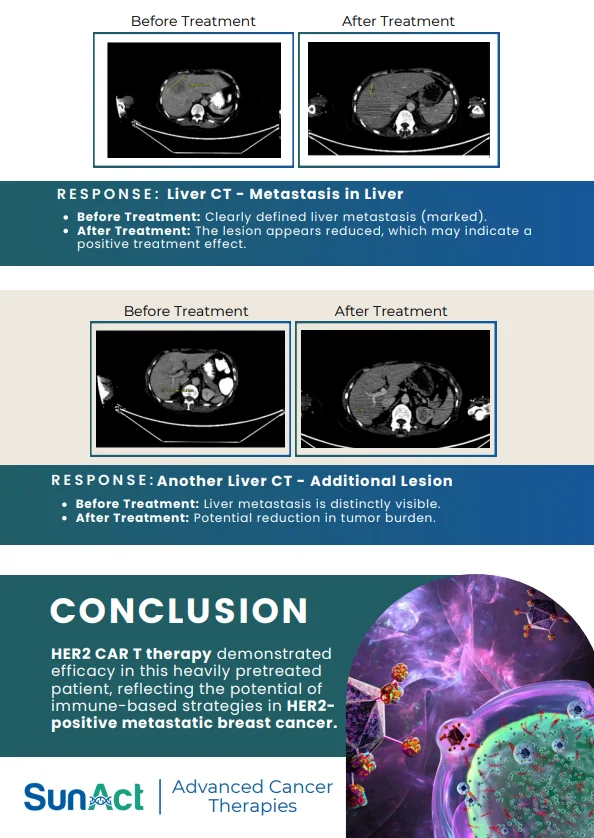
CAR-T therapy works by taking a patient’s own immune cells, modifying them in the laboratory to recognize specific harmful cells better, and then putting them back into the body. In cancer treatment, these modified cells are trained to attack tumour cells. In autoimmune diseases, researchers are using the same idea but with a different goal: to remove the immune cells that are causing the body to attack itself. Many autoimmune diseases are driven by abnormal B cells, a type of immune cell responsible for making harmful antibodies. CAR-T cells can be designed to find and eliminate these problematic B cells, potentially stopping the disease at its source rather than simply controlling symptoms.
One of the most promising examples of this approach has been seen in patients with severe lupus, a serious autoimmune disease that can damage the skin, joints, kidneys, and other organs. In recent early clinical studies, patients with treatment-resistant lupus who received CAR-T therapy experienced dramatic improvement, with some going into remission and being able to stop their regular medications. These results have raised hope that CAR-T therapy may not just suppress autoimmune diseases temporarily, but may actually “reset” the immune system and provide long-lasting relief.
Despite its promise, CAR-T therapy is still very new in the field of autoimmune diseases and is currently being studied in clinical trials. However, researchers worldwide are working to make CAR-T safer, more affordable, and more widely available. In the coming years, this technology could transform the way autoimmune diseases are treated in the future.
In many ways, CAR-T therapy represents a shift from simply managing autoimmune diseases to potentially changing the disease process itself. While more research is needed before it becomes a standard treatment, the early results are highly encouraging. What started as a breakthrough for cancer may soon become a life-changing option for patients living with autoimmune disorders, offering new hope for a future with fewer symptoms, less medication, and better quality of life.