18 March 2026
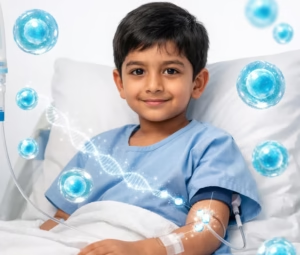
Completing chemotherapy is a huge milestone for your child and for your entire family. It marks the end of an intense journey filled with hospital visits, medications, side effects, and emotional ups and downs.
While this phase brings relief and hope, it also raises many new questions: What comes next? Is my child truly back to normal? How do I care for them now?
This guide is meant to help you navigate life after chemotherapy with confidence and compassion.
Recovery Takes Time
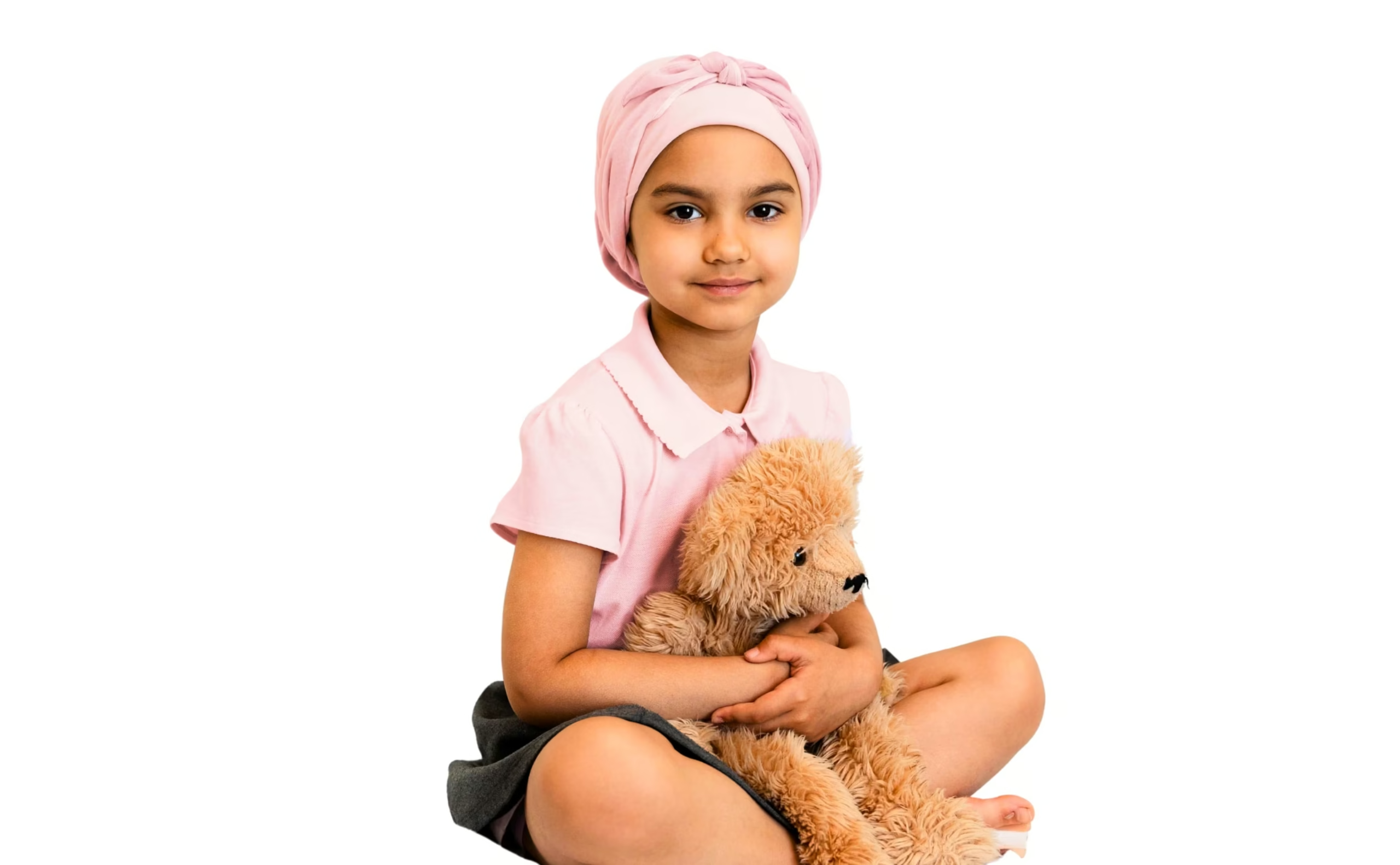
Even though chemotherapy has ended, your child’s body is still healing.
- Fatigue can persist for weeks or even months
- Appetite and taste may take time to normalize
- Hair regrowth, weight changes, and skin changes are gradual
- Emotional recovery often takes longer than physical recovery
Nutrition
Good nutrition helps rebuild strength and immunity, but pressure around eating can be counterproductive.
- Offer small, frequent meals instead of large portions at once
- Include protein rich foods like various types of dals, pulses, mushrooms, eggs as it helps build muscle mass and aids faster recovery. Protein supplements in the form of powders or biscuits can be considered after opinion from a dietician.
- Encourage fruits and vegetables for vitamins and antioxidants. An attractive way to ensure this is to ask the child to make the their plate look colourful (eg tomatoes, carrots, beetroot, broccoli, bell pepper salads etc)
- Let your child guide choices when possible
- Avoid forcing and nagging your child – appetite usually improves with time
Infection Prevention Still Matters
Over time, infection risk decreases, but caution in the early months (especially first 3 months) is important as the immune system may remain weak for some time after chemotherapy.
- Encourage regular handwashing
- Avoid crowded places during outbreaks of illness
- Vaccinations can be resumed after about a year after chemotherapy has been completed. Consult your oncologist regarding the same.
- Report all episodes of fever to your oncologist
Returning to School and Daily Activities
Parents often wonder when their child can return to school, sports or social activities.
- School can usually be restarted once the intensive phase of chemotherapy is completed and your treating doctor feels it is safe.
- Inform the school authorities and teachers about your child’s medical history so they can provide appropriate support when needed.
- Encourage good hygiene practices, such as regular handwashing and mask use during periods of increased infections. Availability of fresh, home-cooked food is ideal.
- High-impact physical activities should be avoided until your child has regained adequate strength and nutritional status.
- It is normal to see fluctuations in stamina, attention, and concentration, especially in the first few months.
- Allow your child to take rest breaks when needed without feeling guilty.
- Do not pressurise the child to catch up physically and academically
Emotional Healing Is Just as Important
Your child has been through a major life event and so have you.
Your child may:
- Feel anxious about illness returning
- Be fearful of hospitals or medical visits
- Struggle with body image or confidence
- Become unusually quiet, clingy, or irritable
Create space for conversation. Let them ask questions. Reassure them that their feelings are normal. If concerns persist, psychological support can be incredibly helpful.
Follow-Up Visits: Don’t Skip Them
Regular follow-ups are essential even after treatment ends.
These visits help:
- Monitor for late effects
- Track growth and development
- Address learning, hormonal, or emotional concerns
- Adjust medications or supplements
- Watch for any red flags
Caring for Yourself as a Parent
Parents often stay in “survival mode” long after treatment ends. You are not weak for needing support—you are human.
- Acknowledge your own exhaustion and emotions
- Accept help from family and friends
- Consider joining a support group. Your oncologist or doctor can direct you.
- Talk about your fears with someone you trust
- Remember – caring for yourself helps you care better for your child
Celebrate Progress, Big and Small
Recovery is not linear. Some days will feel easy, others overwhelming.
Celebrate small wins like return to school, completion of iv medications, get together with friends, preparation for exams, improved appetite and energy levels.
Your child may not bounce back overnight, but with love, understanding, and gentle guidance, they will continue to grow stronger every day.