17 August 2025
A 12-year-old boy who had bravely fought a type of brain tumor called medulloblastoma in 2023 finished his surgery, radiation, and chemotherapy by November 2024. After a short period where everything looked fine, he suddenly started experiencing headaches and difficulty walking.
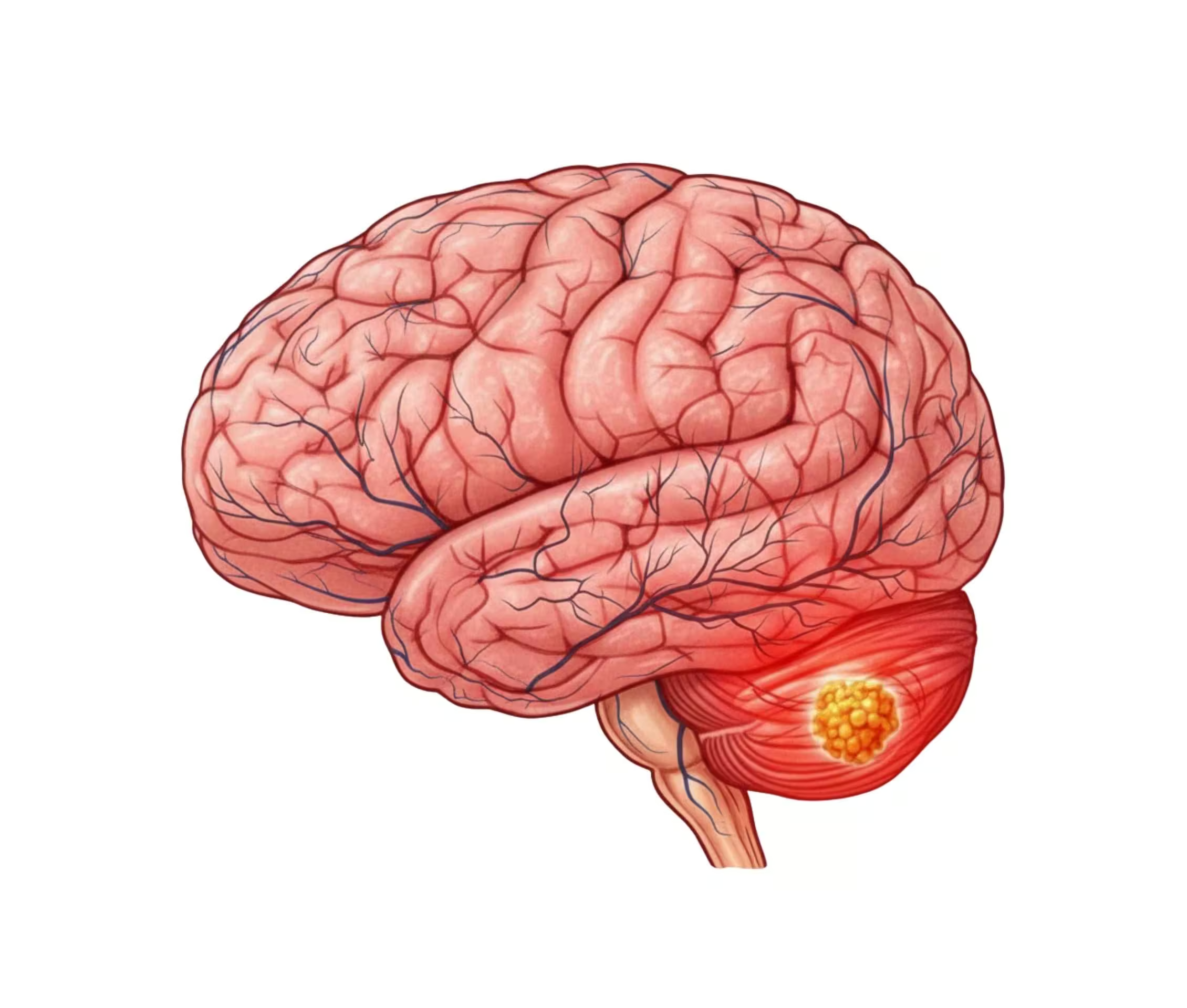
A new MRI showed that his tumor had come back. Even more challenging, it had returned very early—something usually considered difficult to treat.
A New Plan When the Old One Didn’t Work
He was initially started on a targeted medicine, but the tumor didn’t respond. So, the doctors quickly changed the plan and began a strong chemotherapy combination called ICE.
To everyone’s relief, the tumor shrank by almost 85%, showing that his cancer was still very sensitive to chemotherapy.
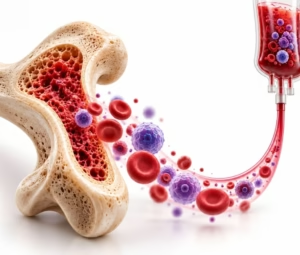
Because he responded so well, the team decided to go ahead with an autologous stem cell transplant—a treatment where the child’s own healthy stem cells are collected, stored, and later returned after giving very high-dose chemotherapy to wipe out any remaining cancer.
High-Dose Therapy Designed for Brain Tumors
For this child, doctors used an advanced, brain-focused high-dose chemotherapy combination: Thiotepa and Melphalan.
These medicines reach the brain very effectively and work together to kill leftover tumor cells.
After the high-dose treatment, his stored stem cells were infused back to help his body recover.
A Challenging but Successful Recovery
The period after transplant is always delicate. The child faced some expected complications:
- Severe mouth sores, making eating difficult
- A serious infection (MDR Klebsiella) that caused septic shock
- Gut infection and diarrhea.
He needed admission to the Pediatric ICU, strong antibiotics, and close monitoring. The critical care, nursing, oncology, and infection teams worked together round-the-clock.
Thanks to timely treatment and excellent teamwork, he gradually recovered. His immunity came back, he started eating well again, and he was discharged in stable condition.
A follow-up MRI 45 days later showed no signs of disease—a truly encouraging outcome.
Why This Story Matters
This case shows that even in difficult situations—like an early relapse of medulloblastoma—there is still hope. With the right planning, advanced treatment, and strong teamwork, children can achieve remission again.
Key Takeaways
- Advanced high-dose chemotherapy (Thiotepa + Melphalan) can be effective in relapsed brain tumors.
- ICU support and expert nursing care are crucial during the vulnerable post-transplant phase.
- Specialized transfusion support (like granulocyte transfusions) can save lives during severe infections.
- Multidisciplinary teamwork—oncologists, intensivists, nurses, and transfusion specialists—played a major role in this success.
Conclusion
This young boy’s recovery is a powerful reminder of what modern pediatric oncology can achieve. With advanced treatment options and a coordinated medical team, even aggressive relapsed brain tumors can be managed successfully—giving children and families renewed hope.