14 August 2026
Table of Contents
If your child’s care team has told you a bone marrow transplant is the recommended next step, you’re probably feeling a mix of things at once, hope that this could be the treatment that changes everything, and fear of everything that lies ahead. Here’s something true and reassuring: thousands of families have walked this exact path before you, and knowing what each stage actually involves can make it feel far less like stepping into the unknown.
Let’s walk through this together, stage by stage, before, during, and after so you know roughly what to expect and how to prepare, practically and emotionally, for each part of the journey.
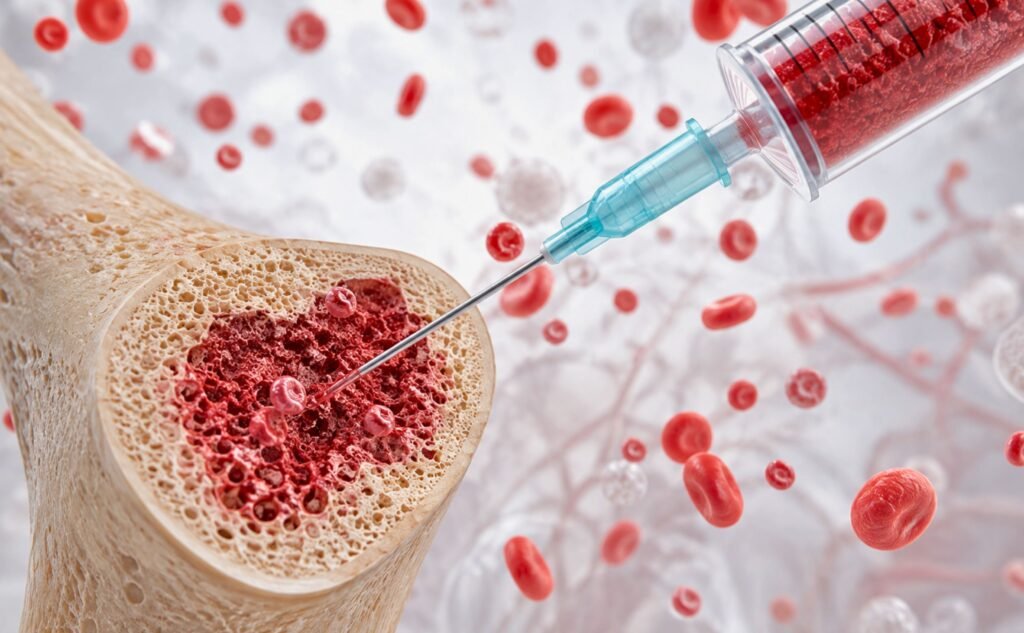
When Transplant Enters the Conversation
For many families, a bone marrow transplant is mentioned after other treatments, usually when chemotherapy haven’t fully controlled your child’s cancer or as a planned next step for higher-risk disease. However it comes up, it’s normal to need time to process it, and to ask your child’s team as many questions as you need.
This is also the point where practical planning begins, donor searches if needed, insurance and logistics conversations, and decisions about who in the family will be present for which parts of the journey. Giving yourself permission to feel overwhelmed at this stage, while still moving forward with the practical steps, is completely normal.
Before Transplant: Preparation and Waiting
The lead-up to transplant typically involves a series of tests to confirm your child is ready blood work, organ function tests, and sometimes imaging. If the transplant is allogeneic, this is also when donor matching is finalised, whether that’s a sibling or an unrelated donor found through a registry.
KEY FACT
The waiting period before transplant, while it can feel agonisingly slow, is there for good reason, it ensures your child enters the process in the best possible physical condition to handle what comes next.
Many centres also use this time to prepare your child emotionally, sometimes with the help of a child life specialist who can explain the process in age-appropriate, non-frightening language. It’s worth asking what preparatory support is available at your treatment centre.
During Transplant: The Hospital Stay
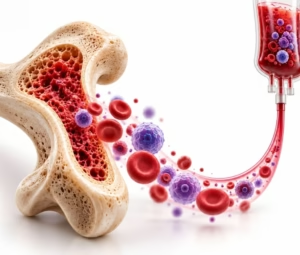
The hospital stay begins with conditioning treatment, high-dose chemotherapy, sometimes with radiation over several days, followed by the transplant infusion itself, which is often less dramatic than parents expect: the new stem cells are given through an IV line, much like a blood transfusion.
The weeks that follow, while the new stem cells engraft and begin producing healthy blood cells, are usually the most demanding part of the hospital stay. Your child’s immune system will be very weak during this window, so strict infection precautions are in place, and side effects like mouth sores, nausea, or fatigue are common and actively managed.
This period is also often when parents feel most needed and most exhausted at the same time. Hospital teams generally encourage a parent’s steady presence, while also supporting you to take breaks when you need them, both matter for your child’s wellbeing.
After Transplant: Coming Home and Recovery
Discharge doesn’t mean the journey is over, it marks the start of a longer recovery phase at home, with frequent follow-up visits to monitor blood counts, watch for infection, and check for signs of graft-versus-host disease if the transplant was allogeneic. Weekly follow ups turn to monthly visits followed by 3 and 6 monthly visits.
IMPORTANT
The first few months at home usually involve real restrictions, limiting visitors, avoiding crowded places, and close attention to hygiene while your child’s immune system continues rebuilding. These precautions ease gradually as blood counts and immune function recover.
Full recovery, especially for immune function, can take the better part of a year. It’s common for families to describe this stretch as a slow, gradual return to normal life rather than a single moment of “being done” — and that gradual pace is expected, not a sign that something is wrong. The child receives age appropriate vaccination again as per protocols once the immune recovery ensues. Yearly follow up upto maximum 5 years is generally practised to look for long term side effects if any.
Supporting Your Child Emotionally at Each Stage
Children process this experience differently at different ages, and what helps most tends to change across the before, during, and after phases — simple honest explanations before, comfort and routine during, and patience with mood or behaviour changes after.
Every child experiences treatment differently. Honest, age-appropriate conversations, familiar routines, reassurance, and the support of loved ones can help children feel more secure throughout their treatment journey. Encouraging questions and maintaining a positive, comforting environment can make each step a little easier.
Looking After Yourself as a Parent
It’s easy, understandably, to put your own needs completely aside during this period. But parents who find even small pockets of support, a trusted family member, a counsellor, or other parents who’ve been through transplant — often find they have more steadiness to offer their child, not less.
If you’re finding the emotional weight of this journey difficult to carry, it’s worth asking your child’s care team about psychological support services for parents specifically — many centres offer this, and it isn’t a sign that you’re not coping well; it’s simply part of good care for the whole family.
Frequently Asked Questions
This varies by individual case and transplant type, but it typically spans several weeks, covering conditioning treatment, the infusion, and the initial engraftment and monitoring period.
Most paediatric transplant units strongly encourage a parent or caregiver to stay close by throughout, though policies vary by centre — it's worth asking about specific arrangements in advance.
Child life specialists, where available, are trained specifically to explain transplant in age-appropriate terms using play-based or visual tools. Ask your care team what resources they offer.
This depends on immune recovery and your child's individual progress, and is usually decided in consultation with your care team — often ranging from several months to closer to a year. We as clinicians usually prefer encourage doing back school once vaccinations post transplant have been done.
Fever, unusual rashes, persistent vomiting or diarrhoea, or any sudden change in your child's condition should prompt an immediate call, your team will give you a specific list of warning signs before discharge.
Completely. This is an intense experience for the whole family, and many parents find it helpful to accept support practical or emotional, rather than trying to manage everything alone.
A Final Word
There’s no way to make a child’s bone marrow transplant an easy experience, it asks a great deal of both children and parents. What this means for you is that you don’t have to navigate it blindly: knowing roughly what each stage involves, and knowing that the exhaustion and fear you may feel are shared by nearly every parent who’s walked this path, can make the journey feel a little less isolating.
If your child is approaching a bone marrow transplant, your paediatric hemato-oncology team is there to answer every question, at every stage, before, during, and long after you’ve left the hospital.