09 September 2026
Breast cancer is often associated with older women, but it can also affect women at a much younger age. Although most breast cancers are diagnosed later in life, breast cancer in younger women presents some unique challenges. The disease may be influenced by inherited genetic changes, reproductive and hormonal factors, breast density, previous medical treatments and lifestyle factors. More importantly, cancers diagnosed in younger women can sometimes have distinct biological characteristics that influence how the disease behaves and how it responds to treatment. Understanding these factors is important not only for early detection but also for moving toward more personalized cancer care.

At its most basic level, breast cancer develops when cells in the breast acquire genetic changes that allow them to grow and divide uncontrollably. Some of the genetic changes responsible for breast cancer are acquired during a person’s lifetime, while others can be inherited from a parent. Most breast cancers are not caused by inherited mutations, but hereditary cancers are particularly important when breast cancer occurs at a young age.
One of the best-known hereditary risk factors is a harmful change in the BRCA1 or BRCA2 gene. Women who inherit harmful BRCA1 or BRCA2 variants have a substantially higher lifetime risk of breast cancer and are more likely to develop the disease at a younger age. Other genes, including PALB2, TP53, PTEN, RAD51C and RAD51D, can also contribute to hereditary breast cancer risk. The level of risk varies considerably depending on the gene involved and the specific genetic variant. This is why family history can be particularly important in a young woman diagnosed with breast cancer. A history of breast cancer in a mother, sister or daughter, particularly at a young age, can suggest an increased inherited risk. The pattern becomes even more important when several relatives have had breast cancer or when the family history includes ovarian, pancreatic or certain prostate cancers. Breast cancer in a male relative can also be an important clue to an inherited cancer syndrome. However, having no family history does not eliminate the possibility of hereditary cancer because genetic mutations can occur in families without an obvious history of cancer. Genetic counseling can help determine whether genetic testing is appropriate and how the results might affect screening and treatment decisions.
Hormones are another important part of breast cancer biology. Breast cells respond to hormones, particularly estrogen and progesterone, which influence growth and development. A woman’s lifetime exposure to these hormones can affect breast cancer risk. Factors associated with longer exposure to natural estrogen include starting menstruation at an early age and reaching menopause later in life. Reproductive factors such as having a first full-term pregnancy at an older age or never having a full-term pregnancy are also associated with breast cancer risk. These factors should not be interpreted as direct causes of cancer. Rather, they are part of a complex combination of biological and environmental influences that can affect an individual’s overall risk.
Breast density is another factor that deserves attention, particularly in younger women. Breast tissue consists of fatty tissue as well as glandular and fibrous tissue. When there is a greater proportion of glandular and fibrous tissue, the breasts appear denser on mammography. Dense breast tissue is associated with a higher risk of breast cancer and can make some cancers more difficult to see on a mammogram because both dense tissue and many tumors appear white on the image. Breast density is influenced by age, genetics, hormonal factors, pregnancy and other biological factors.
Previous exposure to radiation is another important risk factor. Women who received radiation therapy to the chest, particularly during adolescence or young adulthood, have a higher risk of developing breast cancer later in life. This is one reason that individuals who received radiation treatment for cancers such as Hodgkin lymphoma at a young age may require specialized long-term breast surveillance. The risk depends on factors such as the radiation dose, the area treated and the age at treatment.
Lifestyle and metabolic factors can also influence breast cancer risk. Alcohol consumption, physical inactivity and excess body weight are among factors associated with breast cancer risk, although their effects vary depending on age and menopausal status. Physical activity appears to have a protective effect, while maintaining a healthy body weight and limiting alcohol intake can contribute to risk reduction. Importantly, however, breast cancer cannot be explained simply by lifestyle. A woman who exercises regularly, eats a healthy diet and maintains a healthy weight can still develop breast cancer. Conversely, having a risk factor does not mean that cancer is inevitable. Cancer usually develops through the interaction of multiple biological and environmental factors rather than a single cause.
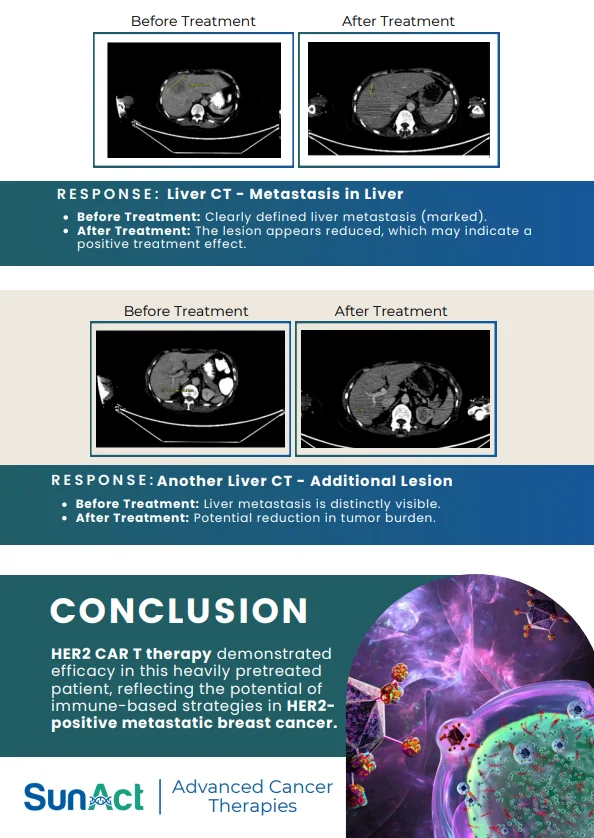
One of the most important scientific developments in breast cancer research has been the recognition that breast cancer is not one disease. It is a collection of biologically different cancers. Doctors classify breast tumors according to characteristics such as estrogen receptor (ER), progesterone receptor (PR) and HER2 expression, along with other molecular and genomic features. These characteristics can determine how quickly a tumor grows and which treatments are likely to work. For example, hormone receptor-positive breast cancers depend, at least partly, on estrogen or progesterone signaling for their growth. These cancers can often be treated with endocrine therapies that block hormone signaling or reduce the body’s production of estrogen. HER2-positive breast cancers have increased levels of the HER2 protein, which can drive cancer-cell growth. The development of HER2-targeted therapies has dramatically changed the treatment of these cancers. Triple-negative breast cancer, in contrast, lacks estrogen receptors, progesterone receptors and excess HER2. This makes endocrine and HER2-targeted therapies ineffective and has historically made treatment more challenging. However, chemotherapy, immunotherapy and newer targeted approaches have expanded treatment options for some patients with triple-negative disease.
Younger women can be more likely to present with certain aggressive tumor characteristics, including high-grade tumors and some triple-negative or HER2-positive cancers. Research also indicates that tumors diagnosed in younger women can contain distinct genomic alterations and molecular signatures. These biological differences may partly explain why some early-onset breast cancers behave more aggressively and have a higher risk of recurrence. At the same time, not every young woman’s cancer behaves aggressively. The biology of the individual tumor is far more informative than age alone when doctors are making treatment decisions.
Diagnosis, however, remains a major challenge in younger women. A breast lump in a younger woman is often caused by a benign condition such as a cyst or fibroadenoma, so cancer may not initially be the most likely explanation. Younger women are also more likely to have dense breast tissue, which can complicate mammographic detection. This does not mean that every breast lump should cause alarm. It means that a new or persistent change should be properly assessed rather than automatically attributed to hormonal changes or a benign condition. A new lump or mass is the most common symptom of breast cancer, but it is not the only warning sign. Other changes can include swelling of part or all of the breast, skin dimpling or thickening, redness or scaling of the nipple or breast skin, nipple inversion, unusual nipple discharge, changes in breast size or shape, or a persistent change in the breast or underarm. Most breast changes are not cancer, but unusual or persistent symptoms deserve medical evaluation.
For a young woman, understanding family history can therefore be as important as knowing the general screening recommendations. If several relatives developed breast or ovarian cancer, if a relative was diagnosed unusually young, or if there is a known hereditary cancer mutation in the family, discussing the situation with a healthcare professional or genetic counselor can help determine whether enhanced surveillance or genetic testing is appropriate.
The treatment landscape is also changing rapidly. Surgery, radiation and chemotherapy remain important, but they are increasingly being complemented by targeted therapies, endocrine therapies, antibody-drug conjugates, immunotherapy and other precision treatments. Researchers are also investigating new biomarkers that can predict which patients are most likely to benefit from particular therapies. Advances in molecular profiling are helping move breast cancer treatment away from a one-size-fits-all model toward a more individualized approach.
Ultimately, being young does not mean being protected from breast cancer, but it also does not mean that every breast change is a sign of cancer. The most useful approach is awareness without fear. Understanding personal and family history, recognizing persistent changes and seeking appropriate medical evaluation can help ensure that concerning symptoms are not overlooked. For women with hereditary risk, genetic counseling and individualized screening can provide an additional layer of protection.
For young women, the message is simple: know your risk, know your family history, pay attention to changes in your breasts, and seek medical advice when something does not feel right. Early evaluation does not mean assuming the worst it means giving yourself the best opportunity to understand what is happening and, if cancer is present, to begin appropriate treatment as early as possible.