14 August 2026
Table of Contents
Hearing that chemotherapy is no longer controlling your cancer is one of the hardest moments in a cancer journey. Here’s the honest answer: it’s a genuinely difficult update, but it is very rarely the end of the conversation about treatment. Oncology has more tools today than it did even a few years ago, and “chemotherapy isn’t working” usually means it’s time to explore a different path, not that paths have run out.
Let’s walk through this together. This guide explains what typically happens after this news, what other treatment options are usually considered, and how your oncology team thinks through the next step with you.
Hearing That Chemotherapy Isn't Working Anymore
This news usually comes from a scan or blood test showing that the cancer has grown or spread despite treatment — what doctors call disease progression. It’s completely natural to feel a wave of fear or grief hearing this, even while knowing, rationally, that this doesn’t mean treatment options are exhausted.
Give yourself space to feel whatever comes up. Many patients describe this moment as harder emotionally than the original diagnosis, precisely because it can feel like a step backward — even though, medically, it’s simply a signal to pivot the approach.
What Happens Next: The Reassessment Process
Before recommending a new treatment, your oncology team will typically reassess the cancer — sometimes with a fresh biopsy — to understand how it may have changed. Cancers can evolve over time, and understanding the current biology of the tumour helps identify which of the next options is most likely to help.
KEY FACT
A change in treatment approach after chemotherapy stops working is a normal, expected part of cancer care for many cancer types — not a sign that all options have been used up.
This reassessment stage is also the point where your overall health, current symptoms, and personal priorities are factored back into the conversation — the next step isn’t chosen on tumour biology alone.
Immunotherapy as a Next Step
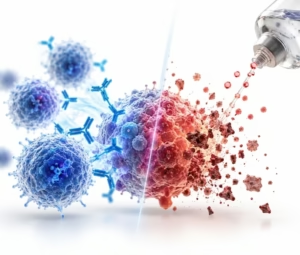
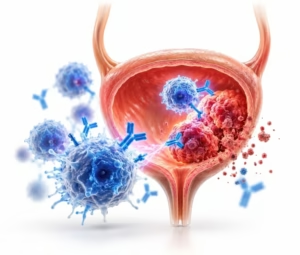
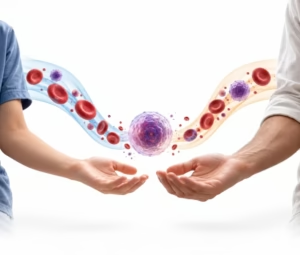
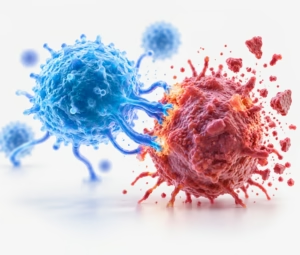
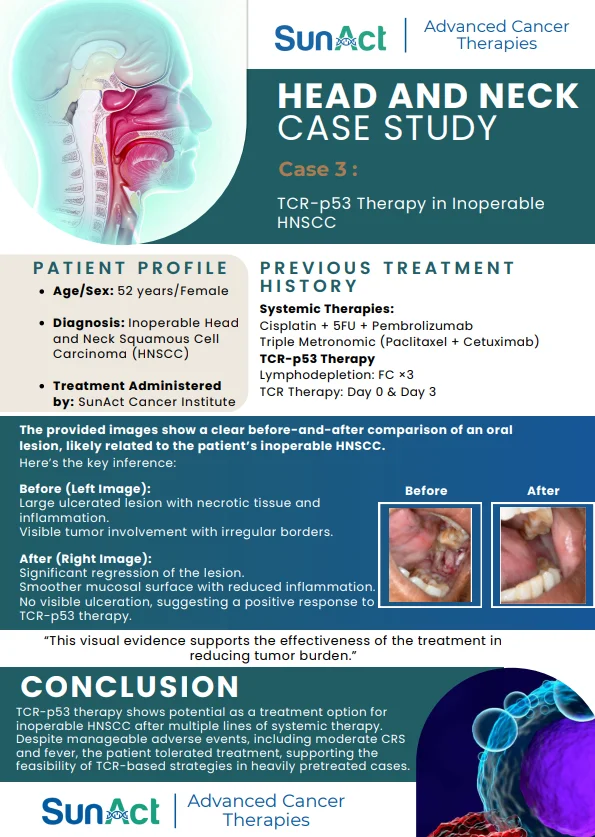
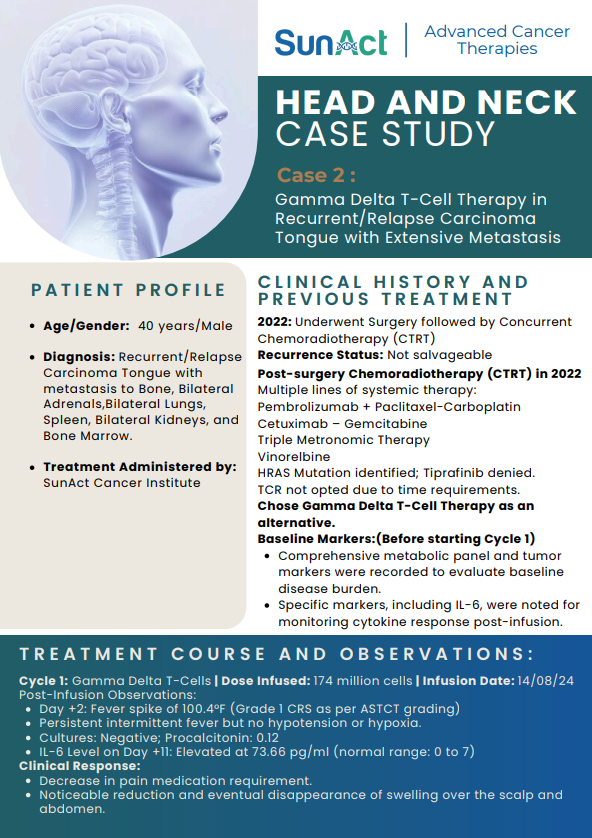
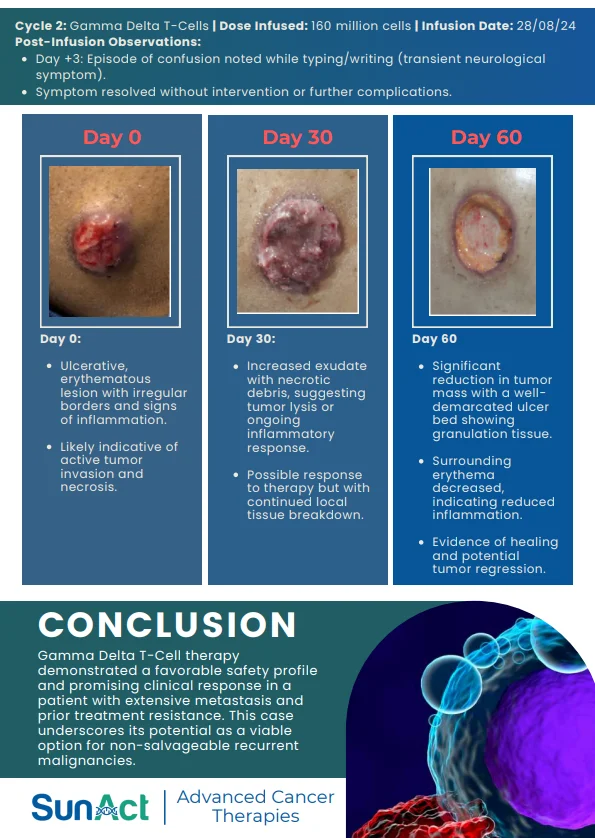
For many cancers, immunotherapy is one of the first options considered once chemotherapy stops working, particularly if it hasn’t already been tried. Rather than attacking cancer cells directly, immunotherapy works by helping your own immune system recognise and respond to the cancer — a fundamentally different mechanism from chemotherapy, which is part of why it can work even after chemotherapy has stopped.
Targeted Therapy Based on Tumour Biology
If testing reveals specific genetic mutations or markers in your tumour, targeted therapy may be an option. These drugs are designed to interfere with specific molecular pathways that particular cancers depend on to grow — meaning they can be effective even when broader chemotherapy has stopped working, provided your tumour carries the relevant target.
Not every cancer has an identified target, and this is part of why the reassessment and testing stage matters so much — it determines which of these more targeted options might genuinely apply to your specific case.
Clinical Trials: An Often Overlooked Option
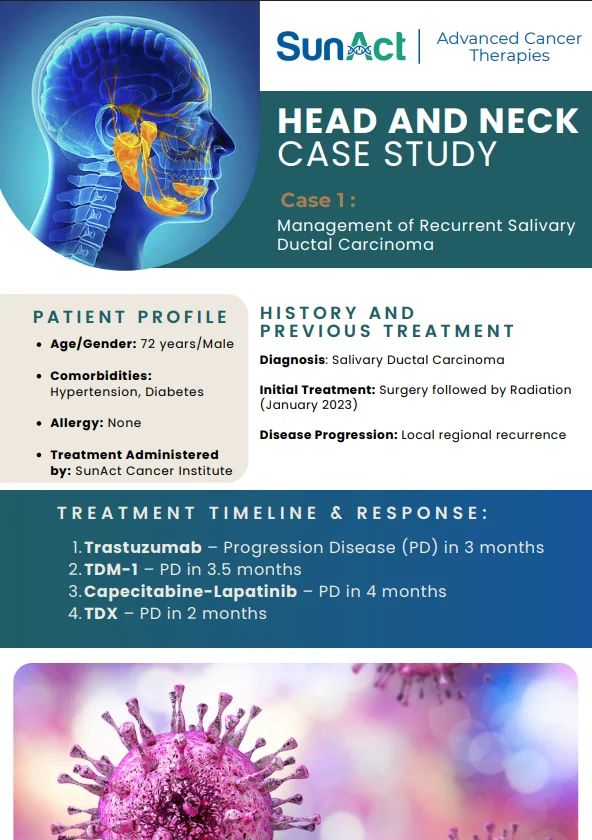
Clinical trials are sometimes seen as a last resort, but they’re better understood as an active, valuable option, particularly once standard treatments have been exhausted. Trials give access to newer therapies, sometimes years before they become widely available under close medical supervision.
It’s worth asking your oncologist directly what trials are currently open and relevant to your specific cancer type and situation, this is a question many patients don’t think to ask, but should.
Palliative and Supportive Care Alongside Treatment
Palliative care is often misunderstood as something that only happens when treatment stops entirely. In reality, it’s specialist support for managing symptoms and improving quality of life, and it can run alongside active treatment at any stage — including right now, if further treatment is being explored.
IMPORTANT
Bringing in palliative or supportive care earlier, rather than later, is associated with better quality of life and, in some studies, even better tolerance of ongoing treatment. It is not a signal that treatment options have run out.
Comparing the Main Paths Forward
.
Option | How it works | Typically considered when |
Immunotherapy | Helps the immune system recognise and attack cancer cells | Not yet tried, or cancer type known to respond well |
Targeted therapy | Interferes with specific molecular pathways the tumour depends on | Tumour testing identifies a relevant genetic marker |
Clinical trials | Access to newer therapies under close medical supervision | Standard options have been tried, or a relevant trial is open |
Frequently Asked Questions
No. Most cancers have several other treatment avenues to explore — immunotherapy, targeted therapy, and clinical trials among them — and your oncology team will assess which applies to your specific case.
Often, yes — a fresh biopsy helps doctors understand how the cancer may have changed and identify markers that could guide the next treatment choice.
Ask your oncologist directly what trials are currently open for your specific cancer type — they typically have access to trial databases and networks beyond what's easily searchable independently.
No — palliative care can run alongside active treatment at any stage to manage symptoms and support quality of life, and starting it earlier is generally beneficial rather than a signal treatment has ended.
This varies depending on testing needed and treatment availability, but your oncology team will aim to move through reassessment and planning as efficiently as possible.
Useful questions include what caused the current treatment to stop working, what testing will guide the next option, what alternatives exist for your specific cancer, and whether any clinical trials might be relevant.
A Final Word
Hearing that chemotherapy has stopped working is genuinely difficult news, and it’s fair to need time to process it. What this means for you is that oncology today has multiple paths forward for many cancers — immunotherapy, targeted therapy, clinical trials, and supportive care working together — and this moment is usually a pivot point rather than an ending.
If you’ve recently been told your current treatment isn’t working, speaking with your oncologist about what reassessment and next steps look like for your specific situation is the most useful place to start.