09 September 2026
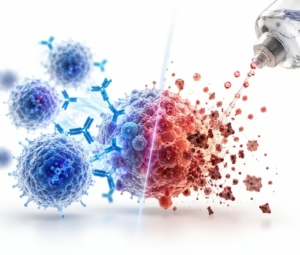
Cancer treatment is changing rapidly. While chemotherapy, radiation and surgery remain important tools, scientists are increasingly finding ways to use the body’s own immune system to fight cancer. This approach is called immunotherapy. The basic idea is simple: our immune system is naturally designed to recognize and destroy abnormal cells, but cancer cells can sometimes hide from immune cells or weaken their ability to attack. Immunotherapy aims to overcome these limitations and help the immune system recognize and destroy cancer more effectively. Among the exciting approaches being developed are TIL therapy, CAR T-cell therapy and BiTEs. Although all three use the power of T-cells, they work in very different ways.

To understand these treatments, it helps to understand T-cells first”. T-cells are a type of white blood cell and an important part of our immune system. They constantly patrol the body, looking for cells that appear abnormal or dangerous. When they recognize a target, they can attack and destroy it. Cancer, however, can be difficult for T-cells to recognize or eliminate. Tumor cells can change the signals displayed on their surface, create an environment that suppresses immune cells, or use other mechanisms to escape immune attack. TILs, CAR T-cells and BiTEs are different strategies designed to help T-cells overcome these challenges.
TIL therapy stands for “Tumor-Infiltrating Lymphocyte therapy”. Sometimes, T-cells naturally enter a tumor and try to attack the cancer cells. These T-cells are called tumor-infiltrating lymphocytes, or TILs. In a way, these are immune cells that have already found their way into the tumor and may have recognized something abnormal about the cancer. However, there may not be enough of these cells to control the tumor. In TIL therapy, doctors remove a small piece of the patient’s tumor and isolate the T-cells found inside it. These cancer-fighting cells are then grown in very large numbers in a specialized laboratory. After expansion, the T-cells are returned to the patient through an infusion, where they can continue their attack on the tumor. In simple terms, TIL therapy takes the immune cells that have already found the cancer, multiplies them into much larger numbers and sends them back to fight. TIL therapy has become particularly important in the treatment of some solid tumors, and in 2024 the FDA approved lifileucel as the first TIL therapy for advanced melanoma.
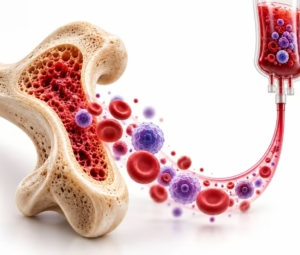
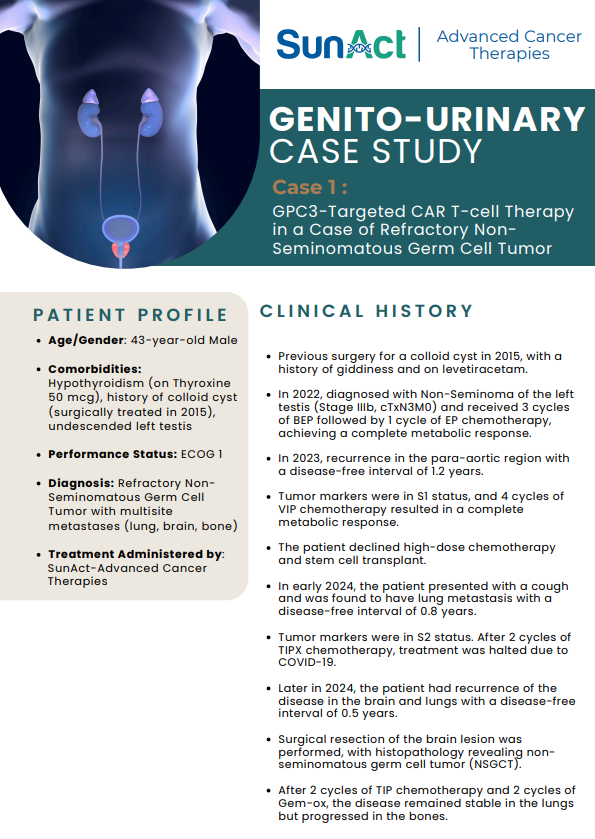
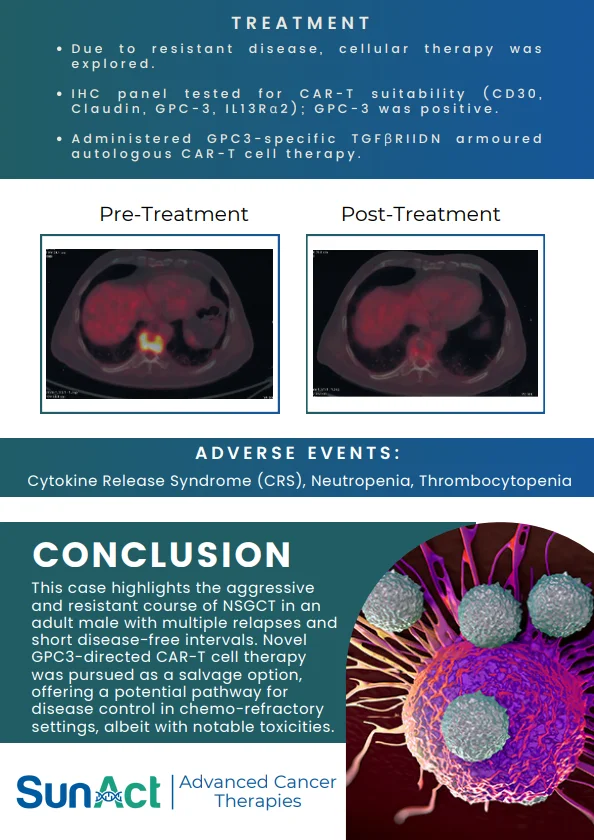
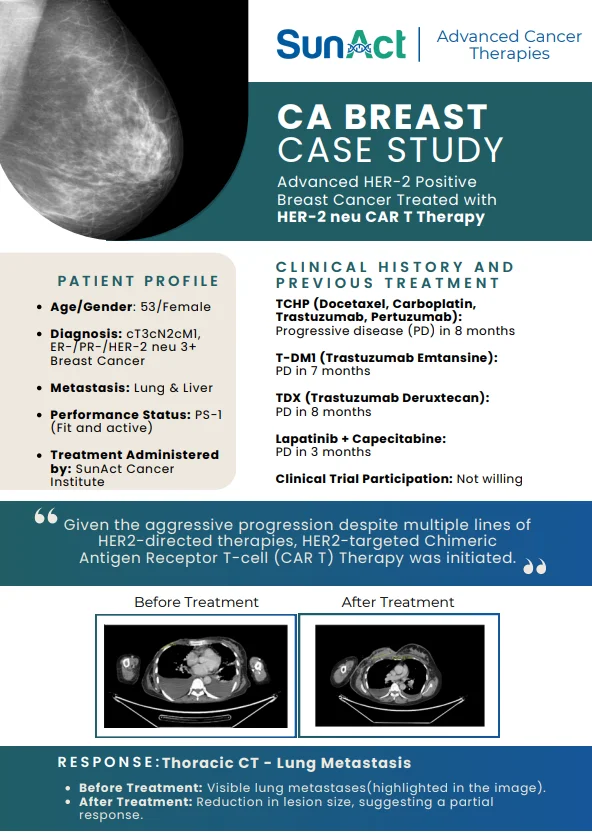
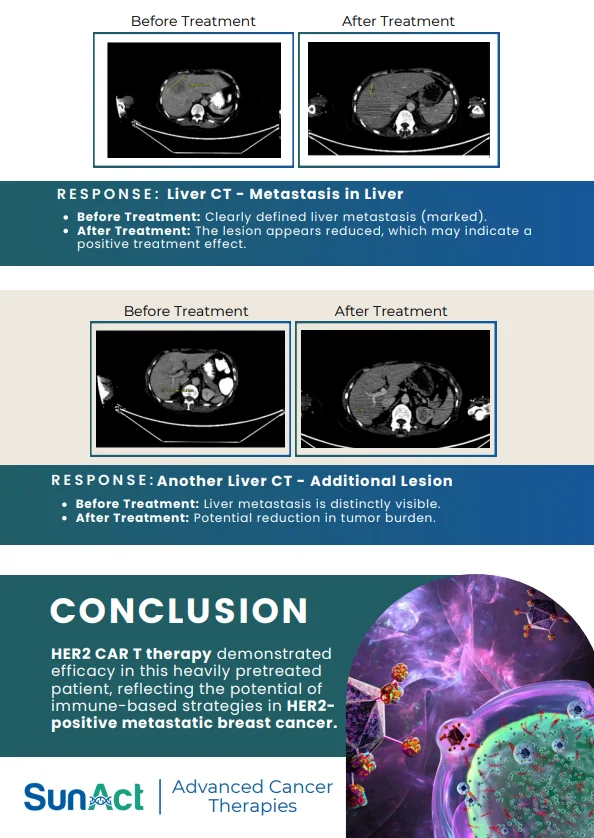
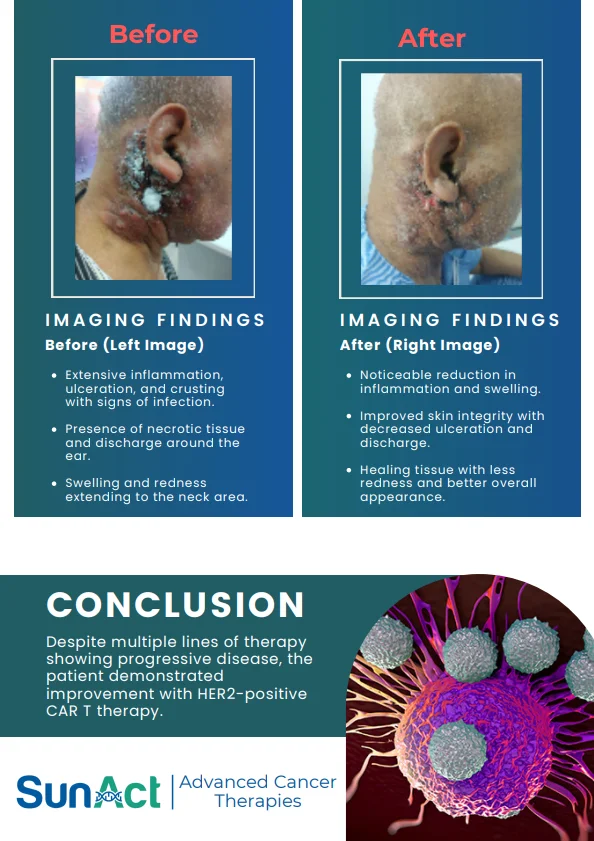
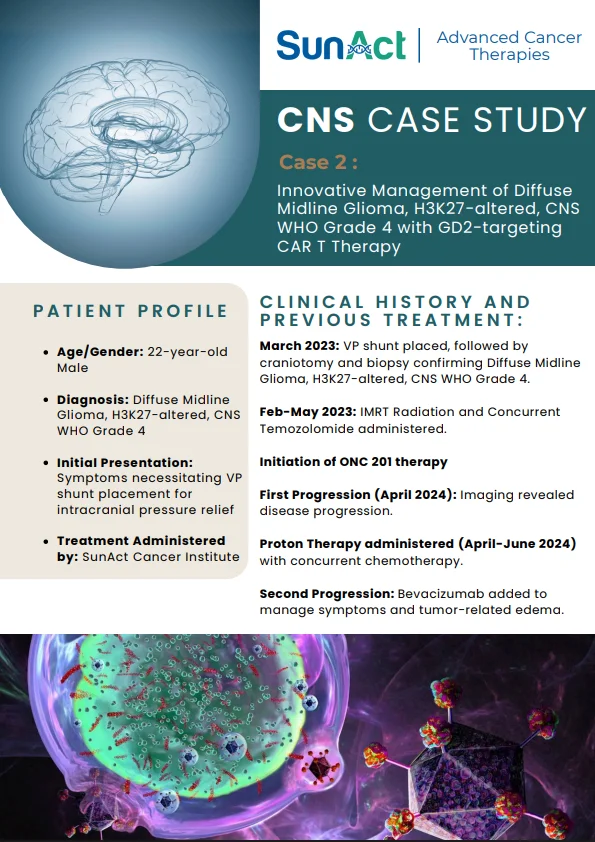
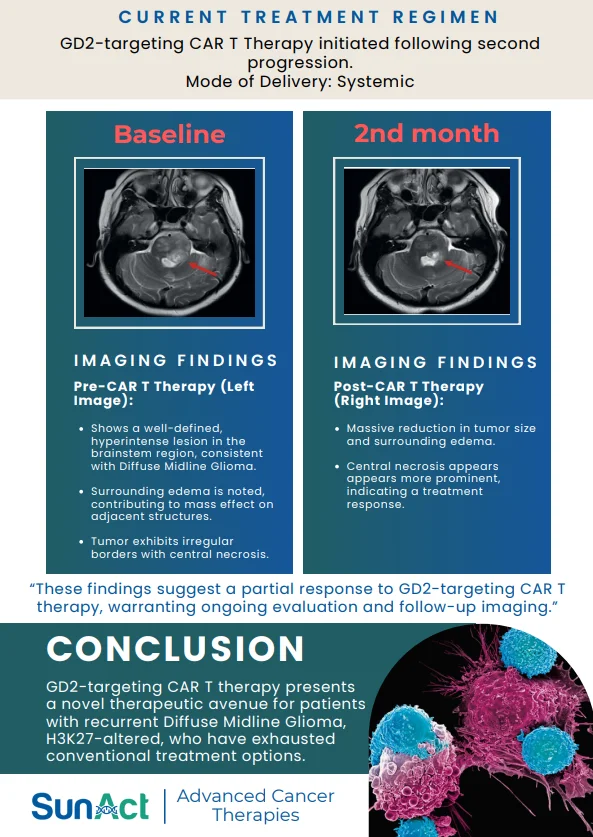
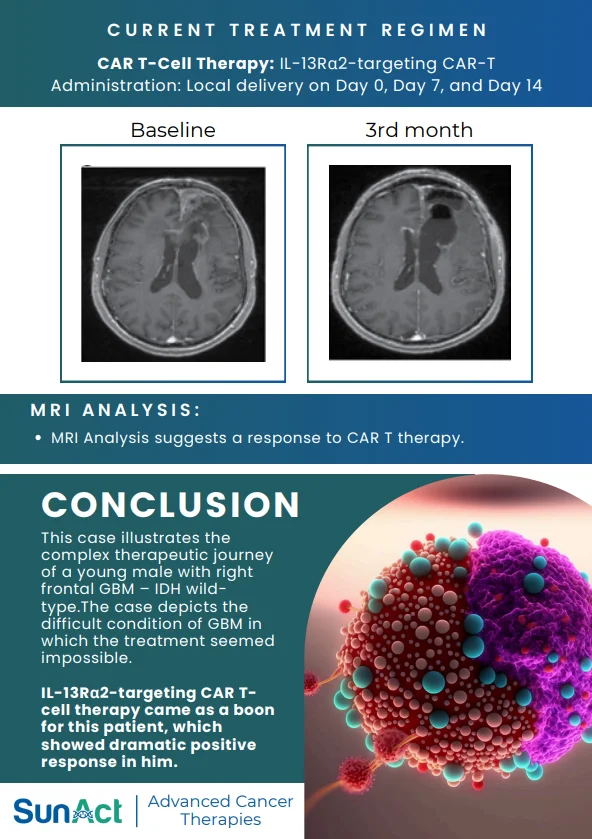
CAR T-cell therapy takes a different approach. CAR T stands for Chimeric Antigen Receptor T-cell therapy. Instead of simply expanding the T-cells that are already present in the tumor, scientists genetically modify T-cells in the laboratory so that they can recognize a specific target on cancer cells. A structure called a chimeric antigen receptor, or CAR, is added to the surface of the T-cell. The process begins by collecting T-cells from the patient’s blood. These cells are then genetically modified and multiplied in the laboratory. Once enough cells have been produced, the CAR T-cells are infused back into the patient. They can then search for cells carrying their specific target and attack them. CAR T therapy has produced remarkable results in several blood cancers, including certain leukemias, lymphomas and multiple myeloma. However, using CAR T against solid tumors remains challenging because solid tumors can be difficult for T-cells to enter, and cancer cells within the same tumor may not all carry the same target. Researchers are therefore working on new generations of CAR T-cells that can better recognize and attack solid tumors.
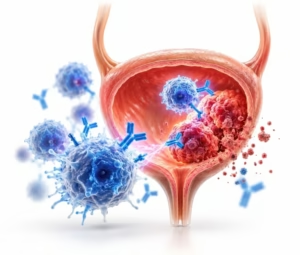
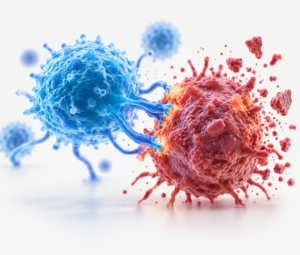
BiTEs or Bispecific T-cell Engagers, use another clever strategy. Unlike TIL and CAR T therapy, BiTEs are not living cells that are collected, modified and returned to the patient. Instead, they are specially designed proteins that can attach to two different targets simultaneously One side of the BiTE binds to a protein on the cancer cell, while the other side binds to a protein on a T-cell. In this way, the BiTE acts like a bridge, physically bringing the T-cell close to the cancer cell. Once the two cells are brought together, the T-cell can become activated and attack the cancer cell. For example, blinatumomab is a BiTE that connects T-cells with CD19-positive leukemia cells. Other bispecific therapies have been developed to connect T-cells with different types of cancer cells. The advantage of this approach is that the patient’s T-cells do not necessarily need to be removed from the body and genetically engineered. Instead, the BiTE helps the T-cells already present in the body find and attack their target.
Although TILs, CAR T-cells and BiTEs all involve T-cells, their strategies are quite different. TIL therapy uses T-cells that have already entered the tumor and expands them. CAR T therapy genetically equips T-cells with a new receptor to recognize a specific cancer target. BiTEs act as molecular bridges that bring T-cells directly to cancer cells. The ultimate goal, however, is the same: to help the immune system recognize cancer and destroy it.
These therapies are powerful, but they are not without challenges. Because they stimulate the immune system, they can sometimes cause significant side effects. CAR T therapy and BiTE-based treatments, for example, can cause a reaction called cytokine release syndrome, in which the immune system releases large amounts of inflammatory molecules called cytokines. This can cause symptoms such as fever, low blood pressure and difficulty breathing in more serious cases. Some patients receiving CAR T therapy can also experience neurological side effects. TIL therapy can have its own challenges, including side effects related to the treatments used to prepare the patient for TIL infusion. For this reason, these therapies require specialized treatment centers and close monitoring by experienced medical teams.
One of the biggest questions in cancer immunotherapy today is why these treatments work extremely well for some patients but not for others. Researchers are exploring ways to make immune cells stronger, help them survive longer inside tumors and enable them to recognize multiple cancer targets. Scientists are also developing new generations of CAR T-cells, improved bispecific antibodies and personalized immunotherapies designed around the unique characteristics of an individual’s cancer. These advances could be particularly important for solid tumors, where immunotherapy has historically faced greater challenges.
The future of cancer treatment may therefore involve much more than simply finding stronger drugs. It may involve teaching immune cells, engineering them and guiding them toward cancer. TIL therapy finds and expands the immune cells already fighting inside a tumor. CAR T therapy gives T-cells a new targeting ability. BiTEs build a molecular bridge between T-cells and cancer cells. Each approach uses a different strategy, but together they demonstrate an important shift in modern oncology: instead of fighting cancer entirely from the outside, we are increasingly learning how to harness the body’s own immune system as a powerful weapon against cancer.